
Where to See Northern Lights in Canada: Your Ultimate Guide
Uncover Canada's prime spots for the mesmerizing aurora borealis and plan your dream celestial adventure.
Plan Your Aurora TripKey Takeaways
- ✓ Canada offers some of the world's best aurora viewing opportunities due to its high latitude and vast, dark skies.
- ✓ The prime viewing season is typically from late August to April, with peak activity often around the equinoxes.
- ✓ Yukon, Northwest Territories, and Manitoba are consistently ranked as top destinations for aurora hunters.
- ✓ Minimal light pollution, clear skies, and strong solar activity are crucial factors for successful viewing.
How It Works
Research Canada's top aurora zones like Yukon, NWT, or Manitoba. Consider accessibility, amenities, and tour options available in each region.
Aim for late autumn to early spring (August to April) when nights are longest and darkest. Check aurora forecasts and lunar cycles for optimal visibility.
Pack extreme winter clothing, including thermal layers, insulated boots, hats, and gloves. Many viewing locations are remote and exposed to very low temperatures.
Consider guided tours or stays at dedicated aurora lodges for expert insights, comfortable viewing, and assistance with photography. Book accommodations and flights well in advance.
Unveiling Canada's Aurora Zones: Where to See Northern Lights in Canada
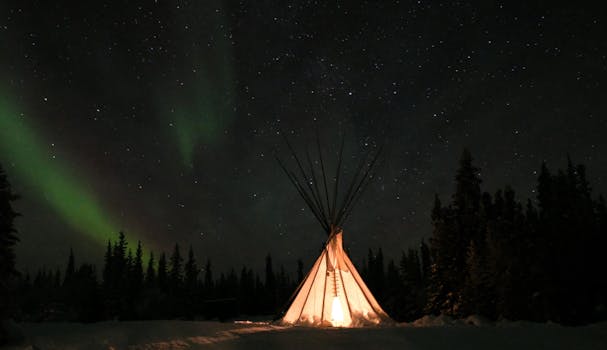 Photo: Rachel / Pexels
Timing Your Trip: Best Seasons and Solar Activity for Aurora Viewing
 Photo: Leah / Pexels
Essential Planning Tips for Your Canadian Aurora Adventure
 Photo: Матвей Ильин / Pexels
Common Mistakes to Avoid When Chasing the Aurora
 Photo: Punyasloka Choudhury / Pexels
Comparison
| Feature | Yellowknife, NWT | Whitehorse, Yukon | Churchill, Manitoba |
|---|---|---|---|
| Aurora Visibility | Excellent (under oval) | Very Good (stunning backdrops) | Excellent (under oval, flat views) |
| Light Pollution | Minimal (outside city) | Low (outside city) | Very Minimal |
| Viewing Infrastructure | Dedicated lodges, heated teepees | Guided tours, lodges | Aurora domes, wilderness lodges |
| Other Activities | Ice fishing, snowmobiling | Dog sledding, hot springs | Polar bear viewing, beluga whales |
| Accessibility | Direct flights from major cities | Direct flights from major cities | Remote, often via Winnipeg |
| Best Season | Late Aug - Early Apr | Late Aug - Early Apr | Sept - Nov (Polar Bear peak), Jan - Mar |
What Readers Say
"Our trip to Yellowknife to see the Northern Lights was absolutely magical. We saw them three nights in a row, including one incredible display that lasted for hours. The heated teepees were a lifesaver!"
Sarah L. · Toronto, ON"Whitehorse provided the perfect blend of adventure and aurora. We went dog sledding by day and watched the aurora dance over the mountains at night. Truly a bucket-list experience, highly recommend!"
Mark R. · Vancouver, BC"Churchill exceeded all expectations! Not only did we see polar bears, but the Northern Lights were breathtaking over the frozen tundra. The aurora dome made for incredibly comfortable viewing, even in the extreme cold."
Emily K. · Calgary, AB"We saw the aurora on two out of three nights in the Yukon. While one night was a bit faint, the other was truly spectacular. The guides were knowledgeable, and the overall experience was fantastic, just wish we had one more clear night."
David M. · Montreal, QC"As an avid photographer, finding where to see Northern Lights in Canada was crucial. Yellowknife delivered beyond my wildest dreams. The dark skies allowed for stunning long-exposure shots, and the reflections on the ice were just incredible."
Jessica T. · Seattle, WAFrequently Asked Questions
What is the absolute best place to see Northern Lights in Canada?
While 'best' can be subjective, Yellowknife, Northwest Territories, is widely considered one of the most reliable and accessible places due to its location directly under the auroral oval, offering consistent and spectacular displays. Other top contenders include Whitehorse, Yukon, and Churchill, Manitoba, each with unique viewing experiences and surrounding activities.
Is it guaranteed I will see the Northern Lights if I travel to a prime location?
No, seeing the Northern Lights is never 100% guaranteed, as it depends on three main factors: strong solar activity, clear skies, and minimal light pollution. Even in prime locations, weather can be unpredictable. However, choosing a good location, planning for multiple nights, and checking aurora forecasts significantly increases your chances.
How can I increase my chances of seeing the aurora?
To maximize your chances, travel during the peak season (late August to early April), stay for at least 3-5 nights in a prime location, choose nights around the new moon for maximum darkness, get away from city lights, and diligently check aurora forecasts (Kp-index). Patience and warm clothing are also crucial.
What is the typical cost of a Northern Lights trip to Canada?
The cost can vary significantly depending on duration, chosen destination, and level of luxury. A budget trip might cost CAD 1,500-2,500 for flights, basic accommodation, and self-guided viewing, while a premium package with guided tours, specialized lodges, and additional activities can range from CAD 3,000 to over 7,000 per person. Airfare to northern destinations can be a significant component.
How does Canada compare to other aurora viewing destinations like Iceland or Norway?
Canada offers vast, often more remote, and less crowded viewing experiences than some European destinations. Its sheer size means more dark sky opportunities and a unique wilderness backdrop. While Iceland and Norway are also excellent, Canada provides a distinct blend of cultural experiences, wildlife encounters, and often more extreme winter conditions, appealing to those seeking a truly immersive northern adventure.
Who should consider a trip to see the Northern Lights in Canada?
Anyone seeking an awe-inspiring natural phenomenon, photographers looking for dramatic celestial shots, adventurous travelers willing to embrace cold weather, and those interested in combining aurora viewing with unique winter activities like dog sledding or ice fishing should consider this trip. It's an unforgettable experience for families, couples, and solo explorers alike.
Are there any safety concerns when traveling to northern Canada for aurora viewing?
The primary safety concern is extreme cold. Proper clothing is essential to prevent frostbite and hypothermia. When self-driving, be prepared for winter road conditions and potential wildlife encounters. Always inform someone of your itinerary, especially if venturing into remote areas. Guided tours mitigate many of these risks by providing experienced local guides and safe transportation.
Will climate change affect where we can see Northern Lights in Canada in the future?
Climate change primarily affects weather patterns, potentially leading to more unpredictable cloud cover in certain regions, which could impact aurora visibility. However, the fundamental physics of the aurora and its location over the auroral oval are not directly altered by climate change. Access to remote areas might also be affected by changing ice road conditions or permafrost thaw.
Ready to witness one of Earth's most spectacular natural light shows? Start planning your adventure to where to see Northern Lights in Canada today. With proper preparation and a little bit of luck, you'll create memories under the dancing skies that will last a lifetime.