Where to See Northern Lights Canada: Your Ultimate Guide
where to see northern lights canada

Where to See Northern Lights Canada: Your Ultimate Guide

Unveil the magic of the aurora borealis across Canada's most spectacular dark sky preserves and remote wilderness.

Plan Your Aurora Trip

Key Takeaways

  • ✓ Canada offers some of the world's best aurora viewing opportunities due to its high latitude and vast dark skies.
  • ✓ The best time to see the Northern Lights is typically from late August to April, during dark, clear nights.
  • ✓ Yukon, Northwest Territories, and Nunavut are in the 'auroral oval' and offer the most consistent displays.
  • ✓ Minimal light pollution and a clear, unobstructed view of the northern horizon are crucial for optimal viewing.

How It Works

1
Understand the Aurora

The Northern Lights are caused by charged particles from the sun interacting with Earth's magnetic field. Knowing this helps appreciate the science behind the spectacle.

2
Choose Your Destination

Select a Canadian region known for its high aurora activity and low light pollution. Provinces and territories like Yukon, NWT, and Manitoba are prime choices.

3
Monitor Conditions

Utilize aurora forecast apps and websites (like Space Weather Prediction Center) for Kp-index predictions and local weather forecasts. Clear skies are paramount.

4
Prepare for the Cold

Dress in multiple layers, including thermal wear, insulated outerwear, hats, gloves, and warm boots. Aurora viewing often involves long periods outdoors in freezing temperatures.

Unveiling Canada's Auroral Oval: Prime Viewing Territories
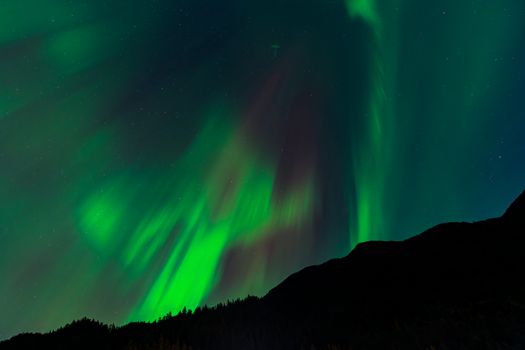
Aurora borealis illuminating the night sky over silhouetted landscape. Photo: Adi K / Pexels
Canada, with its vast northern expanse and minimal light pollution, is a premier destination for witnessing the breathtaking aurora borealis. The country lies directly beneath the 'auroral oval,' a band around the Earth's magnetic poles where auroral activity is most concentrated. This geographical advantage means that from late August to April, when the nights are long and dark, the chances of seeing the Northern Lights are exceptionally high. However, not all Canadian locations are created equal when it comes to this celestial ballet. Understanding the prime viewing territories is the first step to planning an unforgettable aurora trip. The true heartland of Canadian aurora viewing lies within the Yukon, Northwest Territories (NWT), and Nunavut. These territories are not just geographically ideal; they also offer unique cultural experiences and pristine wilderness backdrops that enhance the aurora hunting adventure. For instance, Yellowknife in the NWT is often hailed as the 'Aurora Capital of North America,' boasting an average of 240 aurora viewing nights per year. Its flat, expansive landscape provides unobstructed views of the northern sky, and numerous tour operators specialize in taking visitors to remote, dark sites. The city has developed a robust tourism infrastructure around aurora viewing, including heated tipis and cabins, making it a comfortable base for chasing the lights. Similarly, Whitehorse in the Yukon offers a blend of accessibility and stunning natural beauty. The surrounding mountains and lakes provide dramatic foregrounds for aurora photography. Destinations like Dawson City further north in the Yukon also provide excellent opportunities, often with a historical gold rush charm adding to the allure. Nunavut, while more remote and challenging to access, offers perhaps the most authentic and untouched aurora experience. Communities like Iqaluit provide views over vast, frozen landscapes, often with traditional Inuit cultural experiences interwoven with the aurora chase. The sheer isolation here guarantees minimal light pollution, making for incredibly vivid displays. Beyond these territories, certain northern parts of provinces like Manitoba and Alberta also offer excellent viewing. Churchill, Manitoba, famous for its polar bears, is also a fantastic aurora destination, especially during the colder months when the bears are out. The clear, cold air and flat terrain create ideal conditions. Even cities like Fort McMurray in Alberta, despite their industrial presence, are far enough north to experience regular aurora displays, often visible from designated dark sky parks just outside the city limits. Planning your trip around these prime locations significantly increases your chances of witnessing this natural wonder. It’s not just about being under the auroral oval; it’s also about having the infrastructure and local expertise to maximize your experience. Many of these regions have dedicated aurora lodges and guides who understand the nuances of weather patterns and geomagnetic activity, offering tours that go beyond just pointing out the lights. They often provide valuable insights into the science and folklore of the aurora, enriching the entire travel experience. Remember, patience is key, but choosing the right location dramatically stacks the odds in your favor.

Timing is Everything: Best Seasons and Lunar Phases for Aurora Hunting
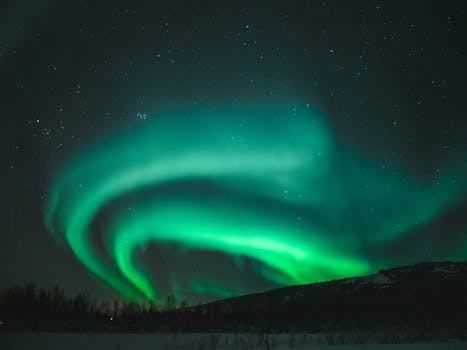
Spectacular view of the vibrant Northern Lights illuminating a snowy night sky in Norway. Photo: Tobias Bjørkli / Pexels
While being in the right location is crucial, timing your visit perfectly can make the difference between a fleeting glimpse and an unforgettable celestial spectacle. The Northern Lights are a phenomenon of the night sky, and as such, the length and darkness of the nights play a pivotal role. The peak season for aurora viewing in Canada generally runs from late August through to April. During these months, the northern latitudes experience significantly longer periods of darkness, which is essential for the lights to be visible. The summer months, particularly June and July, are largely unsuitable due to the extended daylight hours and the phenomenon of the 'midnight sun' in the far north, where the sky never truly gets dark enough. As autumn approaches in August and September, the nights begin to lengthen, and the weather can often be milder than in the depths of winter. This period is popular as it allows for comfortable viewing conditions and often coincides with beautiful fall foliage, offering a dual natural wonder experience. Lakes are typically unfrozen, providing stunning reflections of the aurora. However, this early season can also bring more cloud cover, which can obscure the lights. The heart of the aurora season is undoubtedly winter, from October to March. During these months, the nights are at their longest and darkest, and the cold, crisp air often brings clearer skies. This is when the most vibrant and consistent displays are typically observed. While the temperatures can be extreme, especially in January and February, the reward of a dazzling aurora display against a pristine, snowy landscape is often worth the chill. Many aurora tours are specifically designed to operate during these colder months, providing heated shelters and appropriate gear. March and April can also be excellent, as the days start to lengthen, but there's still plenty of darkness for viewing, and the extreme cold begins to ease slightly, making for more comfortable outdoor excursions. Beyond the general season, the lunar phase also significantly impacts aurora visibility. A full moon, while beautiful in its own right, can brighten the night sky considerably, washing out fainter aurora displays. For the best possible viewing, aim for the period around a new moon. This ensures the darkest possible skies, allowing even subtle aurora to shine through. Websites and apps that track lunar phases can be invaluable in planning your trip. Combining a new moon phase with a period of high geomagnetic activity (predicted by the Kp-index, which measures aurora strength) and clear skies is the trifecta for optimal aurora viewing. It’s also worth noting that the best viewing hours are typically between 10 PM and 3 AM local time, though the lights can appear at any time during the dark hours. Patience is a virtue when chasing the aurora; many successful viewings involve waiting for hours in the cold, but the moment the lights appear, dancing across the sky, all discomfort is forgotten. Always check local weather forecasts and aurora predictions daily, as conditions can change rapidly. Being flexible with your schedule and having multiple viewing nights increases your chances of catching a spectacular display. Investing time in research about the optimal timing will significantly enhance your chances of witnessing this natural wonder.

Beyond the Lights: Enhancing Your Canadian Aurora Experience
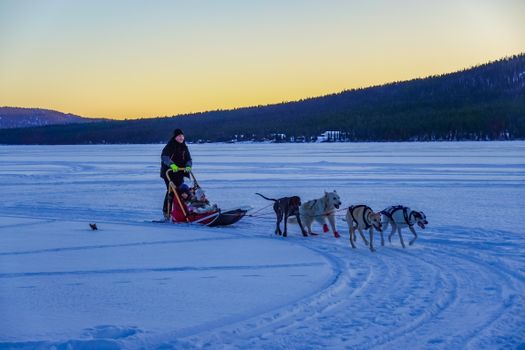
A person dog sledding through a frozen landscape during sunset with a team of huskies. Photo: Eva Kristiansson / Pexels
Witnessing the Northern Lights is undoubtedly the main draw, but a trip to Canada's auroral regions offers much more than just the celestial spectacle. To truly make your journey unforgettable, consider integrating other unique Canadian wilderness and cultural experiences. Many destinations that are prime for aurora viewing are also hubs for winter activities and Indigenous cultural immersion, allowing you to create a multi-faceted adventure. In the Yukon and Northwest Territories, dog sledding is an iconic winter activity. Imagine dashing through snow-laden forests or across frozen lakes, pulled by a team of enthusiastic huskies. Many aurora tour operators combine dog sledding excursions with evening aurora viewing, offering a full day of Arctic adventure. Ice fishing is another popular pastime, allowing you to experience the tranquility of frozen lakes and perhaps catch your dinner. Snowmobiling, cross-country skiing, and snowshoeing are also widely available, providing thrilling ways to explore the vast winter landscapes. For those interested in wildlife, areas like Churchill, Manitoba, are famous for polar bear viewing in autumn and beluga whale watching in summer. While these might not perfectly align with the peak aurora season, some operators offer combined packages or suggest timing your trip to catch both, especially in the shoulder seasons. Indigenous culture is deeply intertwined with the land in many northern Canadian communities. Learning about the traditional ways of life, storytelling, and art forms of the First Nations and Inuit peoples can add profound depth to your trip. Many tour companies offer cultural experiences, such as sharing traditional meals, listening to legends about the aurora, or visiting cultural centers. These interactions provide valuable context and a deeper appreciation for the region you are visiting. Consider staying at an aurora lodge or resort specifically designed for Northern Lights viewing. These establishments often feature comfortable accommodations, gourmet meals, and expert guides who provide nightly aurora updates and photography tips. Some even have heated viewing platforms or glass-domed cabins, allowing you to watch the lights in comfort. Places like the Aurora Village in Yellowknife or the Northern Lights Resort & Spa near Whitehorse are excellent examples, offering a blend of luxury and wilderness. These lodges often provide equipment rentals for extreme cold, such as parkas and boots, which can be invaluable. Photography is a crucial part of capturing the aurora's magic. Many tours offer photography workshops or guides who can help you set up your camera for optimal shots. Even if you're a novice, understanding basic settings like a wide-angle lens, high ISO, and long exposure times will significantly improve your results. Don't forget a sturdy tripod and extra batteries, as cold temperatures drain power quickly. Beyond the organized tours, simply taking time to explore the local towns and cities provides insight into northern Canadian life. Visit local museums, art galleries, and restaurants to experience the unique charm of these remote communities. Remember to pack appropriate clothing for extreme cold, even if you plan to spend most of your time indoors. Layers are key, and high-quality insulated outer wear, hats, gloves, and boots are non-negotiable. Planning for these complementary activities and being well-prepared will transform your aurora hunt into a truly holistic and enriching Canadian adventure.

Practical Tips and Common Mistakes for Your Aurora Chase
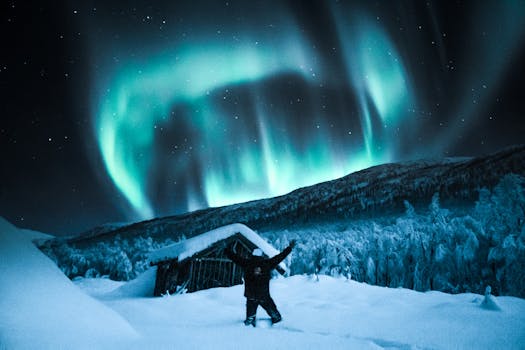
Vibrant northern lights illuminate a winter night sky in snowy Norway. Perfect for travel and nature enthusiasts. Photo: Tobias Bjørkli / Pexels
Embarking on a journey to witness the Northern Lights is an incredible adventure, but a few practical tips and an awareness of common mistakes can significantly improve your chances of success and overall enjoyment. Firstly, always monitor the aurora forecast. Websites like the NOAA Space Weather Prediction Center or apps like My Aurora Forecast provide Kp-index predictions (a measure of geomagnetic activity) and real-time alerts. A Kp-index of 3 or higher is generally good for visible aurora in southern Canada, while 1 or 2 can be enough in the far north. Combine this with a reliable local weather forecast to ensure clear skies, as clouds are the aurora hunter's worst enemy. **Common Mistakes to Avoid:** * **Underestimating the Cold:** This is perhaps the biggest mistake. Temperatures can drop to -40°C (-40°F) or even colder in the Canadian North. Failing to dress in multiple warm layers, including thermal base layers, a good mid-layer, a heavy insulated parka, snow pants, insulated boots, thick wool socks, mittens (not gloves), and a warm hat, can lead to discomfort or even frostbite. Heat packs for hands and feet are also highly recommended. * **Ignoring Light Pollution:** Even a small town's streetlights can diminish the aurora's visibility. Drive at least 20-30 minutes outside of populated areas to find truly dark skies. Look for designated dark sky preserves or remote viewing spots recommended by locals or tour operators. * **Not Being Patient:** The aurora is a natural phenomenon and doesn't operate on a schedule. You might wait for hours, or it might appear within minutes. Be prepared to wait, and ideally, plan for multiple nights of viewing to increase your odds. * **Forgetting Photography Essentials:** If you plan to capture the lights, a sturdy tripod is non-negotiable. A wide-angle lens with a low aperture (f/2.8 or lower) is ideal. Don't forget extra batteries (keep them warm!) and sufficient memory cards. Learning basic manual settings (high ISO, long exposure) before you go will save you precious viewing time. * **Relying Solely on the Naked Eye:** While strong auroras are vibrant, fainter displays can appear as a greenish-white glow to the naked eye. Your camera sensor is more sensitive to light and can often pick up colors that your eyes struggle with in low light. Don't be disappointed if the camera captures more vivid hues than you initially see. * **Booking Too Late:** Especially for popular destinations like Yellowknife or Whitehorse, aurora tours and accommodations can book up months in advance, particularly for peak season. Plan and book your trip well ahead of time. **Helpful Tips:** * **Bring a Red Headlamp:** A red light preserves your night vision better than white light, which can temporarily blind you to the aurora. * **Pack Snacks and Hot Drinks:** Waiting in the cold is easier with warm beverages (thermos!) and energy-boosting snacks. * **Consider a Tour:** Especially for first-timers, a guided tour can be invaluable. Guides know the best spots, monitor conditions, and often provide heated shelters, warm drinks, and transportation, taking the stress out of the experience. * **Stay Flexible:** Weather patterns can shift. Having a flexible itinerary that allows for last-minute changes to viewing locations or times can be beneficial.

Comparison

FeatureYellowknife, NWTWhitehorse, YukonChurchill, Manitoba
Aurora ConsistencyVery High (240+ nights/year)HighHigh
AccessibilityGood (direct flights)Good (direct flights)Moderate (train/flight)
Light PollutionMinimal (outside city)Minimal (outside city)Very Minimal
Winter ActivitiesDog sledding, ice fishingDog sledding, skiingPolar bear viewing, dog sledding
InfrastructureExcellent (lodges, tours)Good (lodges, tours)Good (lodges, tours)
Comfort LevelHeated tipis, lodgesHeated cabins, lodgesHeated domes, lodges
Best SeasonSep-AprAug-AprOct-Mar

What Readers Say

"My trip to Yellowknife to see the Northern Lights in Canada was absolutely magical. The guides were excellent, and we saw incredible displays every night. Truly a bucket-list experience!"

Sarah J. · Toronto, ON

"We chose Whitehorse for our aurora hunt, and it did not disappoint. The lights were vibrant, dancing across the sky, and the dog sledding during the day added so much to the adventure. Highly recommend!"

Mark D. · Vancouver, BC

"After years of dreaming, I finally saw the Northern Lights in Canada, specifically outside Fort McMurray. The organized tour took us to a perfect dark spot, and the photos I got are stunning. A dream come true!"

Emily R. · Calgary, AB

"The aurora experience near Churchill was breathtaking, though the extreme cold was a bit of a challenge. The lights were spectacular, but definitely come prepared for the temperatures."

David L. · Montreal, QC

"We ventured to the Yukon for our honeymoon and were blessed with an incredible aurora display. The remote lodge offered fantastic views and an unforgettable, romantic setting to see the Northern Lights in Canada."

Jessica M. · Seattle, WA

Frequently Asked Questions

What is the absolute best time of year to see the Northern Lights in Canada?

The absolute best time to see the Northern Lights in Canada is during the months of December, January, and February. These months offer the longest periods of darkness and often the clearest, coldest skies, maximizing visibility and intensity of the aurora. However, late August through April offers good chances as well.

Is it guaranteed to see the Northern Lights if I travel to a prime location in Canada?

No, seeing the Northern Lights is never 100% guaranteed, as it's a natural phenomenon dependent on geomagnetic activity and clear skies. However, by choosing a prime location like Yellowknife or Whitehorse, visiting during peak season, and planning for multiple viewing nights, you significantly increase your chances.

How can I track the Northern Lights forecast for my trip to Canada?

You can track the Northern Lights forecast using several online resources and apps. Popular choices include the NOAA Space Weather Prediction Center (for Kp-index forecasts), the University of Alaska Fairbanks Geophysical Institute's aurora forecast, and mobile apps like 'My Aurora Forecast' or 'Aurora Forecast'. Always cross-reference with local weather forecasts for cloud cover.

What is the typical cost of an Northern Lights trip to Canada?

The cost of a Northern Lights trip to Canada can vary widely. A multi-day package (including flights, accommodation, and tours) to a prime destination like Yellowknife or Whitehorse can range from CAD 2,000 to CAD 5,000+ per person, depending on the level of luxury, duration, and included activities. Budget travel is possible, but extreme cold weather gear and remote travel often add to expenses.

How do Canadian aurora viewing experiences compare to those in Scandinavia or Iceland?

Canadian aurora viewing experiences are often comparable to those in Scandinavia or Iceland, offering similar consistency and intensity. Canada's advantage lies in its vast, sparsely populated northern regions, which provide immense dark sky areas and unique wilderness backdrops (like the Rockies or vast boreal forests). While Scandinavia might offer more established infrastructure in some areas, Canada provides a more rugged, authentic Arctic experience for many.

Who should consider traveling to Canada to see the Northern Lights?

Anyone with an adventurous spirit who dreams of witnessing one of nature's most spectacular light shows should consider traveling to Canada. It's ideal for photographers, nature enthusiasts, couples seeking a unique romantic getaway, and families looking for an unforgettable educational experience. Those who appreciate vast wilderness and extreme winter beauty will particularly enjoy it.

Are there any safety concerns when viewing the Northern Lights in remote Canadian locations?

The primary safety concerns when viewing the Northern Lights in remote Canadian locations are extreme cold and wildlife. Always dress appropriately in layers to prevent hypothermia or frostbite. When venturing into remote areas, it's advisable to go with experienced guides who are familiar with the terrain and wildlife (e.g., bears). Inform someone of your plans, carry emergency supplies, and ensure your vehicle is winter-ready if self-driving.

What future trends might impact where to see Northern Lights in Canada?

Future trends impacting where to see Northern Lights in Canada include the increasing popularity of astrotourism, leading to more specialized lodges and tours. Climate change could potentially alter weather patterns and cloud cover, though the core auroral oval locations will remain prime. Advancements in camera technology will make aurora photography more accessible, and sustainable tourism practices will likely become more prevalent to preserve these pristine viewing environments.

Ready to chase the ethereal glow? Use this guide to plan your ultimate adventure and discover where to see Northern Lights in Canada. Prepare for an unforgettable journey under the dancing skies, a truly bucket-list experience awaiting your arrival.

Topics: where to see northern lights canadaaurora borealis Canadanorthern lights travel Canadabest places northern lightsCanada aurora viewing
Leo List

DK Escorts LU Escorts AT Escorts SE Escorts FI Escorts CH Escorts DE Escorts HR Escorts IE Escorts GR Escorts CZ Escorts NO Escorts BE Escorts FR Escorts SI Escorts IL Escorts NL Escorts PL Escorts HU Escorts ES Escorts IT Escorts PT Escorts SK Escorts RO Escorts ZA Escorts UY Escorts US Escorts UK Escorts NZ Escorts AU Escorts
Brampton weed
Adultwork EstrelaBet Vai de Bet R7 Bet Betão Galera Bet Rainbet Bet9ja Shop SportyBet BetKing Sisal Loto Foot Hollywoodbets YesPlay Odibets RushBet Jugabet BetWarrior BetCity MSport betPawa Fortebet