What to Pack for a Trip to Canada: Your Ultimate Guide
what to pack for a trip to Canada

What to Pack for a Trip to Canada: Your Ultimate Guide

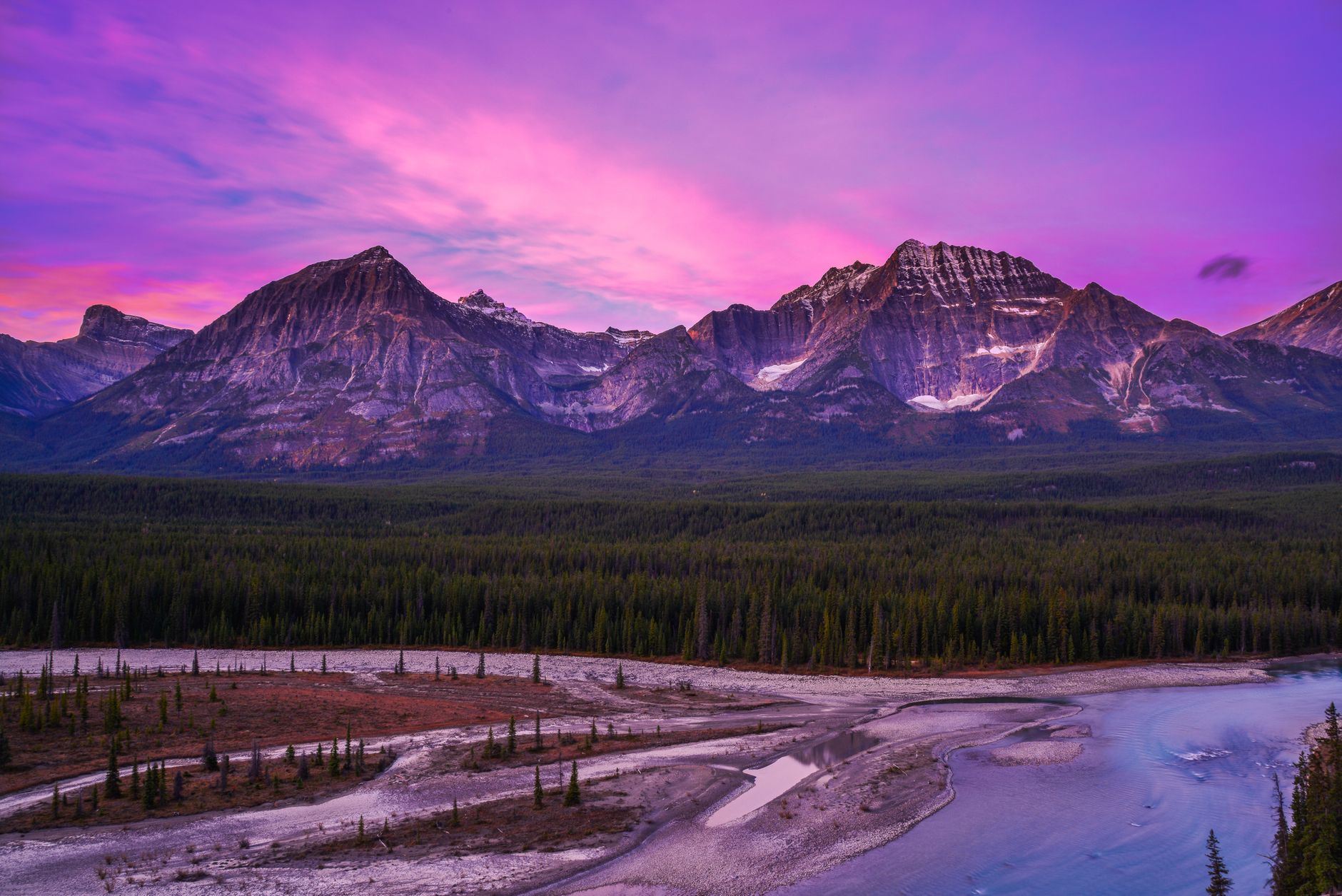
Breathtaking view of the Canadian Rockies at sunset with a vibrant purple sky.Photo: Nunzio Guerrera / Pexels

What to Pack for a Trip to Canada: Your Ultimate Guide

Prepare for Canada's diverse climates and adventures with our comprehensive packing list, ensuring a smooth and enjoyable experience.

Get Your Packing List

Key Takeaways

  • ✓ Canada's weather varies drastically by region and season.
  • ✓ Layering is key for adaptability, regardless of the time of year.
  • ✓ Essential documents and medications should always be in your carry-on.
  • ✓ Footwear choice is critical for comfort and intended activities.

How It Works

1
Assess Your Destination & Season

Canada is vast; packing for Vancouver in summer is different from Quebec in winter. Research the specific weather patterns and activities for your chosen location and travel dates.

2
Prioritize Core Essentials

Start with vital documents, medications, and basic toiletries. These non-negotiables form the foundation of any packing list, ensuring you have the necessities covered first.

3
Build Your Layering System

Canada's climate demands adaptable clothing. Pack base layers, mid-layers, and outer shells that can be added or removed to suit temperature fluctuations throughout the day.

4
Consider Activities & Comfort

If you plan on hiking, skiing, or city exploring, specific gear and comfortable footwear are crucial. Tailor your remaining items to enhance your planned experiences.

Understanding Canada's Diverse Climate and Regions
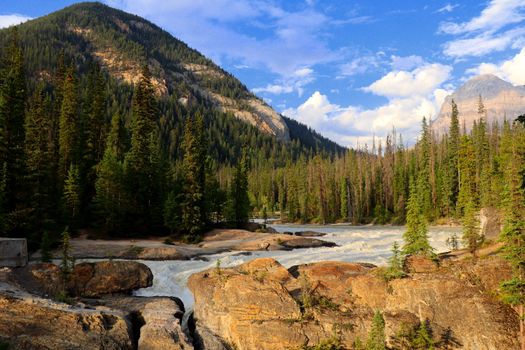
Captivating view of a river flowing through lush forests in Yoho National Park, Canada.Photo: Mario Vogt / Pexels
When planning what to pack for a trip to Canada, the first and most crucial step is to understand the country's immense geographical diversity and its direct impact on climate. Canada is the second-largest country in the world, spanning six time zones and an incredible array of landscapes, from temperate rainforests on the Pacific coast to the Arctic tundra in the north, and vast prairies, majestic mountains, and bustling urban centers in between. This means that a single packing list simply won't suffice for all Canadian adventures. Your packing strategy must be highly tailored to your specific destination(s) and the time of year you plan to visit. Let's break down some of the key climatic considerations. On the West Coast, particularly British Columbia, you'll find a milder, often wetter climate. Summers are pleasantly warm, but evenings can be cool, and rain is a possibility even in July. Winters are relatively mild but very wet, with snow more common in the mountains than in coastal cities like Vancouver. Moving eastward to the Canadian Prairies (Alberta, Saskatchewan, Manitoba), you'll encounter a continental climate characterized by hot, dry summers and extremely cold, often snowy winters. Temperature swings can be dramatic, even within a single day. The Great Lakes and St. Lawrence Lowlands region (southern Ontario and Quebec) experiences warm, humid summers and cold, snowy winters. Fall is particularly beautiful here, with vibrant foliage, while spring can be quite unpredictable. The Atlantic Provinces (New Brunswick, Nova Scotia, Prince Edward Island, Newfoundland and Labrador) have a maritime climate, influenced by the ocean. Summers are generally cooler and more humid than inland areas, and winters are often wet with a mix of rain and snow, though less extreme cold than the Prairies. Finally, the Canadian North (Yukon, Northwest Territories, Nunavut) is defined by long, very cold winters and short, cool summers. If you're heading north, specialized cold-weather gear is non-negotiable. Because of this variability, the concept of 'layering' becomes paramount. Instead of packing one heavy coat for all situations, think in terms of a system: a moisture-wicking base layer, an insulating mid-layer (like a fleece or down vest), and a waterproof and windproof outer shell. This allows you to adapt to changing temperatures and weather conditions throughout the day, whether you're hiking in Banff, exploring Old Montreal, or whale watching off the coast of Vancouver Island. Always check the long-range weather forecast for your specific travel dates and destinations a week or two before your departure, and then again closer to your travel day. This will provide the most accurate picture and help you fine-tune your packing. For more detailed regional insights, consider exploring specific provincial tourism websites, or our guide on Canadian regional travel guides.

Essential Clothing for Canadian Adventures
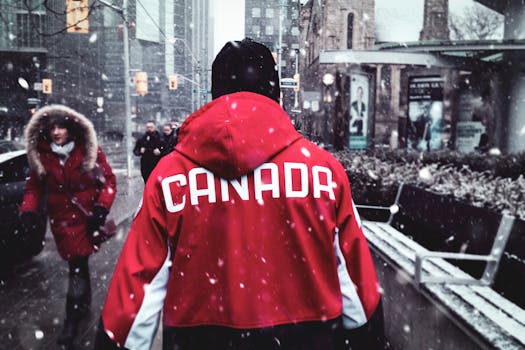
A man in a red Canada jacket walks through snowy downtown Toronto during winter.Photo: Andre Furtado / Pexels
Beyond understanding the climate, selecting the right clothing is perhaps the most critical aspect of what to pack for a trip to Canada. As discussed, layering is your best friend. Let's break down the ideal clothing components for various seasons and activities. **Spring (April-May) and Fall (September-October):** These shoulder seasons are notoriously unpredictable. You could experience warm sunshine, brisk winds, or even a sudden snowfall, sometimes all in the same day! For these periods, pack a versatile wardrobe. Start with long-sleeved shirts and sweaters made from wool or synthetic blends that offer warmth without excessive bulk. A medium-weight fleece jacket is an excellent mid-layer. Your outer layer should be a waterproof and windproof jacket, ideally with a hood. Comfortable, waterproof walking shoes or light hiking boots are essential, as you'll likely encounter wet conditions. Don't forget a hat, gloves, and a scarf – especially for evenings or higher elevations. Jeans are generally acceptable, but consider quick-drying travel pants if you plan outdoor activities, as wet denim can be uncomfortable and slow to dry. **Summer (June-August):** While Canadian summers can be gloriously warm, especially inland, they are rarely sweltering everywhere. Coastal areas and higher elevations will still have cooler evenings. Pack a mix of short-sleeved shirts, t-shirts, and a few long-sleeved options for sun protection or cooler nights. Shorts are suitable for daytime, but always include at least one pair of long pants. A light sweater or fleece and a light waterproof jacket are still recommended for unexpected rain showers or cool evenings. Comfortable walking shoes are a must, and sandals can be useful for casual wear. Swimwear is a good idea if you plan to visit lakes, beaches, or hotel pools. Sun protection – hat, sunglasses, and high-SPF sunscreen – is non-negotiable, as the Canadian sun can be intense. **Winter (November-March):** This is where specialized gear becomes essential, particularly outside of milder coastal cities. The key here is warmth, waterproofing, and insulation. You'll need thermal base layers (tops and bottoms) made from merino wool or synthetic materials. Mid-layers should include warm sweaters and a substantial fleece or down-filled jacket. Your outer layer must be a heavy-duty, waterproof, and windproof winter coat, ideally one that extends past your waist. Waterproof winter boots with good traction are vital, and they should be insulated. Don't skimp on accessories: a warm winter hat that covers your ears, waterproof gloves or mittens, and a warm scarf are critical for preventing frostbite and staying comfortable. Layers are still important; you might be warm indoors, but stepping outside requires full protection. Remember that Canada's indoor heating is generally very effective, so you won't need to wear all your layers inside. Regardless of the season, always pack comfortable, broken-in walking shoes. You'll likely be doing a lot of exploring on foot. Consider packing clothing that can be mixed and matched to create multiple outfits, minimizing the amount you need to bring. Remember, laundry facilities are widely available in most hotels and rental accommodations if you need to refresh your wardrobe. Don't forget a small, collapsible daypack for daily excursions to carry water, snacks, and extra layers. For urban exploration, a stylish yet comfortable pair of sneakers or low-profile boots will serve you well. Discover more about versatile travel wardrobes here.

Essential Non-Clothing Items and Travel Documents
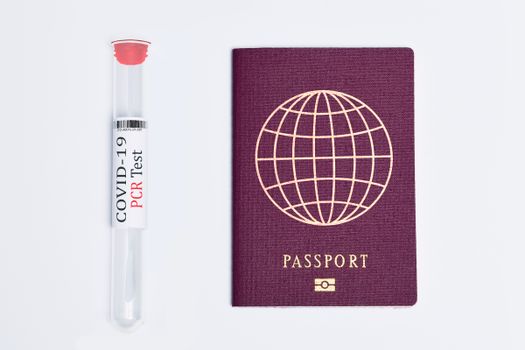
Travel essentials during the pandemic: a COVID-19 PCR test and a passport.Photo: adrian vieriu / Pexels
Beyond your wardrobe, a successful trip to Canada hinges on packing the right non-clothing essentials and ensuring all your travel documents are in order. This category often includes items that are easy to overlook but can significantly impact your comfort, safety, and ability to navigate the country. **Travel Documents:** This is arguably the most important section. Ensure your passport is valid for at least six months beyond your intended departure date from Canada. Depending on your nationality, you may need an Electronic Travel Authorization (eTA) or a visitor visa. Check the official Government of Canada website well in advance of your trip. Print copies of all your essential documents (passport, visa/eTA, flight itineraries, accommodation bookings, travel insurance policy) and keep them separate from the originals. A digital copy stored securely on your phone or in a cloud service is also highly recommended. Don't forget your driver's license if you plan to rent a car, and an International Driving Permit (IDP) might be required depending on your country of origin. Carry Canadian currency (CAD) for small purchases, though credit cards are widely accepted. **Health & Safety:** Pack any prescription medications in their original containers, along with a copy of your prescription. Over-the-counter essentials like pain relievers, allergy medication, antacids, and bandages are always a good idea. A small first-aid kit can be invaluable. Don't forget personal toiletries – while you can buy most things in Canada, having your preferred brands or travel-sized versions for the first few days is convenient. Sunscreen and insect repellent are crucial, especially if you're planning outdoor activities during warmer months. Consider a small hand sanitizer. **Electronics & Adapters:** Canada uses Type A and Type B electrical outlets, operating on 120V at 60Hz. If you're traveling from a country with different standards (e.g., Europe, Asia, Australia), you'll need a travel adapter. A power bank for your phone is highly recommended, especially for long travel days or remote areas. Don't forget chargers for all your devices – phone, camera, e-reader, laptop. A universal adapter with multiple USB ports can be a lifesaver. Consider downloading offline maps of your destinations to save on data and for areas with spotty reception. A portable Wi-Fi hotspot or a local SIM card can also be beneficial, but check with your provider for international roaming options first. **Miscellaneous Essentials:** A reusable water bottle is not only eco-friendly but also practical, as tap water in Canada is safe to drink almost everywhere. A small backpack or daypack is perfect for daily excursions. An eye mask and earplugs can be helpful for long flights or light sleepers. Don't forget a camera to capture Canada's breathtaking scenery! If you plan on hiking or spending time in nature, a small pair of binoculars can enhance your experience. A good book or downloaded entertainment for downtime is also a thoughtful addition. For those planning to explore Canada's vast wilderness, a compass or GPS device, along with a map, might be prudent, even if you're just doing day hikes. Always inform someone of your itinerary if you're venturing into remote areas. These items will ensure you're well-prepared for any situation, enhancing your overall Canadian travel experience. Check out our guide on essential travel gadgets for more ideas.

Packing Smart: Tips, Tricks, and Common Mistakes to Avoid
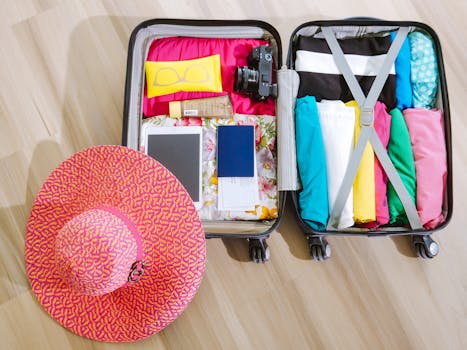
Top view of a suitcase packed with clothes, a camera, and a sun hat, ready for summer travel.Photo: Kindel Media / Pexels
Packing efficiently is an art, and mastering it for a Canadian trip can save you stress, time, and even money. Here are some invaluable tips and common mistakes to steer clear of when deciding what to pack for a trip to Canada. **Tips for Smart Packing:** * **Roll Your Clothes:** This classic packing hack minimizes wrinkles and maximizes space. Tightly rolled clothes take up less room than folded ones. * **Use Packing Cubes:** These organizational tools are a game-changer. They compress clothing, separate different types of items, and make it easy to find what you need without rummaging through your entire suitcase. * **Wear Your Heaviest Items:** If you're bringing bulky boots or a heavy winter coat, wear them on the plane. This saves significant space and weight in your luggage. * **Plan Outfits:** Instead of packing individual items, plan complete outfits for each day or activity. This prevents overpacking and ensures everything you bring has a purpose. * **Leave Room for Souvenirs:** Always leave a little extra space in your suitcase for any gifts or mementos you might pick up during your travels. A collapsible duffel bag can also be a good idea for overflow. * **Travel-Sized Toiletries:** Unless you have specific brand loyalties, opt for travel-sized toiletries to save space and meet airline liquid restrictions. You can always buy full-sized versions upon arrival if needed. * **Digitalize Documents:** As mentioned, having digital copies of passports, reservations, and insurance policies on your phone or in the cloud is a smart backup. * **Consider a Laundry Day:** If you're traveling for an extended period, plan to do laundry once or twice. This significantly reduces the amount of clothing you need to pack. **Common Packing Mistakes to Avoid:** * **Overpacking:** The most common mistake! It leads to heavy bags, extra baggage fees, and the hassle of lugging unnecessary items. Be ruthless in your selection. * **Underestimating Canadian Weather:** Even in summer, evenings can be cool, and rain is always a possibility. Never assume consistent warm weather, especially if you're venturing outside major cities. * **Forgetting Adapters/Converters:** Canada's electrical outlets differ from many parts of the world. Forgetting an adapter means unusable electronics. * **Not Packing Comfortable Shoes:** You'll likely do a lot of walking. Uncomfortable shoes can ruin a day of exploration. Break them in before your trip. * **Ignoring Luggage Restrictions:** Check your airline's baggage allowance (weight and size) for both carry-on and checked bags to avoid unexpected fees at the airport. * **Packing Valuables in Checked Luggage:** Keep passports, money, medications, electronics, and any irreplaceable items in your carry-on bag. * **Not Bringing Layers:** Relying on one heavy coat instead of a versatile layering system makes it difficult to adjust to Canada's fluctuating temperatures. * **Forgetting Insect Repellent (in summer/fall):** Especially if you're visiting rural areas, forests, or lakes, mosquitoes and other biting insects can be a nuisance. Don't let them ruin your outdoor activities. By following these tips and avoiding common pitfalls, you'll ensure your packing process is stress-free, leaving you more time and energy to enjoy the incredible experiences Canada has to offer.

Comparison

FeatureSummer TripWinter TripShoulder Seasons (Spring/Fall)
OuterwearLight waterproof jacketHeavy insulated parkaWaterproof & windproof shell
Mid-layersLight sweater/fleeceThick fleece/down jacketMedium-weight fleece/wool sweater
Base LayersT-shirts/shortsThermal long johns/topsLong-sleeved shirts/light leggings
FootwearWalking shoes/sandalsInsulated waterproof bootsWaterproof walking shoes/light boots
AccessoriesSun hat, sunglassesWarm hat, gloves, scarfLight hat, gloves, scarf

What Our Readers Say

5 ★★★★★

"This guide on what to pack for a trip to Canada was a lifesaver for my cross-country adventure! I followed the layering advice perfectly and was comfortable whether I was hiking in Banff or exploring Toronto. The document checklist was particularly helpful."

5 ★★★★★

"Traveling to Canada in autumn can be tricky with the changing weather. This packing list provided excellent recommendations for versatile clothing and ensured I had everything I needed without overpacking. Highly recommend for any visitor!"

5 ★★★★★

"I was dreading packing for my first Canadian winter, but this guide made it so much easier. I bought the exact type of boots and parka suggested, and I was genuinely warm and enjoyed the snow! It really helped me understand the need for proper gear."

4 ★★★★☆

"The advice on what to pack for a trip to Canada was very comprehensive, especially for different regions. I wish there was a bit more detail on specific brands for cold weather gear, but overall, it was extremely useful for my trip to Quebec City."

5 ★★★★★

"As someone from a hot climate, I had no idea what to expect for Canada. This article broke down what to pack for a trip to Canada by season and activity, which was exactly what I needed to feel prepared for my family's summer camping trip in Ontario."

Frequently Asked Questions

What are the absolute must-have items to pack for any trip to Canada?
Regardless of the season, you absolutely must pack your valid passport (and eTA/visa if required), essential medications in their original containers, a universal travel adapter if coming from outside North America, comfortable walking shoes, and at least one waterproof outer layer. Always bring a mix of layers to adapt to Canada's variable climate.
I'm visiting Canada in winter, won't I be too cold?
Not if you pack correctly! Canadian winters can be very cold, but with proper layering – thermal base layers, insulating mid-layers, a heavy waterproof winter coat, insulated boots, a warm hat, gloves, and a scarf – you'll be comfortable and able to enjoy winter activities. Most indoor spaces are also very well heated.
How do I choose the right footwear for my Canadian trip?
Your footwear depends heavily on your planned activities and the season. For general sightseeing, comfortable, broken-in walking shoes are crucial. If hiking, opt for sturdy hiking boots. In winter, insulated, waterproof boots with good traction are essential. Always prioritize comfort and weather protection for your feet.
Is it better to bring Canadian dollars or rely on credit cards?
While major credit cards (Visa, Mastercard, American Express) are widely accepted across Canada, it's always wise to have some Canadian cash (CAD) for smaller purchases, local markets, or in case of emergencies. ATMs are readily available, but having a small amount of cash upon arrival is convenient.
Should I pack formal attire for my trip to Canada?
Generally, Canada has a relaxed dress code. Unless you plan to dine at high-end restaurants, attend formal events, or have specific business meetings, smart casual attire is usually sufficient. A nice pair of pants/dress and a collared shirt/blouse will cover most evening occasions.
Who should use this guide on what to pack for a trip to Canada?
This guide is designed for anyone planning a trip to Canada, whether you're a first-time visitor, a seasoned traveler exploring a new region, or simply looking for a comprehensive checklist. It caters to various seasons and activities, ensuring a well-prepared journey for all.
What if I forget something important? Is it easy to buy things in Canada?
Absolutely. Canada has well-stocked stores, from large department stores to specialty outdoor retailers, where you can purchase almost anything you might have forgotten, including clothing, toiletries, and electronics. However, it's always more cost-effective and convenient to pack essentials beforehand.
How will climate change affect future packing for Canada?
Climate change is leading to more unpredictable weather patterns globally, including in Canada. Future packing might require even greater emphasis on versatile layering and adaptable gear, as extreme weather events (e.g., heatwaves, sudden cold snaps, heavy rain) could become more frequent. Always check the very latest forecast.

Armed with this comprehensive guide, you are now fully equipped to determine what to pack for a trip to Canada. From the majestic Rockies to the vibrant cities, your Canadian adventure awaits, and with smart packing, you'll be comfortable and ready for every unforgettable moment. Start planning your perfect Canadian getaway today!

Topics: what to pack for a trip to CanadaCanada packing listtravel essentials Canadaseasonal packing CanadaCanadian travel gear
Leo List
Brampton weed
Adultwork