
Your Essential Guide: What to Pack for a Canadian Winter Trip
Prepare for Canada's stunning winter with our expert packing list for comfort, safety, and unforgettable memories.
Get Your Packing ListKey Takeaways
- ✓ Temperatures can drop below -30°C (-22°F) in many regions.
- ✓ Layering is the most crucial strategy for staying warm.
- ✓ Waterproof and windproof outer layers are non-negotiable.
- ✓ Specialized winter footwear with good grip is essential for safety.
How It Works
Familiarize yourself with the typical temperatures, snowfall, and wind chill factors of your specific destination. Canada's vastness means conditions vary significantly from coast to coast.
Learn the principles of base, mid, and outer layers. This system traps warmth, wicks moisture, and allows for easy adjustment to changing temperatures and activity levels.
Focus on investing in quality outerwear, footwear, and accessories. These items are your primary defense against the cold and will make or break your comfort.
Tailor your packing list to your planned adventures, whether it's city exploration, skiing, or ice skating. Specific activities may require specialized clothing or equipment.
Mastering the Art of Layering for Canadian Winters
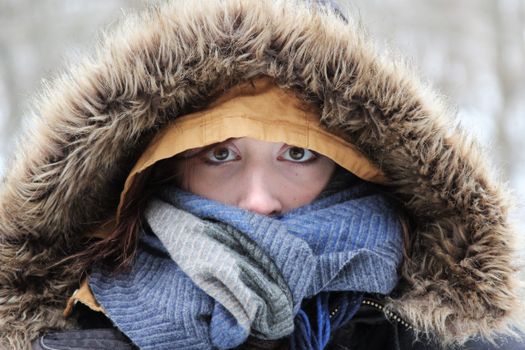 Photo: Brandon Benedict / Pexels
Essential Head-to-Toe Gear for Canadian Winter Adventures
 Photo: Vika Glitter / Pexels
Beyond Clothing: Health, Safety, and Practicalities for Your Trip
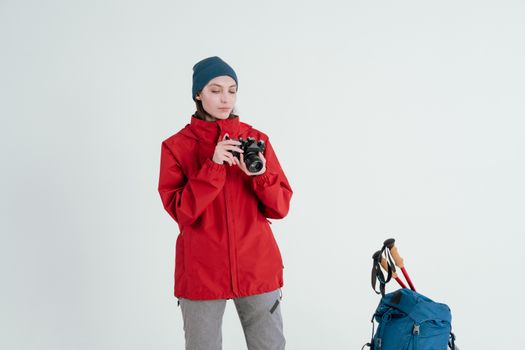 Photo: Tima Miroshnichenko / Pexels
Common Packing Mistakes and Essential Tips for Canadian Winter Trips
 Photo: Daria Nekipelova / Pexels
Comparison
| Feature | Best Option (Extreme Cold) | Alternative 1 (Moderate Cold) | Alternative 2 (City Exploration) |
|---|---|---|---|
| Outer Jacket | 800-fill Down Parka (Waterproof/Windproof) | Insulated Ski Jacket (Waterproof/Windproof) | Wool Blend Peacoat + Fleece Liner |
| Base Layer | Heavyweight Merino Wool | Mid-weight Synthetic/Merino Blend | Lightweight Thermal Underwear |
| Footwear | Insulated Winter Boots (-40°C rated) | Waterproof Hiking Boots (-20°C rated) | Fashion Winter Boots (Waterproof, good grip) |
| Hand Protection | Waterproof Insulated Mittens + Liners | Waterproof Insulated Gloves | Wool/Fleece Gloves |
| Headwear | Balaclava + Insulated Hat | Fleece-lined Beanie | Stylish Wool Hat |
| Moisture Wicking | ✓ | ✓ | ✗ (depends on material) |
| Wind Protection | ✓ | ✓ | Partial |
| Traction on Ice | Excellent | Good | Moderate |
What Readers Say
"Before reading this guide, I was completely overwhelmed by what to pack for a Canadian winter trip to Banff. The layering system explanation was a game-changer, and I stayed perfectly warm and dry even in -20°C weather. Highly recommend following these tips!"
Sarah J. · Dallas, TX"This article was incredibly thorough. I followed the advice for insulated boots and waterproof outerwear for my trip to Quebec City, and it made all the difference when exploring the snowy streets and attending the Winter Carnival. No cold feet or chills for me!"
Mark T. · London, UK"As someone from a warm climate, the idea of a Canadian winter was daunting. This packing guide helped me prepare effectively, and I even managed to enjoy snowshoeing comfortably. The tip about avoiding cotton was particularly crucial."
Emily R. · Sydney, AUS"The guide provided an excellent foundation for what to pack for a Canadian winter trip to Whistler. While most advice was spot on, I found I needed slightly lighter mid-layers than suggested for high-intensity skiing. Still, a fantastic resource overall."
David L. · Seattle, WA"Visiting Montreal in January was a dream, made possible by being properly dressed. This article's emphasis on quality accessories like mittens and a good hat truly saved my hands and ears from the biting cold. I felt prepared for anything."
Chloé M. · Paris, FRFrequently Asked Questions
What is the single most important item to pack for a Canadian winter trip?
The single most important item is a high-quality, insulated, waterproof, and windproof outer jacket. This will be your primary defense against the harsh Canadian elements, protecting you from snow, wind, and extreme cold, and serving as the cornerstone of your layering system.
Do I really need specialized winter boots, or will regular waterproof boots suffice?
For a Canadian winter, specialized insulated winter boots are highly recommended over regular waterproof boots. Regular boots may keep water out but often lack the insulation and aggressive tread needed to keep your feet warm in sub-zero temperatures and provide grip on icy surfaces, which is crucial for safety and comfort.
How do I pack all these bulky winter clothes without exceeding luggage limits?
To pack bulky winter clothes efficiently, use compression bags to reduce volume, wear your heaviest items (like your winter coat and boots) on the plane, and focus on versatile, multi-purpose items. Layering with thinner, high-performance fabrics like merino wool also helps reduce overall bulk compared to thick, less efficient materials.
Is it worth buying expensive winter gear if I only plan one trip to Canada?
The value depends on your budget and future travel plans. For a single trip, you might consider renting certain items like a heavy parka or specialized ski gear at your destination. Alternatively, look for sales or borrow from friends. However, investing in quality base layers, good socks, and versatile waterproof boots can be a worthwhile long-term investment for any cold-weather travel.
Should I pack different clothes if I'm going to a city versus a ski resort?
Yes, while the core layering principles remain, the specific items might differ. For a city, you might opt for slightly more fashionable yet still warm outerwear and boots. For a ski resort or outdoor activities, prioritize technical gear that offers maximum performance, waterproofing, and durability for active use in snow and extreme cold.
Who should prioritize quality gear for a Canadian winter trip?
Anyone planning extended outdoor activities, visiting regions known for extreme cold (e.g., Prairies, Northern Canada, or mountain towns), or those particularly susceptible to cold should prioritize investing in high-quality winter gear. It significantly impacts comfort, safety, and overall enjoyment of the trip.
What are the biggest health risks associated with inadequate packing for Canadian winter?
The biggest health risks include frostbite (especially on fingers, toes, nose, and ears), hypothermia (when your body loses heat faster than it can produce it), and severe chapping/dryness of skin and lips. Improper footwear can also lead to dangerous slips and falls on ice.
Will Canadian winters become less severe due to climate change, affecting packing needs?
While climate change is impacting global weather patterns, predicting specific regional winter severity is complex. Some areas may experience milder periods, but extreme cold snaps, heavy snowfall, and fluctuating temperatures are still characteristic of Canadian winters. It's always best to pack for the worst-case scenario and be prepared for significant cold.
Armed with this comprehensive guide on what to pack for a Canadian winter trip, you're now ready to embrace the magic of Canada's colder months. Don't let the cold deter you; with the right gear, your winter adventure will be filled with warmth, comfort, and unforgettable memories. Start planning your packing list today and get ready for an incredible journey!