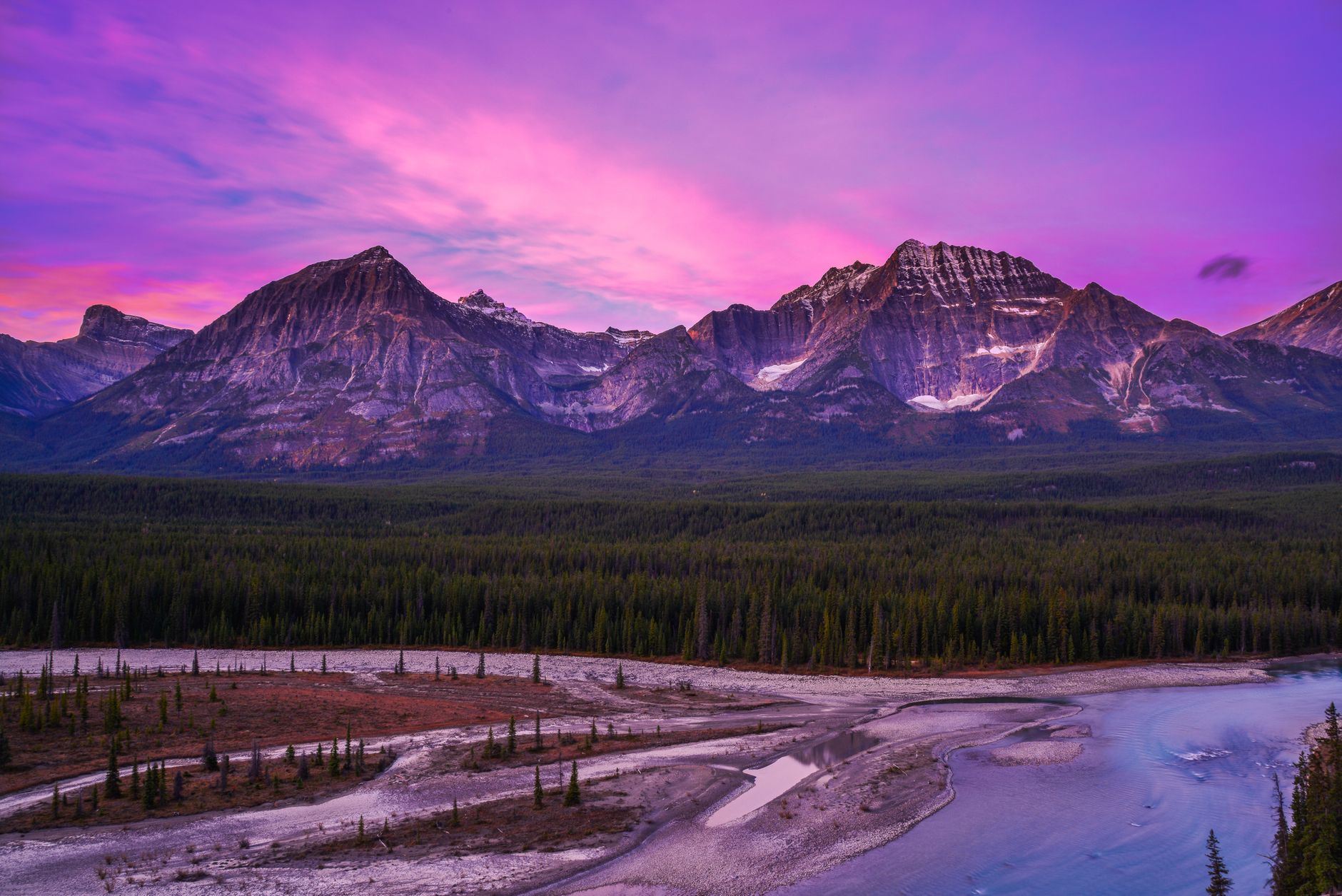
Your Ultimate Canada Travel Guide for Beginners
canada travel guide for beginners

Your Ultimate Canada Travel Guide for Beginners

Unlock the secrets to an unforgettable first Canadian adventure, from majestic Rockies to vibrant cities and everything in between.

Start Your Canadian Journey

Key Takeaways

  • ✓ Canada is the world's second-largest country by area, offering incredible diversity.
  • ✓ Both English and French are official languages, though English is more widely spoken.
  • ✓ Tipping is customary in service industries (15-20% is standard).
  • ✓ The Canadian dollar (CAD) is the official currency.
  • ✓ Canada experiences four distinct seasons, each offering unique travel experiences.

How It Works

1
Plan Your Itinerary

Research destinations that align with your interests, whether it's mountains, cities, or coastal beauty. Consider travel times between locations, as distances in Canada can be vast.

2
Secure Travel Documents & Funds

Ensure your passport is valid and apply for any necessary visas or Electronic Travel Authorizations (eTA). Familiarize yourself with the Canadian dollar and plan your budget.

3
Book Flights & Accommodation

Look for flights well in advance, especially during peak seasons. Secure your lodging, from hotels to hostels or unique B&Bs, to guarantee your preferred options.

4
Pack Smart & Stay Connected

Pack layers for varying weather and essential items. Research local connectivity options like eSIMs or local SIM cards to stay in touch.

Navigating Entry Requirements and Getting There: Your First Steps to Canada

A woman holding a passport with a boarding pass and a smartphone, ready for travel. Photo: Thiếu Quân Võ Vũ / Pexels
Embarking on your first Canadian adventure begins with understanding the essential entry requirements and planning your journey across borders. For most international visitors, a valid passport is non-negotiable, and it's crucial to ensure it remains valid for at least six months beyond your intended departure date from Canada. Depending on your country of citizenship, you might also need an Electronic Travel Authorization (eTA) or a visitor visa. The eTA is a digital travel document that most visa-exempt foreign nationals need to fly to or transit through Canada. It's linked electronically to your passport and is valid for up to five years or until your passport expires, whichever comes first. Applying for an eTA is a straightforward online process, usually taking only a few minutes to complete and often approved within hours. However, it's always wise to apply several weeks before your trip to avoid any last-minute complications. If you require a visitor visa, the application process is more extensive and can take significantly longer, so plan accordingly. You'll need to gather various documents, including proof of funds, a detailed itinerary, and potentially an invitation letter, before submitting your application to a Canadian visa office in your home country. Always check the official Government of Canada website for the most up-to-date and accurate information regarding your specific nationality's requirements. Once your entry documents are in order, the next step is planning your arrival. Canada is a vast country, and major international airports like Toronto Pearson (YYZ), Vancouver International (YVR), and Montreal-Trudeau (YUL) serve as primary gateways. These airports are well-connected to major cities worldwide and offer a range of services upon arrival, including customs and immigration, car rentals, and public transportation options. When booking flights, consider flying into the city closest to your initial destination to minimize domestic travel. For example, if you're keen to explore the Canadian Rockies, flying directly into Calgary (YYC) or Edmonton (YEG) in Alberta would be more efficient than landing in Toronto and then taking another flight. Always compare flight prices across different airlines and consider flying on weekdays or during off-peak seasons for potentially lower fares. Don't forget to factor in travel time, as long-haul flights can be tiring, and you might want to schedule some buffer time upon arrival to adjust to the new time zone and recuperate before diving into your adventures. Understanding customs declarations is also important; you'll need to declare any goods you're bringing into the country, especially food items, alcohol, and tobacco, to avoid penalties. Being prepared for these initial steps will set a positive tone for your entire Canadian journey. For more detailed information on border procedures, consider visiting Canada Border Services Agency resources.

Choosing Your Canadian Adventure: Destinations and Experiences

Explore the serene beauty of Alberta's Canadian Rockies with snow-capped peaks and lush forests. Photo: Fhriestley Penaflor / Pexels
Canada's immense size means it offers an unparalleled diversity of landscapes and experiences, catering to every type of traveler. Deciding where to go is perhaps the most exciting, yet challenging, part of planning your first trip. If breathtaking mountain vistas, pristine lakes, and abundant wildlife are what you seek, the Canadian Rockies in Alberta and British Columbia are a must-see. Banff National Park, with its iconic Lake Louise and Moraine Lake, Jasper National Park, and Yoho National Park offer endless opportunities for hiking, wildlife viewing (bears, elk, bighorn sheep!), and stunning photography. In winter, these regions transform into world-class ski destinations. Further west, British Columbia boasts Vancouver, a vibrant coastal city nestled between mountains and ocean, offering a unique blend of urban sophistication and outdoor adventure. Explore Stanley Park, Granville Island, or take a ferry to Victoria on Vancouver Island for a taste of British charm and whale watching opportunities. For those drawn to history, culture, and European flair, Eastern Canada is a treasure trove. Quebec City, a UNESCO World Heritage site, is North America's only fortified city north of Mexico, with its cobblestone streets, historic architecture, and a distinctly French atmosphere. Montreal, Quebec's largest city, is a dynamic metropolis known for its festivals, culinary scene, and blend of old-world charm and modern vibrancy. Further east, the Maritime provinces—Nova Scotia, New Brunswick, and Prince Edward Island—offer rugged coastlines, picturesque fishing villages, fresh seafood, and a rich Celtic heritage. The Cabot Trail on Cape Breton Island, Nova Scotia, is consistently ranked among the world's most scenic drives. If you're interested in urban exploration and diverse cultural experiences, Toronto, Canada's largest city, is a global hub with iconic landmarks like the CN Tower, world-class museums, and diverse neighborhoods like Kensington Market and the Distillery District. From Toronto, a day trip to Niagara Falls is an absolute must, offering a truly awe-inspiring natural wonder. Each region has its unique appeal, and your choice will largely depend on your interests, the time of year you're traveling, and how much time you have. Consider combining a few regions if you have an extended trip, or focus on one or two to fully immerse yourself in their offerings. Researching specific activities and attractions within each region will help you narrow down your choices and craft an itinerary that truly excites you.

Practical Travel Tips for a Smooth Canadian Journey
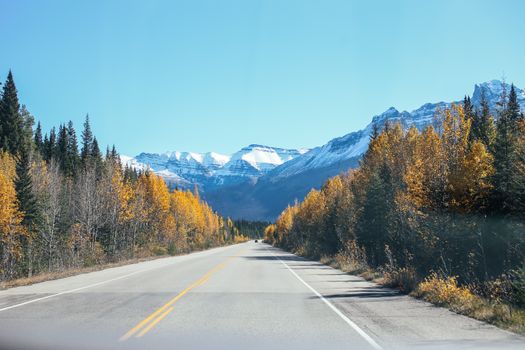
Empty straight asphalt roadway between colorful trees against blue sky and mountain ridge with peaks covered with snow in nature Photo: Rachel Claire / Pexels
Beyond the initial planning, several practical considerations can significantly enhance your travel experience in Canada. First and foremost, understanding the sheer scale of the country is crucial for efficient travel planning. Distances between major cities and attractions can be vast, often requiring internal flights or long drives. For example, driving from Vancouver to Calgary takes approximately 10-12 hours without stops, while a flight across the country from Vancouver to Toronto is about 5 hours. Therefore, factor in travel time when creating your itinerary and don't try to cram too much into one trip, especially if you have limited time. Public transportation is excellent within major cities, with extensive bus, subway, and tram networks. However, for exploring national parks or more remote areas, renting a car is often the most convenient option, giving you flexibility and access to scenic routes. Ensure you have a valid driver's license (an international driving permit might be required for some nationalities) and understand Canadian road rules. Weather in Canada is notoriously variable, and packing layers is always a wise strategy, regardless of the season. Summers can be hot, especially in central and eastern Canada, while winters are generally cold with significant snowfall, particularly in the Rockies and across the Prairies. Even in summer, evenings can be cool, and mountain weather can change rapidly. Check the forecast for your specific destinations before you pack. When it comes to communication, Canada has reliable cellular networks. Consider purchasing a local SIM card upon arrival or activating an international roaming plan with your home provider. eSIMs are also an increasingly popular and convenient option for many travelers. Wi-Fi is widely available in hotels, cafes, and public spaces in urban areas. Tipping is customary and expected in Canada for service industries like restaurants, bars, and taxis, with 15-20% being the standard. Familiarize yourself with the Canadian dollar (CAD) and exchange rates; most places accept major credit cards, but carrying some cash for smaller purchases or remote areas is advisable. Lastly, Canada is generally a very safe country, but it's always prudent to take standard precautions: be aware of your surroundings, safeguard your belongings, and avoid walking alone in poorly lit areas at night. For emergency services, dial 911. Staying informed about local conditions and practicing common-sense safety measures will ensure a worry-free trip. For more general travel advice, explore global travel resources.

Avoiding Common Pitfalls & Maximizing Your Canadian Experience
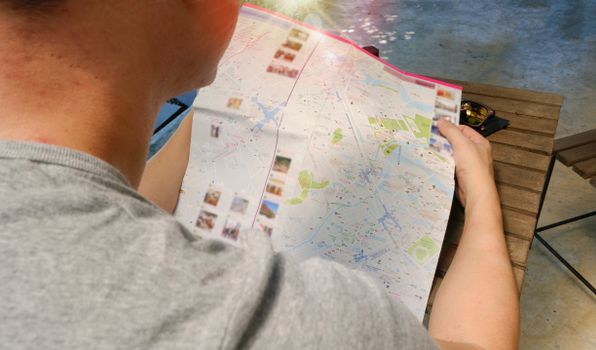
Traveler studying a map for directions, symbolizing exploration and adventure. Photo: Porapak Apichodilok / Pexels
To ensure your first trip to Canada is as smooth and enjoyable as possible, it's helpful to be aware of common mistakes beginners sometimes make and how to avoid them. One of the most significant pitfalls is underestimating the vastness of the country. Many first-time visitors try to squeeze too many destinations into a short trip, leading to rushed experiences and more time spent traveling than exploring. Instead, focus on one or two regions and delve deep into what they offer. For instance, dedicate your trip to either the West Coast, the Rockies, or Eastern Canada, rather than attempting a cross-country dash in a week. Another common error is not booking accommodations and popular attractions in advance, especially during peak season (summer, national holidays, and ski season). Popular national parks, iconic hotels, and sought-after tours can sell out months ahead. Proactive booking ensures you get your preferred choices and often better rates. Not being prepared for varying weather conditions is another frequent misstep. Even in summer, a rainy day or a sudden temperature drop can catch you off guard, particularly in mountainous or coastal regions. Pack versatile clothing, including waterproof outer layers, even for a summer trip. Similarly, failing to budget adequately for unexpected expenses can cause stress. While Canada is generally considered safe, travel insurance is highly recommended to cover medical emergencies, trip cancellations, or lost luggage. Healthcare costs for non-residents can be very high. Don't forget to account for tipping, taxes (GST/HST varies by province), and potential park entry fees if you plan to visit national parks. Lastly, neglecting to research local customs and etiquette, though generally relaxed, can sometimes lead to minor misunderstandings. For example, Canadians are generally polite and value personal space. A simple 'excuse me' or 'thank you' goes a long way. Being mindful of noise levels in public spaces and respecting nature when in national parks are also important. By avoiding these common pitfalls and being well-prepared, your Canadian adventure will be far more relaxing and rewarding. **Key Tips for a Better Trip:** * **Prioritize:** Choose fewer destinations for a richer experience. * **Book Ahead:** Secure accommodations, car rentals, and popular tours. * **Pack Smart:** Layers are key for Canada's unpredictable weather. * **Get Travel Insurance:** Protect yourself against unforeseen circumstances. * **Budget Wisely:** Account for all potential costs, including taxes and tips. * **Stay Hydrated:** Especially when hiking or exploring in warmer weather. * **Respect Wildlife:** Maintain a safe distance and never feed animals. * **Embrace Local Culture:** Try regional foods and engage with locals. * **Learn Basic French:** A few phrases can be appreciated in Quebec. * **Download Offline Maps:** Cell service can be spotty in remote areas.

Comparison

FeatureBest Option (General)Alternative 1 (Budget)Alternative 2 (Luxury)
AccommodationMid-range Hotel/B&BHostel/CampingBoutique Hotel/Resort
TransportationRental Car + Internal FlightsBus/Train + Local TransitPrivate Driver/Charter Flight
DiningMix of Casual & LocalGrocery Stores/Street FoodFine Dining/Chef Experiences
ActivitiesSelf-guided Tours + Popular AttractionsFree Parks/HikingPrivate Guided Tours/Exclusive Access
ConnectivityLocal SIM/eSIMPublic Wi-FiPremium Roaming/Satellite

What Readers Say

"This canada travel guide for beginners was an absolute lifesaver! I felt so prepared for my first trip to the Rockies. The tips on eTA and packing layers were spot on, making my journey stress-free."

Emily R. · London, UK

"As a first-timer, I had no idea where to start. This guide broke down everything from visas to choosing regions perfectly. It truly helped me plan an amazing two-week trip to Eastern Canada."

David C. · Sydney, Australia

"The detailed breakdown of destinations helped me narrow down my choices from overwhelming to exciting. Because of this canada travel guide for beginners, I confidently booked my dream trip to Vancouver and Victoria."

Sarah P. · Austin, TX

"A very thorough guide, though I would have loved even more specific recommendations for budget-friendly activities. Nevertheless, the section on avoiding pitfalls was invaluable for my cross-Canada adventure."

Michael T. · Berlin, Germany

"Coming from a tropical climate, the advice on packing for Canadian weather was incredibly useful. This guide covered all the bases for a beginner like me, ensuring I enjoyed every moment of my winter trip to Quebec."

Jessica L. · Singapore

Frequently Asked Questions

What's the best time of year for a first-time visitor to Canada?

The best time largely depends on your interests. Summer (June-August) offers warm weather for outdoor activities and city exploration, but it's also peak tourist season. Fall (September-October) provides stunning foliage, especially in Eastern Canada, and fewer crowds. Winter (December-March) is ideal for snow sports and festive city breaks, while spring (April-May) is great for wildlife viewing and blossoming landscapes, though some attractions may still be closed.

Is Canada safe for solo female travelers?

Yes, Canada is generally considered one of the safest countries in the world, including for solo female travelers. Major cities and tourist areas are very safe, and Canadians are known for their politeness. As with any travel, exercising common sense, being aware of your surroundings, and trusting your instincts are always recommended.

How do I get around Canada without a car?

For inter-city travel, you can use domestic flights (Air Canada, WestJet), passenger trains (VIA Rail), or inter-city buses (FlixBus, Greyhound Canada). Within cities, public transportation systems (subways, buses, streetcars) are efficient. Ride-sharing apps like Uber and Lyft are also available in many major urban centers. However, for exploring national parks or more remote areas, a rental car often provides the most flexibility.

How much does a typical trip to Canada cost for a beginner?

The cost of a trip to Canada can vary significantly based on your travel style, duration, and chosen destinations. A moderate budget for a week-long trip might range from CAD 1,500 to CAD 3,000 per person, excluding international flights. This would cover mid-range accommodations, dining out, transportation, and some activities. Budget travelers can spend less by opting for hostels, cooking some meals, and utilizing public transport. Luxury travel can easily exceed CAD 5,000+ per week.

How does Canada compare to the USA for first-time international travelers?

Canada often offers a slightly more relaxed pace than the USA, with a strong emphasis on nature and outdoor activities. While both countries share a North American culture, Canada tends to be perceived as having a more European influence in some regions (like Quebec) and a generally more polite and multicultural atmosphere. Entry requirements are similar, but Canada's vast wilderness and distinct French-speaking culture offer unique experiences not found across the border.

Who should use this Canada travel guide for beginners?

This guide is specifically designed for individuals planning their very first trip to Canada. It's perfect for those who feel overwhelmed by the planning process, need clear guidance on entry requirements, want help choosing destinations, and seek practical tips to ensure a smooth and enjoyable travel experience.

What are the biggest safety concerns for tourists in Canada?

Canada is very safe. The biggest 'concerns' are often related to wildlife in national parks (knowing how to react to bears or elk), extreme weather conditions (especially in winter or sudden mountain storms), and being prepared for vast distances between services in remote areas. General urban crime rates are low, but standard precautions against petty theft should always be observed, as in any major city worldwide.

What are some emerging travel trends in Canada that beginners should know?

Sustainable and eco-tourism are growing trends, with many operators offering environmentally friendly tours and accommodations. Indigenous tourism is also gaining prominence, providing rich cultural experiences. Remote workcations are becoming more popular, with many destinations offering unique stays for digital nomads. Furthermore, off-season travel to popular destinations is being encouraged to spread tourism and offer unique perspectives without the crowds.

Ready to turn your Canadian travel dreams into a reality? This comprehensive canada travel guide for beginners has equipped you with all the essential knowledge to plan an incredible first adventure. Start exploring the possibilities and embark on a journey you'll never forget!

Topics: canada travel guide for beginnersfirst time canada triptraveling to canada tipscanada vacation planningexplore canada
Leo List
Brampton weed
Adultwork