
Essential Travel Tips for First-Time Visitors to Canada
travel tips for first time visitors to Canada

Essential Travel Tips for First-Time Visitors to Canada

Navigate Canada like a seasoned traveler with our comprehensive guide, ensuring an unforgettable and smooth journey.

Start Your Adventure

Key Takeaways

  • ✓ Canada is the world's second-largest country by land area, offering diverse landscapes.
  • ✓ Both English and French are official languages, though French is primarily spoken in Quebec.
  • ✓ The Canadian dollar (CAD) is the official currency.
  • ✓ Tipping is customary in service industries (15-20%).

How It Works

1
Plan Your Itinerary

Research your desired regions and attractions, considering travel time between destinations. Canada is vast, so focus on a manageable area for your first visit.

2
Understand Entry Requirements

Check visa or eTA requirements based on your nationality well in advance of your travel dates. Ensure your passport is valid for at least six months beyond your intended stay.

3
Pack Smart for All Seasons

Canadian weather can be unpredictable, even in summer. Layering is key, and be prepared for potential temperature fluctuations, especially if exploring different regions.

4
Embrace Local Culture & Etiquette

Learn a few basic French phrases if visiting Quebec and be aware of local customs. Canadians are generally polite and appreciate respectful visitors.

Navigating Entry & Essential Documents for Canada Travel
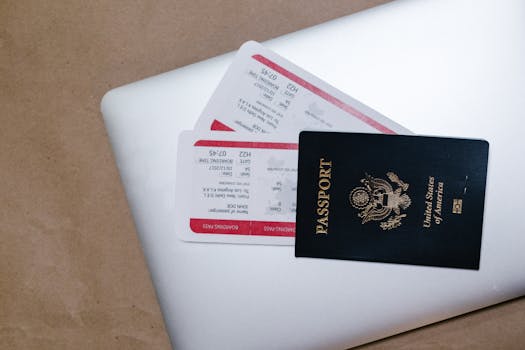
Close-up of a passport and boarding passes on a laptop, symbolizing travel preparation. Photo: RDNE Stock project / Pexels
Embarking on your first Canadian adventure begins long before you set foot on Canadian soil. The crucial first step involves meticulously understanding and preparing your entry requirements and essential documents. For many international visitors, an Electronic Travel Authorization (eTA) is mandatory if arriving by air. This small but significant detail often catches first-time travelers off guard. The eTA is not a visa, but an entry requirement for visa-exempt foreign nationals traveling to Canada by air. It’s an online application, typically approved within minutes, but it’s always wise to apply several weeks before your trip to avoid any last-minute stress or delays. Ensure you apply only through the official Government of Canada website to prevent scams. For travelers from countries that do require a visa, the process is more involved and requires careful planning. Visa applications can take several weeks or even months to process, so researching and submitting your application well in advance is paramount. Gather all necessary supporting documents, such as proof of funds, travel itinerary, and accommodation bookings, to strengthen your application. Your passport, of course, is your most vital document. Ensure it is valid for at least six months beyond your intended departure date from Canada. Some airlines or border services may deny boarding or entry if your passport is set to expire too soon. Beyond entry permits, consider other crucial documents. Travel insurance is not just recommended; it’s an absolute necessity. Canada’s healthcare system, while excellent, is not free for visitors, and medical emergencies can be incredibly expensive. A comprehensive travel insurance policy should cover medical emergencies, trip cancellation or interruption, lost luggage, and other unforeseen circumstances. Print out copies of all important documents – passport, eTA/visa, insurance policy, flight tickets, and hotel reservations – and keep them separate from the originals. Digital copies stored on your phone or in a cloud service are also smart backups. Familiarize yourself with Canadian customs regulations regarding what you can and cannot bring into the country, especially concerning food, alcohol, and tobacco, to avoid any issues upon arrival. Understanding these foundational elements of international travel planning will pave the way for a smooth and stress-free entry into Canada. Being prepared means you can focus on the excitement of your trip, rather than worrying about bureaucratic hurdles. Remember to declare any items as required to avoid penalties. Lastly, always keep a pen handy for any forms you might need to fill out upon arrival, although many processes are becoming digital, it's a good old-fashioned backup. Double-checking all documentation before departure is a golden rule for any international traveler, especially when visiting a new country like Canada.

Understanding Canadian Climate & Packing Essentials

Profile of a man in winter attire with obscured face outdoors. Photo: Nicolò Pais / Pexels
Canada's vast geographical expanse means that its climate varies dramatically from region to region and season to season. A common mistake first-time visitors make is underestimating this diversity. What might be warm and sunny in Vancouver in summer could be significantly cooler and rainier in Newfoundland, or even snowy in the Canadian Rockies. Therefore, understanding the specific climate of your chosen destination(s) for your travel dates is paramount to packing effectively. Generally, Canadian summers (June to August) are warm to hot, but evenings can be cool, especially in coastal or mountainous areas. Winters (December to February) are typically cold, often with heavy snowfall, particularly in central and eastern Canada, and the mountains. Spring and autumn offer milder temperatures but are known for their unpredictability, with sudden shifts between warm days and chilly, wet ones. Layering is the golden rule for packing for Canada. Instead of one heavy coat, consider several lighter layers that you can add or remove as the temperature changes throughout the day. This might include a base layer (like a long-sleeved shirt), a mid-layer (fleece or sweater), and an outer layer (a waterproof and windproof jacket). Even in summer, a light jacket or sweater is advisable for evenings. If you’re visiting during colder months, investing in proper winter gear – a warm, insulated, waterproof coat, thermal wear, waterproof boots with good grip, a hat, gloves, and a scarf – is non-negotiable. Trying to make do with insufficient winter clothing can genuinely detract from your experience and even pose health risks. Footwear is another critical consideration. Comfortable walking shoes are a must, especially if you plan to explore cities or national parks on foot. If you're venturing into more rugged terrain, hiking boots are essential. Always pack at least one pair of waterproof shoes, regardless of the season, as rain can occur unexpectedly. Don't forget essentials like sunscreen and insect repellent, particularly if you're spending time outdoors in the warmer months. Canadian summers, especially near lakes and forests, can be notorious for mosquitoes and black flies. A wide-brimmed hat and sunglasses are also valuable additions for sun protection. Finally, consider the type of activities you plan to undertake. If you’re hitting the ski slopes, you’ll need specialized gear. If you’re planning fine dining experiences, pack a smart casual outfit. A little research into your specific itinerary's activities and locations will greatly inform your packing list, ensuring you're comfortable and prepared for whatever Canadian weather throws your way. This thoughtful approach to packing will significantly enhance your seasonal travel experience.

Transportation & Connectivity: Getting Around Canada

Experience a scenic winter drive through the snow-covered mountains of Banff National Park, Alberta. Photo: Rob Sarte / Pexels
Given Canada's immense size, understanding its transportation network is crucial for efficient travel. Unlike some smaller European countries where train travel dominates, Canada's primary modes of inter-city transport for tourists are often air travel, long-distance buses, and personal vehicles. For covering vast distances between major cities like Toronto to Vancouver, flying is almost always the most practical and time-efficient option. Canada has several major airlines, including Air Canada and WestJet, offering extensive domestic routes. Booking domestic flights in advance can often yield better prices. Within cities, public transit systems are generally excellent, particularly in major urban centers like Toronto, Montreal, and Vancouver. Subways, buses, and streetcars (in Toronto) provide convenient and affordable ways to navigate. Consider purchasing a day pass or multi-day pass if you plan extensive use of public transport. For shorter distances or specific routes, ride-sharing apps like Uber and Lyft are also widely available. Taxis are another reliable option, though generally more expensive than public transit. For exploring specific regions or national parks, renting a car offers unparalleled flexibility and access to more remote areas. Canada boasts some of the most scenic drives in the world, such as the Icefields Parkway in Alberta or the Cabot Trail in Nova Scotia. If you plan to rent a car, ensure you have a valid driver's license (an International Driving Permit is recommended for non-English/French licenses) and understand Canadian driving laws, including speed limits (posted in km/h) and right-of-way rules. Be aware that during winter months, some rental companies may require or recommend winter tires, especially in snowy regions. Parking can be expensive in major city centers, so factor that into your budget. Connectivity is another vital aspect of modern travel. While Wi-Fi is widely available in hotels, cafes, and public libraries, having mobile data is incredibly useful for navigation, communication, and accessing information on the go. Consider purchasing a local SIM card from providers like Rogers, Bell, or Telus upon arrival, or check if your home network offers affordable international roaming packages. Many Canadian cities also offer free public Wi-Fi hotspots in specific areas. Before you arrive, download offline maps of your destinations using apps like Google Maps or Maps.me to ensure you can navigate even without an internet connection. This preparation for seamless transportation and communication will significantly enhance your ability to explore and enjoy Canada's diverse offerings. Always keep an eye on road signs, especially in rural areas, as wildlife crossings are common. Planning your routes, whether by air, road, or public transit, is key to maximizing your time and minimizing stress during your Canadian journey.

Canadian Etiquette & Local Customs for First-Timers

Close-up of two individuals in suits shaking hands, symbolizing business cooperation. Photo: Felicity Tai / Pexels
Understanding and respecting local customs and etiquette can significantly enhance your experience as a first-time visitor to Canada. Canadians are generally known for their politeness, friendliness, and a strong sense of community. A simple 'please' and 'thank you' go a long way, and holding doors open for others is a common courtesy. When greeting someone, a firm handshake is customary, and maintaining eye contact shows respect. While generally reserved, Canadians appreciate genuine warmth and engagement. One of the most important aspects of Canadian culture to grasp is the concept of tipping. In service industries such as restaurants, bars, and taxis, tipping is customary and expected. A standard tip for good service in a restaurant is typically 15-20% of the pre-tax bill. For exceptional service, you might tip more. For other services like hairdressers or hotel porters, a smaller gratuity is appreciated. Not tipping or tipping too little can be considered rude, as service staff often rely on tips as a significant portion of their income. Canada is officially bilingual, with English and French as its two official languages. While English is spoken across most of the country, French is the primary language in Quebec. If you're visiting Quebec, learning a few basic French phrases like 'Bonjour' (hello), 'Merci' (thank you), and 'S'il vous plaît' (please) will be greatly appreciated. Even a small effort to speak French shows respect for the local culture. In other parts of Canada, English is dominant, but you'll encounter a rich tapestry of other languages due to the country's multicultural nature. Canadians are generally respectful of personal space, so avoid standing too close during conversations. Punctuality is also valued, especially for appointments or dinner invitations. If you're invited to someone's home, it's customary to bring a small gift, such as a bottle of wine or flowers. When discussing potentially sensitive topics, Canadians tend to be more reserved and prefer indirect communication to avoid confrontation. Avoid overtly political or religious discussions with strangers. Public displays of affection are generally moderate and respectful. Lastly, Canada has a strong commitment to environmental protection. Be mindful of your waste, recycle when possible, and respect rules in national parks and natural areas, such as staying on marked trails and not feeding wildlife. Understanding these nuances of Canadian etiquette will not only make your interactions smoother but also contribute to a more authentic and enjoyable first-time visit. Embrace the politeness, respect the diversity, and you'll find Canadians to be incredibly welcoming hosts. This attentiveness to local customs will make your journey far more enriching.

Comparison

FeatureRental CarPublic TransitDomestic FlightsBus/Train
FlexibilityHighLowMediumMedium
Cost (Inter-city)HighLowHighMedium
Speed (Inter-city)MediumLowHighLow
Scenic Routes Access
Convenience in Cities

What Readers Say

"These travel tips for first-time visitors to Canada were a lifesaver! The advice on packing layers and understanding the eTA process saved me so much hassle. I felt completely prepared for my trip to Banff."

Sarah L. · London, UK

"As a first-timer, I was overwhelmed, but this guide broke down everything from visas to tipping. It made planning my Montreal and Quebec City adventure so much easier and more enjoyable."

Javier R. · Mexico City, Mexico

"The detailed section on Canadian climate and packing was spot on. I packed exactly what I needed for my summer trip to the Rockies, avoiding both overpacking and being unprepared for cool evenings."

Emily C. · Sydney, Australia

"Very comprehensive tips, especially regarding transportation. I wish there was a bit more on specific regional food recommendations, but overall, it was an incredibly helpful resource for my first Canadian visit."

David M. · Dublin, Ireland

"I used these tips to plan my parents' first trip to Canada, and they had an amazing time! The emphasis on travel insurance and local etiquette made them feel secure and respected throughout their journey."

Lena K. · Berlin, Germany

Frequently Asked Questions

What's the best time of year for first-time visitors to Canada?

The best time to visit Canada depends entirely on what you want to experience. Summer (June-August) is ideal for outdoor activities, national parks, and city exploration with warmer weather. Fall (September-October) offers stunning foliage, especially in Eastern Canada. Winter (December-February) is perfect for snow sports, while spring (April-May) sees thawing landscapes and fewer crowds. Research your desired activities to pick the perfect season.

Is Canada safe for tourists?

Yes, Canada is widely considered one of the safest countries in the world for tourists. Major cities are generally safe, but like anywhere, exercise common sense: be aware of your surroundings, especially at night, and safeguard your belongings. In natural areas, be mindful of wildlife and follow park guidelines for your safety.

How do I deal with currency and payments in Canada?

The official currency is the Canadian Dollar (CAD). Credit cards (Visa, MasterCard, American Express) are widely accepted everywhere, and debit cards are also common. It's advisable to carry some cash for smaller purchases or remote areas, but most transactions can be done electronically. ATMs are readily available in cities and towns.

What is the average cost for a first-time trip to Canada?

The cost of a trip to Canada varies significantly based on duration, travel style, and chosen destinations. Budget travelers might spend $100-150 CAD per day (including accommodation, food, and some activities), while mid-range travelers could expect $200-400+ CAD per day. Flights are often the biggest variable, so booking in advance helps manage costs.

Should I learn some French before visiting Canada?

While English is widely understood across most of Canada, learning some basic French phrases is highly recommended if you plan to visit Quebec, where French is the official language. In other provinces, English is predominant, but Canadians generally appreciate any effort to speak their other official language, especially in bilingual areas.

Who should use these travel tips for first-time visitors to Canada?

These travel tips are designed for anyone planning their inaugural journey to Canada, regardless of their origin country or travel style. Whether you're a solo adventurer, a family on vacation, or a couple seeking a romantic getaway, this guide provides foundational knowledge to ensure a smooth, enjoyable, and well-prepared first Canadian experience.

What should I do if I encounter wildlife?

If you encounter wildlife, especially large animals like bears, moose, or elk, it's crucial to keep a safe distance and never approach or feed them. Make noise to avoid surprising animals, carry bear spray in designated areas, and know how to react in an encounter (e.g., make yourself look big for black bears, play dead for grizzlies). Always follow local park rules and warnings.

Are there any specific cultural trends or customs I should be aware of?

Canadians are generally polite and value personal space. Tipping in service industries (15-20%) is customary. Politeness, punctuality, and respect for diversity are highly regarded. Avoid discussing controversial topics with strangers. Also, be aware of Canada's strong emphasis on environmental conservation, especially in national parks.

Armed with these essential travel tips for first-time visitors to Canada, you're now ready to plan an unforgettable adventure. From majestic mountains to vibrant cities, Canada awaits your exploration. Start preparing today and embark on a journey filled with incredible experiences and lasting memories.

Topics: travel tips for first time visitors to CanadaCanada travel guidevisiting Canada essentialsCanadian travel advicefirst trip to Canada
Leo List
Brampton weed
Adultwork