Train Travel Across Canada Cost: Your Ultimate Guide
train travel across Canada cost

Train Travel Across Canada Cost: Your Ultimate Guide

Unlock the secrets to budgeting and experiencing Canada's epic rail journey without breaking the bank.

Plan Your Journey

Key Takeaways

  • ✓ Trans-Canada train journeys can range from a few hundred to several thousand dollars, depending on class and season.
  • ✓ VIA Rail is the primary passenger train operator for cross-Canada routes.
  • ✓ Booking well in advance (3-12 months) can significantly reduce costs, especially for sleeper classes.
  • ✓ Shoulder seasons (spring/fall) often offer better value than peak summer travel.

How It Works

1
Define Your Route & Duration

Decide if you're going coast-to-coast (e.g., Vancouver to Halifax) or a shorter segment. This dictates the length of your journey and fundamental cost.

2
Choose Your Class of Service

VIA Rail offers Economy, Sleeper Plus, and Prestige classes. Each comes with varying levels of comfort, amenities, and, crucially, price points.

3
Select Your Travel Season

Peak summer months are most expensive, while shoulder seasons (spring/fall) and winter can offer significant savings. Consider weather impacts on scenery.

4
Book Strategically & Early

Fares fluctuate based on demand and availability. Booking as soon as your travel dates are firm, especially for popular routes and classes, is key to securing better prices.

Understanding VIA Rail's Pricing Structure
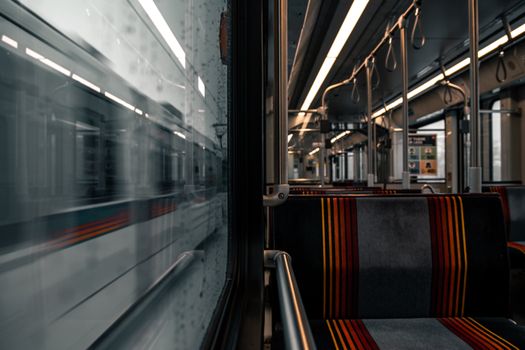
Empty seats and motion blur capture the essence of a modern subway train interior in transit. Photo: Colin Lloyd / Pexels
Embarking on a cross-Canada train journey is an iconic experience, offering unparalleled views of the country's diverse landscapes. However, understanding the train travel across Canada cost can seem daunting at first glance. The primary operator for intercity and transcontinental passenger rail in Canada is VIA Rail. Their pricing structure is dynamic, much like airline fares, and is influenced by several factors: the route, the class of service, the time of year, and how far in advance you book. VIA Rail categorizes its services into a few main tiers. 'Economy' is the most budget-friendly option, providing a comfortable seat, access to a shared washroom, and the ability to purchase food and beverages. This class is ideal for travellers who prioritize cost savings and are comfortable with a more basic travel experience. For longer journeys, especially overnight ones, 'Sleeper Plus' becomes a popular choice. This class offers private accommodations, ranging from berths (beds in a shared cabin) to private cabins for one, two, or even three people. Sleeper Plus fares typically include all meals, access to exclusive lounges, and often a more personalized service. The highest tier is 'Prestige Class,' available on select routes like 'The Canadian' (Toronto-Vancouver). Prestige offers spacious private cabins with a double bed, private shower and washroom, personalized concierge service, all-inclusive gourmet meals, and access to exclusive viewing cars. As you might expect, the jump in amenities from Economy to Prestige is significant, and so is the price. Seasonal demand plays a crucial role in pricing. Peak summer months (June to August) see the highest demand and, consequently, the highest fares. Shoulder seasons (April-May and September-October) often present a sweet spot, offering pleasant weather, fewer crowds, and more moderate prices. Winter travel (November to March) can be the most affordable, though some services might be reduced, and the weather can be challenging. Booking lead time is another critical factor. VIA Rail uses a tiered pricing system, meaning that as seats or cabins fill up, the price for the remaining ones increases. It's not uncommon for the cheapest fares to sell out months in advance, especially for popular routes and Sleeper Plus or Prestige accommodations. Therefore, planning and booking your trip as early as possible – ideally 6 to 12 months out for peak season or special accommodations – can lead to substantial savings on your train travel across Canada cost. Keep an eye out for VIA Rail's promotions and sales, which can offer discounts on specific routes or classes. Flexibility with your travel dates can also unlock better deals. For more tips on saving, check out our guide on budget travel in Canada.

Breaking Down the Cost: Routes, Classes, and Inclusions
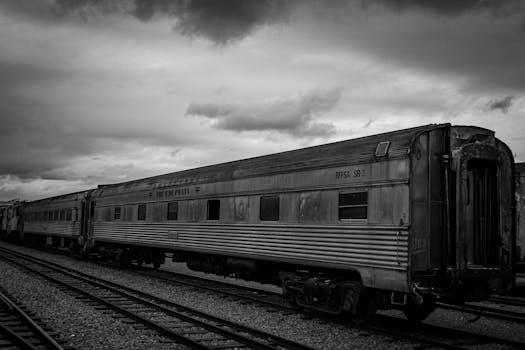
A timeless black and white image of a vintage train on the tracks under a cloudy sky. Photo: Alex Agrico / Pexels
To truly understand the train travel across Canada cost, let's delve into specific routes and what each class typically includes. The most iconic cross-Canada journey is 'The Canadian,' connecting Toronto and Vancouver. This epic four-day, four-night adventure showcases the diverse landscapes from the urban sprawl of Ontario to the majestic Canadian Rockies. For 'The Canadian' route: * **Economy Class:** A one-way ticket from Toronto to Vancouver in Economy can range from approximately CAD $500 to $1,000+. This includes your seat and access to the economy car. Food and beverages are extra and can add a significant amount to your overall budget, easily another $100-$200 for the full journey if you're not bringing your own snacks. * **Sleeper Plus Class:** This is where the costs begin to climb, but so does the value. A berth or cabin for one or two people on 'The Canadian' can range from CAD $1,500 to $5,000+ per person, one-way. This fare typically includes all meals (often gourmet, prepared fresh on board), access to the scenic dome cars, and comfortable sleeping arrangements. The cost varies significantly based on whether you choose an upper/lower berth, a cabin for one, a cabin for two, or a larger cabin. The convenience of having meals provided and a private space for sleeping often justifies the higher price for many travellers, making it a more relaxing and comprehensive experience. * **Prestige Class:** The pinnacle of luxury train travel in Canada. For 'The Canadian,' a Prestige Class ticket can start from CAD $6,000 to $12,000+ per person, one-way. This includes an expansive private cabin with an en-suite bathroom (including a shower), a double bed, personalized concierge service, all gourmet meals and alcoholic beverages, exclusive access to the Prestige Park Car, and priority boarding. It's an all-inclusive, premium experience designed for ultimate comfort and indulgence. Other popular routes, while shorter, also follow a similar pricing structure. For instance, the 'Ocean' route (Montreal to Halifax) or regional services in Quebec or Ontario will have lower overall costs due to shorter distances, but the per-kilometre cost can still vary based on class and booking time. For example, a one-way Sleeper Plus ticket on the 'Ocean' can range from CAD $500 to $1,500+. It's crucial to factor in not just the ticket price but also potential additional costs like meals (if in Economy), souvenirs, and any off-train excursions you might plan. While the initial train travel across Canada cost might seem high for Sleeper Plus or Prestige, remember that these often include accommodation, transportation, and meals, which would be separate expenses if you were to travel by other means and stay in hotels.

Strategies to Optimize Your Canadian Rail Journey Budget
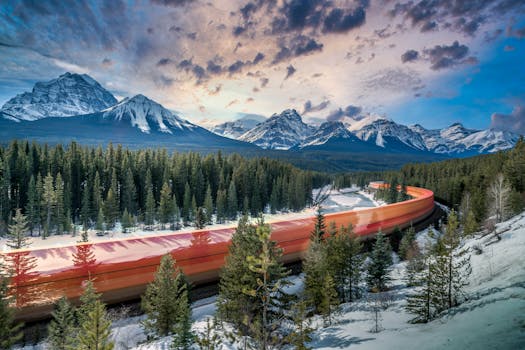
A red train speeds through a snowy forest with majestic mountains in the background. Photo: Adi K / Pexels
Navigating the train travel across Canada cost doesn't have to mean sacrificing the experience. With a few strategic approaches, you can significantly optimize your budget while still enjoying the breathtaking scenery and unique charm of rail travel. **1. Book Early, Always:** This cannot be stressed enough. VIA Rail's pricing is demand-driven. The moment your travel dates are firm, especially for Sleeper Plus or Prestige classes on popular routes like 'The Canadian' or 'Ocean,' book your tickets. Waiting until the last minute will almost guarantee you pay the highest fares or find no availability at all. Aim for 6-12 months in advance for peak season, and 3-6 months for shoulder or off-peak seasons. **2. Travel During Off-Peak Seasons:** As mentioned, summer is the most expensive time to travel. Consider spring (April-May) or fall (September-October) for a balance of pleasant weather and lower fares. Winter travel (November-March) often offers the lowest prices, and the snow-covered landscapes can be incredibly beautiful, though daylight hours are shorter. If you're flexible with your dates, exploring mid-week departures versus weekend ones can also yield savings. **3. Consider Economy for Shorter Segments:** If a full cross-country Sleeper Plus trip is out of budget, consider a hybrid approach. Travel shorter, scenic segments in Economy, and supplement with other forms of transportation for less scenic or longer, less critical stretches. For example, fly between major cities and take a train for a specific, breathtaking portion like through the Rockies. **4. Pack Your Own Food and Drinks (Economy Class):** If you're travelling in Economy, bringing your own snacks, sandwiches, and non-alcoholic beverages can save you a considerable amount. While there's a café car, prices can add up over a multi-day journey. For Sleeper Plus and Prestige, meals are included, so this tip is less relevant, but you might still want your favourite treats. **5. Look for Sales and Promotions:** VIA Rail frequently offers sales, especially during the off-season or for specific routes. Sign up for their newsletter, follow their social media, and check their website regularly for discounts. Sometimes, these sales can offer 20-30% off fares, which is substantial for a cross-Canada trip. **6. Explore Rail Passes:** For extensive travel or if you plan multiple train journeys within a specific period, VIA Rail sometimes offers passes (e.g., the Canrailpass). While not always cheaper than individual point-to-point tickets, they can offer flexibility and potential savings if used strategically. Always calculate if a pass truly offers better value for your specific itinerary. **7. Be Flexible with Accommodation Type:** Within Sleeper Plus, berths are generally more affordable than private cabins. If you're comfortable with a slightly less private sleeping arrangement, opting for a berth can reduce your train travel across Canada cost. For more on maximizing your travel budget, see our guide on affordable Canadian adventures.

Common Mistakes to Avoid When Budgeting for Train Travel
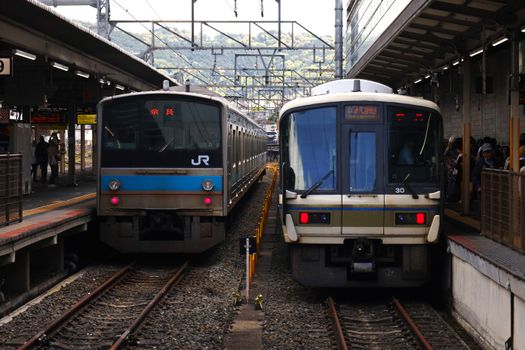
Commuter trains on the Nara Line at Kyoto Station, showcasing Japanese rail efficiency. Photo: Glen Zi 加侖子 / Pexels
While the allure of a Canadian train journey is undeniable, several common pitfalls can inflate your train travel across Canada cost if you're not careful. Being aware of these can help you plan a smoother, more budget-friendly adventure. **1. Underestimating Meal Costs in Economy:** A frequent mistake is assuming food prices on board will be similar to outside vendors. While not exorbitant, purchasing all your meals and snacks in the Economy class café car for a multi-day journey can easily add hundreds of dollars to your total. Plan to bring a cooler with your own provisions if you're in Economy to mitigate this. **2. Booking Too Late:** As discussed, waiting until the last minute is the quickest way to pay premium prices or miss out entirely on your preferred class or dates. This is especially true for popular summer routes and the limited Sleeper Plus or Prestige cabins. **3. Not Factoring in Off-Train Expenses:** Your train ticket is just one part of the equation. Remember to budget for: * **Accommodation before/after the train:** You'll likely need a hotel in your departure and arrival cities. * **Transportation to/from stations:** Taxis, ride-shares, or public transit. * **Excursions and activities:** Any tours or attractions you plan to visit in cities along your route or at your destination. * **Souvenirs and personal spending:** Don't forget your discretionary budget. **4. Ignoring Travel Insurance:** While not directly part of the ticket cost, travel insurance is a crucial expense, especially for a significant trip like a cross-Canada train journey. Delays, cancellations, lost luggage, or medical emergencies can quickly become far more expensive than the insurance premium. **5. Not Comparing All Options:** Don't just look at the most expensive or cheapest option. Compare the value proposition of Economy vs. Sleeper Plus. Sometimes, the added cost of Sleeper Plus, which includes meals and a bed, can be comparable to an Economy ticket plus separate hotel stays and restaurant meals, offering a better overall experience for a similar total outlay. **6. Overlooking Shoulder Seasons:** Many travelers automatically default to summer. However, the shoulder seasons (spring and fall) offer beautiful scenery, often milder weather, fewer crowds, and significantly lower fares, presenting excellent value. **7. Assuming All Routes Are the Same:** The cost and experience can vary greatly between 'The Canadian' (transcontinental), 'The Ocean' (eastern Canada), and regional routes. Research the specific route you're interested in to understand its unique offerings and pricing nuances. By avoiding these common mistakes, you can ensure your train travel across Canada cost aligns with your expectations and budget, leading to a more enjoyable and stress-free adventure.

Comparison

FeaturePrestige ClassSleeper Plus ClassEconomy Class
AccommodationPrivate Cabin (double bed, en-suite shower/WC)Berth or Private Cabin (single/double)Reclining Seat
Meals Included✓ (Gourmet, all beverages)✓ (Hot meals, non-alcoholic drinks)✗ (Purchase in Café Car)
Private Washroom/Shower✗ (Shared facilities, some cabins have private WC)✗ (Shared facilities)
Lounge Access✓ (Exclusive Prestige Park Car)✓ (Access to Park Car, Skyline Car)
Cost (Toronto-Vancouver)CAD $6,000 - $12,000+CAD $1,500 - $5,000+CAD $500 - $1,000+
Service LevelPersonalized ConciergeAttendant ServiceSelf-Service (Café Car)

What Readers Say

"We took 'The Canadian' in Sleeper Plus from Vancouver to Toronto. The train travel across Canada cost felt high initially, but with all meals included and the incredible views, it was worth every penny. We saved by booking 8 months in advance!"

Sarah J. · Vancouver, BC

"My wife and I splurged on Prestige Class from Toronto to Jasper, and the experience was truly unforgettable. The all-inclusive nature meant we didn't worry about extra costs, and the service was impeccable, justifying the train travel across Canada cost for a once-in-a-lifetime trip."

Mark T. · Montreal, QC

"I travelled Economy from Jasper to Vancouver and managed the train travel across Canada cost by bringing my own food. The scenery was still incredible, and it was a fantastic budget-friendly way to see the Rockies by rail."

Emily R. · Calgary, AB

"The 'Ocean' route from Montreal to Halifax in Sleeper Plus was a great experience, though the train was a bit delayed. The food was excellent, and the private cabin was comfortable, making the train travel across Canada cost reasonable for the convenience."

David L. · Halifax, NS

"As a solo traveler, the train travel across Canada cost for a berth in Sleeper Plus was surprisingly affordable when I booked during a fall sale. It was a unique way to meet other travelers and see parts of Canada I wouldn't have otherwise."

Jessica M. · Toronto, ON

Frequently Asked Questions

What is the average train travel across Canada cost for a full cross-country trip?

The average train travel across Canada cost for a full cross-country trip (e.g., Toronto to Vancouver) can range from approximately CAD $500-$1,000+ for Economy class, $1,500-$5,000+ for Sleeper Plus, and $6,000-$12,000+ for Prestige class, per person, one-way. These are estimates and depend heavily on booking time, season, and specific cabin choice.

Is train travel across Canada worth the cost compared to flying?

Train travel across Canada offers a fundamentally different experience than flying. While often more expensive and slower than air travel, it provides unparalleled scenic views, a relaxed pace, and a unique journey that includes accommodation and meals in higher classes. It's an experience in itself, not just transportation, making it worth the cost for those seeking a memorable adventure.

How can I reduce the train travel across Canada cost?

To reduce the train travel across Canada cost, book your tickets as far in advance as possible (6-12 months), travel during off-peak seasons (fall, winter, spring), consider Economy class for shorter segments, bring your own food and drinks if in Economy, and look out for VIA Rail's sales and promotions.

Are meals included in the train travel across Canada cost?

Meals are typically included in the train travel across Canada cost for Sleeper Plus and Prestige Class tickets on long-distance routes like 'The Canadian' and 'Ocean.' For Economy class, meals and beverages are not included and must be purchased separately in the onboard café car.

How does the train travel across Canada cost compare to a road trip?

Comparing train travel across Canada cost to a road trip is complex. A road trip involves costs for car rental/fuel, accommodation, and food, which can be flexible. Train travel offers a fixed, often higher upfront cost (especially for sleeper classes) but includes transportation, views, and often accommodation/meals, eliminating many variable expenses of a road trip. The train offers relaxation and observation, while a road trip offers flexibility and stops.

Who should consider train travel across Canada despite the cost?

Train travel across Canada is ideal for those who prioritize the journey itself, seek breathtaking scenic views, desire a relaxed and comfortable travel pace, and wish to experience Canada's vastness without the stresses of driving or frequent airport hassles. It's perfect for romantic getaways, celebratory trips, or anyone wanting a unique, immersive travel experience.

What if my train is delayed? Does VIA Rail compensate for the train travel across Canada cost?

VIA Rail has a compensation policy for significant delays or cancellations. The specific compensation (e.g., vouchers, partial refunds) depends on the length and cause of the delay. It's advisable to review their official policy before your trip and consider travel insurance for broader coverage.

Will the train travel across Canada cost increase in the future?

Like most travel services, the train travel across Canada cost is subject to inflation, fuel price fluctuations, and demand. It's reasonable to expect gradual increases over time. Booking early remains the best strategy to lock in current prices and potentially avoid future price hikes.

Ready to embark on an unforgettable adventure? Understanding the nuances of train travel across Canada cost is your first step. Start planning your epic Canadian rail journey today to secure the best fares and experience the magic of Canada by train.

Topics: train travel across Canada costVIA Rail Canada pricestrans-Canada train budgetCanadian rail journey costcross-country train fares
Leo List

IE Escorts NO Escorts US Escorts NZ Escorts AU Escorts
Brampton weed
Adultwork EstrelaBet Vai de Bet R7 Bet Betão Galera Bet Rainbet Bet9ja Shop SportyBet BetKing Sisal Loto Foot Hollywoodbets YesPlay Odibets RushBet Jugabet BetWarrior BetCity MSport betPawa Fortebet