Solo Female Travel Canada Safety: Your Ultimate Guide
solo female travel Canada safety

Solo Female Travel Canada Safety: Your Ultimate Guide

Empower your Canadian solo adventure with comprehensive safety strategies and destination insights.

Plan Your Safe Journey

Key Takeaways

  • ✓ Canada is consistently ranked among the safest countries globally for solo travelers.
  • ✓ Major cities and popular tourist areas generally have very low crime rates.
  • ✓ Wilderness travel requires specific safety precautions, including bear awareness.
  • ✓ Public transportation in urban centers is generally safe and reliable.
  • ✓ Emergency services (911) are universally accessible across Canada.

How It Works

1
Research Your Destination Thoroughly

Before booking, investigate specific regions, cities, or trails you plan to visit. Understand local customs, transportation options, and any area-specific safety advisories.

2
Develop a Detailed Itinerary

Share your travel plan with a trusted friend or family member, including flight details, accommodation, and planned activities. Update them regularly on your whereabouts.

3
Pack Smart and Stay Connected

Bring essential safety items like a first-aid kit, power bank, and satellite communication device for remote areas. Ensure your phone is charged and you have local emergency numbers programmed.

4
Prioritize Personal Awareness and Preparedness

Always be mindful of your surroundings, trust your instincts, and avoid risky situations. Be prepared for unexpected weather changes, especially when exploring Canada's diverse landscapes.

Understanding the Landscape of Solo Female Travel Canada Safety

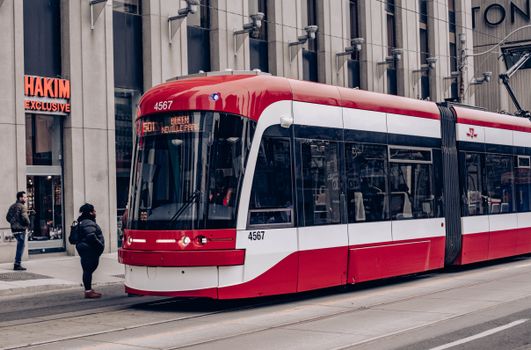
Capture of Toronto's urban street with the historic Old City Hall clock tower. Photo: Patrick Leung / Pexels
Canada, a vast and diverse nation known for its breathtaking natural beauty and vibrant cities, consistently ranks as one of the safest countries in the world. This makes it an incredibly appealing destination for solo female travelers seeking adventure, cultural immersion, or peaceful solitude. However, 'safe' doesn't mean 'risk-free,' and understanding the nuances of solo female travel Canada safety is paramount to ensuring a truly enjoyable and secure experience. While violent crime rates are generally low, especially against tourists, vigilance and preparedness are always your best allies. Urban centers like Toronto, Vancouver, and Montreal are cosmopolitan hubs with excellent infrastructure, including reliable public transport and well-lit streets, making them generally safe for exploring alone. However, like any major city globally, petty crime such as pickpocketing can occur in crowded tourist areas, so keeping valuables secure and being aware of your surroundings is always advised. When venturing into Canada's immense wilderness – from the Rocky Mountains to the East Coast trails – the safety considerations shift from urban-centric concerns to environmental ones. Wildlife encounters (bears, moose, coyotes), rapidly changing weather conditions, and remote locations with limited cell service become the primary challenges. Therefore, meticulous planning, understanding trail conditions, and carrying appropriate gear are crucial. It's also vital to communicate your itinerary with someone reliable, even for day hikes. Canada's cultural landscape is also very welcoming and generally respectful. Canadians are known for their politeness, and you'll often find strangers willing to offer help or directions. However, it’s always wise to exercise caution when interacting with new people, maintaining personal boundaries, and never sharing excessive personal information. Accommodation options are varied and generally safe, ranging from reputable hotel chains to well-reviewed Airbnb properties and hostels. When choosing accommodation, prioritize locations with good reviews regarding safety and accessibility, especially if arriving late at night. Look for properties with secure entry systems and consider women-only dorms in hostels if that makes you feel more comfortable. Finally, understanding local laws and emergency services is non-negotiable. Dialing 911 connects you to police, fire, and ambulance services across the country. Knowing the non-emergency police number for the specific region you're in can also be helpful. By combining Canada's inherent safety with proactive, informed decision-making, solo female travelers can confidently embark on an unforgettable journey. For more general advice on navigating new places, check out our guide on smart travel practices.

Essential Planning for a Secure Solo Canadian Adventure

Traveler studying a map for directions, symbolizing exploration and adventure. Photo: Porapak Apichodilok / Pexels
Thorough planning is the bedrock of a safe solo female travel Canada experience. It begins long before you pack your bags, starting with comprehensive research. Identify your desired destinations and delve into specifics: what are the local public transport options like? Are there areas to avoid, especially at night? What are the common scams, if any, in that region? Websites like local tourism boards, government travel advisories, and solo female travel forums can provide invaluable, up-to-date information. Next, crafting a detailed itinerary is not just for organization; it's a critical safety measure. Outline your daily plans, including where you'll be staying, what activities you'll be doing, and how you'll get from point A to B. Share this itinerary with at least one trusted person back home and make a commitment to check in with them regularly. This creates a safety net, ensuring someone knows your general whereabouts. Consider using apps like Google Maps' location sharing or similar services. Accommodation selection plays a significant role in your safety. Opt for reputable hotels, guesthouses, or hostels with strong security features and positive reviews from other solo female travelers. Look for places in well-trafficked, well-lit areas. If using Airbnb, check the host's reviews thoroughly and ensure the property has adequate locks and safety measures. Don't hesitate to contact the host with specific safety questions before booking. When it comes to transportation, Canada offers various options. Inter-city buses (like Greyhound or Rider Express) and trains (Via Rail) are generally safe and reliable for long distances. Within cities, public transit systems are efficient and safe during the day, though exercising extra caution late at night is advisable. Taxis and ride-sharing services (Uber, Lyft) are widely available in urban areas; always ensure you're getting into the correct vehicle by verifying the driver and license plate. For remote areas, renting a car might be necessary, but ensure you have roadside assistance and a reliable vehicle. Communication is another vital aspect of preparedness. Ensure your phone is unlocked and you can purchase a local SIM card upon arrival, or have an international roaming plan. A portable power bank is essential to keep your phone charged, especially during long days of exploring. For backcountry excursions, consider renting or buying a satellite messenger or personal locator beacon (PLB) as cell service is often non-existent. Finally, prepare for the unexpected. Purchase comprehensive travel insurance that covers medical emergencies, trip cancellations, and lost luggage. Have copies of important documents (passport, visa, insurance) stored securely online and in a separate physical location from the originals. Being prepared for various scenarios will significantly enhance your peace of mind and overall safety during your solo Canadian adventure.

Navigating Canada's Diverse Regions as a Solo Female Traveler

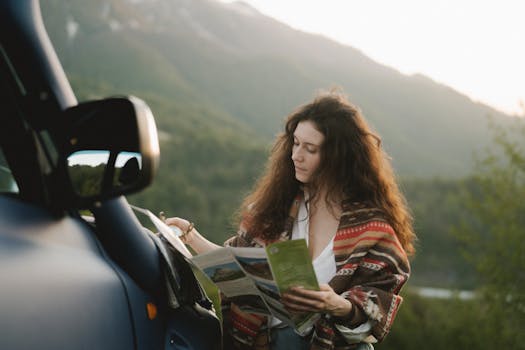
A woman in a white t-shirt stands by a mountain lake, enjoying the serene view. Photo: Line Knipst / Pexels
Canada's vastness means that safety considerations can vary significantly from one region to another, making it crucial for solo female travelers to adapt their approach. In the bustling metropolises of Ontario and Quebec, such as Toronto, Montreal, and Ottawa, the primary concerns are often related to urban awareness. These cities offer a rich tapestry of culture, dining, and nightlife. Public transportation is extensive and generally safe, but being aware of your surroundings, especially after dark or in less crowded areas, is key. Stick to well-lit, populated streets and avoid walking alone late at night if possible. Utilizing taxis or ride-sharing services for late-night returns is a wise precaution. These cities are also very walkable and have a strong police presence. On the West Coast, Vancouver and Victoria in British Columbia offer a unique blend of urban sophistication and access to stunning natural landscapes. The urban areas are similarly safe, with common-sense precautions applying. However, as you venture into the natural parks and mountains of BC, such as Banff or Jasper (though technically in Alberta, they are part of the Canadian Rockies), the focus shifts to wilderness safety. This includes preparing for wildlife encounters (especially bears and cougars), understanding trail conditions, carrying appropriate gear, and informing someone of your hiking plans. Always check Parks Canada advisories for trail closures or animal warnings. The Prairies (Alberta, Saskatchewan, Manitoba) offer vast open spaces and charming smaller cities like Calgary and Edmonton. While crime rates are low, long distances between towns mean careful planning for road trips, ensuring your vehicle is in good condition and you have emergency supplies. The Atlantic provinces (Nova Scotia, New Brunswick, Prince Edward Island, Newfoundland and Labrador) are renowned for their friendly communities and stunning coastal scenery. These regions generally boast very low crime rates, and solo female travelers often feel an exceptional sense of security. However, remote coastal areas can have unpredictable weather, and some smaller communities may have limited services, so self-sufficiency and checking local conditions are important. Finally, the Canadian North (Yukon, Northwest Territories, Nunavut) presents the most unique challenges and rewards. This is truly an adventure for the prepared. Extreme weather, vast distances, and limited infrastructure mean that guided tours, robust emergency planning, and respect for the environment and Indigenous cultures are paramount. Cell service is often non-existent outside of major communities. Regardless of the region, always trust your instincts. If a situation or person feels off, remove yourself. Being assertive and confident in your decisions can deter potential issues. For specific regional safety tips and cultural nuances, exploring local tourism websites like Destination Canada can provide tailored advice, enhancing your solo female travel Canada safety.

Top Tips and Common Mistakes for Solo Female Travelers in Canada

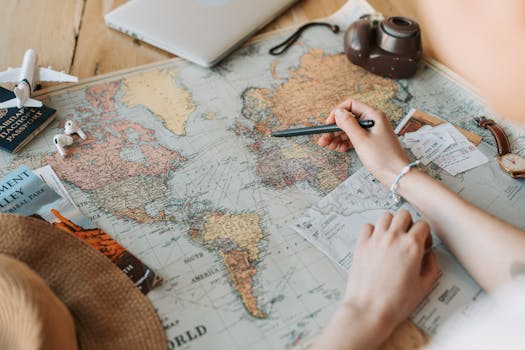
From behind anonymous person examining antique world map printed on large paper in blue colors in dark room Photo: Gül Işık / Pexels
Ensuring solo female travel Canada safety goes beyond just knowing which areas are generally safe; it involves adopting proactive habits and avoiding common pitfalls. Here are some top tips and mistakes to steer clear of: **Top Tips for Solo Female Travelers in Canada:** * **Embrace Local Knowledge:** Talk to locals, hostel staff, or tourist information centers for real-time safety advice and recommendations. They can often tell you about areas to avoid or specific local customs. * **Stay Connected (But Not Glued):** While it's important to be present, having a charged phone, a power bank, and a means of communication (local SIM or international plan) is non-negotiable for emergencies and navigation. Consider a satellite messenger for truly remote areas. * **Blend In:** While it's okay to be a tourist, try not to draw excessive attention to yourself. Dress appropriately for the local culture and weather, and avoid openly displaying expensive electronics or large amounts of cash. * **Trust Your Gut:** Your intuition is a powerful safety tool. If a situation, person, or area feels unsafe, remove yourself immediately. Don't worry about being polite. * **Secure Your Belongings:** Use anti-theft bags, lock your luggage, and never leave valuables unattended, especially in public spaces or on public transport. * **Learn Basic Self-Defense:** Even a basic understanding of self-defense techniques can boost your confidence and provide practical skills in an unlikely emergency. * **Stay Hydrated and Fed:** Dehydration and low blood sugar can impair judgment. Keep snacks and water on hand, especially during long days of exploring or hiking. * **Inform Someone of Your Plans:** Always tell a trusted friend or family member your daily itinerary, including accommodation details and planned activities. **Common Mistakes to Avoid:** * **Over-sharing on Social Media in Real-Time:** While exciting, posting your exact location or real-time travel plans can make you vulnerable. Share updates after you've moved on. * **Ignoring Weather Warnings:** Canadian weather can be unpredictable and extreme. Failing to check forecasts and prepare for rapid changes can lead to dangerous situations, especially in wilderness areas. * **Underestimating Distances:** Canada is vast. What looks like a short hop on a map can be hours of driving or travel. Plan travel times realistically and account for potential delays. * **Being Overly Trusting:** While Canadians are generally friendly, it's wise to maintain a healthy level of caution with strangers. Avoid accepting rides from unknown individuals or going to secluded places with new acquaintances. * **Not Having Back-up Funds:** Always have an emergency credit card or a small amount of cash stored separately from your main wallet. This can be a lifesaver if your primary payment methods are lost or stolen. * **Hiking Alone Without Preparation:** For wilderness trails, never hike alone without proper gear, informing someone of your route, and understanding potential wildlife encounters. Consider joining guided tours or finding a hiking buddy. * **Forgetting Travel Insurance:** Medical emergencies or unforeseen circumstances can be incredibly expensive without comprehensive travel insurance. Don't skip this vital safety net. By being mindful of these tips and avoiding common mistakes, you'll significantly enhance your solo female travel Canada safety and enjoy a more secure and fulfilling adventure.

Comparison

FeatureBest OptionAlternative 1Alternative 2
Accommodation SafetyReputable Hotels/Hostels (Good Reviews)Well-vetted Airbnb/VRBOWomen-only dorms
Urban TransportPublic Transit (Day), Ride-Share (Night)TaxisWalking (well-lit areas)
Wilderness CommunicationSatellite Messenger/PLBOffline Maps/GPSInforming a contact
Emergency PreparednessTravel Insurance, Copies of DocsFirst-aid kitLocal emergency contacts

What Readers Say

"My solo trip through Eastern Canada was incredibly safe and welcoming. I felt completely comfortable exploring Montreal and Halifax on my own, even at night. Canadians are genuinely helpful, which really boosted my solo female travel Canada safety confidence."

Sarah J. · London, UK

"I hiked extensively in the Canadian Rockies solo, and with proper planning, it felt very secure. Always carried bear spray and told friends my route, but the trails were well-maintained and other hikers were friendly. Canada is fantastic for solo female adventurers."

Emily R. · Sydney, Australia

"As a solo female traveler in Vancouver, I used public transport everywhere and never felt unsafe. The city is clean, people are polite, and there's a strong sense of community. My solo female travel Canada safety experience was exceptional, exceeding expectations."

Chloé D. · Paris, France

"While overall very safe, I did find some areas of Toronto a bit less comfortable at night. Sticking to main streets and using ride-sharing for late returns made a big difference. With a bit of awareness, solo female travel Canada safety is definitely achievable and rewarding."

Maria S. · Berlin, Germany

"From city exploration to wilderness camping, Canada provided an amazing and secure solo experience. I always had a backup plan and shared my itinerary, which made me feel empowered. This country truly champions solo female travel Canada safety."

Jessica L. · New York, USA

Frequently Asked Questions

Is Canada truly safe for solo female travelers?

Yes, Canada is widely considered one of the safest countries in the world for solo female travelers. While no place is entirely risk-free, violent crime rates are low, and common-sense precautions, combined with thorough planning, significantly reduce any potential risks. Most travelers report feeling very secure and welcomed.

What are the biggest safety concerns for solo female travelers in Canada?

The biggest concerns vary by region. In urban areas, it's typically petty crime (like pickpocketing) and being aware of your surroundings, especially at night. In wilderness areas, concerns shift to wildlife encounters (bears), extreme weather, and getting lost due to limited cell service. Proper preparation addresses most of these.

How can I stay safe when using public transportation alone in Canadian cities?

Public transportation in major Canadian cities is generally safe and reliable. To enhance your safety, travel during daylight hours or peak times, avoid empty cars late at night, keep valuables out of sight, and stay aware of your surroundings. If uncomfortable, opt for a registered taxi or ride-share service.

What is the typical cost for a safe solo female travel experience in Canada?

The cost varies greatly depending on your travel style, duration, and chosen regions. Budget travelers can expect to spend CAD 70-150 per day (hostels, cooking meals, public transport), while mid-range travelers might spend CAD 150-300 (mid-range hotels, dining out, some tours). Prioritizing safety often means choosing well-reviewed accommodations, which might slightly increase costs but is a worthwhile investment.

How does solo female travel Canada safety compare to other popular solo travel destinations?

Canada consistently ranks very high in global safety indices, often surpassing many European and Oceanic countries. Its low crime rates, stable political environment, and friendly populace make it an exceptionally secure option compared to many other popular solo travel destinations, especially for those seeking nature and outdoor adventures.

Who should consider solo female travel in Canada?

Solo female travel in Canada is ideal for women seeking a blend of outdoor adventure, vibrant city experiences, and cultural immersion in a safe and welcoming environment. It's particularly suited for those who appreciate nature, value independence, and are prepared to plan thoughtfully for their journey.

Are there specific areas in Canada that are less safe for solo female travelers?

While Canada is generally safe, like any country, some areas may require more caution. Remote, isolated regions can pose environmental risks (wildlife, weather). In cities, certain neighborhoods might have higher crime rates, but these are typically not tourist-heavy areas. Researching specific locations before arrival is always recommended.

What are the emerging trends in solo female travel Canada safety?

Emerging trends include increased use of personal safety apps and GPS trackers, a rise in women-only tours and accommodation options, and greater emphasis on sustainable and responsible travel practices that often align with community safety. Digital nomad-friendly cities are also seeing more solo female travelers seeking longer stays.

Embark on your Canadian solo adventure with confidence and peace of mind. By applying these comprehensive solo female travel Canada safety tips, you're not just planning a trip; you're crafting an unforgettable, secure, and empowering experience. Start your journey today!

Topics: solo female travel Canada safetyCanada travel tips womensafe Canadian destinationssolo travel planning Canadafemale adventurer Canada
Leo List
Brampton weed
Adultwork