
Mastering Seasonal Car Rental Price Trends in CA
seasonal car rental price trends

Mastering Seasonal Car Rental Price Trends in CA

Dramatic mountain highway view in Canadian Rockies, surrounded by lush forests.Photo: Ali Kazal / Pexels

Mastering Seasonal Car Rental Price Trends in CA

Navigate the ebb and flow of car rental costs across Canada to secure the best deals for your next adventure.

Find Your Best Deal

Key Takeaways

  • ✓ Peak seasons (summer, holidays) see prices surge by 30-50% or more due to demand.
  • ✓ Booking 2-3 months in advance during peak times can yield significant savings.
  • ✓ Off-peak seasons (late fall, early spring) offer the lowest rates and best availability.
  • ✓ Location-specific events and festivals can create localized price spikes even in off-peak months.

How It Works

1
Identify Travel Seasonality

Understand if your travel dates fall into peak, shoulder, or off-peak seasons in your desired Canadian region. This is the first step to predicting price fluctuations.

2
Monitor Price Fluctuations

Utilize price tracking tools and set alerts for your specific travel dates and locations. This allows you to observe trends and identify optimal booking windows.

3
Book Strategically

Based on the identified trends, book your rental car during periods of lower demand or when promotional offers are available. Flexibility often leads to better deals.

4
Consider Alternative Options

Explore options like off-airport locations, smaller rental companies, or different vehicle classes. These alternatives can sometimes circumvent peak pricing pressures.

Understanding the Dynamics of Car Rental Pricing in Canada

Dramatic mountain highway view in Canadian Rockies, surrounded by lush forests.Photo: Ali Kazal / Pexels
Car rental pricing in Canada, much like other travel-related services, is a complex dance influenced by a myriad of factors. At its core, the principle of supply and demand dictates the ebb and flow of costs. When demand is high and supply is limited, prices naturally escalate. Conversely, when demand wanes and there's an abundance of vehicles, rates tend to drop. However, this fundamental economic principle is further nuanced by several critical elements specific to the Canadian market, making understanding seasonal car rental price trends an art as much as a science. Firstly, geographical diversity plays a colossal role. Canada is a vast country, and what constitutes a 'peak season' in Vancouver might be an 'off-peak' period in Halifax. For instance, the summer months (June to August) are universally recognized as peak tourist season across most of Canada, driving up car rental prices in popular destinations like the Rockies, coastal British Columbia, and major cities like Toronto and Montreal. During this time, families are on vacation, international tourists flock to scenic spots, and major events are often scheduled, all contributing to heightened demand. Conversely, the ski season in destinations like Whistler or Banff will see localized price surges for SUVs and vehicles equipped for winter conditions, even if it's considered off-peak in other, non-skiing regions. Secondly, major holidays and long weekends exert immense pressure on car rental inventories. Think Victoria Day, Canada Day, Labour Day, Thanksgiving, Christmas, and Easter. These periods are characterized by a sudden, concentrated surge in domestic travel, as Canadians take advantage of extended breaks. Rental car companies anticipate this surge and adjust their pricing algorithms accordingly, often implementing premium rates weeks or even months in advance. Booking during these times without foresight can lead to exorbitant costs or, worse, complete unavailability of vehicles. Thirdly, fleet management strategies by rental companies significantly impact pricing. Companies continuously balance their fleet size with anticipated demand. If a company overestimates demand and has too many cars, they might lower prices to move inventory. If they underestimate, prices will skyrocket. This dynamic is especially pronounced during shoulder seasons when companies are adjusting their fleet for the upcoming peak or off-peak periods. Furthermore, maintenance schedules and vehicle depreciation also factor into how companies price their rentals throughout the year. Economic factors, such as fuel prices, inflation, and the overall health of the tourism industry, also cast a long shadow over car rental costs. When fuel prices are high, rental companies might subtly adjust their base rates to absorb some of these increased operational costs. Similarly, general inflation can lead to higher overall prices. The post-pandemic travel boom, for example, saw unprecedented spikes in rental car prices due to reduced fleets during lockdowns and a subsequent surge in demand. Understanding these underlying mechanisms is crucial for any traveler aiming to navigate the market shrewdly and secure the best possible deal. It allows for proactive planning rather than reactive booking, giving you an edge in an often-competitive market. By analyzing these factors, you can better predict when prices will be high or low, giving you a distinct advantage in your travel planning. Exploring general travel planning tips can further enhance your strategic approach to securing favorable rates.

Peak vs. Off-Peak: Navigating Canada's Rental Seasons

Beautiful fall scenery with waterfall and colorful trees in Ottawa, Canada. Perfect for nature lovers.Photo: Jeffrey Eisen / Pexels
Deciphering the distinct characteristics of Canada's peak, shoulder, and off-peak seasons is paramount to mastering seasonal car rental price trends. Each period presents unique challenges and opportunities for travelers looking to rent a car. Understanding these cycles allows for strategic planning, potentially saving hundreds of dollars and ensuring vehicle availability, especially in popular tourist regions. **Peak Season (Generally June to August, major holidays, and specific regional events):** This is when car rental prices in Canada reach their zenith. During these months, the weather is typically at its best across most of the country, making it ideal for road trips, camping, and exploring national parks. Major cities also host numerous festivals and events, drawing large crowds. Demand for rental cars surges from both domestic and international tourists. Consequently, rental companies operate with maximum fleet utilization, and discounts are rare. Prices can be 30-50% higher than off-peak rates, and popular vehicle types (SUVs, minivans) may sell out completely if not booked well in advance. Booking 2-3 months ahead is not just recommended; it's often essential to secure a vehicle at a somewhat reasonable price and ensure availability, particularly in high-demand areas like Banff, Vancouver, or the Maritimes. Spontaneous bookings during peak season are likely to result in limited choices and premium pricing. **Shoulder Season (May, September, early October):** These months represent a sweet spot for many travelers. The weather is often still pleasant, crowds are thinner than in peak summer, and crucially, car rental prices begin to moderate. In May, as the last vestiges of winter recede and before the summer rush, you can often find good deals. September and early October, particularly after Labour Day, offer stunning fall foliage in many regions and significantly reduced demand compared to summer. Prices during shoulder season can be 10-25% lower than peak rates, and there's generally better availability of vehicle types. This is an ideal time for travelers who have some flexibility and want to experience Canada's beauty without the peak season crowds and costs. However, be mindful of localized events, such as fall festivals or specific long weekends, which can still cause temporary price spikes in those areas. **Off-Peak Season (Late October to April, excluding holiday periods):** This is typically when you'll find the lowest car rental prices in Canada. With colder temperatures and fewer tourists, demand plummets across most of the country. Rental companies often offer significant discounts to keep their fleets active. Prices can be 40-60% lower than peak summer rates. This period is perfect for budget-conscious travelers, those visiting for business, or individuals exploring urban centers where winter conditions are manageable. However, there are caveats: certain regions, like ski resorts, will experience their own localized peak seasons during winter. Additionally, some smaller rental agencies or specific vehicle types might have reduced availability, especially in very remote areas. Winter tires are often mandatory or highly recommended in many parts of Canada during these months, and some rental companies may charge extra for them. Despite these considerations, the off-peak season unequivocally offers the best value for car rentals if your travel plans align with the colder months. Understanding these seasonal variations is the cornerstone of making informed decisions and maximizing your travel budget.

Our partners at Rental Car offer related services.

Strategies to Optimize Your Rental Car Booking: Beyond Seasonality

Young woman in car with map, ready for road adventure.Photo: MART PRODUCTION / Pexels
While understanding seasonal car rental price trends is foundational, savvy travelers employ a range of additional strategies to optimize their bookings and secure the best possible rates in Canada. These tactics go beyond simply knowing when to travel and delve into the 'how' and 'where' of booking, ensuring you’re not leaving money on the table. **1. Book Early, But Recheck Often:** This is perhaps the most crucial strategy, especially for peak seasons and popular destinations. Booking 2-3 months in advance during high demand periods can lock in a lower rate before prices surge. However, the market is dynamic. Rental car companies frequently adjust prices based on real-time demand, cancellations, and competitive offers. Therefore, it's wise to recheck prices periodically, even after booking. Many rental companies offer free cancellation, allowing you to rebook at a lower rate if one becomes available. Use price tracking tools that alert you to drops for your specific dates and locations. **2. Be Flexible with Dates and Locations:** Even shifting your travel by a day or two can sometimes lead to significant savings. Weekday rentals are often cheaper than weekend rentals, and picking up on a Tuesday morning versus a Friday afternoon can make a noticeable difference. Similarly, consider off-airport locations. While convenient, airport surcharges and fees can inflate the cost of an airport pickup by 10-20%. Research rental agencies in nearby urban areas; a short taxi or public transport ride could save you a substantial amount. **3. Compare Across Multiple Platforms:** Don't rely on a single rental company or booking site. Use aggregators (like Kayak, Skyscanner, Expedia, Rentalcars.com) to get a broad overview of prices across major and smaller rental companies. Then, check the rental company's direct website. Sometimes, companies offer exclusive deals or loyalty program benefits only available through their own channels. Also, explore local Canadian rental companies; they might offer competitive rates, especially outside major urban centers. **4. Leverage Discounts and Memberships:** Many organizations, such as CAA/AAA, AARP, Costco, and even certain credit card companies, offer discounts on car rentals. Always inquire about these or enter your membership details during the booking process. Corporate discount codes, if you're eligible, can also provide substantial savings. Furthermore, signing up for rental company loyalty programs, even if you don't rent frequently, can sometimes grant access to member-only deals or faster service. **5. Choose the Right Vehicle Class:** Resist the urge to automatically book the largest SUV if you don't genuinely need it. Smaller, more fuel-efficient cars are generally cheaper to rent and operate. Assess your needs realistically: how many passengers, how much luggage, and what type of terrain will you be covering? Upgrades are often offered at the counter, but these are typically more expensive than booking the desired class initially. **6. Understand Insurance Options:** Car rental insurance can significantly add to your total cost. Before you book, check if your personal car insurance policy, travel insurance, or credit card provides rental car coverage. Many premium credit cards offer comprehensive collision damage waiver (CDW) coverage as a benefit. If you are adequately covered, you can decline the rental company's often expensive insurance options, but be absolutely sure of your coverage before doing so. Understanding travel insurance options is critical for this decision. **7. Watch Out for Hidden Fees:** Be diligent about understanding the total cost. Common hidden fees include additional driver fees, young driver surcharges (for those under 25), one-way rental fees, GPS rental, child seat rental, and fuel charges. If you return the car with less fuel than when you picked it up, the rental company's refueling service is almost always more expensive than filling it up yourself. Clarify all potential extra costs upfront to avoid surprises. By combining these strategies with a solid understanding of seasonal car rental price trends, you can become a true master of affordable car rentals in Canada.

Common Mistakes to Avoid When Renting a Car in Canada
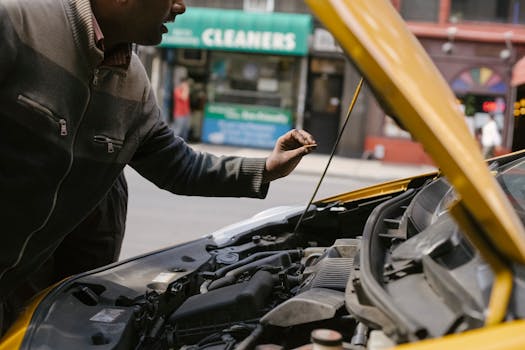
Side view of crop ethnic male repairing motor in broken auto parked on city streetPhoto: Tim Samuel / Pexels
Even with a keen understanding of seasonal car rental price trends, travelers can inadvertently fall into common traps that inflate their overall costs or lead to unexpected complications. Avoiding these pitfalls is just as crucial as seeking out the best deals. Here are some of the most frequent mistakes and how to sidestep them: * **Not Reading the Rental Agreement Thoroughly:** This is arguably the biggest mistake. The rental agreement contains crucial information about mileage limits, fuel policies, insurance terms, late return fees, and permitted drivers. Skimming it can lead to costly surprises. Always take the time to read and understand what you're agreeing to. * **Ignoring Pre-Rental Vehicle Inspection:** Before driving off the lot, meticulously inspect the vehicle for any existing damage – dents, scratches, cracked windshields, tire wear, and even interior damage. Take photos or videos as proof. Report any discrepancies to the rental agent immediately and ensure they are noted on your rental agreement. This prevents you from being charged for pre-existing damage. * **Overpaying for Insurance:** As discussed, many personal car insurance policies, travel insurance plans, or credit cards offer rental car coverage. Assuming you need the rental company's full coverage without checking your existing policies is a common and expensive mistake. Verify your coverage beforehand and only purchase what's necessary. * **Forgetting About One-Way Fees:** If you plan to pick up a car in one city and drop it off in another, be prepared for significant one-way fees. These can sometimes be more expensive than the rental itself. While sometimes unavoidable, always factor them into your budget. Occasionally, companies might waive these fees during specific promotions or for certain routes where they need to reposition vehicles. * **Not Considering Fuel Policy:** Most rental agreements require you to return the car with a full tank. If you don't, the rental company will refuel it at a premium price, often significantly higher than local gas station rates. Always plan to fill up the tank yourself before returning the vehicle. Some companies offer a 'prepaid fuel' option, which can be worthwhile if the price is competitive and you know you'll use a full tank, but often it's not the best value. * **Underestimating Additional Driver Costs:** Planning to share the driving? Most rental companies charge an extra daily fee for each additional driver. This can quickly add up over a multi-day rental. Factor this into your budget or ensure only one person is designated as the driver if possible. * **Booking the Wrong Car for Conditions:** Especially in Canada, failing to book an appropriate vehicle for the season or terrain can be a major issue. Trying to navigate snowy mountain passes in a compact car without winter tires is not only dangerous but can also violate your rental agreement. Always consider the weather and road conditions of your destination when selecting a vehicle class. * **Ignoring Age Restrictions and Surcharges:** In Canada, drivers under 25 typically face a 'young driver surcharge,' which can be substantial. Some companies may even have a minimum age limit (e.g., 21). Be aware of these policies and associated costs before booking. * **Not Confirming Pick-up/Drop-off Times:** Returning a car even an hour late can sometimes trigger an additional day's charge. Confirm your exact pick-up and drop-off times and adhere to them strictly. If you anticipate a delay, communicate with the rental company as soon as possible. * **Failing to Track Price Changes After Booking:** As mentioned, prices fluctuate. If your booking has free cancellation, regularly recheck prices for your dates. You might find the same car for less and can rebook, saving money.

Comparison

FeaturePeak Season (Summer)Shoulder Season (May/Sept/Oct)Off-Peak (Nov-Apr)
Average PriceHigh (CAD $70-150+/day)Medium (CAD $45-90/day)Low (CAD $30-70/day)
Vehicle AvailabilityLimited, book far in advanceGood, some popular models may sell outExcellent
Demand LevelVery HighModerateLow
Crowds at AttractionsVery HighModerateLow
Weather ConditionsWarm, sunny (most regions)Mild, pleasant, some rain/coldCold, snow, ice (most regions)
Booking Window2-3 months+1-2 months2-4 weeks

What Our Readers Say

5 ★★★★★

"Understanding seasonal car rental price trends saved us a fortune on our Rockies trip. We booked our SUV for late September instead of July, and the difference in cost was staggering. Plus, fewer crowds!"

5 ★★★★★

"This guide helped me realize why my December rental was so cheap compared to my summer trips. Knowing when to book for specific seasons in Canada is a game-changer for budgeting."

5 ★★★★★

"By following the advice on booking during shoulder season for my Nova Scotia road trip, I secured a mid-size car for nearly 40% less than I would have paid in peak summer. The autumn colours were a bonus!"

4 ★★★★☆

"I learned the hard way about booking too late for a long weekend in Banff. This article clarified why prices spiked. Next time, I'll definitely be booking further in advance, even if it's not summer."

5 ★★★★★

"As a business traveler, understanding off-peak seasonal car rental price trends means I consistently get great deals. It’s a small detail that adds up to big savings over the year."

Frequently Asked Questions

When is the absolute cheapest time to rent a car in Canada?
Generally, the absolute cheapest time to rent a car in Canada is during the off-peak winter months, specifically from late October to April, excluding the Christmas/New Year holiday period. During these months, tourist demand is significantly lower across most of the country, leading rental companies to offer substantial discounts to keep their fleets utilized. Flexibility with exact dates within this window can yield even greater savings.
Are car rental prices higher in major Canadian cities or smaller towns?
Car rental prices tend to be higher in major Canadian cities, especially at airport locations, due to higher demand, operational costs, and airport surcharges. Smaller towns or off-airport locations within larger cities can sometimes offer more competitive rates. However, if a smaller town is a popular tourist destination during its peak season (e.g., Banff in summer, Whistler in winter), prices can still be very high due to localized demand.
How far in advance should I book my rental car to get the best seasonal price?
For peak season travel (summer, major holidays), booking 2-3 months in advance is highly recommended to secure the best rates and ensure availability. For shoulder season (May, Sept, Oct), 1-2 months ahead is usually sufficient. During off-peak periods, 2-4 weeks in advance is often fine, but booking earlier can still sometimes lock in a better deal if prices fluctuate.
Does booking a one-way rental impact seasonal pricing?
Yes, one-way rentals almost always incur additional fees, regardless of the season. These fees cover the cost for the rental company to transport the vehicle back to its original location. While the base rental rate will still be influenced by seasonal demand, the one-way fee is an extra cost to consider on top of that, often making one-way rentals significantly more expensive.
How do major festivals or events affect car rental prices in Canada?
Major festivals, sporting events, or conferences can drastically increase car rental prices and decrease availability in their host cities, even if they fall outside traditional peak seasons. The sudden surge in localized demand creates temporary 'micro-peak' seasons. Always research local events for your travel dates and book well in advance if any major events are scheduled.
Who benefits most from understanding seasonal car rental price trends?
Anyone looking to save money on their travel budget in Canada benefits, but especially budget-conscious travelers, families planning vacations, and those with flexible travel dates. Business travelers can also leverage this knowledge to minimize expenses by planning trips during off-peak times when possible. It empowers travelers to make informed decisions and avoid unnecessary costs.
Are there any risks associated with booking too far in advance?
The primary risk of booking too far in advance is that prices might drop closer to your travel date. However, this risk is mitigated if you choose bookings with free cancellation. This allows you to rebook at a lower price if one becomes available. The benefit of securing a vehicle during high-demand periods often outweighs the small risk of a price drop, especially when free cancellation is an option.
Will seasonal car rental price trends continue to be predictable in the future?
While the fundamental principles of supply and demand will always drive seasonal car rental price trends, their predictability can be influenced by external factors. Global economic conditions, changes in tourism patterns, major events, and even unexpected disruptions (like pandemics) can introduce volatility. However, the general patterns of peak and off-peak seasons are likely to remain broadly consistent, making historical trends a valuable guide for future planning.

By embracing the insights into seasonal car rental price trends, you're not just renting a car; you're investing in a smarter, more affordable Canadian adventure. Start planning your next trip with confidence, knowing you have the tools to navigate the market like a seasoned pro. Your journey to savings begins now.

Topics: seasonal car rental price trendscar rental Canadacheap car rental tipstravel budget Canadarental car seasonality
Leo List
Brampton weed
Adultwork