How to Get Around Vancouver Without a Car: Your Ultimate Guide
how to get around vancouver without a car

How to Get Around Vancouver Without a Car: Your Ultimate Guide

Navigate Vancouver effortlessly and affordably without a personal vehicle, embracing sustainable and scenic travel.

Start Your Car-Free Journey

Key Takeaways

  • ✓ Vancouver boasts an excellent, integrated public transit system (TransLink).
  • ✓ The city is highly walkable and bike-friendly, especially downtown and along the seawall.
  • ✓ Compass Card is essential for seamless transit use, offering discounted fares.
  • ✓ Ride-sharing, taxis, and car-sharing services provide convenient alternatives for specific needs.

How It Works

1
Acquire a Compass Card

Purchase a reloadable Compass Card from SkyTrain stations, London Drugs, or authorized retailers. This card is your key to discounted fares across all TransLink services.

2
Plan Your Route with Apps

Utilize TransLink's Trip Planner, Google Maps, or Moovit for real-time transit information. These apps provide accurate schedules and directions for buses, SkyTrain, and SeaBus.

3
Embrace Active Transportation

Rent a bike or simply walk to explore many of Vancouver's attractions. The city's compact core and extensive network of paths make active travel enjoyable and efficient.

4
Combine Modes for Efficiency

Strategically combine public transit with walking or cycling to reach destinations further afield. This approach maximizes your exploration while minimizing travel time and cost.

Mastering Vancouver's Public Transit System (TransLink)
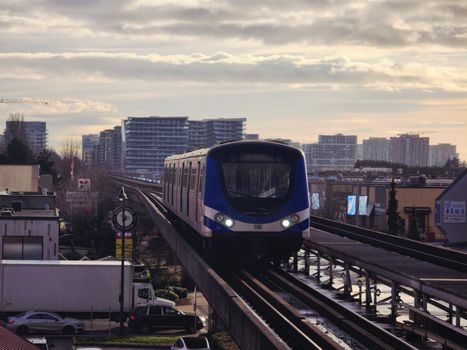
SkyTrain traversing Richmond, BC with cityscape and moody evening light. Photo: Glen Zi 加侖子 / Pexels
Vancouver's public transit system, operated by TransLink, is an incredibly efficient and comprehensive network that makes navigating the city without a car not just possible, but genuinely enjoyable. At its heart is the SkyTrain, an automated rapid transit system that serves as the backbone of the region's transportation. Comprising three lines – Expo, Millennium, and Canada – the SkyTrain connects downtown Vancouver to various suburbs, including Richmond (home to Vancouver International Airport, YVR) and Burnaby, New Westminster, and Surrey. The Canada Line, in particular, is a lifesaver for travelers arriving at YVR, offering a direct and affordable route into the city center in under 30 minutes. Fares are zone-based, typically ranging from one to three zones depending on your journey, but a flat rate applies after 6:30 PM on weekdays and all day on weekends and holidays, making evening excursions particularly budget-friendly. To make the most of TransLink, your first step should be acquiring a Compass Card. This reloadable smart card offers a significant discount compared to single-use paper tickets and allows for seamless transfers between buses, SkyTrain, and the SeaBus. You can purchase a Compass Card at any SkyTrain station, London Drugs, or various convenience stores, and load it with stored value or a day pass. For visitors staying for an extended period, a monthly pass might be more economical, but for shorter trips, loading stored value and tapping in and out is usually the best approach. Buses fill in the gaps where SkyTrain doesn't reach, offering extensive coverage across the city and surrounding municipalities. They operate frequently, and many routes run late into the evening. The SeaBus, a passenger-only ferry, connects downtown Vancouver (Waterfront Station) to North Vancouver (Lonsdale Quay Market), offering stunning harbour views as part of your commute or sightseeing. All these modes are integrated, meaning a single Compass Card tap covers your journey, including transfers within a 90-minute window. Planning your routes is made easy with TransLink's official Trip Planner tool on their website, or popular apps like Google Maps and Moovit, which provide real-time schedules and directions. These tools are invaluable for optimizing your travel time and ensuring you catch the right connection. Understanding the zone system is crucial; a one-zone fare covers travel within a single zone, a two-zone fare covers travel across two zones, and a three-zone fare covers travel across three zones. However, if your journey starts and ends within the same zone, it's always a one-zone fare. Always remember to tap your Compass Card when entering and exiting SkyTrain and SeaBus stations, and only when entering buses. Failing to tap out on SkyTrain or SeaBus can result in a maximum three-zone fare being charged. With a little planning and your Compass Card in hand, you'll find Vancouver's public transit system to be an incredibly reliable and user-friendly way to explore the city and its vibrant neighborhoods. For more detailed information on fares and routes, visit the official TransLink website, which is an excellent resource for anyone looking to navigate Vancouver efficiently. This robust system truly empowers visitors to experience Vancouver's diverse attractions without the need for a personal vehicle, reducing stress and increasing your enjoyment of the journey itself.

Embracing Active Exploration: Walking and Cycling in Vancouver
A scenic view of a bicycle parked by the sea in Fukuoka, Japan with a clear blue sky. Photo: Jan Bouken / Pexels
Beyond its excellent public transit, Vancouver truly shines as a city designed for active exploration, making walking and cycling not just viable options, but often the most rewarding ways to experience its beauty. The city's relatively flat terrain, combined with its stunning natural scenery and extensive network of dedicated paths, encourages residents and visitors alike to embrace two feet or two wheels. Walking is arguably the best way to discover Vancouver's vibrant downtown core, including Gastown, Yaletown, and the West End. These neighborhoods are compact and packed with attractions, from historic architecture and unique boutiques to world-class restaurants and bustling waterfronts. A stroll through Stanley Park, one of North America's largest urban parks, is an absolute must. Its famous Seawall, a paved pathway stretching over 28 kilometers, offers breathtaking views of the ocean, mountains, and city skyline. You can easily spend hours walking or jogging along different sections of the Seawall, discovering hidden beaches, totem poles, and lush forests. Many of Vancouver's most iconic sights, such as Canada Place, the Olympic Cauldron, and Granville Island Market, are all within comfortable walking distance of each other in the downtown area. For those who prefer cycling, Vancouver is a paradise. The city has invested heavily in cycling infrastructure, boasting an ever-expanding network of separated bike lanes, shared paths, and quiet residential streets designated for cyclists. Renting a bike is incredibly easy, with numerous rental shops located throughout downtown, particularly near Stanley Park and along the Seawall. You can choose from various types of bikes, including comfort bikes, mountain bikes, and even electric bikes, catering to all fitness levels and preferences. Mobi by Shaw Go, Vancouver's public bike-share program, offers another convenient option for short trips. With hundreds of stations scattered across the city, you can pick up a bike from one dock and return it to another, making it perfect for spontaneous exploration. A 24-hour pass provides unlimited 30-minute rides, ideal for hopping between attractions. Popular cycling routes include the aforementioned Stanley Park Seawall, the scenic False Creek Seawall (connecting Granville Island, Yaletown, and Science World), and the Arbutus Greenway, a paved path built on a former railway line that runs through several residential neighborhoods. Cycling allows you to cover more ground than walking while still enjoying the fresh air and stunning vistas that Vancouver is famous for. It's an eco-friendly and invigorating way to experience the city's diverse landscapes, from urban beaches to lush forests and bustling markets. Just remember to wear a helmet (it's legally required for adults in BC) and follow traffic laws to ensure a safe and enjoyable ride. Whether you choose to explore on foot or by bike, active transportation offers an intimate and immersive way to connect with Vancouver's unique charm, allowing you to discover hidden gems and picturesque viewpoints that might be missed from a car or bus. It's an essential part of the car-free Vancouver experience, contributing significantly to the city's reputation as one of the most livable and sustainable urban centers in the world.

Beyond Transit: Taxis, Ride-Shares, and Car-Sharing Options
Experience a typical taxi ride through the streets of Bangkok, Thailand. Photo: Raunaq Singh / Pexels
While public transit, walking, and cycling cover the vast majority of your transportation needs in Vancouver, there are occasions when other options become more convenient or necessary. For those times, Vancouver offers a robust array of taxis, ride-sharing services, and even car-sharing programs that seamlessly integrate into a car-free lifestyle. Taxis are readily available throughout the city, particularly in high-traffic areas like downtown, Gastown, and near major hotels and attractions. You can hail a taxi on the street, find them at designated taxi stands, or book one through a phone call or a taxi-specific app. Companies like Yellow Cab and Vancouver Taxi are well-established and reliable. Taxis are particularly useful for late-night travel when public transit frequency decreases, or when you're carrying heavy luggage, making them a practical choice for airport transfers or moving between accommodations. While generally more expensive than public transit, they offer door-to-door convenience and privacy. The advent of ride-sharing services has significantly expanded transportation choices in Vancouver. Uber and Lyft both operate in the city, providing a convenient and often more affordable alternative to traditional taxis, especially during off-peak hours. These apps allow you to request a ride directly from your smartphone, see the estimated fare upfront, and track your driver's arrival in real-time. This transparency and ease of use make ride-sharing a popular choice for many visitors. They are particularly handy for reaching destinations that might be less accessible by public transit or for those times when you simply prefer not to navigate complex transit routes. For those who might need a car for a few hours or a full day – perhaps for a day trip outside the city limits or to transport larger items – car-sharing services like Evo Car Share and Modo are excellent solutions. These services operate on a membership model, allowing you to rent cars by the minute, hour, or day. Evo, for example, offers a fleet of Toyota Priuses and Corollas that can be picked up and dropped off anywhere within their designated Home Zone, which covers a significant portion of Vancouver and some surrounding areas. This flexibility means you don't have to worry about parking or returning the car to a specific lot. Modo, a cooperative car-sharing service, offers a wider variety of vehicles, including trucks and vans, and requires booking in advance. Both services are cost-effective alternatives to traditional car rentals for short-term use, eliminating the need for ownership, insurance, and maintenance. They provide the freedom of a personal vehicle without the associated hassles. Combining these options with Vancouver's excellent public transit and active transportation infrastructure creates a truly comprehensive and flexible car-free experience. You can rely on transit for daily commutes, bikes for scenic exploration, and then leverage ride-shares or car-sharing for those specific instances where a private vehicle is the best fit. This multi-modal approach ensures you can navigate Vancouver with ease, efficiency, and without ever feeling limited by the absence of your own car. For more tips on exploring cities efficiently, consider integrating these diverse transportation methods into your travel plan.

Essential Tips for Car-Free Vancouver Exploration
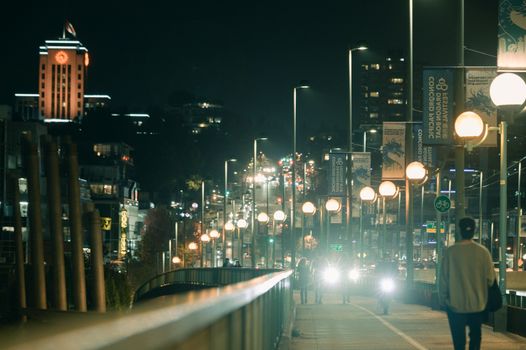
Vibrant night scene of a busy street in Vancouver, BC. Photo: Caio / Pexels
Navigating Vancouver without a car is not only feasible but often preferable, allowing you to immerse yourself more deeply in the city's vibrant atmosphere. To make your car-free journey as smooth and enjoyable as possible, here are some essential tips and common mistakes to avoid: **Do's:** * **Get a Compass Card immediately:** This is your golden ticket for TransLink. It's cheaper than single-use tickets and makes transfers effortless. Load it with enough stored value or consider a DayPass if you plan extensive transit use. * **Download useful apps:** TransLink's Trip Planner, Google Maps, and Moovit are indispensable for real-time transit information, schedules, and route planning. They'll save you time and prevent confusion. * **Embrace walking shoes:** Vancouver is incredibly walkable. Many key attractions in downtown, Gastown, and Yaletown are within easy reach on foot. Comfortable footwear is a must for exploring. * **Rent a bike for the Seawall:** Cycling the Stanley Park Seawall is a quintessential Vancouver experience. Renting a bike for a few hours is highly recommended for stunning views and an invigorating ride. * **Consider a DayPass for intensive sightseeing:** If you plan on visiting multiple attractions across different zones in one day, a TransLink DayPass can be more economical than paying per trip. * **Explore Granville Island by Aquabus or False Creek Ferry:** These small passenger ferries offer a charming and efficient way to cross False Creek, connecting downtown with Granville Island and other points along the waterfront. * **Utilize the SkyTrain to YVR:** The Canada Line offers a direct, affordable, and quick connection between Vancouver International Airport and downtown. It's far more efficient than a taxi or ride-share during peak traffic. **Don'ts:** * **Don't rely solely on paper tickets:** While available, they are more expensive per ride and less convenient than a Compass Card. * **Don't forget to tap out on SkyTrain/SeaBus:** Failing to tap out can result in being charged a maximum three-zone fare, even if you only traveled one zone. Always remember to tap both in and out. * **Don't underestimate distances:** While downtown is compact, Vancouver is a sprawling metropolitan area. Don't plan to walk from downtown to Kitsilano or UBC; use transit or a bike for longer distances. * **Don't forget rain gear:** Vancouver is known for its rain, especially outside of summer. Always carry a compact umbrella or a waterproof jacket, even if the forecast looks clear. * **Don't be afraid to ask for directions:** Vancouverites are generally friendly and happy to help. If you're lost or unsure, don't hesitate to ask a local or a TransLink employee. * **Don't ignore the bike helmet law:** In British Columbia, it is legally required for adults to wear a helmet when cycling. Rental shops will provide one, but be aware of the regulation. By following these tips, you'll find that navigating Vancouver without a car is not only stress-free but also allows for a more authentic and engaging travel experience, letting you soak in the city's unique charm at your own pace.

Comparison

FeaturePublic TransitWalking/CyclingRide-Share/TaxiCar-Sharing
CostLow (Compass Card)Very Low (Free/Rental)Moderate to HighModerate (Hourly/Daily)
ConvenienceHigh (Frequent routes)High (Downtown/Seawall)High (Door-to-door)High (On-demand car)
SpeedModerate to High (SkyTrain)Low to ModerateModerate to High (Traffic dependent)Moderate to High
FlexibilityModerate (Fixed routes/schedules)High (Explore at leisure)High (On-demand)High (Self-driven)
Environmental ImpactVery LowVery LowModerateLow (Shared vehicles)
Best ForDaily commutes, airport, long distancesSightseeing, short distances, exerciseLate nights, luggage, specific destinationsDay trips, errands, larger groups

What Readers Say

"I visited Vancouver for a week and didn't miss having a car at all. The SkyTrain was so easy to use, especially with the Compass Card, and I loved cycling the Seawall. It made my trip so much more relaxing and affordable."

Sarah J. · Seattle, WA

"As someone who usually drives everywhere, I was skeptical about how to get around Vancouver without a car. But the public transit system is fantastic, and walking through Gastown and Yaletown was a highlight. Highly recommend the car-free approach."

Mark T. · Toronto, ON

"My partner and I explored Vancouver entirely by foot, bike, and SkyTrain. We saved a ton on parking and rental fees, and truly felt like we experienced the city's local vibe. Getting to Granville Island via the Aquabus was a charming touch!"

Emily R. · London, UK

"Public transit was excellent for most of our trip. We did use Uber a couple of times for late-night returns from Kitsilano, which was convenient but added up. Overall, very doable without a car, just plan your longer journeys."

David L. · Calgary, AB

"Traveling with my kids, I was worried about car seats and logistics. But the SkyTrain was stroller-friendly, and we rented bikes with child seats for Stanley Park. Vancouver is incredibly family-friendly for car-free travel."

Jessica M. · Portland, OR

Frequently Asked Questions

Is Vancouver public transit easy to use for tourists?

Yes, Vancouver's public transit system (TransLink) is very tourist-friendly. The SkyTrain is intuitive, and buses are well-marked. With a Compass Card and a transit app, navigating the city is straightforward, even for first-time visitors.

Do I need a car to get to Vancouver International Airport (YVR)?

Absolutely not. The Canada Line SkyTrain provides a direct, efficient, and affordable connection between YVR and downtown Vancouver, taking approximately 25-30 minutes. It's often faster than driving due to potential traffic.

How do I pay for public transit in Vancouver?

The easiest way to pay is with a reloadable Compass Card, which offers discounted fares and allows for seamless transfers. You can also use contactless credit cards (Visa, Mastercard, American Express) or mobile payment apps directly at fare gates and on buses. Cash is accepted on buses (exact change only), but not at SkyTrain stations.

Is it expensive to get around Vancouver without a car?

Generally, no. Public transit is very affordable, especially with a Compass Card. Walking and cycling are free or low-cost (bike rentals). While taxis and ride-shares can add up, strategic use of transit for most journeys keeps overall transportation costs low compared to car rental, fuel, and parking.

How does Vancouver's public transit compare to other major Canadian cities?

Vancouver's TransLink system is often lauded as one of the best in Canada, particularly for its SkyTrain network. It's known for its efficiency, cleanliness, and extensive coverage, offering a seamless experience that rivals or surpasses systems in many other major Canadian cities.

Who should consider getting around Vancouver without a car?

Anyone visiting Vancouver, especially those staying in the downtown core or near SkyTrain lines, should strongly consider going car-free. It's ideal for budget travelers, eco-conscious tourists, and those who want to avoid the stress of urban driving and parking. It allows for a more immersive and active exploration of the city.

Is it safe to walk or cycle in Vancouver?

Yes, Vancouver is generally a very safe city for walking and cycling. The city has numerous dedicated bike lanes and pedestrian-friendly areas like the Seawall. As with any urban environment, it's wise to be aware of your surroundings, especially at night, and follow traffic laws.

Will Vancouver's transportation infrastructure continue to improve for car-free travel?

Yes, Vancouver has a strong commitment to sustainable transportation. There are ongoing investments in expanding SkyTrain lines, improving bike infrastructure, and enhancing pedestrian pathways. The trend is towards making car-free travel even more convenient and accessible in the future.

Embracing Vancouver without a car opens up a world of seamless exploration, stunning views, and authentic local experiences. With its world-class transit, extensive bike paths, and walkable neighborhoods, navigating this vibrant city has never been easier or more enjoyable. Start planning your car-free Vancouver adventure today and discover the freedom of sustainable travel.

Topics: how to get around vancouver without a carvancouver public transitvancouver walking toursvancouver cycling routesvancouver transportation guide
Leo List
Brampton weed
Adultwork EstrelaBet Vai de Bet R7 Bet Betão Galera Bet Rainbet Bet9ja Shop SportyBet BetKing Sisal Loto Foot Hollywoodbets YesPlay Odibets RushBet Jugabet BetWarrior BetCity MSport betPawa Fortebet