How to Get Around Canada Without a Car: Your Ultimate Guide
how to get around canada without a car

How to Get Around Canada Without a Car: Your Ultimate Guide

Unlock Canada's vast beauty and vibrant cities without needing a car, ensuring a stress-free and authentic travel experience.

Start Your Car-Free Adventure!

Key Takeaways

  • ✓ Canada's major cities are well-connected by public transport.
  • ✓ Inter-city travel is primarily by train, bus, or domestic flights.
  • ✓ Via Rail offers scenic routes across the country.
  • ✓ Booking in advance often secures better prices for all transport modes.

How It Works

1
Plan Your Route

Research destinations and the best transport links between them. Consider the vast distances in Canada and allocate sufficient travel time.

2
Choose Your Mode(s)

Select trains for scenic journeys, buses for budget-friendly options, or flights for long distances. Combine modes for optimal efficiency and experience.

3
Book in Advance

Secure your tickets for trains, buses, and flights well before your travel dates. This often leads to significant savings and guarantees your spot.

4
Utilize Local Transit

Once in a city, use local public transit (subways, buses, streetcars) to explore. Many cities offer day passes for convenience and savings.

Navigating Canada's Vastness: Inter-City Travel Options

Canada is the second-largest country in the world, renowned for its immense landscapes, from the Pacific to the Atlantic, and the Arctic to the US border. The sheer scale often leads prospective travelers to believe a car is indispensable. However, this is a common misconception. While a car offers unparalleled flexibility for remote exploration, a robust network of public and commercial transportation options makes car-free travel not only possible but often more relaxing and environmentally friendly. Understanding these options is the first step in planning an epic Canadian adventure without the burden of driving, parking, or fuel costs. When considering how to get around Canada without a car for inter-city journeys, three primary modes stand out: trains, buses, and domestic flights. Each offers distinct advantages depending on your budget, time constraints, and desire for scenic immersion. Via Rail Canada is the national passenger rail service, providing a unique way to see the country. Its routes, particularly 'The Canadian' from Toronto to Vancouver, are legendary for their breathtaking views and comfortable amenities, offering a journey that is as much a destination as the arrival point. While not always the fastest option, the train experience allows passengers to relax, socialize, and witness Canada's diverse topography unfold outside their window. Booking Via Rail tickets well in advance, especially for sleeper classes, is crucial, as popular routes and seasons fill up quickly. Look out for special promotions and passes that can significantly reduce costs, making this luxurious experience more accessible. For budget-conscious travelers or those heading to destinations not serviced by rail, inter-city bus services are a vital backbone of Canadian transportation. Companies like Greyhound (though its Canadian operations have significantly reduced, other regional carriers have stepped up) and various provincial and regional bus lines connect virtually every town and city. While less glamorous than train travel, buses are generally more frequent, often cheaper, and provide a direct link to many smaller communities. The comfort levels vary, but modern long-distance buses typically offer Wi-Fi and power outlets. Planning your bus journeys requires consulting specific regional operators, as there isn't a single national bus company covering all routes anymore. Websites like Busbud can help aggregate options, but direct booking with operators is often best. Finally, for covering vast distances quickly, domestic flights are indispensable. Canada has a well-developed network of airports, with major hubs in Vancouver, Calgary, Toronto, and Montreal. Air Canada and WestJet are the primary national carriers, complemented by several regional airlines. Flights save immense amounts of time, turning a multi-day train journey into a few hours. However, they come at a higher financial and environmental cost. Early booking is paramount for securing affordable fares, especially during peak travel seasons. Consider flying between major regions (e.g., from Ontario to British Columbia) and then utilizing trains or buses for exploring within those regions. Combining these modes of transport – flying long distances, taking trains for scenic routes, and buses for local connections – is often the most efficient and enjoyable strategy for exploring Canada car-free. Each mode contributes to a comprehensive travel plan, ensuring you can reach your desired destinations while experiencing the country's unique charm. For more detailed insights into Canadian travel planning, explore our resources on Canadian travel guides.

Urban Exploration: Getting Around Canada's Cities Car-Free

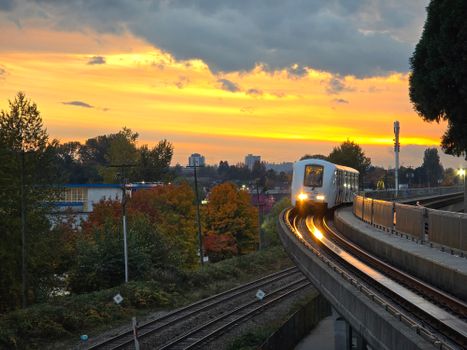
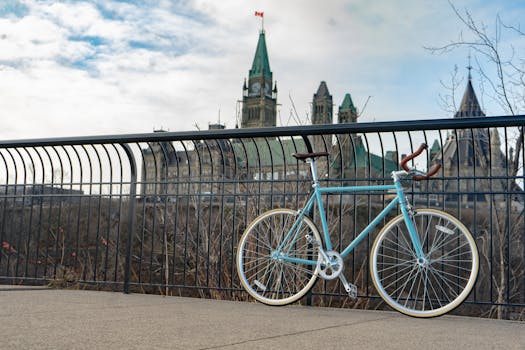
Once you arrive in Canada's vibrant cities, the need for a car diminishes even further. Canadian urban centers are generally very pedestrian-friendly and boast excellent public transportation systems that can efficiently take you to all major attractions, neighborhoods, and even surrounding areas. Understanding and utilizing these local transit networks is key to a successful car-free urban exploration. Each major city has its own distinct transit authority, offering a range of options from subways and streetcars to buses and commuter trains. In cities like Toronto, the Toronto Transit Commission (TTC) operates an extensive network of subways, streetcars, and buses, making it incredibly easy to navigate the city. You can purchase single fares, day passes, or reloadable PRESTO cards for convenience and savings. Montreal's Société de transport de Montréal (STM) is famous for its clean and efficient metro system, complemented by a bus network. The metro stations themselves are often works of art, adding to the cultural experience. Vancouver's TransLink system offers SkyTrain, SeaBus, and bus services, connecting the city and its surrounding municipalities, including the airport. Calgary and Edmonton both have light rail transit (LRT) systems, known as the C-Train and Metro/Capital Line respectively, which are very effective for getting around the downtown core and beyond. Ottawa's OC Transpo also offers an expanding LRT (O-Train) and bus network. Beyond traditional public transit, many Canadian cities have embraced alternative micro-mobility options. Bike-sharing programs are increasingly common in major urban centers such as Toronto (Bike Share Toronto), Montreal (Bixi), and Vancouver (Mobi by Shaw Go). These programs allow you to rent bicycles for short periods, providing a flexible and enjoyable way to explore neighborhoods, parks, and waterfronts. Electric scooters are also gaining popularity in some cities, offering another fun and convenient short-distance travel solution. Always check local regulations regarding helmet use and where scooters can be ridden. Ride-sharing services like Uber and Lyft operate in most major Canadian cities, offering a convenient on-demand option when public transit isn't ideal or when you're traveling late at night. Taxis are also readily available, particularly at airports, train stations, and designated stands. For those who enjoy walking, Canada's cities are incredibly walkable, especially their downtown cores and historic districts. Many attractions are clustered together, allowing you to explore on foot and discover hidden gems along the way. Pedestrian zones, waterfront promenades, and extensive park systems encourage walking as a primary mode of discovery. Before your trip, download city-specific transit apps and mapping tools, which provide real-time schedules, route planning, and fare information. These digital tools can significantly enhance your car-free urban travel experience, making it seamless and stress-free. Embrace the local pace and immerse yourself fully in the urban fabric without the worries of parking or traffic.

Specialty Travel: Scenic Routes, Ferries, and Remote Access

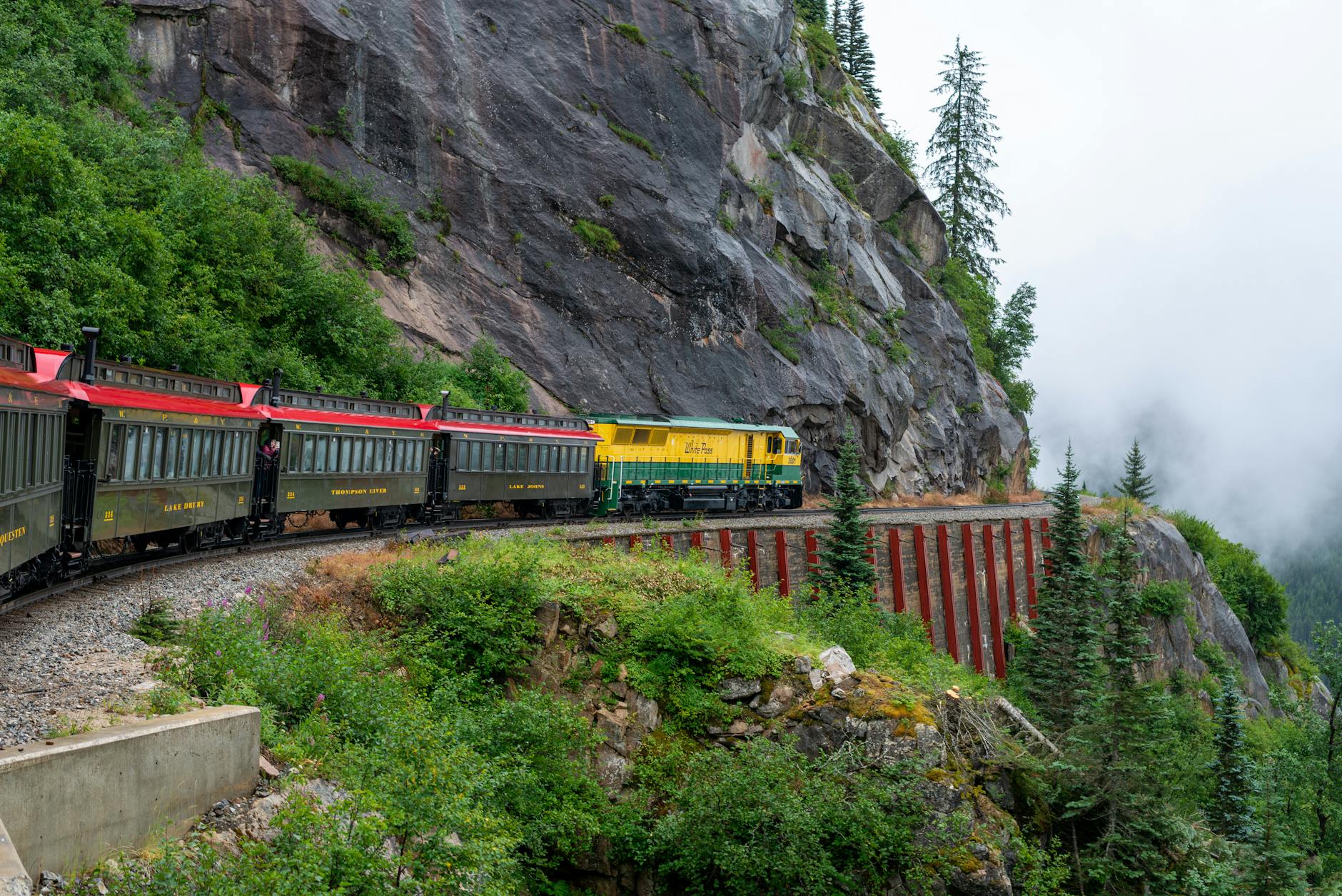
While trains, buses, and urban transit cover the majority of car-free travel needs in Canada, there are several specialty options that open up unique experiences and access to more remote or scenically rich areas. These modes are often highlights of a trip, offering perspectives and access that standard transport cannot. Canada's extensive coastline and numerous islands mean that ferry services are an integral part of its transportation network, especially on the East and West Coasts. BC Ferries, for instance, is one of the largest ferry operators in the world, connecting Vancouver Island and numerous smaller islands with the mainland of British Columbia. Taking a ferry across the Strait of Georgia or to the Gulf Islands is not just a means of transport; it's a scenic cruise, often offering opportunities to spot marine wildlife like whales and seals. Similarly, on the East Coast, Marine Atlantic provides ferry services between mainland Nova Scotia and Newfoundland, a crucial link for accessing this unique province. Various smaller ferry operators connect communities in the Maritimes, providing access to picturesque islands like Prince Edward Island (via the Northumberland Ferries from Nova Scotia) or the Magdalen Islands (via CTMA from Souris, PEI). These ferry journeys are an experience in themselves, offering stunning coastal views and a relaxed pace of travel. It's advisable to book ferry reservations in advance, especially for popular routes and during peak season, even for foot passengers. Beyond traditional rail, Canada also boasts several iconic scenic railways that are destinations in themselves. While Via Rail offers cross-country vistas, specific routes like the Rocky Mountaineer provide luxury, daylight-only journeys through the Canadian Rockies. This private rail service offers unparalleled views of some of Canada's most dramatic landscapes, with gourmet dining and exceptional service. It's a premium experience but one that defines car-free luxury travel in Canada. While not a budget option, it exemplifies how rail can be the central focus of a trip. Additionally, some remote areas, particularly in Northern Canada, are serviced by specialized rail lines or bush planes where roads are non-existent or impassable. These are typically for adventurers seeking truly off-the-beaten-path experiences, requiring specific planning and often guided tours. For exploring specific regions without a car, consider organized tours. Many tour operators in Canada specialize in car-free experiences, providing transportation to national parks, wineries, historical sites, and other attractions from major urban centers. These tours remove the logistical challenges of navigating and parking, allowing you to simply enjoy the destination. From bus tours through Banff National Park to whale-watching excursions in Victoria or food tours in Quebec City, these options cater to a wide range of interests and budgets. They are particularly useful for accessing natural wonders that might be harder to reach solely by public transport. Always check reviews and inclusions when booking tours to ensure they meet your expectations. Embracing these specialty travel options can significantly enrich your Canadian adventure, allowing you to experience the country's diverse beauty and culture in unique and memorable ways without ever needing a car. For more tips on planning your car-free journey, check out our comprehensive guide on sustainable travel practices in Canada.

Essential Tips for Car-Free Travel in Canada & Common Mistakes to Avoid

Traveling Canada without a car is an incredibly rewarding experience, but a few key tips can make your journey smoother and more enjoyable. Knowing what to do, and what to avoid, will save you time, money, and potential headaches. **Essential Tips:** * **Book in Advance, Especially for Trains and Flights:** This cannot be stressed enough. Popular routes, especially Via Rail's scenic journeys and domestic flights, fill up quickly and become significantly more expensive closer to the travel date. Aim to book several months ahead for peak season travel. * **Investigate Passes:** Both Via Rail and some regional bus companies offer passes that can save you money if you plan on multiple journeys within a specific timeframe. Research these carefully to see if they align with your itinerary. * **Pack Light and Smart:** You'll be handling your luggage more often when relying on public transport. Opt for luggage that is easy to carry, possibly with wheels, and pack efficiently to avoid unnecessary bulk. A good quality backpack is often ideal. * **Utilize Public Transit Apps and Maps:** Most major Canadian cities have excellent apps for their public transit systems (e.g., TTCwatch, Transit App). Google Maps is also highly effective for planning routes using public transport, walking, and cycling. Download offline maps if you anticipate areas with poor cell service. * **Factor in Travel Time:** Canada is vast. Distances are greater than many international travelers anticipate. A trip between two major cities can easily take a full day or overnight. Don't underestimate travel times when planning your itinerary. * **Learn About Local Fare Systems:** Each city has its own fare system (e.g., PRESTO in Ontario, Compass Card in Vancouver, Opus in Montreal). Understand how to purchase tickets or passes upon arrival to avoid delays. * **Be Prepared for Weather Changes:** Canada's weather can be unpredictable, even in summer. Carry layers, a waterproof jacket, and comfortable walking shoes suitable for various conditions. **Common Mistakes to Avoid:** * **Underestimating Distances:** Believing you can easily 'pop over' from Vancouver to Calgary for a day trip is unrealistic without flying. Plan your regional explorations realistically. * **Not Booking Accommodation Near Transit Hubs:** While not always necessary, staying close to a major bus or train station, or a subway line, can significantly reduce your local commuting time and costs. * **Assuming Uniform Transit Systems:** Don't expect the same fare card or transit rules to apply across different cities or provinces. Each region has its own system. * **Ignoring Regional Bus Services:** While Greyhound's presence has changed, many excellent regional bus companies still exist. Don't overlook them as viable and often budget-friendly options for inter-city travel. * **Over-scheduling:** Trying to see too much in too little time will lead to burnout. Embrace a slower pace, especially when relying on public transport schedules. Allow for buffer time between connections. * **Forgetting About Luggage Restrictions:** Buses and trains have luggage allowances, though generally more generous than airlines. Be mindful of the size and number of bags you can bring without incurring extra fees. * **Not Having a Backup Plan:** Delays can happen. Have a contingency plan for missed connections, especially if you have tightly scheduled activities or flights.

Comparison

FeatureTrain (Via Rail)Bus (Inter-city)Domestic FlightCity Public Transit
Cost (Inter-city)Medium-HighLow-MediumHighN/A
Speed (Long Distance)MediumSlowFastN/A
Scenic ValueHighMediumLowMedium
ComfortHighMediumMedium-HighMedium
FlexibilityLowMediumLowHigh
Environmental ImpactLowMediumHighLow
Luggage AllowanceGenerousStandardStrictCarry-on only

What Readers Say

"I was nervous about how to get around Canada without a car, but Via Rail was a dream! The journey from Toronto to Vancouver was incredible, with amazing food and views. Highly recommend for a truly immersive experience."

Sarah J. · London, UK

"Exploring Montreal and Quebec City car-free was a breeze. The metro and bus systems were super efficient, and I loved being able to walk everywhere. Saved so much on parking and gas, allowing me to spend more on experiences."

Miguel A. · Mexico City, Mexico

"My trip focused on BC, and combining BC Ferries with local buses and the SkyTrain in Vancouver meant I saw so much. It really showed me how to get around Canada without a car and enjoy the scenery without the stress of driving. I even spotted whales on the ferry!"

Emily R. · Sydney, Australia

"While flying between provinces was necessary for time, I found the bus networks surprisingly good for regional travel, especially in the Maritimes. It required a bit more planning than I'm used to, but it was definitely doable and budget-friendly for how to get around Canada without a car."

David L. · Berlin, Germany

"I used a mix of trains for long distances and city transit for local exploration. It was a fantastic way to experience Canada's diverse landscapes and cultures without the hassle of car rental. I felt much more connected to the local life by using public transport."

Chen W. · Shanghai, China

Frequently Asked Questions

Is it really feasible to travel across Canada without a car?

Yes, absolutely! While Canada is vast, its major cities and tourist destinations are well-connected by a combination of trains (Via Rail), inter-city buses, and domestic flights. Within cities, excellent public transit systems, ride-sharing, and walking make car-free exploration easy and enjoyable.

Will I miss out on seeing Canada's natural beauty if I don't have a car?

Not at all. While some remote areas are harder to access, trains like Via Rail offer incredibly scenic routes through mountains and forests. Many national parks and natural attractions also have organized bus tours from nearby cities, ensuring you can still experience Canada's stunning landscapes.

How do I plan a car-free itinerary for a cross-Canada trip?

Start by identifying key cities/regions you want to visit. Then, use domestic flights for long-haul jumps (e.g., coast to coast), trains for scenic inter-regional travel, and buses for shorter inter-city connections. Finally, use local public transit within cities. Websites like Rome2Rio or Google Maps can help visualize routes.

Is car-free travel in Canada more expensive than renting a car?

It can be, but often isn't, especially when factoring in fuel, insurance, and parking costs for a rental. Booking train and flight tickets in advance can yield significant savings. Public transport passes in cities are generally very affordable, making car-free travel a budget-friendly option for many.

How does car-free travel compare to car rental for flexibility?

Car-free travel offers less spontaneity for off-the-beaten-path detours but provides a different kind of flexibility: freedom from driving stress, parking hassles, and navigation. You can relax, enjoy the scenery, and engage more with your surroundings. Organized tours can bridge the gap for specific attractions requiring a car.

Who should consider how to get around Canada without a car?

Car-free travel is ideal for solo travelers, couples, or small groups who prefer to relax and enjoy the journey, are environmentally conscious, or wish to avoid the costs and responsibilities of car rental. It's also perfect for those focusing on urban exploration and iconic scenic routes.

What are the biggest challenges or risks of traveling Canada without a car?

The main challenges are the vast distances, which require careful planning and can lead to longer travel times, and potentially less flexibility for spontaneous stops in very remote areas. The risk of missing connections due to delays is also present, making buffer times crucial.

Are there any future trends that will make car-free travel in Canada even easier?

Yes, continued investment in high-speed rail corridors, expansion of electric vehicle charging infrastructure for shared services, and the growth of integrated multi-modal travel apps are expected. These advancements will likely make car-free travel even more seamless, efficient, and convenient across Canada in the coming years.

Embrace the journey and discover the true essence of Canada without the need for a car. With careful planning and smart choices, your car-free adventure will be filled with breathtaking landscapes, vibrant cities, and unforgettable memories. Start planning how to get around Canada without a car today and experience a different kind of freedom.

Topics: how to get around canada without a carcanada public transporttravel canada car-freevia rail canadacanadian bus travel
Leo List
Brampton weed
Adultwork EstrelaBet Vai de Bet R7 Bet Betão Galera Bet Rainbet Bet9ja Shop SportyBet BetKing Sisal Loto Foot Hollywoodbets YesPlay Odibets RushBet Jugabet BetWarrior BetCity MSport betPawa Fortebet