How Much Does a Trip to Canada Cost? Your Ultimate Budget Guide
July 27, 2026 17 min read 3,458 words
Unravel the true costs of exploring Canada, from majestic mountains to vibrant cities, and plan your perfect, affordable getaway.
Plan Your Canadian Adventure
Breaking Down the Core Expenses: Flights and Accommodation
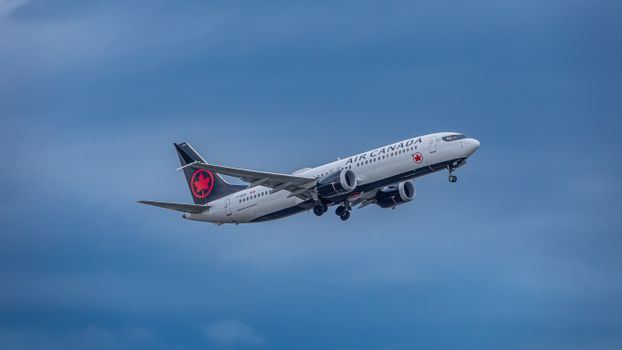 Photo: Airborne YVR / Pexels
Understanding how much does a trip to Canada cost starts with dissecting the two most significant expenditures: flights and accommodation. These are often the make-or-break elements of any travel budget, and their variability can swing your total cost by hundreds, if not thousands, of dollars. Let's delve into what influences these prices and how you can optimize them.
**Flights to Canada:**
International airfare to Canada is notoriously volatile. Factors like your departure city, time of year, airline choice, and how far in advance you book all play critical roles. For instance, flying from Europe or Asia to major Canadian hubs like Toronto (YYZ), Vancouver (YVR), or Montreal (YUL) will generally be more expensive than flying from closer US cities. Peak season, typically June to September (summer) and December (holiday season), sees a significant surge in prices. A round-trip economy ticket from a major European city could range from CAD 800 to CAD 1,500+, while from Australia or Asia, it might easily exceed CAD 1,500 to CAD 2,500+. From the US, prices can be as low as CAD 300-600 for closer destinations or CAD 700-1,200 for cross-country flights. Booking 3-6 months in advance often yields the best rates, and using flight comparison sites like Skyscanner, Google Flights, or Kayak is essential for finding deals. Consider flying into a less popular airport nearby and taking ground transport, or exploring multi-city flights if your itinerary allows. Red-eye flights or those with layovers can also offer savings. For an even more in-depth look at air travel, check out our guide on
finding cheap flights.
**Accommodation in Canada:**
Canada offers an incredibly diverse range of accommodation options, from rustic campsites to luxurious five-star hotels, impacting how much a trip to Canada costs. The price depends heavily on the region, city, and time of year. Major cities like Vancouver, Toronto, and Montreal will have higher prices, especially downtown or in popular tourist districts. Smaller towns or rural areas, conversely, often provide more budget-friendly choices.
* **Budget Accommodation (CAD 40-100 per night):** This category includes hostels (dorm beds or private rooms), budget motels, and some guesthouses. Hostels are excellent for solo travelers or those looking to save, with dorm beds starting around CAD 30-50 in major cities. Basic motels outside city centers can be found for CAD 70-100.
* **Mid-Range Accommodation (CAD 100-250 per night):** This is where most travelers find themselves. You'll find comfortable 3-star hotels, Airbnbs, and charming bed & breakfasts. Prices will vary significantly; a standard hotel room in Calgary might be CAD 150, while a similar room in downtown Vancouver could easily be CAD 220-250.
* **Luxury Accommodation (CAD 250+ per night):** Canada boasts world-class luxury hotels, particularly in iconic locations like Banff, Whistler, or major city centers. Expect to pay CAD 300-600+ per night for high-end experiences, often with premium amenities and services. Unique stays like glamping tents or remote wilderness lodges can also fall into this bracket.
Booking accommodation well in advance, especially for popular destinations during peak season, is crucial. Utilize platforms like Booking.com, Expedia, or Airbnb to compare prices and read reviews. Off-season travel can lead to significant savings on accommodation, making your overall trip to Canada much more affordable. Remember to factor in taxes, which can add 5-15% to your base room rate, depending on the province and municipality.
Navigating Transportation, Food, and Activities Across Canada
 Photo: Cedric Fauntleroy / Pexels
Once your flights and accommodation are sorted, the next major components influencing how much does a trip to Canada cost are local transportation, food, and activities. These categories offer considerable flexibility for budget adjustments, allowing you to tailor your trip to your financial comfort zone.
**Local Transportation:**
How you get around within Canada depends on your itinerary and desired pace. For vast distances, domestic flights are often necessary. A round-trip flight between major cities like Toronto and Vancouver can range from CAD 300-700+, depending on the airline, booking time, and season. For shorter distances or scenic routes, trains (Via Rail) or inter-city buses (like Greyhound or Rider Express) offer more economical, albeit slower, alternatives. A bus ticket from Montreal to Quebec City might cost CAD 40-70, while a train could be CAD 60-100.
Car rentals are highly popular, especially for exploring national parks or rural areas, offering unparalleled freedom. Expect to pay CAD 50-100+ per day for an economy car, not including fuel. Gas prices fluctuate but are generally comparable to or slightly higher than in the US, ranging from CAD 1.50-2.00 per liter (roughly CAD 5.70-7.60 per gallon). Factor in insurance, which can add CAD 20-40 per day, and parking fees, which can be substantial in major cities (CAD 20-40+ per day). For urban exploration, public transit (subways, buses, streetcars) is efficient and affordable. A single fare is typically CAD 3-4, with daily passes costing around CAD 10-15.
**Food & Dining:**
Food costs are another significant variable. Canada offers everything from cheap street eats to high-end gourmet experiences. On a budget, you can get by with CAD 40-60 per day by cooking some meals (if your accommodation has a kitchen), grabbing groceries, and opting for fast food or casual diners. A meal at a casual restaurant might cost CAD 15-25 per person, excluding drinks and tip. Mid-range restaurants will set you back CAD 30-50 per person per meal. Fine dining can easily exceed CAD 70-100+ per person. Alcohol, particularly in restaurants, is quite expensive due to taxes.
To save money, consider buying groceries from supermarkets like Loblaws, Sobeys, or Metro. Many Canadian cities also have excellent food trucks and farmers' markets offering delicious and affordable options. Pack snacks and a reusable water bottle to avoid impulse purchases. Tipping is customary in Canada, typically 15-20% for good service in restaurants, bars, and for taxi drivers.
**Activities & Attractions:**
Canada boasts an incredible array of activities, from natural wonders to cultural experiences. Entry fees can quickly add up. A Parks Canada Discovery Pass, which grants unlimited access to all national parks for a year, costs around CAD 75 per adult or CAD 150 for a family/group – an excellent investment if you plan to visit multiple parks. Individual park entry fees are typically CAD 10-20 per person per day. Popular attractions like the CN Tower in Toronto (CAD 40-50), Vancouver Aquarium (CAD 40-50), or museums (CAD 15-30) also contribute to your daily spend.
Activities like whale watching tours (CAD 100-150), ski lift tickets (CAD 100-200+ per day), or guided hikes can be significant expenses. Budget travelers can focus on free activities like hiking non-park trails, exploring city parks, visiting free museums, or simply enjoying the natural beauty. Researching free events and festivals in your chosen destination can also provide great entertainment without breaking the bank. Always check for student, senior, or family discounts where applicable. For those interested in outdoor adventures, exploring the vast Canadian wilderness can be surprisingly affordable if you plan for
camping and self-guided tours.
Regional Cost Variations and Budgeting for Different Travel Styles
 Photo: Nunzio Guerrera / Pexels
The overall answer to how much does a trip to Canada cost is heavily influenced by which region you visit and your personal travel style. Canada is vast, and prices can fluctuate dramatically from province to province and even city to city. Understanding these regional differences and how your travel preferences impact your budget is key to effective planning.
**Regional Cost Variations:**
* **Western Canada (British Columbia & Alberta):** This region, home to iconic destinations like Vancouver, Whistler, Banff, and Jasper, tends to be among the most expensive. Accommodation, dining, and activities, especially in popular tourist towns like Banff or Whistler, are often at a premium. For example, a mid-range hotel in Vancouver could be CAD 200+, while a similar one in a smaller town in Alberta might be CAD 150. Car rentals are almost essential for exploring the Rockies, adding to the cost. Expect higher prices for outdoor gear rentals and guided tours.
* **Central Canada (Ontario & Quebec):** Major cities like Toronto, Montreal, and Quebec City are significant draws and come with urban price tags. Accommodation in downtown Toronto or Montreal can rival Vancouver. However, outside the immediate city centers, and in smaller towns or rural areas of these provinces, prices become more reasonable. Public transport is excellent in these cities, potentially saving on car rental costs. Food and cultural activities are abundant, with options for various budgets.
* **Atlantic Canada (Nova Scotia, New Brunswick, PEI, Newfoundland & Labrador):** Generally, Atlantic Canada offers a more budget-friendly experience compared to the West and Central regions. While popular spots like Peggy's Cove or the Cabot Trail can see higher demand in peak season, overall accommodation and dining are often more affordable. Car rentals are highly recommended for exploring the scenic coastlines. Airfare to these provinces can sometimes be higher due to fewer direct routes, so factor that into your initial calculations.
* **The North (Yukon, Northwest Territories, Nunavut):** Travel to Canada's northern territories is unique and often the most expensive due to remote locations, limited infrastructure, and higher costs for goods and services. Flights are significantly pricier, and accommodation options are fewer and thus more costly. Activities like aurora borealis viewing tours or wildlife expeditions are specialized and come with a premium price tag. This region is best for those with a more generous budget or a very specific, once-in-a-lifetime experience in mind.
**Budgeting by Travel Style:**
* **Budget Traveler (CAD 70-150 per day, excluding international flights):** This involves staying in hostels, camping, cooking most of your meals, utilizing public transport or hitchhiking (where safe and legal), and focusing on free activities like hiking and sightseeing. Think dorm beds, grocery store meals, and national park passes.
* **Mid-Range Traveler (CAD 150-300 per day, excluding international flights):** This is the most common travel style. You'll stay in budget hotels, Airbnbs, or B&Bs, eat out at casual restaurants, rent a car for parts of your trip, and participate in a few paid activities. This budget allows for a comfortable and varied experience without excessive splurging.
* **Luxury Traveler (CAD 300+ per day, excluding international flights):** For those seeking premium experiences, luxury hotels, fine dining, private tours, domestic flights between destinations, and high-end activities like helicopter tours or exclusive resort stays. The sky's the limit here, with daily costs potentially reaching CAD 500-1000+ per person for truly opulent trips.
Remember, these are per-person estimates. A couple traveling together might find their per-person costs slightly lower due to shared accommodation and transportation. Family travel will introduce different dynamics, often requiring larger accommodations or specific child-friendly activities. Always build in a contingency fund of 10-15% for unexpected expenses or spontaneous adventures, ensuring your Canadian journey remains stress-free.
Smart Savings and Common Mistakes When Budgeting for Canada
 Photo: Towfiqu barbhuiya / Pexels
Maximizing your budget and avoiding common pitfalls can significantly impact how much does a trip to Canada cost. With a bit of foresight and strategic planning, you can experience the best of Canada without breaking the bank. Here are some smart savings tips and common mistakes to steer clear of.
**Smart Savings Tips for Your Canadian Adventure:**
1. **Travel During Shoulder Season:** Visiting in late spring (May-early June) or early fall (September-October) means fewer crowds and lower prices for flights and accommodation, especially in popular areas like the Rockies or major cities. The weather is still pleasant, and many attractions are open.
2. **Book in Advance (Especially for Peak Season):** This applies to flights, popular hotels, and rental cars. Last-minute bookings, especially during summer or holidays, can be significantly more expensive. For national park campsites, booking opens months in advance and fills up within minutes.
3. **Utilize Loyalty Programs & Credit Card Points:** If you have airline miles or hotel points, Canada can be an excellent destination to redeem them, dramatically reducing your major expenses. Look for credit cards that offer travel rewards or sign-up bonuses.
4. **Cook Your Own Meals:** Staying in accommodations with kitchen facilities (hostels, Airbnbs, cabins) allows you to buy groceries and prepare some of your own meals, saving a substantial amount compared to eating out for every meal.
5. **Look for Free Activities:** Canada is rich in natural beauty. Hiking, exploring city parks, visiting free museums or art galleries (many offer free admission on specific days/evenings), and enjoying scenic drives are all fantastic, cost-free ways to experience the country.
6. **Consider Public Transport & Ride-Sharing:** In major cities, public transit is efficient and much cheaper than taxis or ride-shares. For longer distances, explore inter-city buses or carpooling options.
7. **Buy a Parks Canada Pass:** If you plan to visit multiple national parks, a Discovery Pass (annual pass) is a money-saver compared to paying individual daily entry fees.
8. **Pack Smart to Avoid Baggage Fees:** Overweight or extra luggage can incur hefty fees on flights. Pack light and efficiently to avoid these unnecessary costs.
9. **Student/Senior/Family Discounts:** Always inquire about potential discounts. Many attractions, museums, and even some transportation services offer reduced rates for specific groups.
10. **Hydrate for Free:** Carry a reusable water bottle and refill it. Tap water in Canada is safe to drink, saving you money on bottled water.
**Common Budgeting Mistakes to Avoid:**
* **Underestimating Exchange Rates:** Always check the current CAD exchange rate against your home currency. What seems cheap in your currency might be more expensive once converted.
* **Forgetting About Taxes and Tips:** Prices displayed often don't include sales tax (GST/PST/HST, which can be 5-15%) or the customary 15-20% tip for services. These add-ons can significantly increase your final bill.
* **Not Accounting for Travel Insurance:** While not a direct daily expense, skipping travel insurance is a risky mistake. Medical emergencies or trip cancellations can lead to massive unforeseen costs. Factor in the cost of comprehensive travel insurance.
* **Over-Planning or Under-Planning:** Being too rigid can lead to missed opportunities, while too little planning can result in higher last-minute costs. Find a balance that allows for spontaneity while securing essential bookings.
* **Ignoring Domestic Travel Costs:** Many first-time visitors focus solely on international flights, forgetting the potentially high cost of getting around within Canada, especially between distant provinces or remote areas.
* **Not Budgeting for Souvenirs/Shopping:** Even small purchases add up. Allocate a specific amount for shopping if you plan to bring home mementos.
By being mindful of these tips and avoiding common errors, you can ensure your Canadian trip is not only memorable but also financially manageable.
