Seamless Flights to Canada from US: Your Ultimate Guide
flights to Canada from US

Seamless Flights to Canada from US: Your Ultimate Guide

Unlock the secrets to affordable and convenient air travel between the United States and Canada, ensuring a stress-free trip.

Find Your Flight Now

Key Takeaways

  • ✓ Over 100 direct flight routes connect major US and Canadian cities.
  • ✓ Passport or NEXUS card is required for US citizens flying to Canada.
  • ✓ Peak travel seasons (summer, holidays) often mean higher fares.
  • ✓ Major airlines like Air Canada, WestJet, and US carriers operate frequent routes.

How It Works

1
Determine Your Destination & Dates

Identify your specific Canadian city and flexible travel dates. This initial step is crucial for accurate flight searches and potential savings.

2
Compare Flight Options

Utilize flight comparison websites and airline direct sites. Look for direct flights, layover durations, and different airline offerings to find the best fit.

3
Review Travel Requirements

Confirm current passport validity, visa needs (if applicable), and any specific entry requirements for Canada. Staying informed ensures a smooth border crossing.

4
Book Your Flight & Prepare

Once satisfied, book your chosen flight and make sure to confirm baggage allowances. Pack according to Canadian weather and your itinerary for an enjoyable trip.

Navigating Direct Flights to Canada from US: Routes and Airlines

An airplane parked at an airport gate during sunset with reflections on wet tarmac. Photo: BERKE BAYAR / Pexels
Planning your trip across the northern border involves understanding the vast network of direct flights to Canada from US cities. The convenience of non-stop travel can significantly enhance your experience, saving you time and reducing potential travel stress. Canada, being a close neighbor and a popular destination for US travelers, boasts an extensive array of direct air links from various American hubs. Major US cities like New York, Los Angeles, Chicago, San Francisco, Miami, and Boston serve as primary departure points, offering numerous daily flights to Canada's largest cities such as Toronto, Vancouver, Montreal, and Calgary. These routes are often serviced by a combination of Canadian and American carriers, providing travelers with a competitive selection of airlines and flight times. Air Canada, the country's flag carrier, and WestJet are the dominant Canadian airlines operating these routes, known for their comprehensive networks and frequent services. From the US side, major players like United Airlines, Delta Air Lines, American Airlines, and Alaska Airlines also provide significant coverage, ensuring a broad spectrum of options. For instance, you can easily find direct flights from New York (JFK/LGA/EWR) to Toronto (YYZ) or Montreal (YUL) multiple times a day. Similarly, flights from Seattle (SEA) to Vancouver (YVR) are abundant, reflecting the strong regional ties. Even smaller US airports often have direct connections to specific Canadian cities, especially those with strong economic or tourism links. When considering your departure point, think about proximity, flight frequency, and potential cost savings. Sometimes, driving a little further to a larger international airport can open up more direct routes and better prices for flights to Canada from US. Utilizing airline loyalty programs can also provide benefits, such as upgrades or discounted fares, so always check if your existing memberships offer advantages on these routes. The sheer volume of available flights means that with a bit of research, you can almost always find a direct option that suits your schedule and budget, making your journey efficient and enjoyable. Furthermore, understanding the busiest routes can help you anticipate potential delays or higher prices during peak travel times. For more general travel insights, explore our travel guides.

Finding Affordable Flights to Canada from US: Best Booking Strategies

A passenger gazes out of an airplane window, reflecting on in-flight travel. Photo: Hasan Gulec / Pexels
Securing affordable flights to Canada from US destinations requires a strategic approach, blending flexibility with timely booking. The dynamic nature of airfare pricing means that prices can fluctuate significantly based on demand, season, and even the day of the week you search. One of the most effective strategies is to be flexible with your travel dates. Flying mid-week (Tuesday, Wednesday, Thursday) or during the off-season (late fall, winter excluding holidays, early spring) often yields significantly lower fares compared to weekend or peak summer travel. Using flight comparison websites like Google Flights, Skyscanner, Kayak, and Expedia allows you to cast a wide net, comparing prices across multiple airlines and online travel agencies simultaneously. These platforms often have features like price alerts and flexible date searches that can highlight the cheapest times to fly. Another crucial tip is to book in advance, but not too far in advance. For international flights, the sweet spot for booking is typically 2-4 months before your departure date. Booking too early (6+ months) might mean you miss out on sales, while booking too late (within a few weeks) usually results in higher last-minute fares. Consider flying into or out of smaller, secondary airports if your destination has them, as they can sometimes offer lower fares than major international hubs. For example, instead of flying directly into Toronto Pearson (YYZ), you might find cheaper options flying into Hamilton (YHM) or Buffalo (BUF) and then taking ground transportation across the border or to your final destination. Always clear your browser cookies or use incognito mode when searching for flights, as some websites track your searches and may inflate prices on subsequent visits. Lastly, consider budget airlines that operate routes between the US and Canada. While they may have fewer amenities or charge for extras like baggage, their base fares can be substantially lower, making them a viable option for cost-conscious travelers. By employing these booking strategies, you can significantly reduce the cost of your flights to Canada from US, freeing up more of your budget for enjoying your trip.

Essential Travel Requirements for Flights to Canada from US
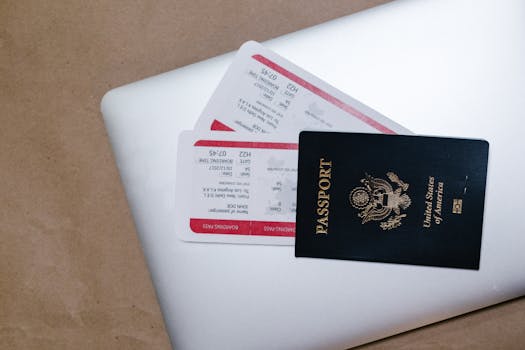
Close-up of a passport and boarding passes on a laptop, symbolizing travel preparation. Photo: RDNE Stock project / Pexels
Before you even start searching for flights to Canada from US, understanding the necessary travel requirements is paramount for a smooth and stress-free journey. For US citizens, a valid passport is the primary document required for air travel into Canada. Your passport must be valid for the duration of your stay. While an expiration date just beyond your return date is generally accepted, it's always recommended to have at least six months of validity remaining to avoid any unforeseen issues. For frequent travelers, the NEXUS program offers expedited processing at designated border crossings and airports, which can be a significant time-saver. This trusted traveler program requires a pre-approval process, including an interview and background check, but once approved, it streamlines your entry into both the US and Canada. Beyond identification, it's crucial to be aware of any specific entry requirements or advisories issued by the Canadian government. While COVID-19 related restrictions have largely been lifted, it's always wise to check the official Government of Canada website or Global Affairs Canada for the most up-to-date information on entry rules, health protocols, and customs regulations. This includes understanding what goods you can bring into the country (e.g., alcohol, tobacco, currency limits) and what is prohibited. For non-US citizens traveling from the US to Canada, additional requirements may apply, such as a visa or an Electronic Travel Authorization (eTA) if you are from a visa-exempt country. It's the traveler's responsibility to ensure all necessary documentation is in order before departure. Airlines will deny boarding if you do not possess the required travel documents, leading to significant inconvenience and potential financial loss. Having digital and physical copies of your essential documents, including flight confirmations and accommodation details, can also be helpful. Being fully prepared with all documentation not only ensures a hassle-free entry into Canada but also contributes to a more relaxed overall travel experience, allowing you to focus on enjoying your destination. For more advice on seamless international travel, refer to our comprehensive travel tips.

Tips for a Smooth Journey: Flights to Canada from US

A bustling airport scene with travelers on a moving walkway in a modern terminal. Photo: Rafael Rodrigues / Pexels
Ensuring a smooth journey when taking flights to Canada from US involves more than just booking a ticket; it requires thoughtful planning and preparation. Here are some essential tips to make your cross-border air travel as comfortable and efficient as possible: * **Arrive Early at the Airport:** For international flights, arriving at least 2-3 hours before your scheduled departure is highly recommended. This allows ample time for check-in, baggage drop, security screening, and any potential delays, especially at busy hubs. * **Check Baggage Policies:** Airlines have varying baggage allowances and fees, particularly for checked luggage and carry-ons. Always review your specific airline's policy before packing to avoid unexpected charges at the airport. Consider packing light to avoid checked bag fees if possible. * **Stay Informed on Flight Status:** Sign up for flight alerts from your airline or use a flight tracking app. This keeps you updated on any schedule changes, gate changes, or delays, allowing you to adjust your plans accordingly. * **Pack Smart for Customs:** Keep essential documents (passport, boarding pass) easily accessible. If you're bringing declarable items, have receipts and be ready to declare them to Canadian Customs. Knowing what is allowed and prohibited can expedite your customs process. * **Consider Travel Insurance:** While not always mandatory, travel insurance can provide peace of mind in case of unforeseen circumstances like flight cancellations, medical emergencies, or lost luggage. Especially for international travel, it's a worthwhile consideration. * **Understand Currency and Connectivity:** Canada uses the Canadian Dollar (CAD). Inform your bank of your travel plans to avoid issues with credit/debit card usage. Research international roaming options for your phone or consider purchasing a local SIM card upon arrival. * **Be Aware of Time Zone Changes:** Depending on your destination, you might cross one or more time zones. Factor this into your arrival plans and potential jet lag. Adjusting your sleep schedule a day or two before departure can help. By following these tips, your experience with flights to Canada from US will be significantly more pleasant and free of last-minute hiccups, allowing you to fully enjoy your Canadian adventure from the moment you take off.

Comparison

FeatureMajor Airlines (Air Canada, Delta)Budget Airlines (Flair, Swoop)Charter Flights
Route AvailabilityExtensive, many directLimited, specific hubsNiche, seasonal
In-flight Amenities✓ (Meals, entertainment)✗ (Paid extras)Varies greatly
Baggage FeesOften included (checked)Always extraCan be included
Flexibility/ChangesMore flexible optionsStrict, costly changesVery limited
Price PointHigher base fareLower base fareMid-range to high

What Readers Say

"Finding flights to Canada from US was a breeze thanks to the tips here. I booked a direct flight to Vancouver and saved a lot by being flexible with my dates. The customs advice was spot on, making my entry seamless."

Sarah J. · Seattle, WA

"This guide truly helped me navigate the best airlines for my trip to Montreal. I appreciated the detailed breakdown of travel requirements, which prevented any surprises at the airport. Highly recommend for anyone planning a cross-border flight."

Mark D. · Boston, MA

"I used the booking strategies mentioned, clearing my cookies and comparing sites, and managed to snag an amazing deal on flights to Toronto. It saved me over $150, which I put towards my accommodation. Super helpful information!"

Emily R. · Los Angeles, CA

"The information on NEXUS was particularly useful, as I travel to Canada frequently for business. While I haven't gotten it yet, it's definitely on my radar now. The overall advice for flights to Canada from US is comprehensive, though some airport-specific tips would be a nice addition."

David L. · Miami, FL

"As a first-time international flyer to Canada, I was a bit nervous. This article covered everything from passport validity to baggage rules, making me feel much more prepared. My flight from Chicago to Calgary was incredibly smooth."

Jessica M. · Chicago, IL

Frequently Asked Questions

What documents do I need for flights to Canada from US?

For US citizens, a valid passport is the primary document required for air travel to Canada. It's recommended your passport be valid for at least six months beyond your intended stay. Non-US citizens may require a visa or an Electronic Travel Authorization (eTA) in addition to their passport, depending on their country of origin.

Are flights to Canada from US expensive?

The cost of flights can vary widely based on your departure city, destination in Canada, time of year, and how far in advance you book. Generally, flights can range from under $100 for short regional hops to several hundred dollars for longer transcontinental routes. Flexibility with dates and booking strategies can significantly reduce costs.

How can I find the cheapest flights to Canada from US?

To find the cheapest flights, be flexible with your travel dates (mid-week and off-season are often cheaper), book 2-4 months in advance, use flight comparison websites, consider flying into smaller airports, and clear your browser cookies when searching. Also, look out for sales from major airlines.

What are the main airlines flying from the US to Canada?

Major airlines operating flights between the US and Canada include Air Canada, WestJet, United Airlines, Delta Air Lines, American Airlines, and Alaska Airlines. Several budget carriers also offer limited routes, providing more options for cost-conscious travelers.

Is it better to fly direct or have a layover for flights to Canada from US?

Direct flights are almost always more convenient and reduce the risk of missed connections or lost luggage. While flights with layovers can sometimes be cheaper, the time saved and reduced stress of a direct flight often outweigh the potential savings, especially for shorter distances.

Who should consider the NEXUS program for travel to Canada?

The NEXUS program is ideal for frequent travelers, including business travelers and those who visit family or friends across the border regularly. It significantly speeds up processing times at designated land, air, and marine ports of entry, saving valuable time and hassle.

Are there any specific health requirements for entering Canada from the US?

As of my last update, most COVID-19 related restrictions for entering Canada have been lifted. However, it is crucial to check the official Government of Canada website (travel.gc.ca) for the most current health and entry requirements before your trip, as regulations can change.

What is the future outlook for flights between the US and Canada?

The outlook remains strong, with a consistent demand for travel between the two nations. We can expect continued expansion of direct routes, increased competition among airlines, and potentially more sustainable aviation practices. Technological advancements may also streamline booking and airport processes further.

Ready to explore the majestic landscapes and vibrant cities north of the border? Start planning your adventure today and find the perfect flights to Canada from US with confidence. Your Canadian journey awaits!

Topics: flights to Canada from USCanada travel from USUS Canada flightscross-border flightsair travel Canada
Leo List
Brampton weed
Adultwork