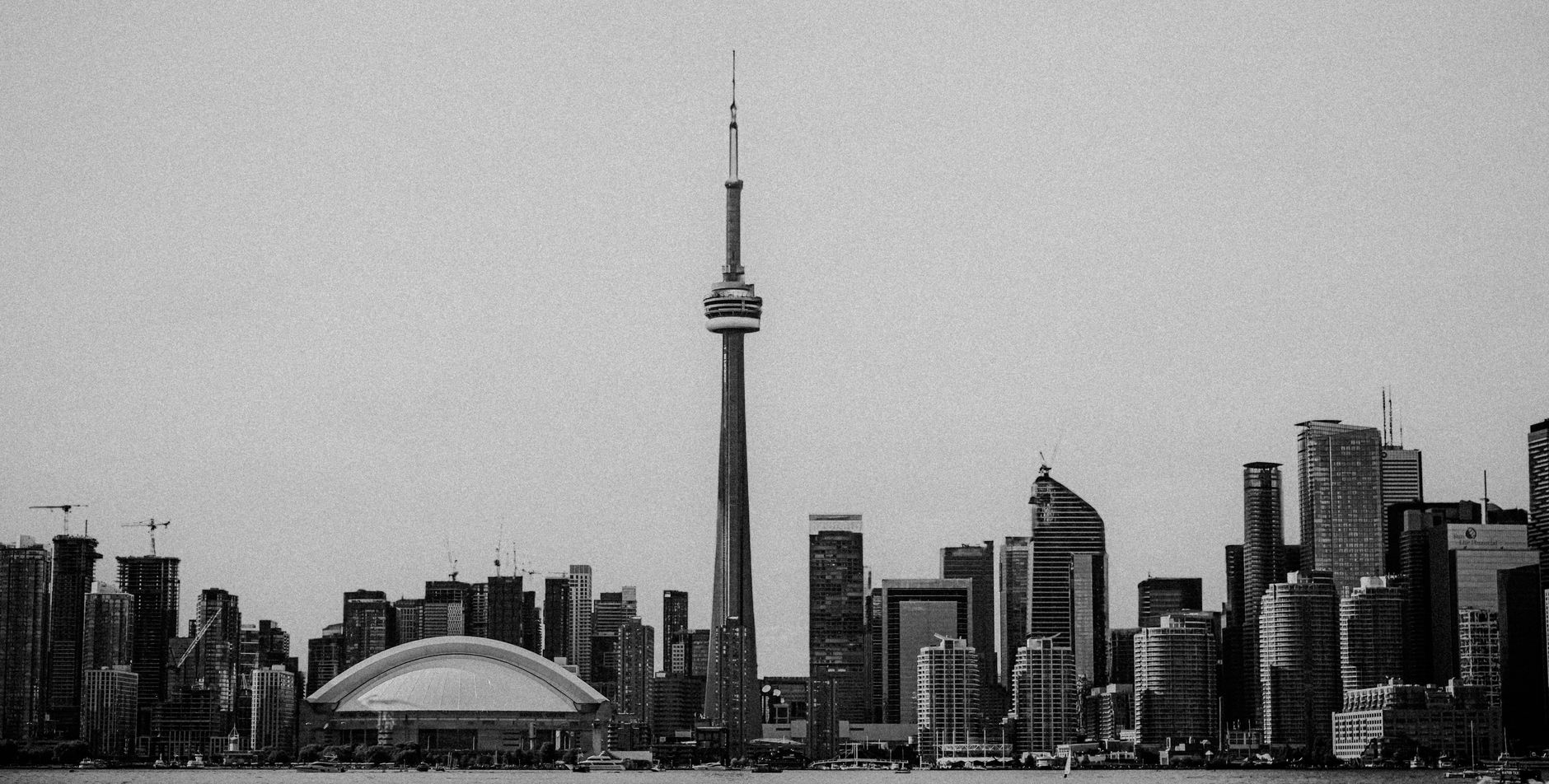
Unveiling the Cost of Living in Toronto for Tourists
cost of living in Toronto for tourists

Unveiling the Cost of Living in Toronto for Tourists

Master your Toronto travel budget with our comprehensive guide to accommodations, dining, attractions, and transport.

Plan Your Toronto Trip

Key Takeaways

  • ✓ Accommodation is often the largest expense for tourists in Toronto, ranging from CAD 100-500+ per night.
  • ✓ Public transportation (TTC) is efficient and affordable, with a single fare costing CAD 3.30.
  • ✓ Dining costs vary significantly, from CAD 15 for a casual meal to CAD 100+ per person for fine dining.
  • ✓ Many popular attractions offer free admission or discounted passes (e.g., CityPASS) to save money.

How It Works

1
Assess Your Travel Style

Determine if you prefer luxury, mid-range, or budget travel. This will significantly influence your daily spending in Toronto.

2
Research Accommodation Options

Compare hotels, Airbnb, hostels, and guesthouses based on location and price. Booking in advance often secures better rates.

3
Estimate Daily Expenses

Break down your budget into categories like food, transportation, attractions, and miscellaneous. Use average costs as a starting point.

4
Build in a Contingency Fund

Always allocate an extra 10-15% of your total budget for unexpected costs or spontaneous splurges. This prevents stress during your trip.

Understanding Accommodation Costs in Toronto for Your Trip

Contemporary hotel room with a man tying shoes in a bright Toronto setting. Photo: Andrew Neel / Pexels
When planning your visit to Toronto, understanding the varying accommodation costs is paramount, as this will likely be your largest single expense. Toronto, being Canada's largest city and a major global hub, offers a spectrum of lodging options catering to every budget and preference, from luxurious five-star hotels to cozy boutique guesthouses and economical hostels. The price you pay will be heavily influenced by several factors: the time of year you visit, the specific neighborhood you choose, and the type of lodging you prefer. Peak season, typically summer (June to August) and around major festivals like the Toronto International Film Festival (TIFF), sees significantly higher prices due to increased demand. Conversely, late fall and winter might offer more competitive rates, though you'll contend with colder weather. Downtown Toronto, especially areas like the Entertainment District, Yorkville, and the Financial District, boasts the highest prices for hotels, often ranging from CAD 250 to CAD 500+ per night for a mid-range to luxury stay. These areas offer unparalleled access to major attractions, dining, and nightlife, making them convenient but costly. For those seeking a balance of accessibility and slightly lower prices, consider neighborhoods just outside the immediate core, such as Queen West, Kensington Market, or parts of the Annex. Here, you might find boutique hotels or well-regarded Airbnbs for CAD 180 to CAD 350 per night. Budget travelers have viable options too, though they require more research and flexibility. Hostels, particularly in areas like Kensington Market or along College Street, can offer dormitory beds for as low as CAD 40-70 per night. Private rooms in hostels or budget hotels might cost CAD 100-150. Airbnb can be a wild card; while sometimes offering great deals on private rooms or entire apartments, prices have generally risen, and you also need to factor in cleaning fees and service charges. Always check the total price before booking. Location is key; staying further out, in areas like North York or Scarborough, might offer cheaper rates (CAD 100-200 for hotels/Airbnbs) but will increase your daily commute time and transportation costs into the city center. Another consideration is whether you prefer a hotel with amenities like a gym or pool, or if a simpler, no-frills room suffices. Business hotels often have higher rates but include services beneficial to tourists. For extended stays, some serviced apartments offer better value than nightly hotel rates. Regardless of your choice, booking well in advance, especially for popular times, is crucial to securing the best prices and availability. Don't forget to factor in the 13% Harmonized Sales Tax (HST) on accommodation, which is often added at checkout and can subtly increase your total travel expenses. Being strategic about your accommodation choice can free up significant funds for other experiences during your Toronto adventure.

Navigating Daily Expenses: Food, Transportation, and Attractions
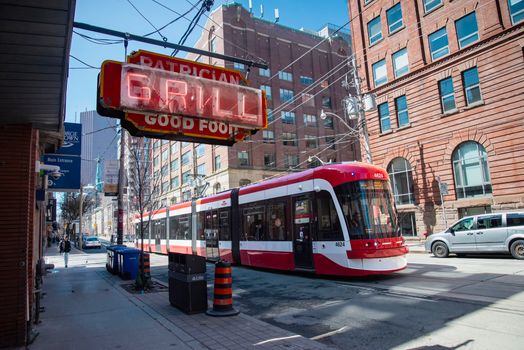
A modern streetcar travels through Toronto's urban landscape under a vintage Patrician Grill sign. Photo: @coldbeer / Pexels
Beyond accommodation, your daily expenses for food, transportation, and attractions will significantly shape the overall cost of living in Toronto for tourists. Toronto's culinary scene is incredibly diverse, reflecting its multicultural population, which means you can find dining options for every budget. For budget-conscious travelers, grabbing a coffee and pastry for breakfast might cost CAD 5-10. Lunch can range from CAD 15-25 for a casual eatery, a food truck, or a quick-service restaurant – think delicious pho in Chinatown, a vibrant roti from Little India, or a gourmet sandwich downtown. Dinner, predictably, is where costs can escalate. A mid-range restaurant meal with a drink might set you back CAD 35-60 per person, while fine dining experiences can easily exceed CAD 100 per person. To save money, consider cooking some of your meals if your accommodation has kitchen facilities, or take advantage of grocery stores like Loblaws, Metro, or smaller independent markets. Exploring Toronto's many ethnic neighborhoods often yields more affordable and authentic dining experiences. Transportation within Toronto is primarily handled by the Toronto Transit Commission (TTC), which operates subways, streetcars, and buses. It’s an efficient and extensive system, making it easy to get around without a car. A single adult fare costs CAD 3.30 if paid by PRESTO card or debit/credit card tap, or CAD 3.35 if paid by token or cash (though exact change is required for cash). A day pass, offering unlimited travel for one day, is CAD 13.50, which can be a good value if you plan on using public transit frequently. Weekly passes are also available for CAD 43.75. Taxis and ride-sharing services like Uber and Lyft are readily available but significantly more expensive, especially during peak hours or for longer distances. A typical ride across downtown might cost CAD 15-30, and airport transfers can range from CAD 50-70+. Walking is, of course, free and an excellent way to explore many of Toronto's vibrant neighborhoods. Attractions also present a range of costs. Iconic landmarks like the CN Tower (CAD 43-58), Ripley's Aquarium of Canada (CAD 44), and the Royal Ontario Museum (ROM) (CAD 26) have individual admission fees. Many other museums and galleries, such as the Art Gallery of Ontario (AGO), have general admission fees but often offer free evenings or discounted rates on specific days. For example, the AGO offers free admission on Wednesday evenings. The Toronto CityPASS is an excellent option for tourists planning to visit multiple major attractions; it typically includes admission to the CN Tower, Ripley's Aquarium, Casa Loma, Royal Ontario Museum, and Toronto Zoo, offering a significant saving compared to purchasing individual tickets. Many of Toronto's best experiences, however, are completely free: exploring Kensington Market, strolling through High Park, visiting the Distillery District, or relaxing on the Toronto Islands (ferry fee applies). Prioritizing which attractions are must-sees and looking for free alternatives can help manage your budget effectively. Remember to factor in a modest budget for souvenirs and unexpected delights.

Budgeting Strategies and Hidden Costs for a Toronto Vacation
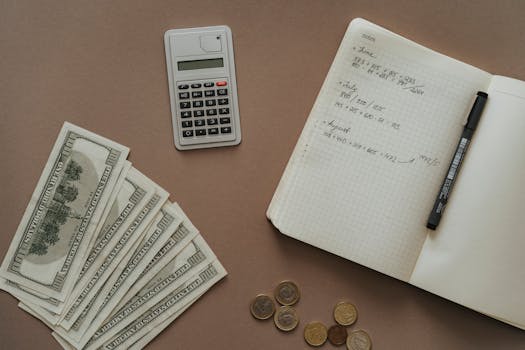
Flat lay with calculator, notebook, and US dollars ideal for financial concepts. Photo: olia danilevich / Pexels
Effective budgeting is the cornerstone of enjoying your Toronto vacation without financial stress. Beyond the obvious expenses of accommodation, food, and attractions, there are several budgeting strategies and potential hidden costs that tourists should be aware of. One of the most effective strategies is to plan your itinerary with a clear daily budget in mind. This doesn't mean rigidly adhering to every dollar, but rather having a general idea of your spending limits for each category. For instance, if you plan a high-cost dinner one evening, balance it with a more economical lunch or free activity the next day. Utilizing free attractions, such as exploring the diverse neighborhoods, walking along the waterfront, or enjoying one of Toronto's many parks, can significantly reduce your daily outlay. Look for free events or festivals happening during your visit; Toronto's cultural calendar is packed, especially in summer. Another smart move is to leverage discounts. As mentioned, the Toronto CityPASS is invaluable for major attractions. Also, many attractions offer student, senior, or family discounts – always ask! Consider purchasing a multi-day TTC pass if you plan extensive public transit use. For dining, look for lunch specials, happy hour deals, or 'prix fixe' menus which offer multi-course meals at a set price, often a better value than ordering à la carte. Avoiding tourist trap restaurants, which tend to be overpriced and offer mediocre food, is also a good strategy. Instead, venture a few blocks away from major attractions to find more authentic and affordable local eateries. Be mindful of hidden costs that can quickly add up. Taxes are a significant one in Canada. The Harmonized Sales Tax (HST) is 13% and applies to almost all goods and services, including accommodations, meals, and purchases. While prices displayed often exclude tax, it's always added at the point of sale. Tipping is also customary and expected in Canada, especially in restaurants, bars, and for services like taxis or hotel porters. A standard tip for good service is 15-20% of the pre-tax bill. Failing to factor this in can make your meals and services more expensive than anticipated. ATM fees can also eat into your budget; try to withdraw larger sums less frequently or use debit/credit cards that offer no foreign transaction fees. Currency exchange rates can fluctuate, so keep an eye on them if you're exchanging foreign currency. Finally, don't forget miscellaneous expenses like travel insurance, which is highly recommended for any international trip, and personal shopping or souvenirs. A small contingency fund (10-15% of your total budget) for unexpected expenses or spontaneous purchases is always a wise idea. By being proactive and informed about these various costs and implementing smart budgeting strategies, you can significantly enhance your experience and manage the overall cost of your trip to Toronto, ensuring a memorable and financially comfortable visit.

Smart Saving Tips and Common Tourist Budgeting Mistakes

To truly master the cost of living in Toronto for tourists, it's essential to not only understand where your money will go but also how to save it and avoid common pitfalls. Here are some smart saving tips and budgeting mistakes to steer clear of during your Toronto adventure. **Smart Saving Tips:** * **Embrace Public Transit:** The TTC is your best friend. A single fare is CAD 3.30. Consider a Presto card for easier tap-and-go payments or a day pass if you plan extensive travel. Avoid taxis and ride-shares for general sightseeing unless absolutely necessary. * **Self-Cater Some Meals:** Utilize grocery stores like Loblaws, Metro, or No Frills to buy breakfast items, snacks, and even ingredients for simple lunches or dinners if your accommodation has a kitchen. This can dramatically cut down on food costs. * **Happy Hour and Lunch Specials:** Many restaurants offer discounted drinks and appetizers during happy hour or more affordable lunch menus. Take advantage of these to experience Toronto's culinary scene without breaking the bank. * **Free Attractions:** Toronto boasts numerous free attractions. Explore High Park, stroll through the Distillery District, visit Kensington Market, walk the Harbourfront, or enjoy the many vibrant street art murals. Many museums also offer free admission on specific evenings. * **Water Bottle:** Carry a reusable water bottle. Tap water in Toronto is safe and delicious, saving you money on bottled water purchases. * **Walk Everywhere Possible:** Toronto is a very walkable city, especially downtown and within distinct neighborhoods. Not only is it free, but it's also the best way to soak in the city's atmosphere and discover hidden gems. * **Look for Bundled Deals:** Beyond the CityPASS, check if attractions offer combination tickets or if your hotel provides any discounts with local partners. **Common Tourist Budgeting Mistakes:** * **Not Factoring in HST and Tips:** This is perhaps the biggest oversight. Remember, 13% HST is added to almost everything, and 15-20% tipping is customary. Your CAD 20 meal quickly becomes CAD 26. * **Relying on Taxis/Ride-Shares:** While convenient, these services can quickly deplete your budget. A short ride can easily be CAD 15-20, and multiple rides add up. * **Eating Out for Every Meal:** Dining out three times a day, even at mid-range places, will significantly inflate your food budget. Mix in self-catered meals or casual take-out. * **Impulse Shopping:** Souvenirs and impulse purchases can add up. Set a specific budget for shopping and stick to it. * **Not Booking in Advance:** Especially for accommodations and popular tours, last-minute bookings often come with higher prices and limited availability. * **Ignoring Currency Exchange Rates:** If you're using foreign currency, be aware of the exchange rate and any fees your bank might charge for international transactions. Using a travel-friendly credit card can help. * **Over-scheduling Expensive Activities:** Don't feel pressured to visit every single paid attraction. Prioritize your top few and balance them with free or low-cost alternatives. Focusing on experiences over simply ticking off landmarks can be more rewarding and budget-friendly.

Comparison

FeatureBudget TravelerMid-Range TravelerLuxury Traveler
Accommodation (per night)CAD 40-100 (hostel/budget Airbnb)CAD 150-300 (3-4 star hotel/boutique Airbnb)CAD 350-700+ (5-star hotel/luxury suite)
Meals (per day)CAD 30-50 (groceries/street food/fast casual)CAD 70-120 (mix of casual/mid-range restaurants)CAD 150-300+ (fine dining/upscale restaurants)
Transportation (per day)CAD 6.60 (2 TTC rides)CAD 13.50 (TTC Day Pass/occasional ride-share)CAD 20-50+ (frequent ride-share/taxi)
Attractions (per day)CAD 0-25 (free sites/1 paid attraction)CAD 30-70 (1-2 paid attractions/CityPASS)CAD 80-150+ (multiple premium attractions/tours)
Daily Total (excl. shopping)CAD 70-185CAD 260-500CAD 600-1250+

What Readers Say

"I was worried about the cost of living in Toronto for tourists, but this guide helped me budget perfectly. I saved a ton on food by hitting up Kensington Market and using the TTC. Highly recommend planning ahead!"

Sarah J. · Boston, USA

"Toronto can be pricey, but knowing what to expect made all the difference. We opted for an Airbnb with a kitchen and cooked breakfast daily, which saved us at least $30-40 CAD every morning."

David M. · London, UK

"I followed the advice on using the CityPASS and it truly paid off. We saw five major attractions for a fraction of the individual ticket prices, making our trip much more affordable."

Maria P. · Mexico City, Mexico

"The guide was mostly accurate, though I found some mid-range restaurants slightly pricier than expected, especially after tax and tip. Still, it gave me a solid framework to plan my expenses."

Ben T. · Sydney, Australia

"Even as a Canadian, I found the breakdown of the cost of living in Toronto for tourists incredibly useful. The tips on free activities and public transport were spot on for keeping costs down."

Liam K. · Vancouver, Canada

Frequently Asked Questions

What is an average daily budget for a tourist in Toronto?

An average daily budget for a mid-range tourist in Toronto, excluding accommodation, typically ranges from CAD 100-200. This includes casual dining, public transportation, and admission to one or two paid attractions. Budget travelers might manage on CAD 60-100, while luxury travelers could easily spend CAD 300+ per day.

Is Toronto an expensive city for tourists?

Toronto can be considered an expensive city, especially for accommodation and upscale dining. However, with careful planning, utilizing public transportation, taking advantage of free attractions, and self-catering some meals, it's entirely possible to enjoy Toronto on a moderate budget without feeling deprived.

How can I save money on food while visiting Toronto?

To save money on food, consider buying groceries for breakfast and snacks, explore ethnic neighborhoods for more affordable and authentic meals, look for lunch specials or happy hour deals, and limit fine dining to a few special occasions. Food trucks and casual eateries are also great budget-friendly options.

Is the Toronto CityPASS worth buying?

The Toronto CityPASS is generally worth buying if you plan to visit at least three of the five included attractions (CN Tower, Ripley's Aquarium, Casa Loma, Royal Ontario Museum, Toronto Zoo). It offers significant savings compared to purchasing individual tickets and can streamline your entry process.

How does Toronto's cost of living for tourists compare to other major Canadian cities?

Toronto's cost of living for tourists is generally comparable to or slightly higher than Vancouver, especially concerning accommodation. It tends to be more expensive than cities like Montreal or Calgary, particularly for dining and entertainment, though public transport costs are relatively consistent across major cities.

Who should be most concerned about the cost of living in Toronto for tourists?

Tourists on a very tight budget, those planning an extended stay, or families traveling with multiple children should be most concerned about managing expenses. Without careful planning, costs can quickly escalate, impacting the overall enjoyment of the trip. Luxury travelers will find options to match their budget, though still benefit from understanding local pricing.

Are there any safety concerns regarding money or budgeting in Toronto?

Toronto is generally a very safe city. The main concern regarding money is simply overspending. Be aware of your surroundings, especially in crowded tourist areas, but there are no specific safety risks tied to budgeting beyond general travel precautions. Avoid carrying excessive amounts of cash and use secure payment methods.

What future trends might impact the cost of living in Toronto for tourists?

Future trends that could impact tourist costs include continued inflation affecting food and accommodation prices, potential increases in public transport fares, and the fluctuating Canadian dollar's value against other major currencies. Demand for tourism in Toronto is steadily growing, which could also drive up peak-season prices for popular services and attractions.

Armed with this comprehensive guide to the cost of living in Toronto for tourists, you're now ready to plan your ideal Canadian adventure. Take control of your budget, make informed choices, and get ready to experience all the vibrant culture, delicious food, and stunning sights Toronto has to offer without any financial surprises. Start planning your unforgettable trip today!

Topics: cost of living in Toronto for touristsToronto travel budgetToronto tourist expensesbudgeting for Toronto tripaverage cost Toronto vacation
Leo List
Brampton weed
Adultwork