Unforgettable Canadian Wildlife Viewing Tours Await
Canadian wildlife viewing tours

Unforgettable Canadian Wildlife Viewing Tours Await

Embark on an epic journey to witness Canada's majestic creatures in their pristine natural environments.

Plan Your Adventure

Key Takeaways

  • ✓ Canada boasts over 80 species of mammals and 460 species of birds.
  • ✓ Prime viewing seasons vary by species, with summer and fall being popular.
  • ✓ Responsible tourism prioritizes animal welfare and habitat preservation.
  • ✓ Expert guides significantly enhance viewing opportunities and safety.

How It Works

1
Choose Your Wildlife Focus

Decide which iconic Canadian species you most want to encounter, such as bears, whales, or eagles. This choice will help narrow down the best regions and times for your tour.

2
Select Your Region & Season

Canada's vastness means different wildlife thrives in different areas at specific times of the year. Research the optimal season for your chosen species and region.

3
Book a Reputable Tour Operator

Opt for operators with strong ethical guidelines, experienced guides, and positive reviews. Ensure they prioritize animal welfare and environmental sustainability on their Canadian wildlife viewing tours.

4
Prepare for Your Expedition

Pack appropriate clothing for varying weather conditions, binoculars, and a camera. Listen carefully to your guide's instructions to ensure a safe and respectful viewing experience.

Exploring Canada's Diverse Wildlife Habitats
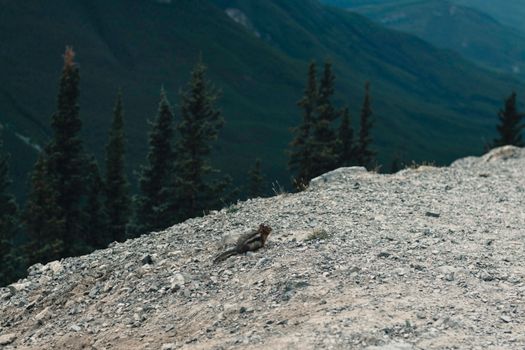
Squirrel on rocky terrain in Banff's mountainous wilderness. Photo: Ali Kazal / Pexels
Canada, a country renowned for its vast, untamed wilderness, offers unparalleled opportunities for wildlife enthusiasts seeking authentic encounters with nature's most magnificent creatures. From the rugged coastlines of British Columbia to the pristine Arctic tundra, and the expansive boreal forests stretching across the central provinces, the diversity of habitats supports an incredible array of animal life. Embarking on Canadian wildlife viewing tours is not merely a vacation; it's an immersive journey into ecosystems where animals roam free, often untouched by human development. These tours provide a unique window into the lives of species ranging from the majestic grizzly bear foraging for salmon, to pods of orcas breaching in the Pacific, and elusive polar bears navigating icy landscapes. Understanding the unique characteristics of these habitats is crucial for appreciating the incredible biodiversity Canada protects. For instance, the temperate rainforests of the Pacific Northwest are home to the rare Kermode 'Spirit' Bear, a subspecies of black bear with white fur, a truly magical sight. The complex interplay of mountains, rivers, forests, and oceans creates microclimates that support distinct populations, making each region a unique wildlife destination. Travel to the Maritimes, and you'll find a rich marine environment teeming with whales, seals, and seabirds, while the Canadian Prairies, often overlooked, host bison herds and migratory birds. Responsible tourism plays a vital role in preserving these delicate balances, ensuring that our presence is respectful and non-intrusive. Tour operators specializing in Canadian wildlife viewing tours often partner with conservation groups, contributing directly to research and protection efforts. They adhere to strict guidelines regarding approach distances, noise levels, and waste management, minimizing human impact on these sensitive environments. This commitment to sustainability ensures that future generations can also marvel at Canada's natural heritage. The sheer scale of Canada's wilderness means that even with growing interest, there are still vast areas where wildlife thrives undisturbed, offering a sense of true adventure and discovery for those willing to explore. Prepare to be amazed by the raw beauty and power of nature on a scale rarely seen elsewhere in the world. The experience goes beyond just spotting animals; it's about connecting with the wild heart of Canada and gaining a deeper appreciation for its ecological treasures. Choosing the right tour means considering the specific animals you wish to see, the time of year, and the type of immersive experience you desire, whether it's a multi-day expedition or a shorter, focused excursion. Each choice opens up a different chapter in Canada's grand wildlife story. The educational component of these tours is also significant, with knowledgeable guides providing insights into animal behavior, ecological roles, and conservation challenges.

Iconic Encounters: What to Expect on Your Tour
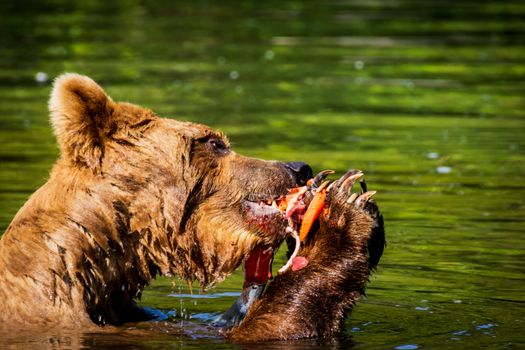
Close-up of a grizzly bear catching a salmon in a river in Alaska, showcasing vibrant wildlife in summer. Photo: Lamont Mead / Pexels
When planning Canadian wildlife viewing tours, the sheer variety of potential encounters can be overwhelming, yet incredibly exciting. Canada is globally recognized for its 'Big Five' wildlife experiences: bears (grizzly, black, and polar), whales (orca, humpback, beluga), moose, caribou, and bison. Each offers a distinct and unforgettable experience. For bear enthusiasts, British Columbia is a prime destination, particularly during the salmon run season in late summer and fall, when grizzlies congregate along rivers to feast. Coastal tours often include boat excursions to remote inlets where bears can be observed fishing, often from a safe distance on shore or from viewing platforms. For those dreaming of seeing the majestic polar bear, Churchill, Manitoba, often dubbed the 'Polar Bear Capital of the World,' is the undisputed go-to. Here, specialized tundra buggies provide elevated, secure viewing opportunities as these magnificent predators roam the subarctic landscape in autumn, awaiting the sea ice formation. Whale watching is another cornerstone of Canadian wildlife viewing tours. Both the Pacific and Atlantic coasts offer spectacular opportunities. British Columbia's Johnstone Strait is world-famous for its resident orca populations, while the Bay of Fundy in Nova Scotia and New Brunswick is a feeding ground for humpback, fin, and minke whales, alongside the critically endangered North Atlantic right whale. These marine excursions often involve zodiacs or larger vessels, guided by marine biologists who provide fascinating commentary on whale behavior and conservation efforts. Beyond these headline acts, Canada's wilderness teems with other incredible creatures. Spotting a moose, the largest member of the deer family, can be a highlight in areas like Algonquin Provincial Park in Ontario or throughout Newfoundland and Labrador. Caribou herds, particularly in the northern territories, offer a glimpse into vast migratory patterns, while the reintroduction of bison to protected areas like Elk Island National Park in Alberta allows for observations of these iconic prairie giants. Birdwatchers will also find Canada a paradise, with opportunities to see bald eagles soaring, puffins nesting on coastal cliffs, and a myriad of migratory waterfowl. What truly elevates these encounters is the expertise of the local guides. They possess an intimate knowledge of the terrain, animal behavior, and the best viewing spots, significantly increasing your chances of a successful sighting. More importantly, they ensure these interactions are conducted ethically and safely, respecting the animals' space and natural routines. They are not just guides but often passionate conservationists, sharing stories and facts that deepen your connection to the environment. Expect early mornings, sometimes bumpy rides, and the need for patience – but the reward of witnessing these animals in their natural element is immeasurable. Each tour is an adventure, a chance to connect with the wild heart of Canada and create memories that will last a lifetime.

Planning Your Adventure: Seasons, Regions, and Sustainability
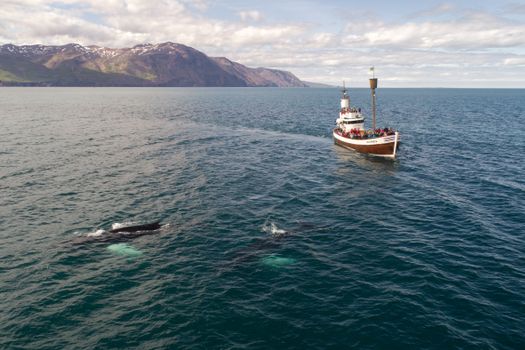
Tourists in small sea boat admiring wild whale during Whale watching tour near mountainous coast on sunny day Photo: ArtHouse Studio / Pexels
Successful Canadian wildlife viewing tours hinge on meticulous planning, primarily around understanding the optimal seasons and regions for your target species. Canada's immense size means that 'best time' is highly relative. For example, if you dream of seeing polar bears, late autumn (October-November) in Churchill, Manitoba, is paramount as they gather awaiting the ice. Conversely, spring and summer (May-September) are ideal for whale watching along both coasts, with specific months offering peak sightings for different species. Bear viewing, particularly grizzlies, is best in late summer and early fall (August-October) when salmon runs are abundant in coastal British Columbia. For land mammals like moose, elk, and bison, late spring and early fall often provide good opportunities as vegetation is less dense and animals are more active. Choosing the right region is equally critical. The Canadian Rockies (Alberta and British Columbia) are excellent for bighorn sheep, mountain goats, and occasionally grizzly bears. Vancouver Island and the Great Bear Rainforest in British Columbia are world-renowned for their bear and whale populations. The Gaspé Peninsula in Quebec and the Bay of Fundy in the Maritimes are marine mammal hotspots. The Arctic regions offer unparalleled chances to see polar bears, muskoxen, and various Arctic birds. Beyond the 'where' and 'when,' sustainability is a cornerstone of responsible Canadian wildlife viewing tours. A reputable tour operator will always prioritize the welfare of the animals and the health of their habitats. This includes maintaining safe and respectful distances, avoiding disturbance to breeding or feeding grounds, and operating with minimal environmental impact. Look for operators who are certified by eco-tourism bodies, contribute to local conservation efforts, and employ local guides who understand the delicate balance of their environment. Many tours now incorporate educational components, fostering a deeper appreciation for conservation. Travel with an open mind and a commitment to leave no trace. This means packing out everything you pack in, staying on designated trails, and never feeding wild animals. Supporting local communities is another aspect of sustainable tourism; choosing locally-owned accommodations, restaurants, and souvenir shops helps ensure that the economic benefits of tourism are shared directly with those who live closest to these precious ecosystems. Packing for your trip should consider varying weather conditions, as Canada's climate can be unpredictable, even within a single season. Layers are essential, as are waterproof outer shells, sturdy hiking boots, and sun protection. Binoculars are a non-negotiable item for enhancing your viewing experience, and a good camera with a zoom lens will allow you to capture incredible moments without encroaching on animal space. Finally, prepare for the unexpected; wildlife is wild, and sightings are never guaranteed. Embrace the journey, the anticipation, and the sheer joy of being in some of the world's most pristine natural landscapes. The true reward of these tours often lies not just in the sightings, but in the profound connection forged with the wild heart of Canada.

Maximizing Your Experience: Tips for Successful Wildlife Spotting

A man with a tattoo observes with binoculars near a river, showcasing exploration. Photo: shota legashvili / Pexels
To truly get the most out of your Canadian wildlife viewing tours, a little preparation and adherence to best practices can make all the difference. Here are some essential tips to maximize your chances of unforgettable encounters while ensuring a respectful presence: * **Embrace the Early Bird (or Night Owl) Mentality:** Many of Canada's most charismatic animals are crepuscular, meaning they are most active during dawn and dusk. Be prepared for early morning starts and sometimes evening excursions, as these hours often yield the best viewing opportunities when animals are foraging or hunting. * **Dress in Layers and Earth Tones:** Canadian weather can change rapidly. Layers allow you to adapt to varying temperatures. Opt for neutral, earthy colors to blend into the environment and avoid bright clothing that might startle animals. * **Patience is Your Best Friend:** Wildlife viewing is not like visiting a zoo. Animals operate on their own schedules. Be prepared to wait quietly, observe patiently, and understand that sightings are never guaranteed. The thrill often lies in the search itself. * **Invest in Good Optics:** A pair of quality binoculars (8x42 or 10x42 are excellent choices) is indispensable. They will bring distant animals into clear view without requiring you to approach too closely, enhancing both your experience and the animals' safety. A camera with a powerful zoom lens is also highly recommended. * **Listen to Your Guide:** Your tour guides are experts in their field, with deep knowledge of local wildlife, their behaviors, and safe viewing protocols. Their instructions are paramount for your safety and the welfare of the animals. They can also point out subtle signs of animal presence you might otherwise miss. * **Maintain Silence and Distance:** Loud noises can scare animals away or cause distress. Keep conversations to a minimum and whispers when necessary. Always respect the designated safe viewing distances set by your guide and regulations, typically 30 meters for most animals and 100 meters for bears and wolves. * **Leave No Trace:** Practice strict 'Leave No Trace' principles. Pack out all your garbage, do not disturb vegetation, and never feed wild animals. Feeding can habituate animals to humans, leading to dangerous encounters and disrupting their natural foraging behaviors. * **Research Your Target Species:** A little knowledge goes a long way. Understanding the typical behaviors, habitats, and seasonal patterns of the animals you hope to see will deepen your appreciation for them and help you interpret what you observe. * **Bring a Field Guide:** A local field guide for birds and mammals can enhance your educational experience, allowing you to identify different species and learn more about them on the spot. * **Consider Off-Peak Seasons for Unique Experiences:** While peak seasons guarantee more sightings, traveling during the shoulder seasons can offer unique perspectives, fewer crowds, and sometimes different animal behaviors, albeit with potentially fewer overall sightings. For instance, late spring can be excellent for seeing newborn animals. By following these tips, you'll not only increase your chances of incredible wildlife encounters but also contribute to ethical and sustainable tourism, ensuring that Canada's magnificent creatures can continue to thrive for generations to come.

Comparison

FeatureBear & Whale Tour (BC)Polar Bear Expedition (MB)Marine Wildlife Cruise (ATL)
Primary SpeciesGrizzly, Orca, HumpbackPolar Bear, Arctic FoxHumpback, Puffin, Seal
Best SeasonAug-OctOct-NovJun-Sep
Typical Duration3-7 Days5-7 Days1-3 Days
AccessibilityModerateChallengingEasy-Moderate
Cost LevelHighVery HighMedium
Land-Based Viewing
Boat/Zodiac Viewing
Remote Wilderness

What Readers Say

"Our Canadian wildlife viewing tour in Tofino was absolutely breathtaking. We saw a mother bear and her cubs foraging on the beach, and later, a pod of orcas hunting. It was truly a once-in-a-lifetime experience, perfectly organized and incredibly informative."

Sarah L. · Toronto, ON

"The polar bear expedition in Churchill was beyond my wildest dreams. The tundra buggies provided safe, close views, and our guide's knowledge was phenomenal. I highly recommend these Canadian wildlife viewing tours for any serious nature lover."

Mark D. · Seattle, WA

"I booked a whale watching tour off the coast of Nova Scotia and was not disappointed. We saw multiple humpbacks breaching and tail-slapping! It was an incredible result and cemented my love for marine life and Canadian wildlife viewing tours."

Jessica R. · London, UK

"The Kootenay Rockies wildlife tour was great, though a bit challenging to spot some of the more elusive animals. We did see elk and bighorn sheep, and the scenery was stunning. The guides were patient and very dedicated to finding wildlife."

David M. · Calgary, AB

"As an avid birdwatcher, my Canadian wildlife viewing tour to Newfoundland was exceptional. The puffin colonies were vibrant, and the gannets were spectacular. The local knowledge shared by the guide made the experience even richer."

Emily S. · Sydney, AUS

Frequently Asked Questions

What is the best time of year for Canadian wildlife viewing tours?

The 'best' time largely depends on the specific animals you wish to see. Generally, late spring (May-June) and early fall (September-October) are excellent for land mammals, while summer (July-August) is prime for whale watching. For polar bears, late autumn (October-November) is critical.

Are Canadian wildlife viewing tours safe?

Yes, reputable Canadian wildlife viewing tours prioritize safety above all else. They employ experienced, certified guides who are trained in wilderness first aid and animal behavior. Strict protocols are followed to maintain safe distances from animals, ensuring both human and animal well-being.

How do I choose the right tour operator for Canadian wildlife viewing tours?

Look for operators with strong ethical guidelines, positive reviews, and certifications from recognized tourism or conservation bodies. Prioritize those who employ local guides, contribute to conservation, and clearly outline their safety and sustainability practices. Ask about their animal encounter policies.

What is the typical cost of Canadian wildlife viewing tours?

The cost varies widely based on duration, location, species targeted, and level of luxury. Day trips can range from $100-$500, while multi-day expeditions, especially to remote areas like the Arctic, can cost several thousands of dollars. It's an investment in a unique, immersive experience.

How do Canadian wildlife viewing tours compare to safaris in other countries?

Canadian wildlife viewing tours offer a distinct experience compared to African safaris. While both provide incredible animal encounters, Canada focuses on vast, rugged wilderness and often temperate or arctic species. The approach is typically more about seeking out elusive animals in their natural, untamed environments, rather than large concentrations on open plains.

Who should consider taking Canadian wildlife viewing tours?

Anyone with a passion for nature, wildlife photography, or an adventurous spirit will love these tours. They are ideal for families, couples, and solo travelers who seek to connect with the natural world, learn about ecosystems, and witness majestic animals in their wild habitats.

What are the environmental impacts of Canadian wildlife viewing tours?

Responsible tours strive to minimize environmental impact by adhering to 'Leave No Trace' principles, using eco-friendly transportation when possible, and educating participants on conservation. They also contribute to local economies, which incentivizes communities to protect their natural resources and wildlife.

What future trends are emerging in Canadian wildlife viewing tours?

Future trends include increased focus on citizen science participation, more immersive and longer-duration expeditions into truly remote areas, and the integration of advanced technologies like drones for non-intrusive observation. There's also a growing demand for tours that emphasize indigenous cultural connections to the land and its wildlife.

Ready to embark on an extraordinary journey? Explore the diverse landscapes and incredible creatures that make Canadian wildlife viewing tours an unparalleled adventure. Book your unforgettable experience today and witness the wild heart of Canada.

Topics: Canadian wildlife viewing tourswildlife holidays Canadabear watching Canadawhale watching Canadanature travel Canada
Leo List
Brampton weed
Adultwork EstrelaBet Vai de Bet R7 Bet Betão Galera Bet Rainbet Bet9ja Shop SportyBet BetKing Sisal Loto Foot Hollywoodbets YesPlay Odibets RushBet Jugabet BetWarrior BetCity MSport betPawa Fortebet