Canada Visa Requirements for US Citizens: Your Ultimate Guide
canada visa requirements for us citizens

Canada Visa Requirements for US Citizens: Your Ultimate Guide

Unlock seamless travel to Canada! Discover all essential documents and tips for US citizens planning their next adventure.

Plan Your Canadian Trip

Key Takeaways

  • ✓ US citizens generally do NOT need a visa for tourism or business trips under six months.
  • ✓ A valid US passport or equivalent WHTI-compliant document is required for entry.
  • ✓ Children under 16 may only need a birth certificate when traveling by land or sea.
  • ✓ Driving with a DUI can lead to denial of entry to Canada.
  • ✓ Always check the latest entry requirements before traveling, as they can change.

How It Works

1
Gather Your Identification

Ensure you have a valid US passport, a NEXUS card, or an Enhanced Driver's License ready. These are the primary documents accepted for entry.

2
Understand Entry Methods

Your required documents can vary slightly depending on whether you're entering Canada by air, land, or sea. Air travel often has stricter requirements.

3
Check for Special Circumstances

Consider any criminal history, health concerns, or travel with minors, as these can affect your admissibility. Address these proactively.

4
Stay Informed & Prepare

Review the official Canadian government websites for the most current regulations. Have all documents organized and accessible for a smooth border crossing.

Understanding Canada Visa Requirements for US Citizens: The Basics

Iconic Blue Water Bridge spanning between the USA and Canada over clear waters. Photo: Yihan Wang / Pexels
For the vast majority of US citizens planning a trip north of the border, the good news is that understanding Canada visa requirements for US citizens is refreshingly straightforward: a visa is typically NOT required for short-term visits. This applies whether you're heading to Vancouver for a business conference, exploring the vibrant streets of Toronto, or embarking on a scenic road trip through the Canadian Rockies. The key differentiator is the purpose and duration of your stay. As a US citizen, you are generally granted visa-exempt status for tourism, business, or transit, provided your stay does not exceed six months. This exemption streamlines the process considerably, allowing for spontaneous trips and easier planning. The cornerstone of your entry into Canada will be proper identification. While a visa is not necessary, you absolutely must present acceptable documentation to prove your citizenship and identity. The most universally accepted and recommended document is a valid US passport. A passport not only serves as proof of citizenship but also verifies your identity and is recognized internationally. It's crucial that your passport remains valid for the entirety of your intended stay in Canada. While Canada doesn't explicitly require a six-month validity period beyond your departure date like some other countries, it's always a best practice to have a passport that won't expire anytime soon to avoid unforeseen issues. Beyond the passport, other Western Hemisphere Travel Initiative (WHTI)-compliant documents may be accepted, particularly for land and sea travel. These include a NEXUS card, which is an expedited border clearance program for pre-approved, low-risk travelers, and an Enhanced Driver's License (EDL) issued by certain US states. It's important to note that a standard driver's license alone is NOT sufficient for entry into Canada. For air travel, a valid US passport is almost always the mandatory document. Understanding these foundational requirements is the first step in ensuring a hassle-free journey across the border. Always double-check the expiry dates of all your travel documents well in advance of your trip to prevent any last-minute complications. Planning your international travel requires careful attention to detail.

Essential Documents for US Citizens Entering Canada by Air, Land, and Sea

A stunning monochrome capture of the iconic Niagara Falls with mist rising dramatically. Photo: Mariya Eskina / Pexels
While the overarching principle is that US citizens do not require a visa for short visits to Canada, the specific documentation needed can vary slightly depending on your mode of transportation. Understanding these nuances is crucial for a smooth entry process, whether you're flying into a major city, driving across a land border, or arriving by cruise ship. For US citizens entering Canada by air, the requirements are the most stringent. A valid US passport is the primary and almost universally required document. While there was a period where an Electronic Travel Authorization (eTA) was discussed for US citizens flying into Canada, this requirement was ultimately not implemented for US passport holders. Therefore, if you possess a valid US passport, you do not need an eTA to fly into Canada. Ensure your passport is in good condition and valid for your entire stay. It's also a good idea to have a return ticket or proof of onward travel, as well as evidence of sufficient funds to support yourself during your visit, though these are less frequently requested for US citizens. When entering Canada by land or sea, US citizens have a few more options in terms of acceptable identification. The most common and highly recommended document remains a valid US passport. However, WHTI-compliant documents are also accepted. These include a NEXUS card, which expedites border crossings for frequent travelers, and an Enhanced Driver's License (EDL) or Enhanced ID Card (EID) issued by certain US states (currently Michigan, Minnesota, New York, Vermont, and Washington). These enhanced documents contain a radio-frequency identification (RFID) chip that allows border officials to access your information quickly. Standard driver's licenses, birth certificates, or Social Security cards are NOT sufficient for land or sea travel unless you are a child under specific circumstances, which we will detail below. Always present the original documents; photocopies are not accepted. Having your vehicle registration and proof of insurance readily available is also advisable if you are driving your own car across the border. Regardless of your mode of entry, border services officers have the final say on your admission to Canada. They may ask questions about the purpose of your visit, the duration of your stay, and your ties to the US to ensure you intend to return. Being polite, honest, and having all your documents organized will facilitate a quick and pleasant experience. It’s always best to err on the side of caution and carry more documentation than you think you might need.

Special Considerations: Minors, Criminal Records, and Extended Stays

A family crossing the street in Paris on a sunny day, surrounded by greenery. Photo: Bingqian Li / Pexels
While Canada visa requirements for US citizens are generally straightforward, certain situations necessitate special attention to avoid potential entry issues. These include traveling with minors, having a criminal record, or planning a stay longer than the standard six-month visa-exempt period. Being prepared for these scenarios can save significant stress at the border. Traveling with children, especially when only one parent is present or if the child is traveling with guardians, requires specific documentation. If a child under 16 is traveling with both parents, a valid US passport or an original birth certificate (or a certified copy) is usually sufficient for land or sea travel. For air travel, a passport is mandatory for all individuals, including infants. If a child is traveling with only one parent, the accompanying parent should carry a consent letter from the non-accompanying parent, explicitly stating permission for the child to travel to Canada. This letter should include contact information for the absent parent and ideally be notarized. If the other parent is deceased, a death certificate should be carried. When a child is traveling with guardians or other adults who are not their parents, a notarized consent letter from both parents (or legal guardians) is required. This letter should authorize the accompanying adult to travel with the child and make decisions on their behalf during the trip. These measures are in place to prevent child abduction and ensure the welfare of minors crossing international borders. A criminal record, even for minor offenses, can significantly impact your admissibility to Canada. Unlike the US, Canada has very strict laws regarding entry for individuals with criminal convictions, including DUIs (Driving Under the Influence). Even a single DUI conviction, which might be considered a misdemeanor in the US, can render a US citizen inadmissible to Canada. This is because Canadian law views a DUI as a serious criminal offense. If you have any criminal record, it is crucial to address this *before* attempting to enter Canada. Options for overcoming criminal inadmissibility include applying for a Temporary Resident Permit (TRP) or, for older convictions, Criminal Rehabilitation. A TRP is for individuals who have a valid reason to enter Canada despite their inadmissibility, while Criminal Rehabilitation is a permanent solution for those who have completed their sentence and demonstrate they are no longer a risk. The application processes for both can be lengthy and complex, so early planning is essential. Simply showing up at the border with a criminal record is likely to result in denial of entry. Understanding international travel laws is vital. For US citizens planning to stay in Canada for more than six months, the visa-exempt status does not apply. In such cases, you will need to apply for the appropriate Canadian visa or permit, such as a study permit, work permit, or an extension of your visitor status, well in advance of your travel. Overstaying your permitted duration can lead to serious consequences, including future denial of entry to Canada. It is always advisable to be transparent about your intentions and to apply for the correct immigration document if your visit extends beyond the typical tourist or business trip timeframe. Consulting with a Canadian immigration lawyer or reviewing the official Immigration, Refugees and Citizenship Canada (IRCC) website for specific guidance on your situation is highly recommended.

Tips for a Smooth Canadian Border Crossing and Avoiding Common Mistakes
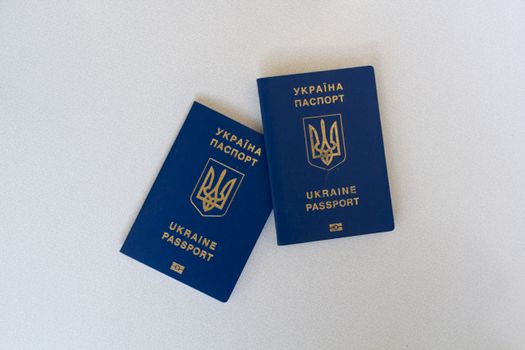
Two Ukrainian passports placed on a white surface in a flat lay style. Photo: Borys Zaitsev / Pexels
Even with the generally relaxed Canada visa requirements for US citizens, a smooth border crossing relies on preparation and awareness. Avoiding common pitfalls can save you time, stress, and potential denial of entry. Here are some essential tips to ensure your journey into Canada is as seamless as possible. One of the most crucial tips is to **be honest and transparent with border services officers**. They are trained to detect inconsistencies, and misleading information can lead to serious complications, including being banned from Canada. When asked about the purpose of your visit, the duration of your stay, or what you are bringing into the country, provide clear, concise, and truthful answers. Have your documents readily accessible, not buried in luggage, and present them politely when requested. **Declare all goods as required.** Canada has strict regulations on what can be brought into the country, including firearms, restricted food items (like certain fruits, vegetables, meats), and large sums of cash. If you are bringing gifts, alcohol, tobacco, or anything that might be subject to duties or restrictions, declare it. Failure to declare can result in fines, seizure of goods, or even criminal charges. Always check the Canada Border Services Agency (CBSA) website for current restrictions and allowances before packing. **Understand the implications of a DUI or other criminal record.** As previously mentioned, Canada's stance on criminal inadmissibility is very strict. Many US citizens are surprised to learn that a past DUI can prevent their entry. If you have any criminal history, do not attempt to cross the border without first consulting with a Canadian immigration lawyer or applying for a Temporary Resident Permit (TRP) or Criminal Rehabilitation. Showing up unprepared is a guaranteed way to be turned back. **Check expiry dates of all travel documents.** This seems obvious, but it's a common mistake. Ensure your passport, NEXUS card, or Enhanced Driver's License are valid for your entire planned stay. An expired document, even by a day, is not acceptable. **Traveling with pets? Know the rules.** Bringing your furry friend across the border requires specific documentation, typically including a valid rabies vaccination certificate signed by a licensed veterinarian. Other health certificates might be needed depending on the animal and its origin. Check the Canadian Food Inspection Agency (CFIA) website for the latest pet import requirements. **Be aware of currency and payment methods.** While major credit cards are widely accepted, it's always wise to have some Canadian currency on hand for smaller purchases, tolls, or emergencies. Exchange rates can fluctuate, so familiarize yourself with them. By following these tips, US citizens can ensure their Canadian adventure begins and ends without a hitch, allowing them to focus on enjoying the beauty and hospitality of their northern neighbor. Preparation is key to a stress-free border crossing.

Comparison

FeatureUS PassportNEXUS CardEnhanced Driver's License (EDL)Standard Driver's License
Air Travel
Land Travel
Sea Travel
Expedited Processing
Proof of Citizenship
International Recognition

What Readers Say

"This guide on Canada visa requirements for US citizens was incredibly helpful for my road trip to Banff. Knowing exactly what documents to have made the border crossing seamless and stress-free. Highly recommend checking it before you go!"

Sarah J. · Seattle, WA

"As a US citizen, I always thought crossing into Canada was just a wave-through. This article clarified the specific documents for air travel versus land, which was crucial for my flight to Montreal. No visa needed, just my passport!"

Mark D. · Detroit, MI

"I had a past DUI and was worried about entering Canada. This guide explicitly mentioned the need for a TRP or rehabilitation, which prompted me to consult an attorney. It saved me from being denied entry at the border, a concrete result!"

Emily R. · Boston, MA

"The information on Enhanced Driver's Licenses was very useful for our family trip by car. While a passport is always best, it was good to know the EDL was an option. The only thing missing was more detail on pet travel, but overall, very comprehensive for Canada visa requirements for US citizens."

David L. · Buffalo, NY

"Traveling with my niece and nephew without their parents was a concern. This guide's detailed advice on consent letters for minors was exactly what I needed. It ensured we had all the right paperwork for a smooth entry into Canada."

Jessica M. · Miami, FL

Frequently Asked Questions

Do US citizens need a visa to enter Canada?

No, for most short-term visits (under six months) for tourism or business, US citizens do not need a visa to enter Canada. You will, however, need valid identification such as a US passport, NEXUS card, or an Enhanced Driver's License (for land/sea travel).

What if I have a DUI? Can I still enter Canada as a US citizen?

A DUI conviction can make a US citizen inadmissible to Canada. It's considered a serious offense under Canadian law. You may need to apply for a Temporary Resident Permit (TRP) or Criminal Rehabilitation to be granted entry. It is crucial to address this *before* attempting to cross the border.

How do I apply for a NEXUS card for faster border crossings?

To apply for a NEXUS card, you must complete an online application through the Trusted Traveler Programs website (TTP). This involves a background check by both US and Canadian authorities and an in-person interview at a NEXUS enrollment center. The process can take several months, so apply well in advance.

Is an Enhanced Driver's License (EDL) sufficient for all types of travel to Canada?

An Enhanced Driver's License (EDL) is accepted for land and sea travel into Canada from the US by certain states. However, it is NOT accepted for air travel. For air travel, a valid US passport is almost always required. Always verify your specific state's EDL capabilities.

What documents do I need if I'm traveling to Canada with children?

If traveling with children, a valid US passport is recommended for all. For land/sea travel, a birth certificate may suffice for children under 16. If only one parent is present, or if the child is traveling with guardians, a notarized consent letter from the absent parent(s) or legal guardians is highly recommended and often required.

Who should use this guide on Canada visa requirements for US citizens?

This guide is for any US citizen planning to travel to Canada for tourism, business, transit, or even for longer stays where understanding initial entry requirements is crucial. It's particularly helpful for first-time visitors or those with special circumstances like a criminal record or traveling with minors.

Are there any health-related restrictions for US citizens entering Canada?

Currently, there are no specific health-related restrictions for US citizens entering Canada related to COVID-19, but this can change. Generally, you must be in good health. If you have a communicable disease that could pose a public health risk, you might be deemed inadmissible. Always check the latest government advisories before travel.

How might future technologies impact Canada visa requirements for US citizens?

Future technologies could streamline border crossings further, potentially through advanced biometric scanning, digital identity verification, or enhanced pre-clearance programs. While the fundamental visa-exempt status for US citizens is likely to remain, the methods of verifying identity and admissibility could become even more automated and efficient.

Navigating Canada visa requirements for US citizens is simpler than you might think, but preparation is key. By understanding the necessary documents and potential special considerations, you can ensure your trip across the border is smooth and enjoyable. Start planning your Canadian adventure today with confidence and all the right information in hand!

Topics: canada visa requirements for us citizenstravel to Canada from USUS citizen entry to CanadaCanada border crossing documentseTA Canada US citizens
Leo List
Brampton weed
Adultwork EstrelaBet Vai de Bet R7 Bet Betão Galera Bet Rainbet Bet9ja Shop SportyBet BetKing Sisal Loto Foot Hollywoodbets YesPlay Odibets RushBet Jugabet BetWarrior BetCity MSport betPawa Fortebet