
Canada Visa Requirements for Tourists: Your Ultimate Guide
canada visa requirements for tourists

Canada Visa Requirements for Tourists: Your Ultimate Guide

Unlock the secrets to a hassle-free entry into Canada with our expert breakdown of all visa necessities for tourists.

Start Your Journey

Key Takeaways

  • ✓ Most non-Canadians need an eTA or a visitor visa.
  • ✓ The application process is primarily online.
  • ✓ Processing times vary significantly; apply well in advance.
  • ✓ You must prove you'll leave Canada and have sufficient funds.

How It Works

1
Determine Your Eligibility

Before anything else, use the official IRCC tool to check if you need an eTA, a visitor visa, or if you are visa-exempt. This crucial first step dictates your entire application path.

2
Gather Required Documents

Collect all necessary documents, which may include a valid passport, proof of funds, travel itinerary, and letters of invitation. Ensuring all documents are accurate and complete is vital for a successful application.

3
Complete the Application

Fill out the appropriate online application form meticulously. Double-check all entries for accuracy and upload clear, high-quality scans of your supporting documents.

4
Submit and Await Decision

Pay the required fees and submit your application. Track its status online and be prepared to provide biometrics or attend an interview if requested by Immigration, Refugees and Citizenship Canada (IRCC).

Understanding Canada's Tourist Entry Requirements
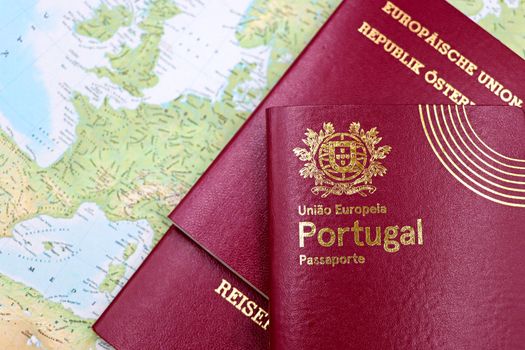
Close-up of Portuguese and Austrian passports lying on a map of Europe, symbolizing travel and mobility. Photo: Marta Branco / Pexels
Planning a trip to Canada is an exciting prospect, but navigating the entry requirements can sometimes feel overwhelming. For tourists, the primary concern revolves around whether you need an Electronic Travel Authorization (eTA) or a traditional visitor visa. The distinction is crucial and depends largely on your nationality. Most travelers from visa-exempt countries, excluding U.S. citizens, require an eTA to fly to or transit through a Canadian airport. This digital authorization is linked electronically to your passport and is valid for up to five years or until your passport expires, whichever comes first. It allows for multiple entries, each typically lasting up to six months. The application process for an eTA is entirely online, generally quick, and requires a modest fee. It’s designed to be a streamlined pre-screening process for low-risk travelers, enhancing border security without imposing the full burden of a traditional visa application. On the other hand, citizens from countries that are not visa-exempt will need to apply for a visitor visa (also known as a Temporary Resident Visa or TRV). This involves a more comprehensive application process, often requiring biometrics (fingerprints and a photo), and potentially an interview. The visitor visa is a physical document placed in your passport and has a specific validity period, usually tied to your intended stay or longer, allowing for multiple entries. The application for a visitor visa can also be completed online, but the processing times are significantly longer, and the required documentation is more extensive. It's imperative for all travelers to use the official Immigration, Refugees and Citizenship Canada (IRCC) website to determine their specific requirements. There are many third-party sites that may offer assistance, but always cross-reference information with the official government source to ensure accuracy and avoid scams. Understanding these fundamental differences is the first step towards a smooth entry into Canada, ensuring your travel plans are not derailed by unexpected bureaucratic hurdles. Remember, even with an eTA or visa, final entry is always at the discretion of the border services officer. For more general travel advice, explore our comprehensive travel guides. It's also worth noting that regardless of whether you need an eTA or a visitor visa, all tourists must satisfy certain basic entry requirements. These include having a valid passport, proving you have sufficient funds to support yourself during your stay, demonstrating that you intend to leave Canada at the end of your authorized period, and having no criminal or immigration-related inadmissibility issues. These foundational requirements are universal and form the bedrock of Canadian immigration policy for temporary residents. By clearly understanding these initial distinctions and universal stipulations, you set yourself up for a much smoother application and travel experience.

eTA vs. Visitor Visa: Which One Do You Need?
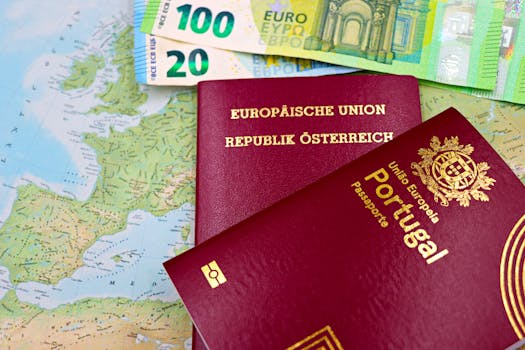
Austrian and Portuguese passports on a European map with euro banknotes. Photo: Marta Branco / Pexels
Distinguishing between an Electronic Travel Authorization (eTA) and a Visitor Visa (Temporary Resident Visa, TRV) is perhaps the most critical step for any tourist planning a trip to Canada. The requirement hinges entirely on your nationality. Generally, if you are a citizen of a visa-exempt country (which includes most European nations, Australia, New Zealand, Japan, South Korea, and many others) and you are flying to or transiting through Canada, you will need an eTA. U.S. citizens are a unique exception; they only need a valid passport and are exempt from both eTA and visitor visa requirements. The eTA is not a visa in the traditional sense; it's a pre-travel authorization that allows Canada to screen travelers before they arrive, enhancing security and streamlining entry for eligible visitors. It's applied for online, typically costs CAD$7, and is usually approved within minutes, though some applications may take longer if additional information is required. An approved eTA is electronically linked to your passport and remains valid for up to five years or until your passport expires, allowing for multiple short visits to Canada. Conversely, if your country is not on Canada's visa-exempt list, you will need to apply for a visitor visa. This applies to a vast number of countries globally. The visitor visa application is a more involved process, requiring you to submit a detailed application form, provide supporting documents such as proof of funds, travel itinerary, and a letter of invitation if applicable. You will also likely need to provide biometrics (fingerprints and a photograph) at a designated Service Canada location or Visa Application Centre (VAC) in your home country. The fees for a visitor visa are higher than for an eTA, and processing times can range from several weeks to several months, depending on the volume of applications and the complexity of your case. It is absolutely crucial to apply for a visitor visa well in advance of your intended travel date to avoid any last-minute complications or disappointments. The visitor visa, if approved, will be stamped or affixed to a page in your passport, indicating its validity period and whether it's for single or multiple entries. Even with a valid eTA or visitor visa, it's essential to remember that these are not guarantees of entry. A Canada Border Services Agency (CBSA) officer makes the final decision at the port of entry, based on their assessment of your purpose of visit, duration of stay, and other factors. Always be prepared to answer questions honestly and provide any requested documentation upon arrival. This clear distinction ensures you pursue the correct application path, saving you time and potential frustration in your quest to experience Canada's beauty.

Step-by-Step Application Process for Tourists
Two blue Ukrainian passports placed on a white surface, close-up view. Photo: Borys Zaitsev / Pexels
The application process for Canadian tourist entry, whether for an eTA or a visitor visa, requires careful attention to detail. Let's break it down into manageable steps to ensure a smooth application. The very first step, as previously mentioned, is to determine your specific requirement: eTA or visitor visa. The official IRCC website provides an easy-to-use tool for this. Once you know which path to take, you can proceed. For an eTA, the process is largely straightforward. You will need a valid passport from a visa-exempt country, a credit card to pay the CAD$7 fee, and an email address. You apply online through the official IRCC website. The application form is relatively short, asking for personal details, passport information, and some background questions. Most eTA applications are approved within minutes, with the authorization being electronically linked to your passport. You’ll receive an email confirmation once approved. It’s important to print or save this confirmation for your records, although it's not strictly necessary for travel as the authorization is digital. Applying for a visitor visa is more involved. First, you'll need to gather a comprehensive set of documents. This typically includes a valid passport, proof of financial support (bank statements, pay stubs), a detailed travel itinerary, proof of accommodation, a letter of invitation from a Canadian resident (if applicable), and evidence of ties to your home country (job letter, property deeds, family commitments) to demonstrate your intent to return. You will also need to complete the online application form, which is much longer than the eTA form and requires more detailed information about your background, travel history, and purpose of visit. After submitting the online application and paying the fee, you will likely receive a request for biometrics. You must provide your fingerprints and a photo at a designated Visa Application Centre (VAC) or Service Canada location within 30 days of receiving the request. Failure to do so will result in the refusal of your application. Once your biometrics are submitted, your application will be processed. Processing times vary widely, so it's crucial to apply several months before your planned trip. If approved, you will receive a passport request letter, prompting you to send your passport to the VAC for the visa to be affixed. For any concerns or specific questions about your application, consulting official IRCC resources or a regulated immigration consultant can be incredibly helpful, especially for complex cases. Detailed instructions on how to apply for a visitor visa can be found on the IRCC website, which is invaluable for ensuring you don't miss any crucial steps. For more details on safe and secure travel, check out our insights on international travel safety.

Common Pitfalls and Essential Tips for Tourists

Smartphone displaying health passport with travel documents on a map, showcasing modern travel preparation. Photo: Leeloo The First / Pexels
Navigating the Canada visa requirements for tourists can be complex, and several common pitfalls can lead to delays or even application refusal. Being aware of these can significantly improve your chances of a smooth process. **Common Pitfalls:** * **Incorrect Application Type:** Applying for an eTA when you need a visitor visa, or vice-versa, is a frequent mistake. Always use the official IRCC tool to confirm your exact requirement. * **Incomplete Documentation:** Missing documents, such as proof of funds, a clear travel itinerary, or a letter of invitation, can cause significant delays or outright rejection. Every requested document must be provided. * **Misinformation/Inconsistencies:** Providing false information or having inconsistencies between your application and supporting documents (e.g., travel dates, purpose of visit) will raise red flags and likely lead to refusal. * **Insufficient Funds:** Not demonstrating enough financial capacity to cover your stay in Canada and your return journey is a major reason for refusal. * **Lack of Ties to Home Country:** If the immigration officer believes you might overstay your welcome or intend to immigrate, your application will be denied. Strong ties to your home country (job, family, property) are crucial. * **Applying Too Late:** Especially for visitor visas, processing times can be extensive. Applying a few weeks before your trip is often insufficient. * **Using Unofficial Websites:** Many unofficial sites charge exorbitant fees or provide incorrect information. Always use the official IRCC website for applications and information. **Essential Tips:** * **Start Early:** Begin your application process as soon as your travel plans are firm, especially for visitor visas. * **Read Instructions Carefully:** Go through all instructions on the IRCC website thoroughly. Don't assume anything. * **Provide Clear and Legible Documents:** Ensure all uploaded documents are high-quality scans or clear photos. * **Be Honest and Consistent:** All information provided must be truthful and consistent across all documents. * **Show Strong Ties to Home Country:** Provide ample evidence that you have every intention of returning home after your visit. * **Have a Clear Travel Plan:** A detailed itinerary, including accommodation bookings and planned activities, strengthens your application. * **Proof of Funds:** Clearly demonstrate you have sufficient funds for your entire stay. Bank statements, employment letters, and pay stubs are good evidence. * **Understand Your Visa/eTA Conditions:** Know how long you are allowed to stay and what activities are permitted (e.g., you cannot work on a tourist visa). * **Prepare for Port of Entry:** Even with an approved eTA or visa, be ready to answer questions from border officers about your visit, purpose, and duration of stay.

Comparison

FeatureeTA (Electronic Travel Authorization)Visitor Visa (TRV)
EligibilityVisa-exempt countries (excluding U.S. citizens) flying to CanadaNon-visa-exempt countries
Application TypeOnlineOnline (with potential biometrics/interview)
Cost (approx. CAD)$7$100 (plus biometrics fee if applicable)
Processing TimeMinutes to a few daysSeveral weeks to months
ValidityUp to 5 years or passport expiryUp to 10 years or passport expiry, or specified duration
Physical DocumentNo (electronically linked)Yes (affixed in passport)
Required for Flight

What Readers Say

"The guide on Canada visa requirements for tourists was incredibly helpful. I was confused about the eTA vs. visitor visa, but this article clarified everything, and I got my visa approved with ease."

Maria Rodriguez · Mexico City, Mexico

"As an Irish citizen, I only needed an eTA. This article's step-by-step breakdown made the online application super quick and stress-free. Highly recommend for understanding Canada's entry rules."

Liam O'Connell · Dublin, Ireland

"Applying for my visitor visa seemed daunting, but following the tips in this guide, especially about strong ties to my home country, led to my successful application. I'm now planning my trip!"

Priya Sharma · Mumbai, India

"The information about required documents for the visitor visa was extensive and very useful. While the process itself is long, this guide helped me prepare thoroughly, leading to a positive outcome."

Chen Wei · Beijing, China

"I loved the comparison table contrasting eTA and visitor visa. It instantly cleared up my confusion and showed me exactly what I needed to do for my travel to Canada."

Samantha Jones · London, UK

Frequently Asked Questions

What are the basic Canada visa requirements for tourists?

The basic requirements include a valid passport, proof of sufficient funds to support your stay, a clear intention to leave Canada at the end of your visit, and no criminal or immigration inadmissibility issues. Depending on your nationality, you will also need either an Electronic Travel Authorization (eTA) or a Temporary Resident Visa (visitor visa).

I'm worried about my visa being rejected. What can I do?

To minimize rejection risk, ensure all information is accurate and consistent, provide comprehensive supporting documents (especially proof of funds and ties to your home country), and apply well in advance. Honesty and thoroughness are key. If in doubt, consult an immigration professional.

How do I apply for an eTA or visitor visa for Canada?

Both applications are primarily online via the official Immigration, Refugees and Citizenship Canada (IRCC) website. For an eTA, it's a simple form. For a visitor visa, you'll complete a detailed application, upload documents, pay fees, and may need to provide biometrics at a Visa Application Centre.

How much does a Canadian tourist visa or eTA cost?

An Electronic Travel Authorization (eTA) costs CAD$7. A visitor visa (Temporary Resident Visa) typically costs CAD$100 per person, plus an additional CAD$85 for biometrics if required. Fees are subject to change, so always check the official IRCC website for the most current pricing.

Is an eTA the same as a visa for Canada?

No, an eTA is not a visa. An eTA is an electronic travel authorization for visa-exempt foreign nationals (excluding U.S. citizens) who fly to or transit through Canada. A visitor visa (TRV) is a physical document placed in a passport, required for citizens of non-visa-exempt countries.

Who specifically needs to meet Canada visa requirements for tourists?

Almost all foreign nationals visiting Canada need to meet specific requirements. This includes citizens from visa-exempt countries requiring an eTA (when flying) and citizens from non-visa-exempt countries requiring a visitor visa. Only U.S. citizens are largely exempt from both, needing only a valid passport.

Are there any risks if I overstay my welcome in Canada?

Yes, overstaying your authorized period in Canada can lead to severe consequences, including being removed from Canada, a ban from re-entering the country for several years, and negatively impacting future visa applications for Canada or other countries. Always adhere to your authorized stay duration.

How might Canada's tourist visa policies change in the future?

Canadian immigration policies are dynamic and can change based on global events, economic needs, and security concerns. Future changes might include expanded eTA eligibility, updated processing technologies, or adjustments to visa-exempt lists. Always refer to the official IRCC website for the latest information.

Don't let visa complexities deter your Canadian adventure. By understanding and diligently following the Canada visa requirements for tourists outlined here, you can ensure a smooth application and an unforgettable trip. Start your planning today!

Topics: canada visa requirements for touristseTA Canadavisitor visa Canadatravel to CanadaCanadian immigration
Leo List

DK Escorts LU Escorts AT Escorts SE Escorts FI Escorts CH Escorts DE Escorts HR Escorts IE Escorts GR Escorts CZ Escorts NO Escorts BE Escorts FR Escorts SI Escorts IL Escorts NL Escorts PL Escorts HU Escorts ES Escorts IT Escorts PT Escorts SK Escorts RO Escorts ZA Escorts UY Escorts US Escorts UK Escorts NZ Escorts AU Escorts
Brampton weed
Adultwork EstrelaBet Vai de Bet R7 Bet Betão Galera Bet Rainbet Bet9ja Shop SportyBet BetKing Sisal Loto Foot Hollywoodbets YesPlay Odibets RushBet Jugabet BetWarrior BetCity MSport betPawa Fortebet