✓ US citizens generally require a valid passport for entry into Canada by air, land, or sea.
✓ No visa is typically required for US citizens visiting Canada for tourism or business for up to six months.
✓ Entry requirements can change; always check official government sources before travel.
✓ Specific rules apply for minors traveling alone or with only one parent.
How It Works
1
Check Passport Validity
Ensure your US passport is valid for your entire planned stay in Canada. While Canada does not require six months of validity beyond your departure, it's a good practice.
2
Review Current Requirements
Before booking, visit the official Government of Canada website or the U.S. Department of State for the most up-to-date entry rules. These can change without notice.
3
Prepare Documentation
Gather all necessary documents: valid passport, proof of onward travel (if applicable), and any other supporting documents for your visit's purpose. Have them readily accessible.
4
Declare Goods and Currency
Be prepared to declare any goods, currency over CAD $10,000, or other items upon arrival. Honesty speeds up the border crossing process.
Understanding Current Canada Entry Requirements for US Citizens
Photo: Yihan Wang / Pexels
For US citizens planning a trip to Canada, understanding the current entry requirements is paramount to ensuring a smooth and enjoyable journey. While the border between the two nations is one of the longest and most frequently crossed in the world, it's not simply a matter of driving across. The cornerstone of entry for US citizens is a valid US passport. This document is universally accepted for air, land, and sea travel into Canada. It's crucial to ensure your passport is valid for the entire duration of your intended stay. While Canada doesn't enforce the 'six-month rule' often seen in other countries, having a passport close to expiration can lead to complications or delays. Always check the expiry date well in advance of your travel dates. For those traveling by land or sea, other WHTI-compliant documents may be accepted, such as a US Passport Card, an Enhanced Driver’s License (EDL) from participating states, or NEXUS cards. However, for air travel, a standard US passport book is the only accepted document. Relying solely on a birth certificate and government-issued ID is generally not sufficient for independent adult travel, though specific rules apply for minors. Planning your travel requires careful attention to these details.
Beyond identification, US citizens do not typically require a visa to visit Canada for tourism or business purposes for stays up to six months. This is a significant advantage, simplifying the pre-travel process. However, visitors must be able to satisfy a border services officer that they have sufficient funds for their stay, will not overstay their welcome, and have strong ties to their home country that compel their return. This might involve showing proof of return tickets, hotel reservations, or a letter of invitation if visiting friends or family. While not always requested, having these documents readily available can expedite your entry. It's also important to be aware of any specific health or vaccination requirements that may be in place, especially in light of global health events. Although many pandemic-era restrictions have been lifted, the situation can evolve, and official government advisories should always be consulted directly before departure. The Canadian Border Services Agency (CBSA) website and the US Department of State's travel advisories are the most reliable sources for the latest information. Understanding these foundational requirements is the first step in a successful trip across the border.
Documents Required for US Citizens Entering Canada
Photo: Borys Zaitsev / Pexels
The specific documents required for US citizens entering Canada can vary slightly depending on the mode of transportation and the traveler's age. For all air travel, a valid US passport book is mandatory. There are no exceptions for air travel; even infants need their own passport. For land and sea travel, there's a bit more flexibility, thanks to the Western Hemisphere Travel Initiative (WHTI). WHTI-compliant documents include a US passport book, a US passport card, an Enhanced Driver's License (EDL) issued by certain US states (currently Michigan, Minnesota, New York, Vermont, and Washington), or a trusted traveler program card like NEXUS, FAST, or SENTRI. A US Passport Card is a convenient, wallet-sized alternative to the passport book for land and sea travel, offering proof of identity and citizenship. However, it cannot be used for international air travel. An EDL serves a similar purpose to the passport card for land and sea crossings, integrating travel documentation into a driver's license. It’s crucial to note that not all state driver's licenses are EDLs; only those specifically designated as 'Enhanced' are WHTI-compliant.
Beyond these primary identification documents, certain situations may require additional paperwork. For instance, if you are traveling with a minor who is not your child, or if you are a single parent traveling with your child, you may need a consent letter from the non-traveling parent(s) or legal guardian(s). This letter should clearly state that the child has permission to travel to Canada and should include contact information for the non-traveling parent. In cases of divorce or legal separation, relevant legal documents (e.g., custody agreements) might also be requested. While not always asked for, having these documents on hand can prevent delays or complications at the border. Furthermore, if you are entering Canada for purposes other than tourism or short-term business – such as studying, working, or immigrating – you will need specific permits or visas. These applications must typically be made and approved before your arrival in Canada. Always declare any goods you are bringing into the country, especially alcohol, tobacco, or large sums of cash (over CAD $10,000). Failure to declare can result in fines, seizure of goods, or even denial of entry. The Canadian Border Services Agency (CBSA) provides detailed information on what can and cannot be brought into Canada, and it's always wise to review these regulations before packing. Being prepared with all necessary and relevant documentation is the best way to ensure a smooth entry experience into Canada.
Special Considerations for US Citizens: Minors, Criminal Records, and More
Photo: Shivansh Sharma / Pexels
Traveling to Canada as a US citizen usually involves a straightforward process, but certain special considerations can complicate entry. One of the most common areas of concern involves minors. If a child under 18 is traveling alone, they must carry a consent letter signed by both parents or legal guardians. This letter should include the parents' contact information and a copy of their passports or national identification cards. If traveling with only one parent, the accompanying parent should have a consent letter from the non-accompanying parent. This is especially vital in situations of divorce or separation, where carrying court orders or custody agreements can also be beneficial. The aim is to prevent international child abduction, and border officials take these precautions seriously. Without proper documentation, a child may be denied entry, causing significant disruption to travel plans. Ensuring all family members are properly documented is crucial for stress-free travel.
Another significant hurdle for some US citizens can be a past criminal record. Canada has strict policies regarding admissibility, and certain criminal convictions, including DUIs (Driving Under the Influence) or DWIs (Driving While Impaired), can render an individual inadmissible. This applies even if the offense occurred many years ago and seems minor in the US. Canada views these offenses seriously, often equating a DUI to a felony under Canadian law. If you have a criminal record, you may need to apply for a Temporary Resident Permit (TRP) or a Criminal Rehabilitation to enter Canada. A TRP is granted for a specific period and reason, while Criminal Rehabilitation is a permanent solution for those who have completed their sentences and a certain amount of time has passed. The application process for both can be lengthy and complex, requiring detailed documentation and fees. It is highly advisable to consult with a Canadian immigration lawyer well in advance of any travel plans if you have a criminal record.
Furthermore, while less common, certain health conditions or past immigration violations could also lead to inadmissibility. For instance, if you have previously been denied entry to Canada or overstayed a previous visit, you may face additional scrutiny. Similarly, if a border services officer believes you pose a risk to Canadian public health or safety, entry could be denied. It’s always best to be truthful and cooperative with border officials. Attempting to conceal information, especially regarding criminal history, can lead to more severe consequences, including permanent inadmissibility. Understanding these potential challenges and addressing them proactively is key to a successful entry into Canada for all US citizens.
Essential Tips for a Smooth Canada Border Crossing for US Citizens
Photo: Martijn Stoof / Pexels
Crossing the Canada-US border can be a quick and easy process, but a little preparation goes a long way. Here are some essential tips to ensure a smooth experience for US citizens:
* **Have all documents ready:** Before you even reach the inspection booth, have your passport or other WHTI-compliant documents for everyone in your vehicle ready to present. This means open to the photo page, not buried in a purse or backpack. This simple act significantly speeds up the process.
* **Be honest and direct:** When asked questions by a border services officer, answer truthfully and directly. Avoid making jokes or being evasive. Their job is to protect Canada's borders, and honesty builds trust. If you're unsure about an answer, it's better to say so than to guess.
* **Declare everything:** This includes all goods you are bringing into the country, especially alcohol, tobacco, firearms (which have very strict rules and often require prior permits), and currency exceeding CAD $10,000. Failure to declare can lead to severe penalties, including fines, confiscation of goods, and even denial of entry or future travel restrictions.
* **Know what you can and cannot bring:** Certain items are restricted or prohibited. For example, some food products, plants, and animal products are not allowed to prevent the spread of disease. Firearms generally require specific permits that must be obtained in advance. Check the CBSA website for a comprehensive list before you pack.
* **Travel during off-peak hours:** If possible, try to cross the border during less busy times. Weekday mornings or late evenings are often less crowded than weekends or holiday periods. You can check border wait times online through the CBSA website or various travel apps.
* **Use NEXUS for frequent travel:** If you travel to Canada frequently, consider applying for a NEXUS card. This trusted traveler program allows pre-approved, low-risk travelers to cross the border more quickly at designated lanes and kiosks. While the application process involves an interview, the time saved can be substantial.
* **Understand duty-free limits:** Be aware of the duty-free limits for alcohol, tobacco, and other goods if you plan to bring them into Canada. Exceeding these limits will result in duties and taxes being applied.
* **Be patient and polite:** Border officers deal with thousands of travelers daily. A calm, polite demeanor can contribute to a positive experience. Remember, they have the final say on who enters Canada.
Following these tips will help ensure your entry into Canada is as seamless and stress-free as possible, allowing you to focus on enjoying your trip.
Comparison
Document Type
Air Travel
Land/Sea Travel
Accepted by Canada
US Passport Book
✓
✓
✓
US Passport Card
✗
✓
✓
Enhanced Driver's License (EDL)
✗
✓
✓ (from participating states)
Standard Driver's License + Birth Certificate
✗
✗
✗ (for adult US citizens)
What Our Readers Say
5★★★★★
"This guide was incredibly helpful for understanding Canada travel restrictions for US citizens. I had an old DUI and wasn't sure if I could enter, but following the advice here, I applied for a TRP in advance and had no issues at the border. Highly recommend reading this thoroughly."
Sarah J.Seattle, WA
5★★★★★
"As a single dad traveling with my daughter, I was worried about the consent letter. This article laid out exactly what I needed. We crossed smoothly into Niagara Falls without a hitch, all thanks to being prepared."
Mark D.Buffalo, NY
5★★★★★
"I used my Enhanced Driver's License for the first time by land, and it worked perfectly, just as this guide stated. No need to dig out my passport book. The tips for declaring goods were also very useful."
Emily R.Detroit, MI
4★★★★☆
"The information on passport validity was key. Mine was expiring in 4 months, and although Canada doesn't require 6 months, I renewed it just in case, based on this advice. Better safe than sorry, even if it meant a bit more effort."
David L.Miami, FL
5★★★★★
"We're frequent cross-border shoppers, and the reminder about declaring everything and checking wait times was spot on. This article is a comprehensive resource for any US citizen planning a trip to Canada."
Jessica M.Portland, OR
Frequently Asked Questions
What is the primary document needed for Canada travel restrictions for US citizens?
The primary document needed for US citizens entering Canada is a valid US passport book. While other WHTI-compliant documents like a passport card or Enhanced Driver's License are accepted for land and sea travel, a passport book is mandatory for all air travel.
Do I need a visa to visit Canada as a US citizen?
No, US citizens typically do not need a visa to visit Canada for tourism or business purposes for stays up to six months. However, you must still meet other entry requirements, such as having a valid passport and sufficient funds for your trip.
How do I check current Canada travel restrictions for US citizens?
To check the most current Canada travel restrictions for US citizens, always refer to official government sources. The Government of Canada's official website (specifically the Canadian Border Services Agency - CBSA) and the U.S. Department of State's travel advisories are the most reliable and up-to-date resources.
What if I have a DUI on my record? Can I still enter Canada?
A DUI or DWI conviction can make a US citizen inadmissible to Canada. You may need to apply for a Temporary Resident Permit (TRP) or Criminal Rehabilitation to be allowed entry. It's crucial to address this issue well in advance of your travel by consulting a Canadian immigration lawyer.
Are there different requirements for children traveling to Canada?
Yes, there are special requirements for children. Minors traveling alone or with only one parent/guardian should carry a consent letter from the non-accompanying parent(s) or legal guardian(s). This letter should include contact information and copies of identification for the non-traveling parent(s).
Who should use this guide on Canada travel restrictions for US citizens?
This guide is essential for any US citizen planning to travel to Canada, whether for tourism, business, or visiting family. It's especially useful for first-time visitors, those with specific circumstances like criminal records or traveling minors, and anyone seeking to stay informed about entry requirements.
Is it safe to travel to Canada as a US citizen right now?
Canada is generally considered a very safe country for US citizens to visit. As with any international travel, it's always wise to exercise standard precautions. Always check the latest travel advisories from the U.S. Department of State for any specific safety concerns before your trip.
Will Canada's travel restrictions for US citizens change in the near future?
Travel restrictions and entry requirements are subject to change based on evolving global health situations, security concerns, or policy updates. While current trends suggest stability, it's always prudent to check official government websites immediately before your planned travel dates for any new developments.
Armed with this comprehensive guide, you are now well-prepared to navigate Canada travel restrictions for US citizens with confidence. Ensure all your documents are in order, understand the specific requirements for your situation, and you're set for a memorable journey. Don't let uncertainty hold you back – plan your adventure north of the border today!

 Photo: ARK FILMS / Pexels
 Photo: Yihan Wang / Pexels
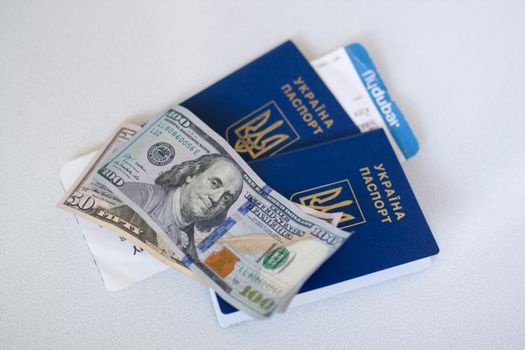 Photo: Borys Zaitsev / Pexels
 Photo: Shivansh Sharma / Pexels
 Photo: Martijn Stoof / Pexels