Your Ultimate Canada Travel Guide for First-Timers
Canada travel guide for first-timers

Your Ultimate Canada Travel Guide for First-Timers

Unlock the secrets to an incredible first Canadian journey with expert tips and essential planning advice.

Start Your Adventure

Key Takeaways

  • ✓ Canada is the world's second-largest country by land area, offering diverse landscapes.
  • ✓ Both English and French are official languages, with French primarily spoken in Quebec.
  • ✓ The Canadian dollar (CAD) is the official currency.
  • ✓ Tipping is customary in services like restaurants, taxis, and salons (15-20%).

How It Works

1
Define Your Adventure Style

Are you seeking urban exploration, wilderness adventures, or cultural immersion? Canada offers a spectrum of experiences, so identifying your preference is key to tailoring your itinerary.

2
Plan Your Route & Duration

Given Canada's vastness, focusing on a specific region or a well-connected route is advisable for a first visit. Consider how much time you have and what pace suits you best.

3
Book Essentials in Advance

Flights, accommodations, and popular tours (especially during peak season) should be secured well ahead of time. This ensures availability and often better prices.

4
Prepare Documents & Pack Smart

Ensure your passport, visa (if required), and any necessary permits are in order. Pack according to the season and region, remembering Canada's diverse climates.

Navigating the Vastness: Planning Your First Canadian Itinerary

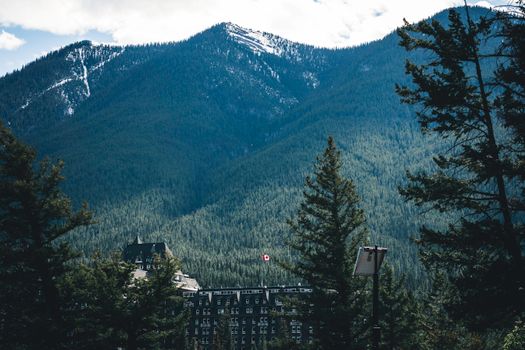
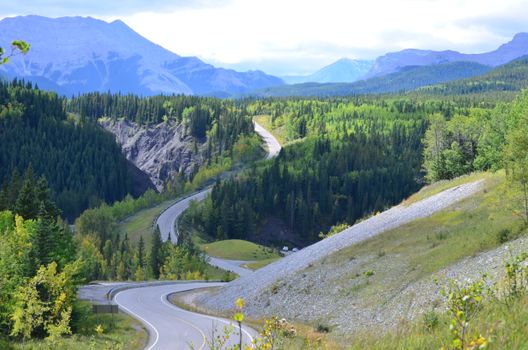
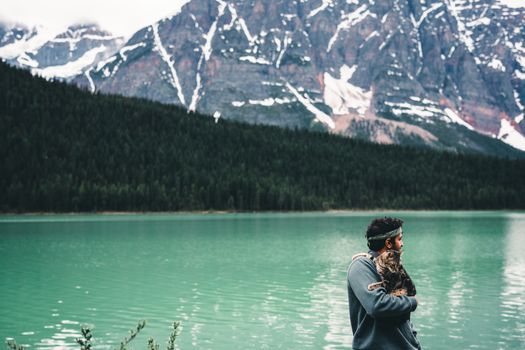
Canada, a land of breathtaking beauty and immense scale, can feel overwhelming for a first-time visitor. Its sheer size means that attempting to see it all in one go is unrealistic. Instead, the most rewarding approach for your first Canadian adventure is to focus on a specific region or a well-defined route. Do you dream of rugged mountains and turquoise lakes? Then the Canadian Rockies, spanning Alberta and British Columbia, should be your prime focus. Imagine Banff, Jasper, and Lake Louise, where hiking trails, wildlife spotting, and stunning vistas await. Perhaps vibrant city life, rich history, and European charm call to you? Eastern Canada, with cities like Toronto, Montreal, Quebec City, and the maritime provinces, offers a distinctly different, yet equally captivating experience. Consider a road trip through the Maritimes for charming coastal towns, fresh seafood, and unique cultural experiences, or explore the historical depth of Quebec. For those drawn to the wild, Yukon and the Northwest Territories offer unparalleled opportunities for Northern Lights viewing, dog sledding, and experiencing Indigenous cultures. Each region boasts its own unique climate, attractions, and cultural nuances, so research is paramount. Think about the time of year you plan to visit. Summer (June to August) is ideal for outdoor activities and generally warmer weather across most of the country, but also peak tourist season. Fall (September to October) brings stunning foliage, particularly in Eastern Canada, and fewer crowds. Winter (November to March) transforms much of the country into a snowy wonderland, perfect for skiing, snowboarding, and ice skating, but requires careful planning for cold weather. Spring (April to May) offers thawing landscapes and the emergence of wildlife. When planning your itinerary, consider travel times between destinations. Canada’s distances are significant, and domestic flights, while efficient, can add up in cost. Buses and trains offer more scenic, albeit slower, options. For flexibility, especially in rural areas, renting a car is often recommended. Ensure you build in buffer days for unexpected delays or simply to relax and soak in the atmosphere. Don't overschedule; allow for spontaneity. Remember that travel within Canada, especially between provinces, might involve different time zones, so factor this into your plans. Ultimately, your first Canadian itinerary should reflect your interests and allow you to immerse yourself deeply in one or two chosen areas, rather than rushing through many. For more detailed insights into specific regions, check out this comprehensive guide to Canada's provinces.

Essential Preparations: What First-Timers Need to Know Before Arrival

Before you even set foot on Canadian soil, a few crucial preparations will ensure a smooth and stress-free entry. First and foremost, check your passport validity; it should be valid for at least six months beyond your intended departure date. Depending on your nationality, you may need an Electronic Travel Authorization (eTA) or a visitor visa. The eTA is a small fee and can be applied for online, usually processed within minutes. However, it's vital to apply only through the official Government of Canada website to avoid scams. If you require a visa, the application process is more involved and takes longer, so start this well in advance. Always carry physical copies of your essential travel documents, including your passport, eTA/visa confirmation, flight details, and accommodation bookings, in case of electronic device failure or loss. Next, let's talk about currency. Canada uses the Canadian dollar (CAD). While credit cards (Visa, Mastercard, American Express) are widely accepted, especially in urban areas, it's always wise to carry some cash for smaller purchases, tips, or in rural regions where card acceptance might be limited. Inform your bank of your travel plans to avoid any issues with your cards being flagged for suspicious activity. Consider using a travel-friendly credit card that offers no foreign transaction fees. Tipping is customary and expected in Canada for service industries. A standard tip for good service in restaurants, bars, and taxis is 15-20% of the pre-tax bill. For other services like hotel housekeeping or tour guides, smaller gratuities are appreciated. When it comes to communication, consider purchasing a local SIM card upon arrival or checking with your current provider about international roaming packages. Wi-Fi is generally available in hotels, cafes, and public spaces, but having mobile data offers greater flexibility. Canada's electrical outlets operate on Type A and B sockets, supplying 120V at 60Hz. If your devices use different plugs or voltage, you'll need adapters and potentially a voltage converter. Finally, health and travel insurance are non-negotiable. While Canada has excellent healthcare, it is not free for visitors, and medical emergencies can be incredibly expensive. Ensure your travel insurance covers medical emergencies, trip cancellations, lost luggage, and other unforeseen events. Research local emergency numbers (911 for police, fire, and ambulance) and know how to access medical care if needed. Taking these preparatory steps will allow you to relax and fully enjoy your Canadian adventure from the moment you arrive.

Experiencing Canada: Culture, Cuisine, and Outdoor Adventures

Canada's cultural tapestry is as diverse as its landscapes, shaped by Indigenous heritage, French and British colonial influences, and waves of immigration from around the world. As a first-timer, immersing yourself in this rich cultural mosaic is a must. Start by acknowledging the Indigenous peoples and their enduring contributions. Many regions offer opportunities to learn about First Nations, Inuit, and Métis cultures through museums, cultural centers, and guided experiences. In cities like Vancouver, Toronto, and Montreal, you'll find a vibrant arts scene, world-class museums, and diverse neighborhoods that celebrate different ethnicities. Quebec, with its distinct French-Canadian culture, offers a unique European feel within North America, from its language to its architecture and festivals. Don't be afraid to try speaking a few French phrases in Quebec – locals often appreciate the effort. When it comes to cuisine, Canada offers much more than just maple syrup and poutine (though you absolutely must try both!). Each region boasts its specialties. In the Maritimes, fresh seafood like lobster, oysters, and Atlantic salmon are staples. British Columbia is known for its West Coast cuisine, emphasizing fresh, local ingredients and Asian influences. Ontario offers a melting pot of international flavors, while Quebec has its hearty French-inspired dishes. Explore local farmers' markets for fresh produce and artisanal goods. Beyond the plate, Canada is a paradise for outdoor enthusiasts. The options are limitless, regardless of the season. In summer, hiking, kayaking, canoeing, mountain biking, and wildlife viewing (bears, moose, whales!) are incredibly popular. National and Provincial Parks across the country offer stunning trails and pristine wilderness. Winter transforms the landscape into a playground for skiing, snowboarding, ice skating, snowshoeing, and even dog sledding. The Northern Lights (Aurora Borealis) are a spectacular natural phenomenon best viewed in the colder, darker months, particularly in the northern territories or remote parts of provinces like Alberta. Remember to dress appropriately for the weather, which can change rapidly, especially in mountainous regions. Always inform someone of your plans if you're heading into remote areas for outdoor activities. Respect wildlife by keeping a safe distance and never feeding animals. Many regions also offer unique cultural festivals and events throughout the year, celebrating everything from jazz to folk music, film, and local harvests. Check local tourism boards for event listings during your visit. To truly understand the Canadian spirit, engage with locals – Canadians are generally known for their politeness and hospitality. For an even deeper dive into Canadian culture, consider visiting a local community festival or event.

First-Timer Pitfalls: Avoiding Common Mistakes and Maximizing Your Trip

Even with the best intentions, first-time visitors to Canada can fall into some common traps. Being aware of these can save you time, money, and frustration, allowing you to maximize your travel experience. One of the biggest mistakes is underestimating Canada's size. As mentioned, trying to cram too many distant locations into a single trip often results in more travel time than sightseeing. Focus on a region or a manageable route. Another common oversight is not booking accommodations and popular attractions far enough in advance, especially during peak seasons (summer, major holidays, ski season). Popular hotels, national park campsites, and iconic tours (like whale watching or specific museum entries) can sell out months ahead. Spontaneity is great, but not at the expense of missing out on must-do experiences. Closely related is the mistake of not budgeting enough. Canada can be an expensive country, particularly in major cities and popular tourist areas. Factor in costs for accommodation, food, transportation, activities, and don't forget taxes and tips. A common mistake is also relying solely on public transport in all areas. While cities like Toronto, Montreal, and Vancouver have excellent public transit, outside of these urban centers, especially in national parks or rural regions, a rental car is often essential for flexibility and access. Be prepared for varying cell service in remote areas; download offline maps. Lastly, don't forget about the weather. Many first-timers pack for a single season, unaware that Canadian weather can be unpredictable and vary wildly across different regions, even within the same day. Always pack layers, regardless of the time of year, and check local forecasts frequently. For winter travel, proper cold-weather gear is crucial. Here’s a quick checklist to help avoid these pitfalls: * **Don't try to see too much:** Focus on 1-2 regions. * **Book early:** Especially for high season travel. * **Budget realistically:** Account for all expenses, including taxes and tips. * **Consider a rental car:** For rural and park access. * **Pack layers:** Canadian weather is diverse and changeable. * **Check phone coverage:** Especially if venturing off-grid. * **Understand tipping culture:** 15-20% is standard for good service. * **Be aware of wildlife:** Maintain distance and never feed animals, especially in national parks. By being mindful of these points, your first Canadian journey will be much smoother and more enjoyable.

Comparison

FeatureCanadian Rockies (Alberta/BC)Eastern Cities (ON/QC)Maritime Provinces
Primary AppealMajestic Mountains, Wildlife, Adventure SportsUrban Culture, History, Food SceneCoastal Charm, Seafood, Quaint Towns
Best Time to VisitSummer (hiking), Winter (skiing)Summer/Fall (festivals, foliage)Summer (warmest, festivals)
Typical ActivitiesHiking, Kayaking, Skiing, Wildlife ViewingMuseums, Dining, Festivals, ShoppingWhale Watching, Lighthouse Tours, Beachcombing
Recommended TransportRental CarPublic Transit, Inter-city TrainRental Car
French Spoken Widely?✓ (especially Quebec)

What Readers Say

"This Canada travel guide for first-timers was invaluable for planning my trip to Banff! The tips on booking excursions early and packing layers were spot on. I felt so prepared and had the most incredible time."

Emily R. · Dallas, TX

"As a first-timer, I wasn't sure where to start with Canada. This guide helped me focus on Eastern Canada and truly enjoy Montreal and Quebec City. The cultural insights were fantastic."

Liam K. · London, UK

"Following the advice in this Canada travel guide, I secured my eTA without a hitch and budgeted accurately. This meant I could enjoy an extra whale watching tour in BC without financial stress!"

Sophia M. · Sydney, AUS

"The guide was mostly excellent, especially the advice on regional focus. I wish there was a bit more on public transport options outside of major cities, but overall, it made my trip planning much easier."

David P. · Berlin, GER

"I used this Canada travel guide for first-timers to plan a winter adventure. The packing tips were a lifesaver, and I truly appreciated the emphasis on understanding the vastness of the country. Highly recommend!"

Chloe L. · Singapore, SGP

Frequently Asked Questions

What is the best time of year for a Canada travel guide for first-timers?

The 'best' time depends entirely on your interests. Summer (June-August) is ideal for outdoor activities and warmer weather, but also peak season. Fall (September-October) offers stunning foliage. Winter (November-March) is perfect for snow sports and Northern Lights. Spring (April-May) is great for thawing landscapes and fewer crowds.

Do I need a visa or eTA to visit Canada?

It depends on your nationality. Many visitors from visa-exempt countries need an Electronic Travel Authorization (eTA), which is applied for online. Other nationalities require a visitor visa. Always check the official Government of Canada website based on your specific passport before planning your trip.

How do I get around Canada as a first-time traveler?

For urban centers, public transport is excellent. For inter-city travel, domestic flights are fastest, while trains (Via Rail) and buses (e.g., Greyhound, smaller regional lines) offer scenic routes. For flexibility, especially in national parks or rural areas, renting a car is highly recommended. Distances are vast, so plan accordingly.

Is Canada an expensive country to travel in?

Canada can be moderately expensive, especially in popular tourist destinations and major cities. Accommodation, car rentals, and certain activities can add up. However, budgeting wisely, booking in advance, and looking for deals can help. Eating at local diners or preparing some of your own meals can also reduce costs.

How does Canadian currency and tipping work for first-timers?

Canada uses the Canadian dollar (CAD). Credit cards are widely accepted, but it's good to carry some cash. Tipping is customary in service industries; expect to tip 15-20% for good service in restaurants, bars, and taxis. For other services, smaller gratuities are appreciated.

Who should use this Canada travel guide for first-timers?

This guide is perfect for anyone planning their inaugural trip to Canada, regardless of their preferred travel style. Whether you're seeking adventure in the mountains, cultural immersion in vibrant cities, or a relaxing coastal getaway, the comprehensive advice within this guide will help you plan a successful and memorable first visit.

Is it safe to travel alone in Canada?

Canada is widely considered one of the safest countries in the world for solo travelers. Major cities are generally safe, and crime rates are low. However, like anywhere, it's always wise to exercise common sense, be aware of your surroundings, and take precautions, especially when venturing into remote wilderness areas or late at night in urban centers.

What are some emerging travel trends in Canada for first-timers?

Sustainable and eco-friendly tourism is a growing trend, with many operators offering responsible wildlife viewing and low-impact adventures. Indigenous tourism experiences, offering authentic cultural insights, are also gaining popularity. Additionally, 'slow travel' focusing on deeper immersion in a single region rather than rushing across the country is becoming a preferred approach for many first-time visitors.

Ready to embark on your Canadian adventure? This Canada travel guide for first-timers provides the essential foundation you need. Start planning your unforgettable journey today and discover the endless wonders that await you in this incredible country.

Topics: Canada travel guide for first-timersfirst-time Canada tripvisiting Canada tipsCanada travel planningexplore Canada
Leo List
Brampton weed
Adultwork EstrelaBet Vai de Bet R7 Bet Betão Galera Bet Rainbet Bet9ja Shop SportyBet BetKing Sisal Loto Foot Hollywoodbets YesPlay Odibets RushBet Jugabet BetWarrior BetCity MSport betPawa Fortebet