✓ Canada is the world's second-largest country by area, offering diverse landscapes.
✓ English and French are the two official languages.
✓ The Canadian Dollar (CAD) is the official currency.
✓ Tipping is customary in service industries (15-20% is standard).
How It Works
1
Plan Your Route & Duration
Decide which regions you want to explore and how long you have. Canada is vast, so focus on a specific area to avoid excessive travel time.
2
Secure Travel Documents
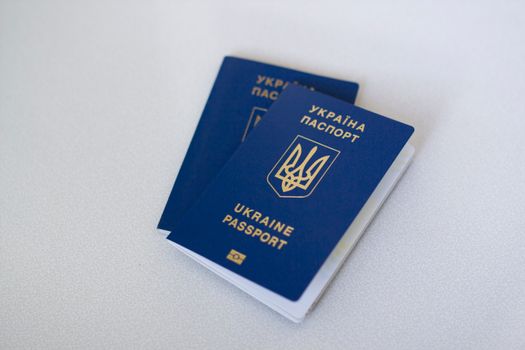
Ensure your passport is valid for at least six months beyond your intended stay. Check if you need an Electronic Travel Authorization (eTA) or a visa well in advance.
3
Book Flights & Accommodation
Book your international and domestic flights, especially for peak seasons. Research and reserve accommodations that fit your budget and travel style, from hotels to cabin rentals.
4
Pack Smart & Prepare for Adventure
Pack layers suitable for varying weather, regardless of the season. Research local customs, emergency numbers, and consider travel insurance for peace of mind.
Navigating Canada's Vast Landscapes: Where to Go and When
Photo: Ali Kazal / Pexels
Canada, a country of immense scale and breathtaking diversity, offers an unparalleled travel experience for first-timers. Deciding where to go and when is your initial, and perhaps most crucial, step. From the rugged coastlines of the Maritimes to the majestic peaks of the Canadian Rockies and the vibrant urban sprawls, each region boasts its unique charm and attractions. The sheer size of Canada means that attempting to see it all in one trip is often unrealistic and can lead to burnout. Instead, a focused approach, selecting one or two regions, will allow for a more immersive and enjoyable experience. Consider your interests: are you drawn to outdoor adventures, cultural city breaks, historical exploration, or wildlife viewing? Each of these preferences will guide you towards the perfect Canadian destination.
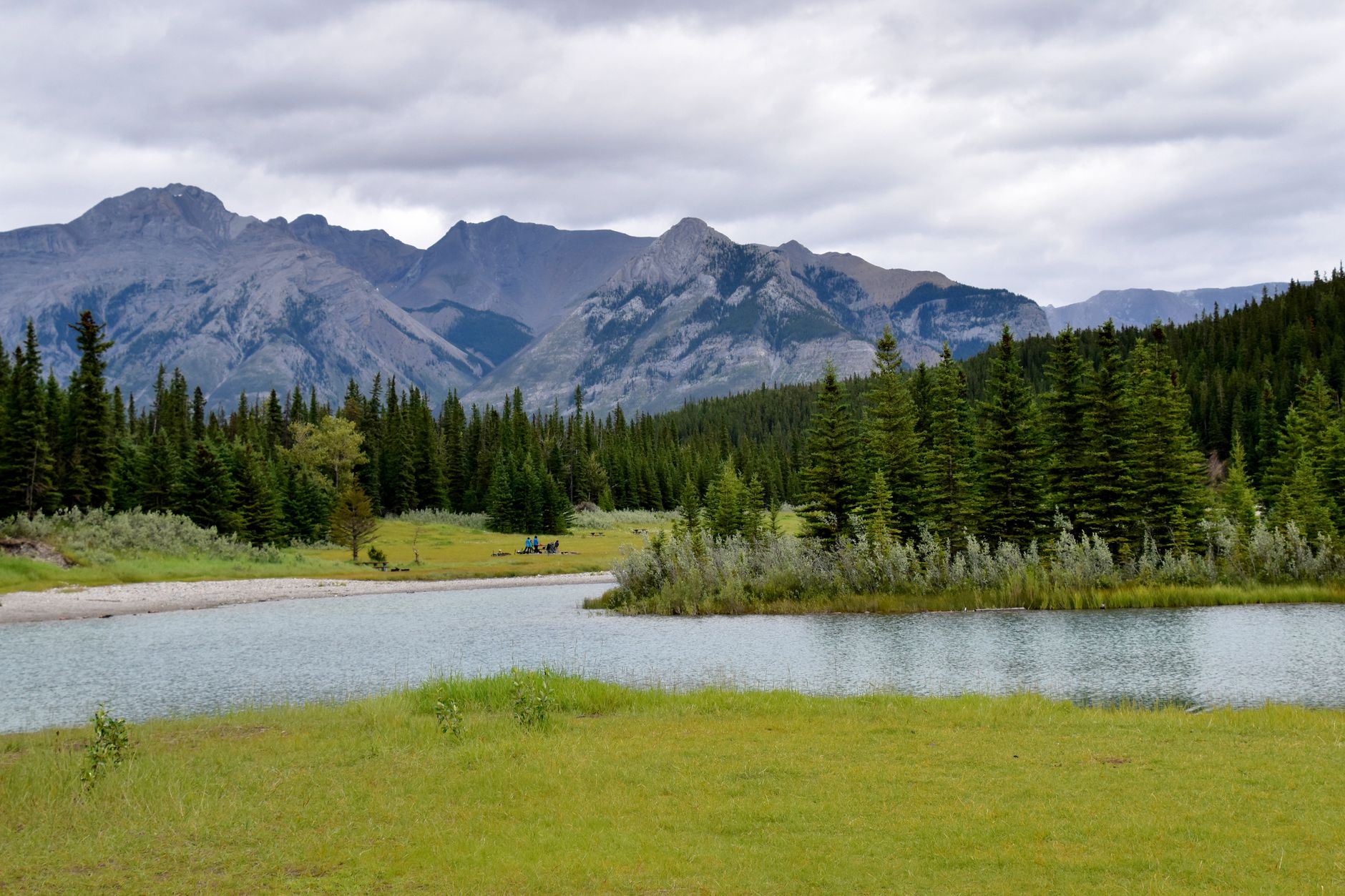
For those seeking iconic natural beauty and outdoor activities, Western Canada, particularly Alberta and British Columbia, is a dream come true. The Canadian Rockies, with Banff and Jasper National Parks, offer world-class hiking, skiing, and stunning glacial lakes like Lake Louise and Moraine Lake. Vancouver, British Columbia, provides a dynamic urban experience nestled between mountains and ocean, serving as a gateway to Vancouver Island's wild beauty. The best time to visit the Rockies for hiking is typically June to September, while winter sports enthusiasts flock there from December to April. British Columbia’s coast offers a milder climate year-round, but summer (June-August) is ideal for exploring.
Eastern Canada, encompassing Ontario, Quebec, and the Atlantic provinces, presents a different, yet equally captivating, allure. Ontario is home to Canada's largest city, Toronto, a multicultural hub with iconic landmarks like the CN Tower, and the natural wonder of Niagara Falls. Just a short journey away, Ottawa, the nation's capital, offers a blend of history and culture with its impressive Parliament Buildings and museums. Quebec, with its distinct French heritage, is a must-visit for its European charm. Quebec City's Old Town, a UNESCO World Heritage site, feels like stepping back in time, while Montreal offers a vibrant arts scene and delicious cuisine. The Atlantic provinces – Nova Scotia, New Brunswick, Prince Edward Island, and Newfoundland and Labrador – boast picturesque fishing villages, dramatic coastlines, and a rich maritime history. Summer and early autumn (May-October) are generally the best times to explore Eastern Canada, offering pleasant weather for sightseeing and outdoor activities, and stunning fall foliage in September and October. Winter, however, transforms these regions into magical landscapes, perfect for winter sports and festive markets. Understanding the distinct seasonal offerings of each region is paramount for a first-time visitor. Consider what activities you prioritize and plan your visit accordingly to maximize your enjoyment. Remember that Canada's weather can be unpredictable, even within seasons, so packing layers is always a wise decision. For more detailed insights into specific regions, you might find our guide on Exploring Canada's Best National Parks particularly useful.
Essential Preparations: Visas, Currency, and Connectivity for Your Canadian Journey
Embarking on your first Canadian adventure requires meticulous preparation, especially concerning travel documents, currency, and staying connected. These foundational elements ensure a smooth and stress-free journey, allowing you to focus on the wonders awaiting you. First and foremost, your passport must be valid for at least six months beyond your intended departure date from Canada. This is a non-negotiable requirement for entry. Beyond the passport, depending on your nationality, you will likely need either an Electronic Travel Authorization (eTA) or a visitor visa. The eTA is a digital travel document that most visa-exempt foreign nationals need to fly to or transit through Canada by air. It’s an online application, typically processed within minutes, but it’s always best to apply well in advance of booking your flights. If you require a visitor visa, the application process is more involved and can take several weeks or even months, so early planning is absolutely critical. Check the official Government of Canada website for the most up-to-date requirements based on your country of origin.
Once your entry requirements are sorted, understanding Canadian currency and finances is next. The official currency is the Canadian Dollar (CAD). While credit cards (Visa, Mastercard, American Express) are widely accepted across the country, especially in urban areas, it’s always advisable to carry some cash for smaller purchases, local markets, or in more remote regions where card machines might not be available. ATMs are prevalent in cities and towns for easy cash withdrawals. Inform your bank of your travel plans to avoid any issues with your cards being flagged for suspicious activity. Consider using a travel-friendly credit card that offers no foreign transaction fees to save on costs. Budgeting for your trip should also account for the Goods and Services Tax (GST) and Provincial Sales Tax (PST) or Harmonized Sales Tax (HST), which are added to most goods and services and vary by province.
Staying connected while traveling in Canada is essential for navigation, communication, and sharing your experiences. Wi-Fi is readily available in hotels, cafes, and public spaces in most urban areas. However, for continuous connectivity on the go, especially if you plan to explore rural or wilderness areas, consider purchasing a local SIM card upon arrival. Major Canadian carriers like Bell, Rogers, and Telus offer various prepaid plans for tourists. Alternatively, consider an eSIM for a more convenient digital solution if your phone supports it. Ensure your phone is unlocked before you arrive to use a local SIM. For international calls, consider using VoIP apps like WhatsApp or FaceTime over Wi-Fi. Having a reliable data connection will be invaluable for using GPS navigation, looking up local attractions, and staying in touch with loved ones back home. Remember to download offline maps before venturing into areas with potentially limited service. Being prepared with these essentials will significantly enhance your first-time Canadian travel experience, allowing you to navigate with confidence and ease.
Transportation, Accommodation, and Tipping Etiquette for First-Timers
Understanding Canada's transportation options, accommodation landscape, and local tipping etiquette is crucial for any first-time visitor. The sheer size of the country dictates varied approaches to getting around, while lodging choices range from luxurious to rustic, and social norms around tipping are important to observe. For inter-city travel, especially between distant provinces, flying is often the most practical and time-efficient option. Canada has several major airlines, including Air Canada and WestJet, offering extensive domestic networks. For shorter distances or scenic routes, trains (VIA Rail) offer a comfortable and picturesque way to travel, particularly the cross-country journey through the Rockies, though it can be more expensive and slower than flying. Buses (e.g., Greyhound, Megabus in some regions) are a more budget-friendly option for regional travel.
However, for exploring national parks, rural areas, or embarking on a road trip, renting a car is highly recommended. This provides the flexibility and freedom to discover hidden gems at your own pace. Ensure you have a valid driver's license (an International Driving Permit is often recommended alongside your home country's license), understand Canadian road rules, and be prepared for potentially long driving distances, especially in Western Canada. In major cities, public transportation systems (subways, buses, streetcars) are efficient and extensive, making it easy to get around without a car. Taxis and ride-sharing services like Uber and Lyft are also widely available in urban centers. For more detailed guidance on navigating within cities, our guide to Canadian city transit can be very helpful.
Accommodation in Canada caters to every budget and style. You'll find international hotel chains in all major cities and tourist areas, offering a range of amenities. For a more unique experience, consider boutique hotels, charming bed & breakfasts, or cabin rentals, especially in scenic regions. National and provincial parks offer camping options, from basic tent sites to equipped cabins, providing an immersive nature experience. Hostels are available in urban centers and popular backpacker destinations, offering affordable lodging and a chance to meet fellow travelers. Booking accommodation in advance, especially during peak season (summer and holidays), is highly advisable to secure your preferred options and potentially better rates.
Finally, tipping etiquette is an important cultural norm in Canada's service industry. It's customary to tip for good service in restaurants, bars, cafes, and for services like taxi rides, haircuts, and hotel porterage. The standard tipping rate in restaurants is typically 15-20% of the pre-tax bill, depending on the quality of service. For taxi drivers, 10-15% is common, often rounded up to the nearest dollar. For hotel staff like bellhops or housekeepers, a few dollars per bag or per day is appreciated. While tipping is generally expected, it's always discretionary and a reflection of the service received. Familiarizing yourself with these practices will ensure respectful interactions and a smoother overall travel experience in Canada.
Tips for a Smooth First-Time Canadian Adventure & Common Mistakes to Avoid
Embarking on your first journey to Canada is an exciting prospect, and with a few key tips and an awareness of common pitfalls, you can ensure your trip is as smooth and enjoyable as possible. Being prepared for the unique aspects of Canadian travel will enhance your experience significantly.
Here are some essential tips for a smooth first-time Canadian adventure:
* **Embrace the Layers:** Canada's weather, even in summer, can be unpredictable and vary greatly between regions and even within a single day. Always pack layers – a waterproof jacket, sweaters, and breathable base layers – regardless of the season. This allows you to adapt to sudden temperature changes.
* **Learn Basic French (in Quebec):** While English is widely spoken across Canada, learning a few basic French phrases (hello, thank you, please) will go a long way in Quebec. It shows respect for the local culture and can enhance your interactions.
* **Stay Hydrated and Sun Protected:** Even in cooler temperatures, the Canadian sun can be strong, especially at higher altitudes or near water. Carry water, use sunscreen, wear a hat, and sunglasses.
* **Understand Park Passes:** If you plan to visit multiple national parks, consider purchasing a Parks Canada Discovery Pass. It offers unlimited admission to over 80 Parks Canada places for a full year and can save you money compared to individual day passes.
* **Be Wildlife Aware:** Especially in national parks and rural areas, you might encounter wildlife. Learn about safe wildlife viewing practices, carry bear spray if hiking in bear country, and never feed wild animals.
* **Factor in Time Zones:** Canada spans six time zones. If you're traveling across the country, be mindful of time changes to avoid missing flights or appointments.
* **Leverage Local Tourism Offices:** These offices are invaluable resources for maps, local insights, event schedules, and recommendations from locals.
Common Mistakes to Avoid:
* **Underestimating Distances:** Canada is enormous. Trying to fit too many far-flung destinations into a short trip will lead to excessive travel time and exhaustion. Focus on a specific region or two.
* **Not Booking in Advance:** Especially during peak season (summer, ski season, major holidays), popular accommodations, tours, and even some restaurants can book up quickly. Plan and book well ahead.
* **Ignoring Travel Insurance:** Medical emergencies or unforeseen travel disruptions can be incredibly costly. Comprehensive travel insurance is a non-negotiable for peace of mind.
* **Forgetting Adapters:** Canada uses Type A and B electrical outlets (two flat parallel pins or two flat parallel pins with a round grounding pin) and operates on 120V at 60Hz. Ensure you have the correct adapters and converters if needed.
* **Not Preparing for Customs:** Be honest and accurate on your customs declaration form. Failing to declare items, especially food or agricultural products, can lead to fines or delays.
* **Ignoring Seasonal Weather Warnings:** Especially in winter, severe weather can impact travel plans. Always check weather forecasts and road conditions before embarking on long journeys.
* **Relying Solely on Card Payments:** While cards are widely accepted, having some Canadian cash is prudent for small vendors, tips, or in emergencies where card machines might be down.
Comparison
Feature
East Coast (e.g., Maritimes)
Central (e.g., Ontario/Quebec)
West Coast (e.g., BC/Alberta)
Landscape
Coastal, rolling hills, rugged
Great Lakes, urban, historical
Mountains, ocean, forests
Best Time to Visit
Summer (July-Aug), Fall (Sept-Oct)
Summer (June-Aug), Fall (Sept-Oct)
Summer (June-Sept), Winter (Dec-April)
Major Attractions
Peggy's Cove, Fundy NP, Cabot Trail
Niagara Falls, Old Quebec, CN Tower
Banff NP, Vancouver, Lake Louise
Language Emphasis
English
French (Quebec), English (Ontario)
English
Travel Style
Scenic drives, charming towns
City breaks, cultural exploration
Outdoor adventure, nature photography
What Readers Say
★★★★★
"This Canada travel guide for first timers was a lifesaver! It helped us plan our trip to the Rockies and Vancouver perfectly, covering everything from eTAs to tipping. We felt so prepared."
Sarah J. · London, UK
★★★★★
"As a first-time visitor, I was overwhelmed by Canada's size. This guide brilliantly broke down the regions and advised on timing, making our Quebec and Ontario adventure incredibly smooth."
Marco P. · Rome, Italy
★★★★★
"Thanks to this guide, we successfully navigated currency exchange, local transport in Toronto, and even understood the tipping culture. It truly delivered on its promise of an easy first-time visit."
Aisha R. · Dubai, UAE
★★★★★
"The information on park passes and wildlife safety was invaluable for our Rockies hiking trip. While some details felt broad, the core advice for first timers was spot on and very helpful."
David L. · Sydney, Australia
★★★★★
"From visa requirements to packing tips, this guide covered all the bases. It empowered me to plan my solo trip across Canada with confidence, and I had an incredible experience."
Elena K. · Berlin, Germany
Frequently Asked Questions
What are the absolute must-sees for a first-time Canada traveler with 10-14 days?
For 10-14 days, focus on one major region. For iconic nature, the Canadian Rockies (Banff, Jasper) combined with Vancouver is popular. For a cultural city experience, explore Toronto, Niagara Falls, Montreal, and Quebec City. Trying to combine both coasts in this timeframe is generally not recommended due to vast distances.
Is Canada safe for solo female travelers?
Yes, Canada is generally considered very safe for solo female travelers. Like any destination, it's wise to exercise common sense, be aware of your surroundings, especially at night, and inform someone of your itinerary. Major cities and tourist areas are well-equipped and welcoming.
How do I get around Canada without renting a car?
Within cities, public transit, taxis, and ride-sharing apps are efficient. For inter-city travel, flying is best for long distances. VIA Rail offers scenic train journeys, and bus services connect many towns. In some popular tourist areas, shuttle services operate to attractions like national parks.
How much does a first-time trip to Canada typically cost?
Costs vary significantly based on your travel style, duration, and chosen regions. A moderate budget for a 10-day trip might range from CAD $2,500 to $5,000 per person, excluding international flights, covering accommodation, food, activities, and local transport. Luxury travel can be much higher, while budget travel can be lower with careful planning.
What's the main difference between Eastern and Western Canada for a first-timer?
Eastern Canada (Ontario, Quebec, Maritimes) offers a rich blend of history, vibrant cities with European charm, and coastal beauty. Western Canada (BC, Alberta) is renowned for its dramatic mountain landscapes, vast national parks, and outdoor adventure opportunities. Your preference for urban exploration vs. wilderness experiences will guide your choice.
Who should use this Canada travel guide for first timers?
This guide is specifically designed for individuals or groups planning their inaugural trip to Canada. It's ideal for those seeking comprehensive information on planning, logistics, cultural nuances, and essential tips to ensure a smooth, enjoyable, and well-prepared first-time Canadian adventure, regardless of their preferred travel style.
Are there any health considerations or vaccinations needed for Canada?
No special vaccinations are typically required for entry into Canada from most countries. However, it's always recommended to be up-to-date on routine vaccinations (e.g., tetanus, measles). Consult your doctor a few months before your trip for personalized health advice and to discuss any specific concerns related to your health history.
What are some emerging travel trends in Canada for first-timers?
Emerging trends include increased interest in sustainable and eco-friendly travel, immersive indigenous tourism experiences, and exploring lesser-known regions beyond the major hotspots. Many first-timers are also seeking authentic culinary experiences and unique outdoor activities like glamping or backcountry adventures.
Ready to turn your Canadian dream into a reality? This Canada travel guide for first timers provides all the essential knowledge to plan an unforgettable journey. Start exploring, booking, and preparing for the adventure of a lifetime in the Great White North!