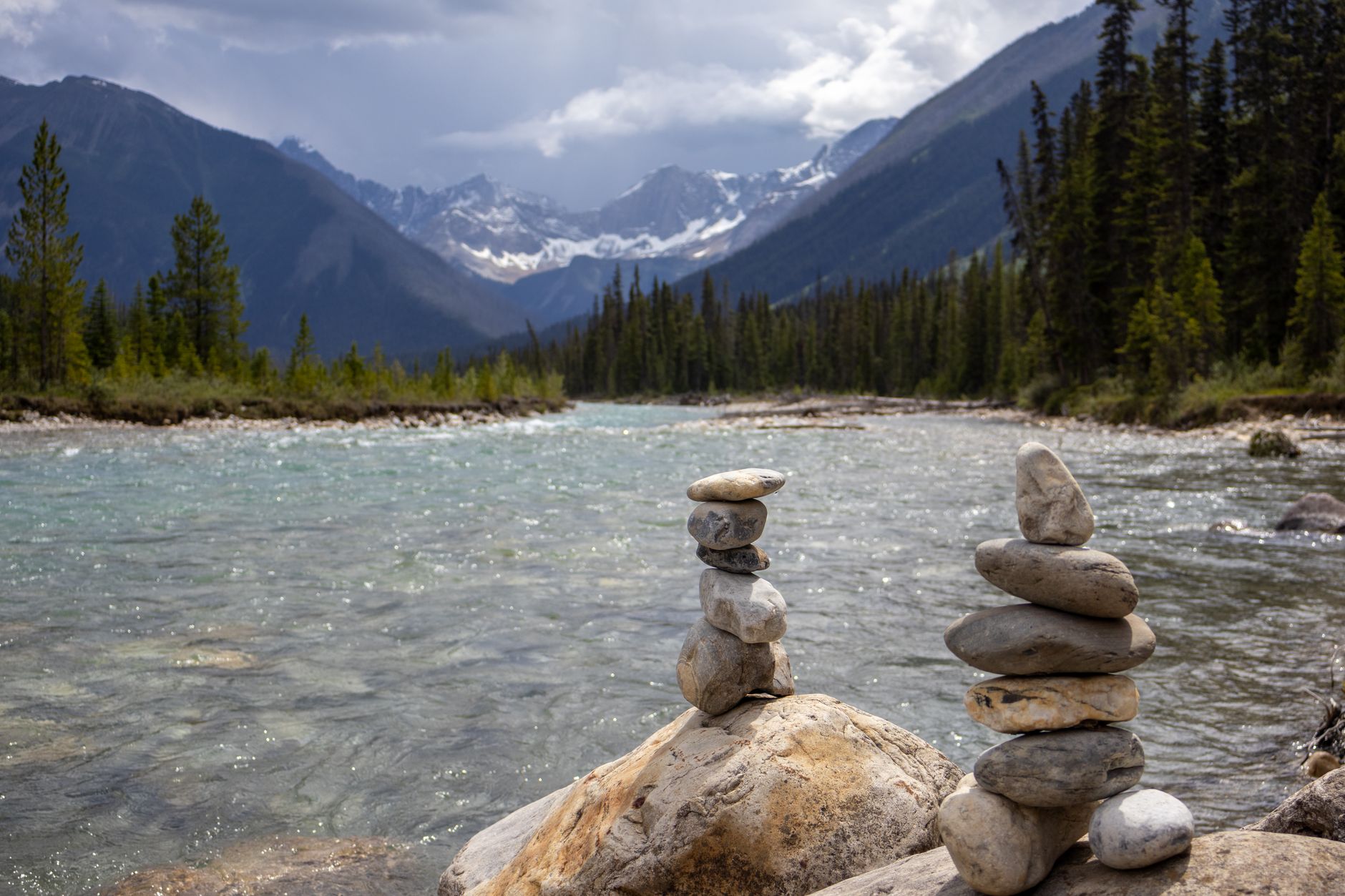
Your Ultimate Canada Travel Guide for First Timers
canada travel guide for first timers

Your Ultimate Canada Travel Guide for First Timers

Discover breathtaking landscapes, vibrant cities, and essential tips for an unforgettable inaugural journey to Canada.

Start Your Canadian Adventure

Key Takeaways

  • ✓ Canada is the world's second-largest country by area.
  • ✓ It boasts two official languages: English and French.
  • ✓ The Canadian dollar (CAD) is the official currency.
  • ✓ Tipping is customary for services, typically 15-20%.

How It Works

1
Plan Your Itinerary & Visa

Determine your travel dates, regions of interest, and duration. Research visa requirements; many nationalities need an eTA or visa.

2
Book Flights & Accommodation

Secure your international and domestic flights well in advance for better rates. Choose accommodation ranging from hotels to unique B&Bs or cabins.

3
Pack Smart & Get Insured

Pack according to the season and your activities, layering is key. Don't forget comprehensive travel insurance for peace of mind.

4
Experience & Explore

Arrive in Canada ready to immerse yourself in its culture and natural beauty. Be open to new experiences and local recommendations.

Navigating Entry Requirements and Essential Pre-Trip Planning
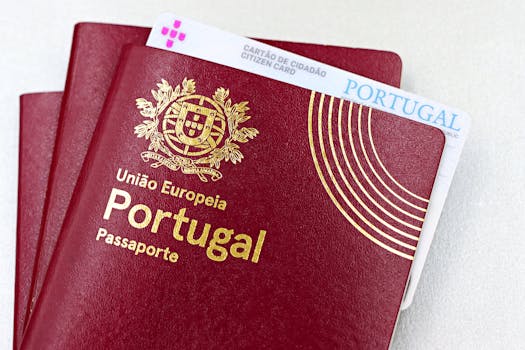
Close-up image of Portuguese passport and citizen card, essential for travel and identification in the EU. Photo: Marta Branco / Pexels
Embarking on your first Canadian adventure requires careful preparation, starting with understanding the entry requirements. For many international visitors, an Electronic Travel Authorization (eTA) is mandatory if arriving by air. This is a small, inexpensive document linked to your passport, and it's crucial to apply for it before booking flights. Ensure your passport is valid for at least six months beyond your intended departure date from Canada. Citizens of certain countries may require a full visitor visa, which involves a more extensive application process through Immigration, Refugees and Citizenship Canada (IRCC). Always check the official government website (Canada.ca) for the most up-to-date information specific to your nationality, as requirements can change. Don't leave this to the last minute; processing times can vary significantly. Once your entry is secured, the next step in this Canada travel guide for first timers is to consider travel insurance. While often overlooked, comprehensive travel insurance is non-negotiable. Canadian healthcare, though excellent, is not free for visitors, and medical emergencies can be incredibly expensive. Look for policies that cover emergency medical treatment, trip cancellation or interruption, lost luggage, and even emergency evacuation. Read the fine print carefully to understand what is and isn't covered. When planning your budget, remember to account for flights, accommodation, transportation within Canada, activities, food, and a contingency fund for unexpected expenses. The Canadian dollar (CAD) is the official currency, and while credit cards are widely accepted, it's wise to carry some cash for smaller purchases or remote areas. Consider using a travel-friendly credit card that offers no foreign transaction fees. Finally, begin researching your desired destinations and activities. Canada is vast, and attempting to see too much in one trip can lead to burnout. Focus on one or two regions to truly experience them. Whether it's the cosmopolitan charm of Toronto, the majestic Rockies, or the historic streets of Quebec City, tailor your itinerary to your interests. Think about the time of year you're traveling; Canada experiences four distinct seasons, each offering unique attractions and challenges. Winter travel, for instance, requires specific clothing and driving considerations that differ greatly from a summer road trip. For more detailed insights on budgeting, check out our guide on affordable travel strategies in North America. Understanding these foundational elements will ensure a smooth and stress-free start to your Canadian exploration.

Exploring Canada's Diverse Regions and Must-See Attractions
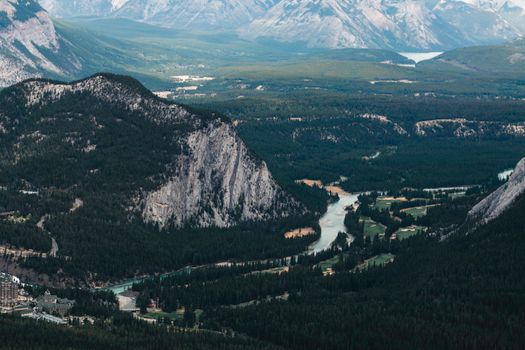
A breathtaking aerial view of the valley in Banff National Park, showcasing the river and lush forests. Photo: Ali Kazal / Pexels
Canada's sheer size means it offers an incredible array of landscapes, cultures, and experiences, making it essential for any Canada travel guide for first timers to highlight its regional diversity. The Atlantic Provinces (Newfoundland and Labrador, Prince Edward Island, Nova Scotia, and New Brunswick) charm visitors with their rugged coastlines, rich maritime history, and vibrant fishing villages. Think fresh seafood, lighthouses, and warm hospitality. Peggy's Cove in Nova Scotia or the scenic Cabot Trail are iconic examples. Central Canada, comprising Ontario and Quebec, is the most populous region and home to some of its largest cities. Toronto, Ontario, boasts world-class museums, diverse culinary scenes, and the iconic CN Tower. Just a short drive away are the awe-inspiring Niagara Falls. Quebec, with its distinct French culture, offers the historic charm of Quebec City and the European flair of Montreal, complete with cobblestone streets and delicious poutine. Moving west, the Prairie Provinces (Manitoba, Saskatchewan, and Alberta) present endless skies, vast farmlands, and the stunning Rocky Mountains. Alberta is a major draw, with Banff and Jasper National Parks offering unparalleled hiking, skiing, and wildlife viewing opportunities. Lake Louise, with its turquoise waters, is a postcard-perfect destination. British Columbia, Canada's westernmost province, is known for its dramatic Pacific coastline, lush rainforests, and vibrant Vancouver. Here, you can ski in Whistler, explore the urban beauty of Stanley Park, or go whale watching. The city of Victoria on Vancouver Island also offers a unique blend of British colonial charm and West Coast beauty. Finally, the vast and sparsely populated Northern Territories (Yukon, Northwest Territories, and Nunavut) offer truly unique adventures, from witnessing the spectacular Northern Lights to exploring indigenous cultures and pristine wilderness. Each region has its own unique climate, attractions, and cultural nuances. When planning your itinerary, consider the distances involved; flying is often the most practical option for inter-regional travel, while road trips are excellent for exploring within a specific province or contiguous regions. Public transportation systems are excellent within major cities, but for exploring national parks or more remote areas, a rental car is often necessary. Booking tours for specific attractions or activities, especially during peak season, is highly recommended to secure your spot and enhance your experience. Don't forget to research local festivals and events that might coincide with your visit, as these can offer a deeper dive into Canadian culture. Whether you're seeking urban excitement, serene nature, or cultural immersion, Canada has a region that will captivate your imagination.

Essential Transportation, Accommodation, and Culinary Experiences

Close-up of a waffle with bacon, served with syrup in an outdoor cafe setting. Photo: Dan Rivera / Pexels
Getting around Canada, finding suitable lodging, and savoring its diverse cuisine are crucial elements of any comprehensive Canada travel guide for first timers. Transportation options vary widely depending on your chosen region and budget. For long distances between major cities or provinces, flying is often the most efficient method, with airlines like Air Canada and WestJet providing extensive networks. VIA Rail offers a scenic, albeit slower, alternative for cross-country journeys, providing a unique perspective on Canada's landscapes. Within cities, public transit (subways, buses, streetcars) is generally excellent and affordable, especially in Toronto, Montreal, and Vancouver. For exploring national parks, smaller towns, or embarking on a true road trip adventure, renting a car is almost essential. Be aware of driving distances, which can be vast, and familiarize yourself with Canadian road rules. Winter driving conditions, particularly in mountainous or northern regions, require specific preparation and caution. Always ensure your rental car has appropriate tires for the season. Accommodation in Canada caters to all budgets and preferences. Major cities offer a wide range of international hotel chains, boutique hotels, and budget-friendly hostels. For a more unique experience, consider staying in charming bed and breakfasts, especially in smaller towns or wine regions. National parks often provide campgrounds, cabins, and even luxury lodges, but these book up incredibly fast, sometimes a year in advance, so plan accordingly. Websites like Booking.com, Airbnb, and Expedia are excellent resources for finding and booking lodging. When it comes to food, Canada's culinary scene is a delightful reflection of its multicultural population and abundant natural resources. Poutine, a dish of fries, cheese curds, and gravy, is a must-try, especially in Quebec. Maple syrup, in all its forms, is a national treasure. Don't miss out on fresh seafood, particularly on the coasts, from Atlantic lobster and oysters to Pacific salmon. In cities like Vancouver and Toronto, you'll find an incredible array of international cuisines, reflecting the country's diverse immigrant communities. Explore local farmers' markets for fresh produce and artisanal goods. Dining out can range from casual diners to upscale restaurants, and tipping 15-20% is customary for good service. Remember to sample local craft beers, ciders, and wines, especially from the Okanagan Valley in British Columbia or the Niagara region in Ontario. For those interested in exploring Canada's unique food scene, our article on culinary tourism in Canada offers further inspiration. From efficient transit to diverse dining, your Canadian journey promises a feast for all senses.

Practical Tips for a Smooth First-Time Canadian Trip
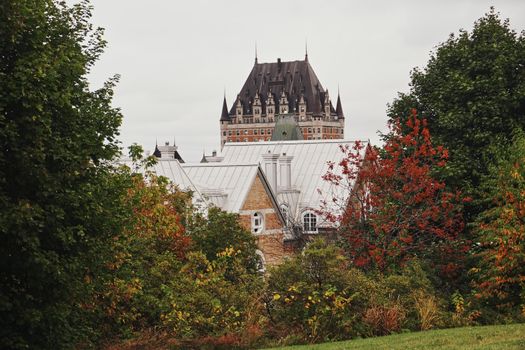
Captivating view of Chateau Frontenac framed by autumn trees in Quebec City. Photo: Abdel Achkouk / Pexels
To ensure your first Canadian adventure is as smooth and enjoyable as possible, keep these practical tips in mind. **Weather and Packing:** Canada experiences significant seasonal variations. * **Summer (June-August):** Generally warm and pleasant, but pack layers as evenings can be cool, especially in the mountains. Sunscreen, hats, and insect repellent are essential for outdoor activities. * **Fall (September-November):** Crisp air and stunning foliage, particularly in Eastern Canada. Pack warm layers, a waterproof jacket, and comfortable walking shoes. * **Winter (December-March):** Cold, snowy, and magical. Essential packing includes a heavy winter coat, waterproof boots, hats, gloves, and scarves. * **Spring (April-May):** Thawing snow, budding flowers, and variable temperatures. Layers are key, with rain gear advisable. **Connectivity:** Stay connected by purchasing a local SIM card upon arrival or checking with your home provider for international roaming packages. Wi-Fi is widely available in hotels, cafes, and public spaces. **Safety:** Canada is generally a very safe country. However, like anywhere, exercise common sense. Be aware of your surroundings, especially in busy urban areas, and secure your belongings. When exploring wilderness areas, inform someone of your plans, carry appropriate gear, and be aware of wildlife (bears, moose, etc.). Respect wildlife by maintaining a safe distance and never feeding them. **Language:** While English is spoken almost everywhere, French is the primary language in Quebec. Learning a few basic French phrases (Bonjour, Merci, S'il vous plaît) will be appreciated in Quebec and some parts of New Brunswick. **Tipping Etiquette:** Tipping is customary for services in Canada. * Restaurants: 15-20% of the bill (before tax) for good service. * Taxis: 10-15%. * Bartenders: $1-2 per drink or 15-20% of the tab. * Hotel porters: $2-5 per bag. * Tour guides: 10-15% of the tour cost. **Time Zones:** Canada spans six time zones, from Newfoundland Time to Pacific Time. Be mindful of this when coordinating travel or making calls. **Wildlife Encounters:** If you're visiting national parks, be bear aware. Carry bear spray, know how to use it, and store food properly. Never approach or feed wildlife. By keeping these practical points in mind, your first experience in Canada will be much more enjoyable and stress-free.

Comparison

FeatureEast Coast (Maritimes)Central Canada (ON/QC)West Coast (BC/AB)Northern Territories
LandscapeRugged Coastline, IslandsUrban, Lakes, Forests, FallsMountains, Ocean, RainforestTundra, Arctic, Aurora
Culture FocusMaritime History, SeafoodMulticultural, French InfluenceOutdoors, Indigenous, Asian InfluenceIndigenous, Wilderness
Best Time to VisitSummer/Early FallSpring/Summer/FallSummer/Winter (Skiing)Winter (Aurora), Summer (Hiking)
Primary ActivitiesCoastal Drives, Whale Watching, Fresh SeafoodCity Exploration, Niagara Falls, PoutineHiking, Skiing, Wildlife, Ocean ActivitiesNorthern Lights, Dog Sledding, Arctic Wildlife
Average Budget (daily)$$$$$$$$$$$$$$$

What Readers Say

"This Canada travel guide for first timers was an absolute lifesaver! It demystified the visa process and gave me so much confidence to plan my trip to the Rockies. I felt prepared for everything."

Emily R. · London, UK

"The sections on regional diversity helped me choose between Quebec and British Columbia for my first visit. The tips on tipping and transportation were incredibly useful for navigating Canadian customs."

Javier M. · Mexico City, Mexico

"Thanks to this guide, I booked my eTA early and secured amazing accommodation in Banff. It truly made planning my first time in Canada seamless and I had an unforgettable experience."

Sarah K. · Sydney, Australia

"A very thorough guide for first-timers! While I wished for a bit more detail on specific budget airlines, the overall advice on packing and safety was top-notch and greatly appreciated."

David L. · New York, USA

"As someone who had never visited North America, this Canada travel guide for first timers provided all the necessary foundational knowledge, from currency to cultural nuances. Highly recommend!"

Aisha P. · Dubai, UAE

Frequently Asked Questions

What's the best time of year for a first-time visit to Canada?

The best time depends on your interests. Summer (June-August) is ideal for outdoor activities and exploring cities with warm weather. Fall (September-October) offers stunning foliage, especially in Eastern Canada. Winter (December-March) is perfect for snow sports and seeing the Northern Lights. Spring (April-May) is a transition period, good for fewer crowds and budding nature.

Is Canada expensive for first-time travelers?

Canada can be moderately expensive, especially in major cities and popular tourist destinations like Banff. However, budgeting wisely for accommodation, transportation, and dining can help. Cooking some meals, utilizing public transit, and visiting during the shoulder seasons can reduce costs significantly.

How do I get an eTA or visa for Canada?

You apply for an eTA online through the official Government of Canada website (Canada.ca) before booking your flight. It's a simple process that typically takes minutes. If you require a visitor visa, the application is more extensive and also completed through the IRCC website, requiring more documentation and processing time. Always verify requirements based on your nationality.

What kind of clothing should I pack for my first trip to Canada?

Packing layers is essential for Canada, regardless of the season. Even in summer, evenings can be cool. For winter, invest in a warm, waterproof coat, thermal layers, waterproof boots, hat, gloves, and scarf. For summer, light clothing, comfortable walking shoes, and a light jacket are usually sufficient. Always check the specific weather forecast for your destinations closer to your travel date.

Should I rent a car or use public transport in Canada?

For exploring major cities like Toronto, Montreal, or Vancouver, public transport is efficient and recommended. However, to fully experience national parks, scenic routes, or smaller towns, renting a car offers greater flexibility and is often necessary. Consider the distances and your itinerary when making this decision.

Who should use this Canada travel guide for first timers?

This guide is specifically designed for individuals planning their very first trip to Canada. It caters to those who need comprehensive information on entry requirements, regional insights, practical tips, and essential planning steps to ensure a smooth and memorable inaugural Canadian adventure.

Is it safe to travel alone in Canada?

Yes, Canada is generally considered one of the safest countries in the world for solo travelers. Major cities are well-serviced, and crime rates are low. When venturing into wilderness areas, always inform someone of your itinerary and be prepared with appropriate gear and knowledge of local wildlife for your safety.

What's a future trend for Canadian tourism?

A growing trend in Canadian tourism is a focus on sustainable and experiential travel, particularly involving Indigenous tourism experiences. Visitors are increasingly seeking authentic cultural immersion, eco-friendly adventures, and opportunities to connect with Canada's natural beauty in a responsible way. Digital nomad visas and remote work tourism are also emerging areas.

Ready to embark on an adventure of a lifetime? This Canada travel guide for first timers has equipped you with all the knowledge needed to plan an unforgettable journey. Start exploring, book your trip, and discover the boundless beauty of Canada today!

Topics: canada travel guide for first timersfirst time canada triptraveling to canada tipscanada vacation planningexplore canada
Leo List
Brampton weed
Adultwork EstrelaBet Vai de Bet R7 Bet Betão Galera Bet Rainbet Bet9ja Shop SportyBet BetKing Sisal Loto Foot Hollywoodbets YesPlay Odibets RushBet Jugabet BetWarrior BetCity MSport betPawa Fortebet