Your Ultimate Canada Travel Budget Per Day Guide
canada travel budget per day

Your Ultimate Canada Travel Budget Per Day Guide

Craft your perfect Canadian adventure on any budget, from thrifty explorations to luxurious escapes. Get ready to save!

Plan Your Budget Now

Key Takeaways

  • ✓ Average daily costs for budget travelers range from CAD 70-120.
  • ✓ Mid-range travelers can expect to spend CAD 150-250 per day.
  • ✓ Luxury travel in Canada can easily exceed CAD 400+ daily.
  • ✓ Accommodation and transportation are typically the largest expenses.

How It Works

1
Define Your Travel Style

Determine if you're a budget backpacker, a mid-range explorer, or a luxury seeker. This choice significantly impacts your daily spending potential and options.

2
Research Regional Costs

Understand that prices vary dramatically across Canada. Major cities like Vancouver and Toronto are pricier than smaller towns or rural areas. Factor in seasonal variations too.

3
Allocate Funds to Categories

Break down your daily budget into key categories: accommodation, food, transportation, activities, and miscellaneous. This helps visualize where your money goes.

4
Implement Saving Strategies

Utilize practical tips like cooking your own meals, using public transit, seeking free activities, and booking in advance. Small savings add up to significant overall reductions.

Understanding the Average Canada Travel Budget Per Day
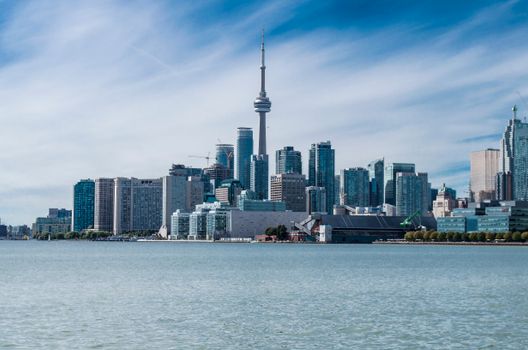
Stunning daytime view of Toronto skyline featuring the CN Tower and waterfront under a clear blue sky. Photo: Kayla S / Pexels
Embarking on a Canadian adventure is an exciting prospect, but without a clear understanding of the financial landscape, it can quickly become overwhelming. The concept of a 'canada travel budget per day' is not a one-size-fits-all figure; it's a dynamic number influenced by myriad factors, primarily your travel style, the regions you plan to visit, and the time of year. Generally, budget travelers aiming to minimize costs might target CAD 70-120 per day. This typically involves staying in hostels or budget guesthouses, cooking some of their own meals, utilizing public transport or hitchhiking where safe and feasible, and focusing on free or low-cost activities like hiking or exploring parks. For a mid-range experience, where you might enjoy comfortable hotels, eat out at casual restaurants, take intercity buses or trains, and partake in a few paid attractions, anticipate spending closer to CAD 150-250 per day. This allows for a good balance between comfort and cost-effectiveness. Finally, those seeking a luxurious escape – think boutique hotels, fine dining, private tours, and domestic flights – should prepare for a daily expenditure upwards of CAD 400, often significantly more in high-demand areas or during peak season. It's crucial to recognize that these are averages, and specific regions within Canada can skew these numbers considerably. For instance, major metropolitan areas like Vancouver, Toronto, and Montreal, or popular tourist destinations such as Banff and Whistler, will inherently be more expensive than smaller towns or less-traveled provinces like Saskatchewan or Manitoba. Accommodation costs, in particular, can fluctuate wildly. A hostel bed in downtown Toronto might cost CAD 40-60, while a mid-range hotel room could be CAD 150-250, and a luxury suite could easily exceed CAD 500 per night. Similarly, transportation within and between cities varies; a local bus fare is a few dollars, but a train journey across provinces can be hundreds. Food expenses also play a significant role. Cooking your own meals from a grocery store is the most economical, while dining out frequently, especially in tourist hotspots, adds up quickly. Understanding these variable components is the first step in constructing a realistic and manageable travel budget that aligns with your expectations and financial capabilities. Don't forget to factor in an emergency fund, usually 10-15% of your total budget, for unforeseen circumstances or spontaneous splurges. This buffer is essential for peace of mind and flexibility during your travels across the vast and diverse Canadian landscape.

Breaking Down Daily Expenses: Accommodation, Food, and Transport
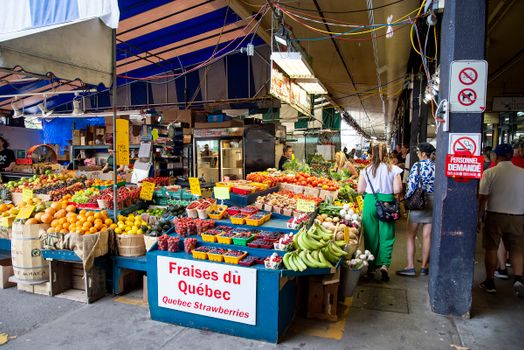
Explore a bustling street market in Quebec City showcasing fresh fruits and vegetables. Photo: @coldbeer / Pexels
When meticulously planning your Canada travel budget per day, dissecting your expenses into key categories—accommodation, food, and transportation—is paramount. These three components typically consume the largest portion of a traveler's funds and offer the most significant opportunities for savings. Let's start with accommodation. For budget travelers, hostels are a godsend, offering dormitory beds for CAD 30-60 per night in most cities. Alternatively, consider camping, especially in national or provincial parks, which can range from CAD 20-40 per night for a basic site, providing an immersive natural experience. Mid-range options include budget hotels, motels, or Airbnb rentals, usually priced between CAD 100-250 per night. Booking well in advance, especially for peak seasons or popular destinations, can secure better rates. Luxury accommodations, such as high-end hotels, resorts, or premium Airbnb properties, often start at CAD 300 and can reach upwards of CAD 800+ per night, depending on location and amenities. Next up is food. Eating out for every meal in Canada can be surprisingly expensive. A sit-down breakfast might cost CAD 15-25, lunch CAD 20-35, and dinner CAD 30-70+ per person, excluding drinks. Budget travelers can significantly cut costs by frequenting grocery stores, preparing their own meals, and packing snacks. Many hostels offer shared kitchen facilities. Fast food or casual eateries can provide meals for CAD 10-20. Mid-range travelers might balance cooking with dining at local cafes, food trucks, or moderately priced restaurants, experiencing local cuisine without excessive spending. Luxury dining, of course, has no real upper limit, with tasting menus and fine wine pairings easily pushing individual meals into the hundreds of dollars. Finally, transportation. Within cities, public transit (buses, subways, streetcars) is generally efficient and affordable, with single fares around CAD 3-4 and day passes available for CAD 10-15. Taxis and ride-sharing services like Uber are more convenient but also more expensive, suitable for occasional use or late-night travel. For intercity travel, long-distance buses (e.g., Greyhound, Rider Express) are the most economical option, with fares varying greatly by distance and booking time. Trains (Via Rail) offer a more comfortable but often pricier alternative, especially for scenic routes. Renting a car provides ultimate flexibility but comes with costs for the rental itself (CAD 40-100+ per day), fuel (which can be expensive in remote areas), insurance, and parking. Domestic flights are the quickest for long distances but are usually the most expensive, unless booked far in advance or during a sale. Always compare options and consider multi-modal approaches to optimize your transportation budget.

Activities and Miscellaneous: Rounding Out Your Daily Spend
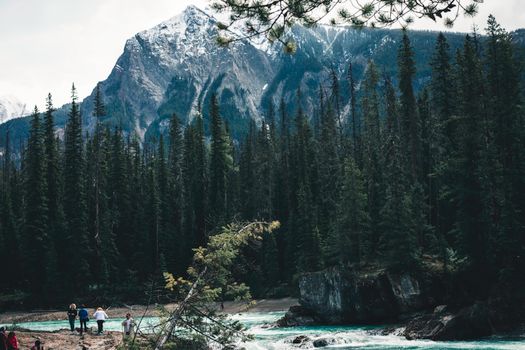
Explore the breathtaking landscape with majestic mountains and lush forests in Field, BC, Canada. Photo: Ali Kazal / Pexels
Beyond the core expenses of accommodation, food, and transport, your Canada travel budget per day must also account for activities and a miscellaneous buffer. The range of activities in Canada is as diverse as its landscape, from world-class museums and vibrant city attractions to breathtaking outdoor adventures. Many of Canada's most iconic experiences, such as hiking in national parks, exploring urban green spaces, or simply enjoying the natural beauty, are free or very low cost. National Park entry fees are typically around CAD 20 per person per day or CAD 140 for an annual family/group pass, which can be a great investment if you plan to visit multiple parks. City attractions like museums, art galleries, and observation decks usually have entry fees ranging from CAD 15-30 per person. Guided tours, whether for wildlife viewing, city exploration, or adventure sports like whitewater rafting or heli-skiing, can significantly increase your daily spend, often costing CAD 50-300+ depending on the activity and duration. For budget-conscious travelers, seeking out free walking tours, utilizing free museum days (if available), and prioritizing nature-based activities will keep costs down. Mid-range travelers might mix in a few paid attractions or a moderate adventure tour, while luxury travelers will likely indulge in private tours, exclusive experiences, and higher-end entertainment. Remember to check for student or senior discounts if applicable. Crucially, never underestimate the 'miscellaneous' category. This acts as your safety net and covers unexpected costs or spontaneous purchases. This can include souvenirs, postcards, laundry services, emergency medical supplies, tips for service providers (tipping is customary in Canada, typically 15-20% for good service), or a forgotten item like sunscreen or a phone charger. A good rule of thumb is to allocate 10-15% of your daily budget to this category. Failing to account for miscellaneous expenses can quickly derail an otherwise well-planned travel budget. Furthermore, communication costs, such as a local SIM card or roaming charges, should be considered. While Wi-Fi is widely available in hotels and cafes, having mobile data can be invaluable for navigation and emergencies. By thoughtfully allocating funds to activities and maintaining a robust miscellaneous buffer, you ensure that your Canadian journey remains enjoyable and financially secure, allowing you to fully immerse yourself in the wonders of this incredible country without constant financial worry.

Smart Strategies to Lower Your Canada Travel Budget Per Day
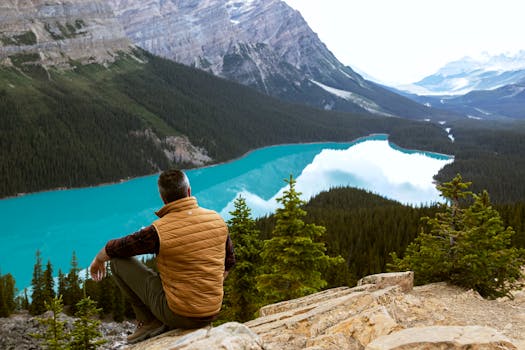
A man sits overlooking the breathtaking view of Peyto Lake in Banff National Park, Canada. Photo: Andre Furtado / Pexels
Achieving an optimal Canada travel budget per day doesn't mean sacrificing enjoyment; it means making smart choices. Here are some actionable strategies to help you stretch your loonies further: * **Travel During Shoulder Seasons:** Avoid the peak summer months (July-August) and major holiday periods. Spring (May-June) and Fall (September-October) offer pleasant weather, fewer crowds, and significantly lower prices for flights and accommodation. Winter can also be budget-friendly, especially outside of ski resorts. * **Embrace Public Transportation & Walking:** In cities, rely on buses, subways, and streetcars. Many Canadian cities are very walkable, allowing you to save on transit while experiencing the local vibe. For longer distances, consider bus services over trains or flights, or explore ride-sharing options. * **Cook Your Own Meals:** This is perhaps the single most impactful way to save money on food. Stay in accommodations with kitchen facilities (hostels, Airbnbs, campgrounds) and visit local grocery stores. Pack lunches and snacks for day trips to avoid overpriced tourist traps. * **Prioritize Free Activities:** Canada boasts an abundance of natural beauty. Hiking, exploring parks, visiting free museums or art galleries, and enjoying scenic drives are excellent ways to immerse yourself without spending a fortune. Look for free festivals or events in cities. * **Book in Advance (or Last Minute):** For flights and popular accommodations, booking several months ahead often yields the best prices. Conversely, if you're flexible, some last-minute deals can emerge, though this is riskier. Generally, avoid booking anything a week or two before your trip. * **Consider a Travel Credit Card:** Look for cards with no foreign transaction fees and rewards programs that offer points for travel. Some cards also include travel insurance or car rental insurance, saving you additional costs. * **Utilize Discount Passes:** For cities like Toronto or Vancouver, look into city passes that offer bundled access to multiple attractions at a reduced rate. If visiting multiple national parks, an annual Parks Canada Discovery Pass is a must. * **Travel with a Group:** Splitting costs for accommodation, car rentals, and even some meals among friends or family can significantly reduce individual daily expenses. * **Be Flexible with Destinations:** Major cities and iconic natural parks (e.g., Banff) are often the priciest. Consider exploring lesser-known but equally beautiful regions like the Canadian Prairies, the Atlantic Provinces, or smaller towns in Ontario or Quebec for a more authentic and affordable experience. * **Track Your Spending:** Use a budgeting app or a simple spreadsheet to monitor your expenses daily. This helps you stay accountable and identify areas where you might be overspending. Adjust your habits as needed to stay within your Canada travel budget per day.

Comparison

FeatureBudget TravelerMid-Range TravelerLuxury Traveler
Daily Spend (CAD)70-120150-250400+
AccommodationHostel dorm/Camping3-star Hotel/Airbnb4-5 star Hotel/Resort
FoodGrocery/Fast food/PicnicsCasual restaurants/MixFine dining/Room service
TransportationPublic transit/WalkingPublic transit/Rideshare/BusTaxis/Private transfers/Flights
ActivitiesFree parks/Hiking/Some museumsPaid attractions/Local toursPrivate tours/Adventure sports
FlexibilityHighMediumLow

What Readers Say

"This guide truly helped me set a realistic Canada travel budget per day for my Rockies trip. The tips on cooking my own meals saved me a fortune, allowing me to splurge on a scenic helicopter tour!"

Sarah J. · Melbourne, Australia

"I used the mid-range budget estimates for my two-week tour of Eastern Canada, and they were spot on. The breakdown of accommodation and food costs was incredibly accurate and useful."

David M. · London, UK

"Thanks to this article, I managed to keep my Canada travel budget per day under CAD 100. Focusing on free activities and public transport made my Vancouver trip enjoyable and affordable."

Emily R. · Austin, USA

"The information on regional cost differences was particularly helpful. I found Montreal to be slightly more affordable than Toronto, which aligned with the guide's insights. Great overall planning tool."

Alex K. · Berlin, Germany

"As a solo female traveler, understanding my Canada travel budget per day was crucial. This guide's detailed breakdown allowed me to plan confidently and safely, ensuring I had enough for emergencies."

Maria S. · São Paulo, Brazil

Frequently Asked Questions

What is a realistic Canada travel budget per day for a backpacker?

For backpackers, a realistic Canada travel budget per day typically ranges from CAD 70-120. This usually covers hostel accommodation, cooking most meals, using public transportation, and focusing on free or low-cost activities like hiking and park visits.

Is Canada expensive for tourists?

Canada can be expensive, especially in major cities like Vancouver and Toronto, and popular tourist hubs like Banff. However, with careful planning, booking in advance, and utilizing budget-saving strategies, it's possible to travel affordably. Prices vary significantly by region and season.

How can I save money on food in Canada?

To save money on food, prioritize cooking your own meals by staying in accommodations with kitchens and shopping at grocery stores. Opt for picnics, utilize food trucks or casual eateries, and limit dining out at sit-down restaurants, especially in tourist areas.

What is the average cost of accommodation in Canada per night?

Accommodation costs vary widely. A hostel bed can range from CAD 30-60. Mid-range hotels or Airbnbs typically cost CAD 100-250 per night. Luxury options can start from CAD 300 and go upwards of CAD 800+ in prime locations.

How does Canadian travel budgeting compare to the USA?

Generally, Canada can be slightly more affordable than the USA, especially when comparing major cities. Accommodation and food costs might be a bit lower, and public transport is often efficient. However, fuel prices can sometimes be higher, and certain tourist activities can be similarly priced.

Who should use a detailed Canada travel budget per day?

Anyone planning a trip to Canada, regardless of their budget level, should create a detailed daily budget. It's especially crucial for budget-conscious travelers, long-term visitors, or those visiting multiple regions to ensure financial stability and maximize their experience without overspending.

Are there any hidden costs I should be aware of when budgeting for Canada travel?

Beyond the obvious, hidden costs can include tipping (15-20% is customary), sales taxes (GST/HST varies by province, 5-15%), park entry fees, specific activity permits, travel insurance, and unexpected currency exchange rate fluctuations. Always factor in a miscellaneous buffer.

Will travel costs in Canada increase in the coming years?

Like many popular travel destinations, costs in Canada are generally trending upwards due to inflation, increased demand, and evolving tourism infrastructure. Planning and booking in advance will likely become even more critical for managing your Canada travel budget per day in the future.

Armed with this comprehensive guide, you're ready to craft a realistic and flexible Canada travel budget per day. Start planning your unforgettable Canadian adventure today, knowing you have the tools to explore this magnificent country without financial stress.

Topics: canada travel budget per daycost of travel in Canadabudgeting for Canada tripaffordable Canada travel
Leo List

IE Escorts NO Escorts US Escorts NZ Escorts AU Escorts
Brampton weed
Adultwork EstrelaBet Vai de Bet R7 Bet Betão Galera Bet Rainbet Bet9ja Shop SportyBet BetKing Sisal Loto Foot Hollywoodbets YesPlay Odibets RushBet Jugabet BetWarrior BetCity MSport betPawa Fortebet