Your Ultimate Canada Road Trip Itinerary: 7 Days of Adventure
June 23, 2026 16 min read 3,242 words
Experience the majestic beauty of Canada in just one week with our meticulously planned road trip routes and insider tips.
Start Your Canadian Journey
Crafting Your Perfect 7-Day Canadian Rockies Adventure
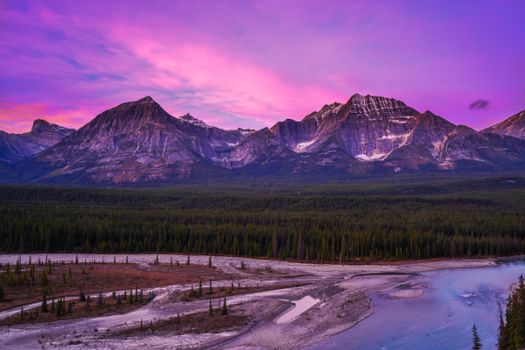 Photo: Nunzio Guerrera / Pexels
When envisioning a Canada road trip itinerary 7 days long, the majestic Canadian Rockies often spring to mind as the quintessential choice. This region, spanning parts of Alberta and British Columbia, offers a breathtaking panorama of towering peaks, turquoise lakes, and abundant wildlife, making it an ideal candidate for an unforgettable week-long adventure. The key to maximizing your experience in such a short timeframe is strategic planning, focusing on a manageable loop or linear route that minimizes backtracking and maximizes scenic beauty.
Your journey could begin in Calgary, Alberta, a vibrant city that serves as a perfect gateway to the mountains. Day 1 might involve picking up your rental car, stocking up on supplies, and driving directly to Banff National Park, approximately 1.5 hours west. Settle into your accommodation in Banff townsite or Lake Louise and take an evening stroll to soak in the mountain air. Day 2 is dedicated to exploring Banff. Visit Lake Louise, often called the 'Jewel of the Rockies,' and consider a short hike around its shores or rent a canoe for an iconic paddle. Moraine Lake, with its stunning blue waters, is another must-see, though access can be seasonal and requires advance planning or shuttle use. In the afternoon, explore Banff Avenue, take the Banff Gondola for panoramic views, or relax at the Upper Hot Springs.
Day 3 takes you along the world-renowned Icefields Parkway, a scenic drive considered one of the most beautiful in the world. This 232-kilometer stretch connects Lake Louise to Jasper and is dotted with glaciers, waterfalls, and wildlife viewing opportunities. Essential stops include Peyto Lake, Bow Lake, and the Columbia Icefield, where you can take a guided tour onto the Athabasca Glacier. Plan for a full day of driving and stopping, aiming to arrive in Jasper by late afternoon. Day 4 is all about Jasper National Park, Canada's largest national park in the Rockies. Explore Maligne Lake, often lauded for its spiritual island, Spirit Island, accessible via boat tour or canoe. Discover the depths of Maligne Canyon, a spectacular limestone gorge, and keep an eye out for elk, deer, and even bears that frequently roam the area. For an elevated perspective, take the Jasper Skytram.
Discover more about Canadian National Parks here.
On Day 5, consider a scenic drive from Jasper back towards Lake Louise or a different route entirely, perhaps exploring Yoho National Park just west of Lake Louise. Yoho offers stunning attractions like Emerald Lake, Takakkaw Falls (one of Canada's highest waterfalls), and the Natural Bridge. This park provides a slightly different, often less crowded, mountain experience. Day 6 could be dedicated to revisiting a favorite spot, exploring a new trail, or simply enjoying the amenities of your chosen base. For example, if you stayed in Lake Louise, you could hike to a tea house or enjoy a leisurely morning by the lake. Finally, Day 7 involves a scenic drive back to Calgary for your departure, allowing ample time for any last-minute souvenir shopping or a final Canadian meal. This itinerary balances iconic sights with opportunities for outdoor activity, providing a comprehensive taste of the Canadian Rockies within your 7-day window. Remember to check park pass requirements and make any necessary reservations well in advance, especially for popular attractions or accommodations during peak season.
Exploring the Atlantic Charm: A 7-Day Road Trip in Nova Scotia
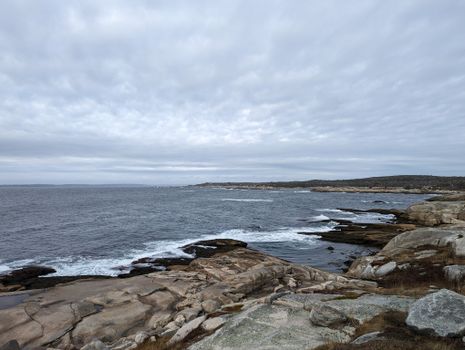 Photo: Bogdan Krupin / Pexels
For those seeking a different kind of Canadian adventure, a Canada road trip itinerary 7 days through Nova Scotia offers a captivating blend of rugged coastlines, charming fishing villages, and rich maritime history. This East Coast province, while smaller than the vast Rockies, packs an incredible amount of beauty and culture into a manageable area, making it perfect for a week-long exploration without feeling rushed. Your journey typically begins and ends in Halifax, the provincial capital, a vibrant city with a bustling waterfront and historic sites.
Day 1 upon arrival in Halifax involves settling in and exploring the city's highlights. Walk the historic waterfront boardwalk, visit the Maritime Museum of the Atlantic, and perhaps take a guided tour of the Halifax Citadel National Historic Site, offering fantastic views of the harbor. Enjoy a fresh seafood dinner to kick off your culinary adventure. Day 2 takes you along the scenic South Shore, renowned for its picturesque coastal drives. Your first major stop should be Peggy's Cove, an iconic fishing village famous for its granite boulders and historic lighthouse. Continue to Lunenburg, a UNESCO World Heritage site, where you can explore its colorful historic buildings, visit the Fisheries Museum of the Atlantic, and even take a harbor cruise. Spend the night in Lunenburg or a nearby coastal town.
On Day 3, venture further south or head inland slightly, depending on your interests. You could explore Kejimkujik National Park and National Historic Site, offering hiking trails, canoeing opportunities, and ancient Mi'kmaq petroglyphs. Alternatively, continue along the coast to explore more hidden coves and beaches. Day 4 marks the beginning of your journey towards Cape Breton Island, arguably Nova Scotia's crown jewel. The drive itself is scenic, and you'll want to plan to arrive in Baddeck, a charming village on the Bras d'Or Lake, by late afternoon. Visit the Alexander Graham Bell National Historic Site to learn about the inventor's life and work.
Day 5 and 6 are dedicated to the world-famous Cabot Trail, one of the most stunning scenic drives on the planet. This roughly 300-kilometer loop winds around the northern tip of Cape Breton Island, offering dramatic coastal views, lush highland plateaus, and opportunities for hiking, whale watching, and exploring Acadian culture. It's best to dedicate two days to the Cabot Trail to fully appreciate its beauty and allow for stops at viewpoints, small communities like Cheticamp and Ingonish, and hikes within Cape Breton Highlands National Park. Consider driving the loop counter-clockwise for the best ocean views. Overnight stops could be in Ingonish or Cheticamp.
Finally, Day 7 involves a leisurely drive back to Halifax from Cape Breton Island. This drive will take several hours, so plan for an early start. You can make a few final stops along the way, perhaps in Antigonish or Truro, before arriving back in Halifax for your departure. This Nova Scotia itinerary offers a rich tapestry of coastal beauty, cultural immersion, and historic charm, providing a distinct and equally rewarding Canadian road trip experience within your 7-day timeframe. Be sure to sample the fresh lobster and don't forget your camera for those unforgettable coastal vistas.
Find more East Coast travel inspiration here.
Ontario's Urban & Natural Wonders: A 7-Day Road Trip
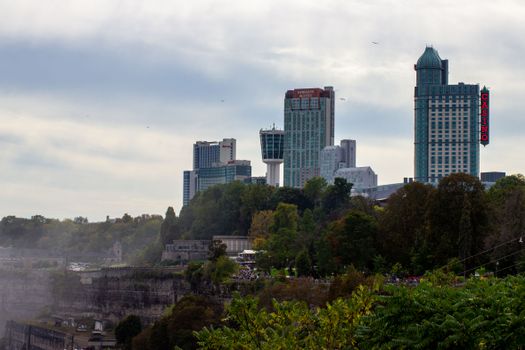 Photo: Hashim Gaad / Pexels
For a Canada road trip itinerary 7 days that blends vibrant urban experiences with accessible natural beauty, an Ontario loop focusing on Toronto, Niagara Falls, and cottage country or a segment of the Great Lakes offers a diverse and engaging option. This itinerary is particularly appealing for those who enjoy a mix of city life, iconic landmarks, and serene landscapes, all within a relatively compact driving distance compared to the vastness of other Canadian regions. Your journey will likely commence and conclude in Toronto, Canada's largest city and a major international hub.
Day 1 begins with your arrival in Toronto. Spend the day exploring its diverse neighborhoods. Ascend the CN Tower for unparalleled views of the city and Lake Ontario, wander through the historic Distillery District, or immerse yourself in the cultural melting pot of Kensington Market. Enjoy a world-class culinary experience in the evening. Day 2 is dedicated to one of the world's most spectacular natural wonders: Niagara Falls. It's approximately a 1.5 to 2-hour drive from Toronto. Spend the day experiencing the falls from various perspectives – take a Hornblower Niagara Cruise (formerly Maid of the Mist), walk behind the falls, or enjoy the views from Queen Victoria Park. Explore the charming town of Niagara-on-the-Lake, known for its wineries and historic architecture, on your way back or for an overnight stay.
Day 3 could see you exploring the Niagara wine region in more depth, visiting several vineyards for tastings and tours. Alternatively, if wine isn't your primary interest, you could head towards the Bruce Peninsula, a stunning area known for its dramatic cliffs, turquoise waters, and ancient forests. This is a longer drive (around 3-4 hours from Toronto/Niagara) but offers a truly spectacular natural escape. If you choose the Bruce Peninsula, spend Day 4 hiking in Bruce Peninsula National Park, exploring the Grotto, or taking a boat tour to Flowerpot Island in Fathom Five National Marine Park. This area is a haven for outdoor enthusiasts and offers some of Ontario's most breathtaking scenery. Overnight in Tobermory or a nearby town.
If you opted for the Niagara region, Day 4 could involve a more relaxed pace, perhaps exploring some of the smaller towns along Lake Ontario's shoreline, or heading towards cottage country. Day 5, if you were on the Bruce Peninsula, involves a drive back towards Toronto, perhaps with a detour through a portion of Ontario's 'cottage country' like Muskoka or Haliburton. These regions are famous for their pristine lakes, dense forests, and charming small towns, offering opportunities for hiking, canoeing, or simply relaxing by the water. If you stayed closer to Toronto, Day 5 could be dedicated to exploring a provincial park like Algonquin (though this would require an earlier start and a longer day) or enjoying a day trip to a charming town like Elora or Stratford.
Day 6 could be a return to Toronto for more urban exploration – visiting museums like the Royal Ontario Museum or the Art Gallery of Ontario, shopping, or catching a show. Alternatively, if you're seeking more nature, consider a day trip to the Thousand Islands region near Kingston, offering scenic boat tours among the countless islands. Finally, Day 7 concludes your road trip with your departure from Toronto. This Ontario itinerary provides a rich and varied experience, showcasing the province's diverse appeal within a well-paced 7-day journey. It’s important to remember that traffic around Toronto can be significant, so factor in extra travel time.
Plan your perfect Canadian adventure here.
Essential Tips for a Smooth Canada Road Trip & Common Mistakes to Avoid
Embarking on a Canada road trip itinerary 7 days long is an exhilarating prospect, but successful execution hinges on meticulous planning and an awareness of common pitfalls. To ensure your journey is as smooth and enjoyable as possible, consider these essential tips and learn from the mistakes others have made.
Firstly, understand the sheer scale of Canada. A common mistake is trying to cover too much ground in a week. As highlighted in the itineraries above, focusing on a single region – be it the Rockies, Atlantic Canada, or a specific province – is crucial. Attempting to drive from coast to coast in 7 days is not only impractical but will lead to exhaustion and minimal enjoyment of any single location. Prioritize depth over breadth.
Secondly, seasonal variations are significant. Canada experiences distinct seasons, each offering a unique road trip experience. Summer (June to August) is popular for good weather and accessibility to all attractions, but also means higher prices and more crowds. Spring and Fall offer beautiful scenery and fewer tourists, but some mountain passes or attractions might have limited access. Winter road trips are possible but require specialized vehicle preparation (winter tires are often mandatory or highly recommended) and an understanding of challenging driving conditions. A major mistake is underestimating Canadian winters or attempting mountain drives without proper equipment.
Thirdly, navigation and connectivity. While major routes are well-signed, cell service can be unreliable in remote areas, especially in national parks or along certain scenic highways. Always download offline maps (e.g., Google Maps, Maps.me) for your entire route. A physical map can also be a lifesaver. Don't rely solely on your phone. Another mistake is not researching national park entry fees or passes. Many parks require a daily or annual pass, and purchasing these in advance can save time at the gates.
Fourthly, wildlife awareness. Canada is home to abundant wildlife, and encounters are common, particularly in national parks. Never feed wildlife, keep a safe distance, and be extra vigilant when driving, especially at dawn and dusk. Collisions with large animals like deer, elk, or moose can be extremely dangerous. It's a mistake to disregard wildlife warnings or approach animals too closely for photos.
Finally, budgeting and spontaneity. While a 7-day trip is shorter, costs can add up. Factor in fuel (which can be more expensive in remote areas), accommodation, food, activity fees, and a buffer for unexpected expenses. It’s a mistake to underestimate food costs, especially if dining out frequently. While planning is vital, also leave some room for spontaneity. Some of the best road trip memories come from unexpected detours or local recommendations. Don't over-schedule every minute, allowing for flexibility and relaxation.
* **Key Planning Steps:**
* Choose one region (e.g., Rockies, Nova Scotia, Southern Ontario).
* Book accommodations, especially during peak season.
* Consider a rental car if your own isn't suitable for long distances.
* Purchase national park passes in advance where applicable.
* Pack layers of clothing for varying weather.
* Download offline maps and have a physical backup.
* Carry emergency supplies: first-aid kit, water, snacks, blankets.
* **Common Mistakes to Avoid:**
* Trying to see too much in 7 days.
* Ignoring seasonal weather conditions and road closures.
* Relying solely on cell service for navigation.
* Approaching or feeding wildlife.
* Underestimating fuel and food costs.
* Not accounting for time zone changes if crossing provinces.
