✓ Canada boasts 38 National Parks, 10 National Park Reserves, and one National Urban Park.
✓ These protected areas cover over 340,000 square kilometers, roughly 3.4% of Canada's landmass.
✓ Parks Canada manages these sites, aiming for ecological integrity and public enjoyment.
✓ Many parks offer diverse activities, from hiking and camping to wildlife viewing and winter sports.
How It Works
1
Choose Your Adventure Style
Consider what kind of experience you're seeking: rugged backcountry, family-friendly trails, or wildlife photography. This will narrow down your park options significantly.
2
Select Your Park & Season
Research specific parks that align with your interests and the best time of year to visit them. Popular parks like Banff require early booking, especially for summer.
3
Plan Logistics & Permits
Book accommodations, obtain necessary park passes, and secure any backcountry permits or activity reservations in advance. Check Parks Canada's website for specific requirements.
4
Prepare & Explore Responsibly
Pack appropriate gear, understand Leave No Trace principles, and familiarize yourself with local wildlife safety. Embrace the beauty while protecting it for future generations.
Discovering Canada's Diverse National Parks
Photo: Ali Kazal / Pexels
Canada's national park system is a testament to the country's vast and varied natural beauty, offering an unparalleled range of landscapes and experiences. From the rugged, snow-capped peaks of the Canadian Rockies to the ancient, windswept coastlines of the Atlantic, and the expansive boreal forests of the north, there's a national park to ignite every adventurer's spirit. This comprehensive Canada national parks guide will help you navigate this incredible network, ensuring you make the most of your journey into the wild. Each park tells its own unique story, shaped by millions of years of geological processes and vibrant ecosystems. For instance, the iconic Banff National Park, Canada's first national park, draws millions with its turquoise lakes, majestic mountains, and abundant wildlife. Further east, Gros Morne National Park in Newfoundland offers a dramatic landscape of fjords and ancient geological formations, a UNESCO World Heritage site that transports visitors to another era.
Understanding the geographical diversity is key to planning your trip. The western parks, including Banff, Jasper, Yoho, and Kootenay, are renowned for their mountainous terrain, glacial lakes, and world-class hiking and skiing. These parks are often grouped as the 'Rocky Mountain Parks' and are a bucket-list destination for many. Moving eastward, you'll find parks like Grasslands National Park in Saskatchewan, offering a glimpse into Canada's prairie heritage, complete with bison herds and dark night skies perfect for stargazing. On the Atlantic coast, parks such as Cape Breton Highlands National Park in Nova Scotia combine stunning ocean views with rolling highlands and Acadian culture. The sheer scale and variety mean that whether you're seeking an adrenaline-fueled mountaineering expedition or a peaceful paddle on a pristine lake, there's a setting for you.
Beyond their aesthetic appeal, Canada's national parks play a crucial role in conservation, protecting endangered species and vital ecosystems. They serve as living laboratories for scientific research and educational hubs, fostering a deeper connection between people and nature. Many parks offer interpretive programs, guided hikes, and visitor centers that enhance the experience by providing context and understanding of the natural and cultural history of the area. When planning your visit, consider the time of year carefully, as each season offers a distinct perspective. Summer is ideal for hiking and camping, while autumn brings spectacular fall foliage. Winter transforms many parks into snowy wonderlands, perfect for cross-country skiing, snowshoeing, and ice skating. Spring, though often muddy, is a time of renewal, with melting snow and emerging wildlife. This Canada national parks guide aims to empower you to choose the perfect park for your adventure. For general travel tips, check out our guide on Canadian travel essentials.
Planning Your Canadian National Park Adventure
Photo: Elizabeth Iris / Pexels
Embarking on a journey through Canada's national parks requires thoughtful planning to ensure a safe, enjoyable, and memorable experience. The first step in this Canada national parks guide is to determine your priorities. Are you a seasoned backpacker looking for multi-day treks, or a family seeking accessible trails and wildlife viewing opportunities? Your interests will dictate the best park and the type of activities you should focus on. Once you have a general idea, delve into the specifics of your chosen park. Visit the official Parks Canada website (parkscanada.gc.ca) for the most up-to-date information on park passes, permits, trail conditions, and regulations. A Parks Canada Discovery Pass provides unlimited entry to all national parks across the country for a full year, often a cost-effective option if you plan to visit multiple parks or stay for an extended period.
Accommodation is another critical aspect. Options range from front-country campgrounds with basic amenities to backcountry campsites requiring permits and advanced reservations. Many parks also offer unique Parks Canada accommodations like oTENTiks (a cross between a tent and a cabin), yurts, or even historic cabins. During peak season, especially in popular parks like Banff and Jasper, campsites and lodging can book up months in advance, so early reservations are highly recommended. If you prefer hotels or private rentals, research options in nearby towns.
Packing smart is essential for any Canadian national park adventure. Weather can be unpredictable, even in summer, so layers are key. Bring waterproof outerwear, sturdy hiking boots, and appropriate gear for your planned activities. Don't forget essentials like bear spray (and knowledge on how to use it safely, if in bear country), a first-aid kit, navigation tools (map and compass or GPS), sufficient water, and high-energy snacks. Wildlife encounters are a highlight for many, but it's crucial to practice wildlife safety. Maintain a safe distance, never feed animals, and store food properly to avoid attracting wildlife. Familiarize yourself with bear and cougar safety protocols specific to the region you're visiting.
Finally, respect for the environment is paramount. Parks Canada operates on a 'Leave No Trace' philosophy, encouraging visitors to minimize their impact. This means packing out everything you pack in, staying on marked trails, and respecting natural habitats. Understanding and adhering to park regulations not only protects these precious environments but also ensures a better experience for all visitors. This Canada national parks guide emphasizes responsible tourism as a cornerstone of your adventure.
Must-Visit Gems: Top National Parks in Canada
Photo: Britt Pigat / Pexels
While every national park in Canada offers something special, certain destinations stand out for their iconic landscapes, unique ecosystems, and unforgettable experiences. This Canada national parks guide highlights a few of these must-visit gems, providing a starting point for your exploration.
**Banff National Park, Alberta:** As Canada's first national park and part of a UNESCO World Heritage Site, Banff is world-renowned for its stunning turquoise lakes (Lake Louise, Moraine Lake), towering Rocky Mountains, and vibrant townsite. Activities include hiking, canoeing, wildlife viewing, and skiing in winter. Don't miss the iconic drive along the Icefields Parkway, connecting Banff to Jasper.
**Jasper National Park, Alberta:** The largest national park in the Canadian Rockies, Jasper offers a wilder, less crowded experience than Banff, though equally spectacular. Home to Maligne Lake, the Athabasca Glacier, and abundant wildlife including elk, bighorn sheep, and bears. It's also a Dark Sky Preserve, offering incredible stargazing opportunities.
**Gros Morne National Park, Newfoundland and Labrador:** A geological marvel and UNESCO World Heritage Site, Gros Morne is famous for its dramatic fjords, barren Tablelands (exposed mantle rock), and picturesque fishing villages. Boat tours of Western Brook Pond fjord are a highlight, as are challenging hikes like the Gros Morne Mountain trail.
**Pacific Rim National Park Reserve, British Columbia:** Located on Vancouver Island, this park reserve protects temperate rainforests, long sandy beaches, and a rugged coastline. It's divided into three units: Long Beach (popular for surfing and storm watching), the Broken Group Islands (kayaking paradise), and the challenging West Coast Trail (a multi-day backpacking adventure).
**Cape Breton Highlands National Park, Nova Scotia:** Where the mountains meet the sea, this park encompasses a significant portion of the world-famous Cabot Trail. Scenic drives, coastal hikes with breathtaking ocean views, and opportunities to spot moose and eagles are abundant. The park also celebrates Acadian and Mi'kmaw culture.
**Waterton Lakes National Park, Alberta:** Located on the Canada-U.S. border, Waterton is unique as it forms part of the Waterton-Glacier International Peace Park, a UNESCO World Heritage Site. It's where the prairies meet the mountains, resulting in incredibly diverse flora and fauna. Enjoy boat tours, hiking, and exploring the charming townsite.
Each of these parks offers a distinct flavour of Canada's natural heritage. Researching specific trails, activities, and seasonal considerations for your chosen park is crucial for an optimal experience. Remember to check for any fire bans or trail closures before heading out. For more detailed information on specific regions, consider our regional travel guides.
Essential Tips for a Rewarding National Park Experience
Photo: Ali Kazal / Pexels
To truly maximize your experience within Canada's magnificent national parks, consider these essential tips and common pitfalls to avoid. A little preparation goes a long way in ensuring your trip is not only enjoyable but also respectful of these precious environments.
**Top Tips for Your Visit:**
* **Go Beyond the Main Attractions:** While iconic spots are a must-see, venture onto lesser-known trails or visit during shoulder seasons (spring or fall) to escape the crowds and discover hidden gems. You'll often find a deeper connection with nature away from the bustling viewpoints.
* **Embrace the Early Bird/Night Owl:** Arriving at popular trailheads early in the morning or staying out for sunset/stargazing offers unparalleled photographic opportunities, fewer people, and often better chances to spot wildlife.
* **Check Park Alerts Regularly:** Before and during your trip, frequently check the Parks Canada website for your chosen park. This is vital for updates on trail closures, wildlife warnings, fire bans, weather advisories, and any changes in operating hours or services.
* **Pack for All Seasons (Even in Summer):** Mountain weather is notoriously fickle. A sunny morning can quickly turn into a chilly, rainy afternoon. Layers are your best friend, including a waterproof and windproof outer shell, even in July or August.
* **Learn Basic Wildlife Safety:** Understand how to react if you encounter bears, cougars, or elk. Carry bear spray (and know how to use it) in bear country. Make noise on trails, and never approach or feed wildlife.
* **Practice Leave No Trace Principles:** Pack out everything you pack in, stay on marked trails, respect wildlife, and minimize campfire impacts. Leave the park as you found it, or better.
* **Hydrate and Fuel Properly:** Carry plenty of water, especially on hikes, and bring high-energy snacks. Dehydration and lack of fuel can quickly turn an enjoyable outing into a difficult one.
**Common Mistakes to Avoid:**
* **Underestimating Distances and Time:** Canada's parks are vast. Plan realistic itineraries, accounting for travel time between attractions and the actual duration of hikes. Don't try to cram too much into one day.
* **Not Booking in Advance:** Especially for popular parks and during peak season, campsites, accommodations, and even some day-use permits can book up months ahead. Spontaneous trips are challenging.
* **Ignoring Park Regulations:** Regulations are in place for your safety and the protection of the environment. Violations can result in fines and harm to the ecosystem.
* **Relying Solely on Cell Service:** Cell reception is often spotty or non-existent in many national park areas. Download offline maps and important information before you go.
* **Feeding Wildlife:** This is harmful to animals, habituates them to humans, and can lead to dangerous encounters. It's also illegal.
* **Wearing Inappropriate Footwear:** Flip-flops or city sneakers are not suitable for most park trails. Invest in sturdy, comfortable hiking boots.
By keeping these tips in mind, your Canada national parks adventure will be safer, more enjoyable, and truly unforgettable.
Comparison
Feature
Banff (Alberta)
Gros Morne (Newfoundland)
Pacific Rim (BC)
Jasper (Alberta)
Landscape
Alpine, Lakes, Glaciers
Fjords, Tablelands, Boreal
Coastal, Rainforest, Beaches
Alpine, Lakes, Glaciers
Best for
Iconic views, skiing, short hikes
Unique geology, coastal hikes
Surfing, kayaking, rainforest walks
Wildlife, dark sky, backcountry
Crowd Level (Summer)
High
Medium
Medium-High
Medium
Permit Needs
Park Pass, some backcountry
Park Pass, some backcountry
Park Pass, some backcountry
Park Pass, some backcountry
What Readers Say
★★★★★
"This Canada national parks guide was a lifesaver for planning our Rockies trip! The tips on booking campsites early saved us so much stress. We saw so much more thanks to the advice."
Sarah L. · Toronto, ON
★★★★★
"Incredibly thorough and well-organized. The section on different park types helped us pick Gros Morne, which was a truly unique experience. Highly recommend for any Canadian park enthusiast."
Mark R. · Seattle, WA
★★★★★
"Following this guide, we successfully navigated our first multi-day backcountry trip in Jasper. The safety tips and packing advice were spot on, leading to an unforgettable adventure."
Jessica M. · Vancouver, BC
★★★★★
"A very helpful guide, especially for those new to Canadian parks. While I'm quite experienced, I still found new insights, particularly about some of the lesser-known eastern parks."
David P. · Calgary, AB
★★★★★
"As an international visitor, this Canada national parks guide provided all the essential information to plan our cross-country park visits. The comparison table was particularly useful for choosing destinations."
Emily H. · London, UK
Frequently Asked Questions
What is the best time to visit Canada's national parks?
The 'best' time largely depends on your desired activities. Summer (June-September) is ideal for hiking, camping, and water sports, but also the busiest. Fall (September-October) offers stunning foliage and fewer crowds. Winter (November-March) is perfect for snow sports, while spring (April-May) sees wildlife emerging but can be muddy.
Do I need a park pass for Canada's national parks?
Yes, you need a valid Parks Canada pass to enter and use the facilities in national parks. You can purchase a daily pass or an annual Discovery Pass, which offers unlimited entry to all national parks for a year and is often more cost-effective if visiting multiple parks or for extended periods.
How do I book camping or accommodations in national parks?
Most front-country campsites and Parks Canada accommodations (oTENTiks, yurts) can be reserved online through the Parks Canada Reservation Service (reservation.pc.gc.ca), typically starting in January for the upcoming summer season. Backcountry permits often have separate booking windows and requirements.
What is the cost of visiting Canada's national parks?
Costs vary depending on the duration of your stay and the number of parks visited. A daily pass for an adult is typically around $10 CAD, while a family/group pass is around $20 CAD. An annual Discovery Pass costs approximately $72 CAD for an adult or $140 CAD for a family/group, providing significant savings for frequent visitors.
Are Canada's national parks suitable for families with young children?
Absolutely! Many national parks offer family-friendly activities, including easy interpretive trails, playgrounds, visitor centers with interactive exhibits, and specific programs for children. Parks like Banff and Pacific Rim have numerous accessible options and services catering to families, making them excellent choices.
Who should use this Canada national parks guide?
This guide is designed for anyone planning a trip to Canada's national parks, from first-time visitors seeking an overview to seasoned adventurers looking for detailed planning tips and specific park recommendations. It's particularly useful for those wanting to make the most of their experience and explore responsibly.
Is it safe to encounter wildlife in national parks?
While wildlife encounters are a highlight, safety is paramount. Always maintain a safe distance, never feed animals, and store food properly. Carry bear spray and know how to use it in bear country. Parks Canada provides detailed safety guidelines; familiarizing yourself with them significantly reduces risks.
What are the future trends for Canadian national parks visitation?
Future trends indicate continued growth in visitation, alongside an increasing focus on sustainable tourism and accessibility. Parks Canada is investing in infrastructure to handle increased traffic while also promoting lesser-known parks and off-peak travel to distribute visitors and preserve ecological integrity.
Ready to immerse yourself in the breathtaking beauty of Canada's wilderness? Use this comprehensive Canada national parks guide to plan your unforgettable adventure today. From majestic mountains to pristine coastlines, your next great escape awaits!

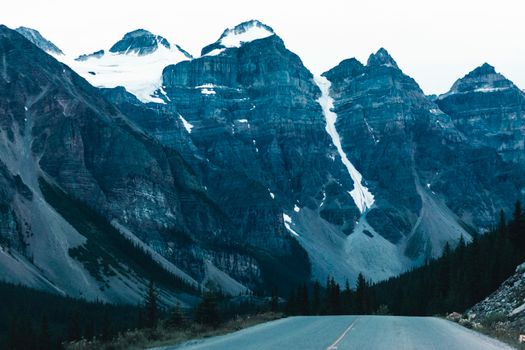 Photo: Ali Kazal / Pexels
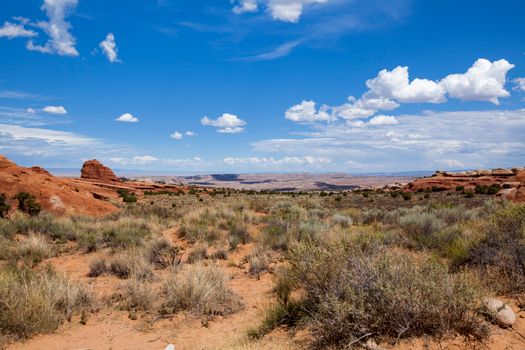 Photo: Elizabeth Iris / Pexels
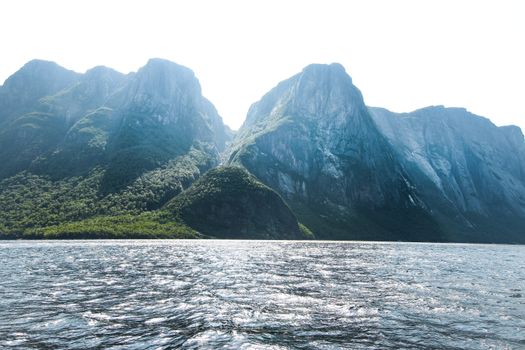 Photo: Britt Pigat / Pexels
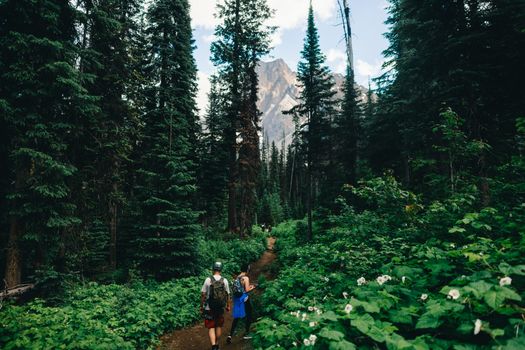 Photo: Ali Kazal / Pexels