Unforgettable Camping in Ontario Provincial Parks
camping in ontario provincial parks

Unforgettable Camping in Ontario Provincial Parks

Unlock Canada's natural beauty with an incredible camping experience across Ontario's vast and diverse provincial parks.

Start Your Adventure

Key Takeaways

  • ✓ Ontario has over 340 provincial parks, with 110 offering camping facilities.
  • ✓ Reservations can be made up to 5 months in advance and are highly recommended.
  • ✓ Permits are required for all camping and day-use activities.
  • ✓ Parks offer diverse experiences, from car camping to remote backcountry sites.

How It Works

1
Choose Your Park & Type

Research Ontario Provincial Parks based on your desired activities, location, and camping style (car, backcountry, yurt). Consider amenities like flush toilets or electrical hookups.

2
Make Your Reservation

Book your campsite online via the Ontario Parks reservation system up to five months ahead. Popular parks and long weekends fill up extremely fast, so plan well in advance.

3
Prepare Your Gear

Gather essential camping equipment including a tent, sleeping bags, cooking supplies, appropriate clothing, and safety items. Check the weather forecast and pack accordingly for all conditions.

4
Enjoy Your Stay

Arrive at your chosen park, check in, and set up your campsite. Respect park rules, practice Leave No Trace principles, and immerse yourself in the natural beauty of Ontario.

Discovering the Diverse World of Ontario Provincial Park Camping
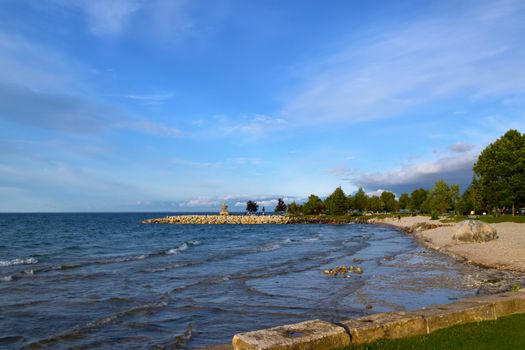
Beautiful coastline view in Collingwood, Ontario with clear blue skies and gentle waves. Photo: Jeffrey Eisen / Pexels
Ontario, Canada's most populous province, is also home to an astonishing network of over 340 provincial parks, each offering a unique slice of Canadian wilderness. For outdoor enthusiasts, the opportunity for camping in Ontario Provincial Parks is unparalleled, providing everything from serene lakeside retreats to rugged backcountry adventures. These parks are not just mere campgrounds; they are vital ecological zones, cultural heritage sites, and recreational havens, meticulously managed to preserve their natural beauty for generations to come. The sheer variety means there’s a perfect spot for every type of camper, whether you’re a family with young children seeking accessible amenities or a seasoned explorer craving solitude amidst untouched landscapes. From the granite shores of Georgian Bay to the ancient forests of Algonquin, the options are as endless as the horizons. Understanding the different types of camping available is the first step towards planning an unforgettable trip. Car camping, the most popular option, offers the convenience of parking your vehicle directly at or very near your campsite, often with access to amenities like flush toilets, showers, and electrical hookups. This is ideal for families, first-time campers, or those who prefer comfort and accessibility. Many car camping sites also feature picnic tables and fire pits, making meal preparation and evening gatherings a breeze. Then there's backcountry camping, a more challenging and rewarding experience that involves hiking, paddling, or even flying into remote sites. These areas offer true wilderness immersion, devoid of modern amenities, and demand self-sufficiency and a strong understanding of Leave No Trace principles. For those seeking a unique blend of comfort and nature, many parks also offer roofed accommodations such as yurts, cabins, and even cottages. These often come equipped with beds, heating, and lighting, providing a cozy shelter from the elements while still being surrounded by nature. Planning your trip well in advance is crucial, especially for popular parks like Algonquin, Killarney, or Sandbanks, where sites can be booked up almost as soon as the reservation window opens. The Ontario Parks reservation system allows bookings up to five months in advance, a timeline that serious campers mark on their calendars. Beyond just reserving a site, consider the activities you wish to pursue. Many parks boast extensive trail networks for hiking and cycling, pristine lakes and rivers for canoeing, kayaking, and fishing, and abundant wildlife viewing opportunities. Some even offer interpretive programs, guided hikes, and educational displays that delve into the park's natural and cultural history. Being prepared for diverse weather conditions is also paramount, as Ontario's climate can be unpredictable, even in summer. Packing layers, rain gear, and appropriate footwear will ensure comfort and safety. Ultimately, camping in Ontario Provincial Parks is more than just a vacation; it's an opportunity to reconnect with nature, create lasting memories, and experience the breathtaking beauty of Canada's wilderness. Discover more travel tips for your next adventure.

Essential Planning and Reservation Strategies for Your Ontario Park Getaway

A woman holds a map while traveling through the scenic desert of California, USA. Photo: Leah Newhouse / Pexels
Embarking on a camping adventure in Ontario Provincial Parks requires meticulous planning, especially when it comes to securing your spot in paradise. The popularity of these natural havens means that spontaneity, while sometimes possible, often leads to disappointment, particularly during peak season (July and August) and long weekends. The cornerstone of a successful trip is mastering the reservation system. Ontario Parks utilizes an online portal that allows campers to book sites up to five months in advance. This might seem like a long lead time, but for highly sought-after parks and specific dates, sites can be snapped up within minutes of becoming available at 7:00 AM EST on the opening day of the booking window. To maximize your chances, it's advisable to create an account on the Ontario Parks website beforehand, familiarize yourself with the interface, and have your desired dates and park choices ready. Consider having a few alternative parks or dates in mind, just in case your first choice is unavailable. Flexibility is your friend. Beyond securing a site, understanding the different permit requirements is also critical. A camping permit covers your overnight stay, but if you plan on visiting other parks for day use during your camping trip, or if you're only going for a day trip, you'll need a day-use permit. Some parks, especially during busy periods, may require advanced booking for day use as well, so always check the specific park's regulations. When selecting your campsite, dive deep into the details provided on the reservation site. Look at factors such as site size, levelness, proximity to washrooms or water taps, amount of shade, and whether it has electrical hookups if you need them. Pictures and descriptions can be very helpful, and some parks even offer virtual tours of campsites. Don't underestimate the importance of researching the park's specific offerings and regulations. Some parks are known for their exceptional paddling routes, others for extensive hiking trails, and some for unique geological features. Knowing what activities are available will help you pack appropriately and plan your itinerary. Also, be aware of any fire bans, wildlife warnings (especially bear activity), and specific rules regarding pets or noise. Many parks offer interpretive programs, which are excellent for learning about the local ecosystem and history; check the park's schedule for these. Packing smart is another crucial element. Beyond the obvious tent, sleeping bags, and cooking gear, consider items like a first-aid kit, insect repellent, sunscreen, headlamps, and a portable water filter for backcountry trips. Even for car camping, a good cooler, comfortable camp chairs, and rain gear are invaluable. Food planning is also key; aim for non-perishable items and easy-to-prepare meals, and always store food securely to deter wildlife. By taking the time to plan meticulously, from reservations to packing, you ensure that your camping in Ontario Provincial Parks experience is not just good, but truly exceptional, allowing you to fully immerse yourself in the natural splendor without unnecessary stress. Remember, a well-planned trip is a safe and enjoyable trip. Always leave your campsite cleaner than you found it, adhering to the principles of Leave No Trace. This ensures that the pristine beauty of Ontario's parks remains intact for future generations of campers to enjoy.

Embracing the Backcountry: A Deeper Dive into Wilderness Camping
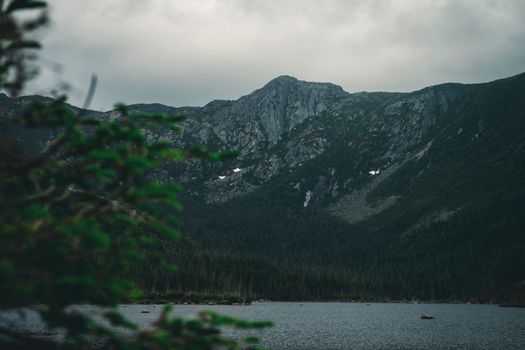
Serene view of a mountain and lake in Gaspé, QC, Canada under cloudy skies. Photo: Ali Kazal / Pexels
While car camping offers comfort and accessibility, the true spirit of wilderness adventure for many lies in backcountry camping within Ontario Provincial Parks. This experience takes you away from crowded campgrounds and into the heart of untouched nature, demanding a greater level of self-sufficiency and respect for the environment. Backcountry sites are typically accessible by hiking, paddling, or even portaging canoes across lakes and rivers, offering a profound sense of solitude and connection with the natural world. Parks like Algonquin, Killarney, and Quetico are renowned for their extensive backcountry networks, attracting experienced paddlers and hikers from around the globe. Planning a backcountry trip is significantly more involved than car camping. It begins with selecting your route and understanding the distances, portages, and physical demands involved. Topographic maps, compasses, and GPS devices become essential tools, as marked trails and signage can be minimal. It's crucial to inform someone of your route and expected return time, a practice known as leaving a trip plan. Reservations for backcountry sites are also required and can often be made through the same Ontario Parks system, but you'll be booking specific access points and dates rather than individual sites. Unlike car camping, backcountry sites are often more primitive, featuring only a cleared tent pad, a fire pit, and sometimes a thunderbox (an outdoor toilet). You are responsible for packing in all your supplies and packing out all your waste, including food scraps. The Leave No Trace principles are paramount here: pack it in, pack it out; dispose of waste properly; leave what you find; minimize campfire impacts; respect wildlife; and be considerate of other visitors. Water purification is another critical aspect of backcountry camping. While some parks might have potable water sources at access points, you'll need a reliable method for purifying water from lakes and rivers, such as filters, purifiers, or boiling. Food choices should prioritize lightweight, calorie-dense, and non-perishable options, and it's vital to store food properly in bear-resistant containers or hung from trees to prevent wildlife encounters. Wildlife encounters are a distinct possibility in the backcountry, and understanding how to react calmly and appropriately is part of being prepared. Bear safety, in particular, is a fundamental skill for any backcountry camper in Ontario. This includes making noise on trails, carrying bear spray, and knowing how to store food to avoid attracting animals. Beyond the practicalities, backcountry camping offers unparalleled rewards: the silence of the forest broken only by the sounds of nature, star-filled skies unmarred by light pollution, and the deep satisfaction of navigating and thriving in the wilderness. It's an opportunity for introspection, skill development, and creating truly unique memories. Before venturing into the backcountry, ensure you have the necessary skills, fitness level, and equipment. Consider starting with shorter, less ambitious trips and gradually building up your experience. Many outdoor organizations offer courses in backcountry skills, navigation, and wilderness first aid, which can be invaluable. Explore more remote travel destinations if you're an experienced adventurer. Embracing the challenge of backcountry camping in Ontario Provincial Parks opens up a world of profound natural beauty and personal growth, offering an experience far removed from the everyday.

Top Tips for a Seamless Ontario Provincial Park Camping Experience
A joyful family bonding outdoors near a caravan on a sunny day in Portugal. Photo: Kampus Production / Pexels
To ensure your camping in Ontario Provincial Parks is nothing short of fantastic, heed these essential tips and avoid common pitfalls: * **Book Early, Always:** This cannot be stressed enough. For popular parks and peak times, reservations open five months in advance at 7 AM EST. Set reminders and be ready to book the moment the window opens. Procrastination will almost certainly lead to disappointment. * **Read the Park-Specific Information:** Each park has unique features, rules, and advisories. Check for fire bans, swimming conditions, wildlife alerts, and specific pet policies before you go. This prevents surprises and ensures you're prepared. * **Pack for All Seasons (Even in Summer):** Ontario weather is notoriously unpredictable. A warm, sunny day can quickly turn into a cool, rainy evening. Pack layers, waterproof outerwear, and extra socks. A warm hat and gloves can be lifesavers even in July. * **Embrace 'Leave No Trace' Principles:** This is fundamental. Pack out everything you pack in, including food scraps. Stay on marked trails, respect wildlife, and minimize your campfire impact. The goal is to leave the campsite as, or better than, you found it. * **Be Bear Aware:** Many parks are home to bears. Store all food, scented items, and garbage in bear-resistant containers, your vehicle, or hung from a tree. Never feed wildlife, and know what to do if you encounter a bear. * **Bring Insect Repellent:** Mosquitoes and blackflies can be prolific, especially in late spring and early summer. Pack strong repellent (with DEET or picaridin), head nets, and consider long sleeves and pants. * **Plan Your Meals:** Simple, easy-to-cook meals are best for camping. Pre-chop vegetables or pre-mix dry ingredients at home to save time and reduce waste at the campsite. Don't forget plenty of water or a water purification system. * **Check for Firewood Restrictions:** Some parks prohibit bringing your own firewood to prevent the spread of invasive species. Buy local firewood or certified heat-treated wood within the park or nearby communities. * **Respect Quiet Hours:** Most parks have designated quiet hours, usually from 10 PM to 7 AM. Be considerate of your fellow campers; keep noise levels down and bright lights to a minimum during these times. * **Test Your Gear:** Set up your tent at home before your trip to ensure all parts are present and you know how to assemble it. Check your stove, lanterns, and other equipment to avoid frustration in the wilderness. By following these tips, you'll enhance your camping experience, minimize potential issues, and fully enjoy the natural wonders that Ontario Provincial Parks have to offer.

Comparison

FeatureCar CampingBackcountry CampingRoofed Accommodation (Yurt/Cabin)
AccessibilityHigh (drive-in)Low (hike/paddle-in)Medium (drive-in, short walk)
AmenitiesWashrooms, showers, electricityPrimitive (thunderbox, fire pit)Beds, heating, lighting
PrivacyModerateHighModerate
Required GearStandard camping gearLightweight, self-sufficient gearPersonal items, sleeping bags
Booking DifficultyHigh (peak season)Moderate (specific access point)Very High (limited availability)
Experience LevelBeginner to AdvancedIntermediate to AdvancedBeginner to Intermediate

What Readers Say

"Our family trip to Algonquin Park for camping was absolutely magical. The lake was pristine, the hiking trails were fantastic, and seeing a moose was the highlight! The facilities were clean and well-maintained, making our first time camping in Ontario Provincial Parks a huge success."

Sarah L. · Toronto, ON

"I've been backcountry camping in Killarney Provincial Park for years, and it never disappoints. The clear blue waters and La Cloche Mountains are breathtaking. Booking early is key, but the reward of solitude and stunning views is worth every effort."

Mark D. · Ottawa, ON

"We rented a yurt at Silent Lake Provincial Park, and it was the perfect blend of comfort and nature. It was heated, had beds, and gave us easy access to hiking and canoeing. This made our winter camping experience in Ontario Provincial Parks surprisingly cozy and fun."

Jessica M. · London, ON

"Sandbanks Provincial Park offers incredible beaches, but the campsites can be a bit tight and busy during summer. Still, the beauty of Lake Ontario and the dunes make it a worthwhile trip for families, especially if you can get a site closer to the water."

David R. · Hamilton, ON

"As an experienced paddler, exploring the interconnected lakes of Massasauga Provincial Park was an absolute dream. The portages were manageable, and the remote campsites offered incredible privacy. It's a truly authentic wilderness experience for those serious about camping in Ontario Provincial Parks."

Emily C. · Montreal, QC

Frequently Asked Questions

What is the best time of year for camping in Ontario Provincial Parks?

The best time largely depends on your preferences. Summer (July-August) offers warm weather and full amenities but is also the busiest. Spring (May-June) and Fall (September-October) provide fewer crowds, beautiful foliage (in fall), and pleasant temperatures, though some amenities might be limited, and insects can be more prevalent in spring. Winter camping is also available in some parks for the adventurous.

Are pets allowed when camping in Ontario Provincial Parks?

Yes, pets are generally allowed in most Ontario Provincial Parks campsites and on trails, but they must be kept on a leash no longer than 2 meters (6 feet) at all times. Some parks have specific pet-free zones or designated pet beaches. Always check the park-specific rules before bringing your furry friend, and ensure you clean up after them.

How do I make a reservation for camping in Ontario Provincial Parks?

Reservations are made through the Ontario Parks website (reservations.ontarioparks.com). You can book up to five months in advance for most campsites. It's recommended to create an account beforehand, know your desired park and dates, and be ready to book right when the reservation window opens, especially for popular parks and long weekends.

What is the typical cost of camping in Ontario Provincial Parks?

The cost varies depending on the park, campsite type (e.g., electrical, non-electrical, backcountry), and time of year. Car camping sites can range from approximately $40-$60 per night, while backcountry permits are often cheaper, around $10-$15 per person per night plus a permit fee. Roofed accommodations like yurts and cabins are generally more expensive, ranging from $80-$150+ per night. Day-use permits are also extra.

How does camping in Ontario Provincial Parks compare to National Parks in Canada?

Both offer incredible outdoor experiences. Ontario Provincial Parks are managed by the provincial government and tend to be more numerous and geographically diverse within Ontario. National Parks (managed by Parks Canada) are fewer but often protect areas of national significance with stricter conservation mandates. Both require permits and reservations, but the specific rules, amenities, and types of activities offered can vary. Ontario Parks are often more accessible for regional day trips and shorter camping excursions.

Who should consider camping in Ontario Provincial Parks?

Anyone looking to connect with nature, from first-time campers and families seeking accessible amenities to experienced backpackers and paddlers desiring remote wilderness. It's ideal for those who appreciate diverse landscapes, outdoor activities like hiking, swimming, fishing, and canoeing, and who value well-maintained facilities and conservation efforts.

What safety precautions should I take while camping in Ontario Provincial Parks?

Always inform someone of your itinerary. Be aware of wildlife, especially bears, and store food properly. Carry a first-aid kit, know how to purify water, and dress appropriately for changing weather. Stay on marked trails, and if going into the backcountry, ensure you have navigation skills and emergency communication devices like a satellite messenger. Check park advisories for specific hazards.

What future trends are emerging in camping in Ontario Provincial Parks?

Future trends include an increased demand for roofed accommodations like yurts and cabins, a growing interest in glamping experiences, and more emphasis on accessible camping options for all abilities. There's also a rising focus on sustainable camping practices, digital-first reservation systems, and enhanced interpretive programs to educate visitors about conservation and Indigenous culture.

Ready to pitch your tent under the vast Canadian sky? Start planning your unforgettable adventure today and experience the unparalleled beauty of camping in Ontario Provincial Parks. Your perfect wilderness escape awaits!

Topics: camping in ontario provincial parksontario campingprovincial park reservationsbackcountry camping ontariobest ontario parks
Leo List

DK Escorts LU Escorts AT Escorts SE Escorts FI Escorts CH Escorts DE Escorts HR Escorts IE Escorts GR Escorts CZ Escorts NO Escorts BE Escorts FR Escorts SI Escorts IL Escorts NL Escorts PL Escorts HU Escorts ES Escorts IT Escorts PT Escorts SK Escorts RO Escorts ZA Escorts UY Escorts US Escorts UK Escorts NZ Escorts AU Escorts
Brampton weed
Adultwork EstrelaBet Vai de Bet R7 Bet Betão Galera Bet Rainbet Bet9ja Shop SportyBet BetKing Sisal Loto Foot Hollywoodbets YesPlay Odibets RushBet Jugabet BetWarrior BetCity MSport betPawa Fortebet