Ultimate Guide to Camping in National Parks Canada
camping in national parks Canada

Ultimate Guide to Camping in National Parks Canada

Unlock unparalleled outdoor experiences and create lasting memories in Canada's breathtaking natural treasures.

Start Your Adventure

Key Takeaways

  • ✓ Parks Canada manages 38 National Parks, 10 National Park Reserves, and 1 National Urban Park.
  • ✓ Reservations are highly recommended, especially for popular parks and during peak season.
  • ✓ Camping options range from primitive backcountry sites to fully-serviced RV spots.
  • ✓ A Parks Canada Discovery Pass offers unlimited entry to all national parks for a year.

How It Works

1
Choose Your Park & Dates

Research different National Parks to find one that matches your desired landscape, activities, and camping style. Consider peak seasons and potential reservation challenges.

2
Make Reservations Early

Parks Canada's reservation system opens in January for the upcoming summer. Popular sites fill up within minutes, so be prepared and book well in advance.

3
Prepare Your Gear & Permits

Gather appropriate camping gear, including shelter, cooking equipment, and clothing for varying weather. Ensure you have your camping permit and park pass readily available.

4
Embrace 'Leave No Trace' Principles

Respect the environment by packing out everything you pack in, staying on marked trails, and minimizing your impact. Adhere to all park regulations for wildlife safety and preservation.

Why Camping in National Parks Canada is a Must-Do Experience
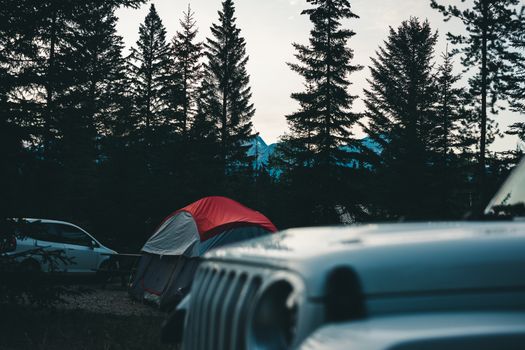
Camping scene in Jasper National Park with tents and vehicles in a forest setting. Photo: Ali Kazal / Pexels
Canada's National Parks are globally renowned for their pristine wilderness, diverse ecosystems, and awe-inspiring landscapes. From the towering peaks of the Rockies to the ancient forests of the Pacific coast and the rugged shorelines of the Atlantic, these protected areas offer an unparalleled opportunity to reconnect with nature. Camping within these parks isn't just about finding a place to sleep; it's about immersive experiences – waking up to the sound of loons on a serene lake, spotting wildlife from your tent, or stargazing under exceptionally dark skies. The sheer scale and variety of the Canadian landscape mean there's a National Park suitable for every type of camper, whether you're a seasoned backpacker seeking remote solitude or a family looking for accessible, amenity-rich campgrounds. Beyond the natural beauty, Parks Canada does an exceptional job of maintaining facilities, trails, and interpretive programs that enrich the camping experience. They often provide clean washrooms, potable water, and sometimes even hot showers, making wilderness adventures more comfortable. For those new to camping or travelling with young children, these amenities can be a game-changer. Moreover, the presence of park wardens ensures safety and provides valuable information about local conditions, wildlife, and regulations. Embracing responsible travel practices is paramount when visiting these ecological treasures. By choosing to camp in a National Park, you're not only creating unforgettable memories but also contributing, through your park fees, to the conservation efforts that protect these vital ecosystems for future generations. It’s an investment in both your personal well-being and the health of our planet. The accessibility of many parks also means you can often combine your camping trip with visits to nearby towns or attractions, offering a balanced vacation of wilderness and local culture. This blend of wild beauty and thoughtful infrastructure truly sets camping in National Parks Canada apart.

Navigating the Parks Canada Reservation System: Your Key to Success
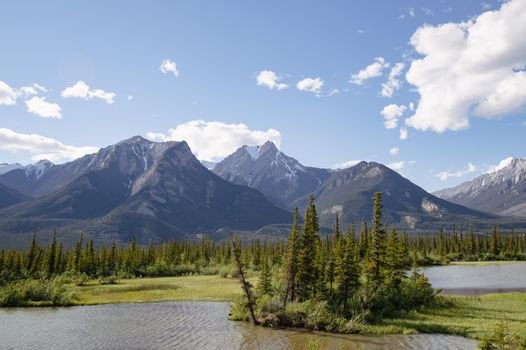
Stunning view of snow-capped mountains and lush green forests in Jasper National Park. Photo: John De Leon / Pexels
Securing a campsite in Canada's most popular National Parks can feel like winning the lottery, but with the right strategy, it's entirely achievable. The Parks Canada reservation system is your gateway to these coveted spots, and understanding its nuances is crucial. Reservations typically open in January for the upcoming summer season, with specific dates announced well in advance on the Parks Canada website. Mark these dates on your calendar and set reminders! When the reservation window opens, popular campgrounds in parks like Banff, Jasper, or Pacific Rim can fill up within minutes, sometimes even seconds. This isn't an exaggeration; it's a testament to the incredible demand. Before the opening day, create an account on the Parks Canada reservation service, familiarize yourself with the interface, and identify your top three preferred campgrounds and dates. Have backup options ready, as your first choice might disappear instantly. It's often beneficial to log in a few minutes before the official opening time. When the clock strikes, refresh your browser, select your desired dates and site type as quickly as possible, and proceed to checkout. The system holds your reservation for a limited time while you complete the payment process. If you miss out on your preferred dates or park, don't despair! Cancellations do happen. Regularly check the reservation system in the weeks and days leading up to your desired dates, as sites often become available again. Flexibility with your travel dates or considering slightly less popular parks can also significantly increase your chances. Many parks also offer first-come, first-served (FCFS) sites, particularly during shoulder seasons or in less accessible areas. While these require more spontaneity and an early arrival, they can be a great alternative if online reservations prove challenging. For group camping or specialized oTENTiks, the reservation process might vary slightly, so always consult the specific park's information page. Being prepared and persistent is your best bet for a successful booking.

Essential Gear and Planning for a Canadian Camping Adventure
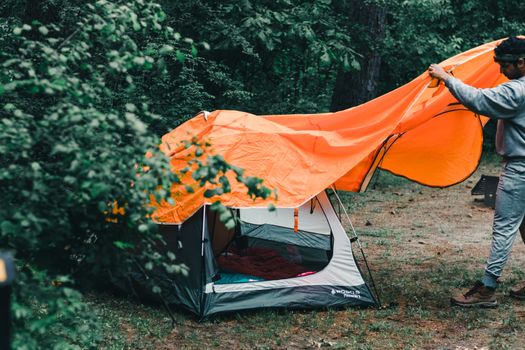
A man sets up a tent in a lush Canadian forest, perfect for summer camping adventures. Photo: Ali Kazal / Pexels
Embarking on a camping trip in Canada's National Parks requires careful planning and the right gear to ensure comfort, safety, and enjoyment. The diverse climates across Canada mean that what works for a coastal park in BC might not suffice for a mountain park in Alberta. Start with a reliable tent suitable for the expected weather conditions – a three-season tent is generally a good all-rounder, but consider a four-season if camping in colder months or at higher altitudes. A comfortable sleeping bag rated for temperatures lower than you expect to encounter, along with a good sleeping pad, are crucial for restful nights. Don't underestimate the importance of proper insulation from the ground. Cooking equipment is another vital component. A portable stove, fuel, pots, pans, and utensils are essential. Remember to pack biodegradable soap and a small towel for dishwashing. Food storage is paramount in bear country; bear-resistant food containers or hanging food bags are often required or highly recommended. Always check park-specific regulations. Beyond the basics, consider layers of clothing (synthetic or wool are best for moisture wicking), waterproof outerwear, sturdy hiking boots, a first-aid kit, a headlamp or flashlight with extra batteries, and navigation tools like a map and compass or a GPS device. Even if you plan to stay in developed campgrounds, having these essentials can make a significant difference. Beyond gear, thorough planning involves understanding park regulations, especially regarding campfires, food storage, and wildlife encounters. Research potential hazards like specific wildlife (bears, cougars, ticks), weather patterns, and trail conditions. Inform someone of your itinerary, especially if you're venturing into the backcountry. A Parks Canada Discovery Pass is an excellent investment if you plan to visit multiple parks. Finally, practice Leave No Trace principles diligently. This means packing out everything you pack in, staying on marked trails, minimizing campfire impact, respecting wildlife, and disposing of waste properly. By preparing adequately, you set yourself up for an unforgettable and responsible camping experience in the stunning Canadian wilderness.

Top Tips for an Unforgettable Camping Experience & Common Mistakes to Avoid
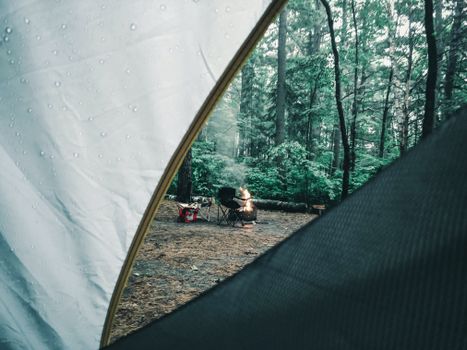
Cozy campsite view through tent flap, featuring a bonfire and camping chairs in a tranquil Canadian forest. Photo: Ali Kazal / Pexels
To truly maximize your camping adventure in Canada's National Parks, a few key tips can make all the difference, while avoiding common pitfalls can save you from unnecessary stress. **Top Tips:** * **Embrace the Shoulder Seasons:** While summer is popular, consider late spring or early fall for fewer crowds, vibrant colours, and often more readily available campsites. The weather can be unpredictable, but the rewards are immense. * **Attend Interpretive Programs:** Parks Canada offers fantastic guided hikes, campfire talks, and educational sessions. These are excellent ways to learn about the local ecology, history, and wildlife, often led by knowledgeable park staff. * **Rent an oTENTik:** If you're new to camping or prefer a bit more comfort, oTENTiks (a cross between a tent and a cabin) offer beds, heating, and lighting, making for a cozy and convenient experience. * **Pack for All Weather:** Canadian weather, especially in the mountains, can change rapidly. Layers are your best friend, as are waterproof outer shells, even in summer. * **Download Offline Maps:** Cell service can be spotty or non-existent in many parks. Download maps of trails and park areas before you go. **Common Mistakes to Avoid:** * **Not Booking Early Enough:** As mentioned, popular sites fill up months in advance. Don't wait until the last minute. * **Underestimating Wildlife:** Canada is wild. Never feed animals, store food improperly, or approach wildlife. Carry bear spray and know how to use it in bear country. * **Ignoring Fire Bans:** Fire bans are serious and strictly enforced for a reason. Always check current conditions before planning a campfire. * **Overpacking or Underpacking:** Find a balance. Bring essentials, but avoid unnecessary bulk. Conversely, forgetting critical items like a first-aid kit or headlamp can be problematic. * **Leaving a Mess:** Always practice Leave No Trace. Pack out all garbage, including food scraps. Littering degrades the park experience for everyone and harms wildlife. * **Not Checking Park-Specific Regulations:** Each park has unique rules regarding pets, drones, fishing, and backcountry permits. Always check the park's official website before your trip.

Comparison

FeatureDeveloped CampsiteoTENTikBackcountry SiteRV Site (Full Hookup)
Comfort LevelBasic/ModerateHighLow (Self-sufficient)Very High
PrivacyLow/ModerateModerateHighLow/Moderate
Amenities (Washrooms)✓ (Often flush)✓ (Nearby)✗ (Pit toilet/none)✓ (Private/nearby)
Amenities (Water)✓ (Potable)✓ (Potable nearby)✗ (Treat own)✓ (Potable)
Booking DifficultyHighVery HighModerate (Permit required)High
Cost per NightModerateHighLowVery High

What Readers Say

"Our family trip camping in Banff National Park was absolutely magical. The reservation process was a bit stressful, but waking up to those mountain views made every effort worth it. We saw elk right from our campsite!"

Sarah J. · Vancouver, BC

"I've camped in several National Parks across Canada, and each one offers a unique, profound experience. Jasper's backcountry trails are my favourite; the solitude and raw beauty are unmatched. Just remember your bear spray!"

Mark D. · Toronto, ON

"We booked an oTENTik in Riding Mountain National Park, and it was perfect for our first camping trip with young kids. So cozy and convenient, and the kids loved the interpretive programs. Highly recommend for beginners!"

Emily R. · Calgary, AB

"Fundy National Park was beautiful, though the fog rolled in quite a bit during our stay. The tides were incredible, and the hiking was fantastic. Wish we had more clear nights for stargazing, but still a great trip."

David L. · Montreal, QC

"As an international traveler, camping in national parks Canada was a bucket list item. The Parks Canada website made booking relatively straightforward, and the park staff were incredibly helpful. Truly an unforgettable Canadian adventure."

Jessica M. · Seattle, WA

Frequently Asked Questions

What is the best time of year for camping in National Parks Canada?

The best time largely depends on the park and your desired activities. Generally, late spring (May-June) and early fall (September-October) offer pleasant weather, fewer crowds, and easier campsite availability. Peak summer (July-August) provides the warmest weather and full access to all facilities but requires early booking.

Are campfires allowed in all Canadian National Parks?

Not always. Campfire regulations vary by park and are subject to fire bans, especially during dry periods. Always check the specific park's website or with park staff upon arrival for current fire restrictions. Use designated fire pits only and ensure fires are completely extinguished.

How do I make reservations for camping in National Parks Canada?

Reservations are made through the Parks Canada Reservation Service website. Create an account in advance, familiarize yourself with the system, and be prepared to book immediately when the reservation window opens, typically in January for the upcoming summer season. Have several backup options ready.

What is the typical cost for camping in a Canadian National Park?

Costs vary significantly based on the type of campsite (e.g., unserviced, electrical, full hookup, oTENTik, backcountry), the park, and the season. Expect to pay anywhere from $15-$30 CAD for basic sites to $30-$60+ CAD for serviced sites or oTENTiks per night. A park entry pass is also required.

How does camping in National Parks Canada compare to provincial parks?

While both offer fantastic outdoor experiences, National Parks generally focus on preserving larger, nationally significant ecosystems and often feature more extensive, iconic landscapes. They are managed by Parks Canada with a unified reservation system. Provincial parks, managed by respective provinces, can be more localized, sometimes offering a wider range of activities or more budget-friendly options, but vary greatly in their offerings and booking systems.

Who should consider camping in National Parks Canada?

Anyone seeking an immersive natural experience, from seasoned backpackers to families looking for accessible outdoor adventures. It's ideal for those who appreciate stunning landscapes, wildlife viewing, hiking, and a chance to disconnect from urban life while benefiting from well-maintained facilities and conservation efforts.

What safety precautions should I take regarding wildlife?

Always be 'bear aware' and knowledgeable about other local wildlife. Store all food and scented items in bear-resistant containers or vehicles. Make noise while hiking, carry bear spray (and know how to use it) in bear country, and never approach or feed wild animals. Keep pets on a leash.

Are there any future trends impacting camping in National Parks Canada?

Yes, increasing demand means reservation systems will likely become more competitive, pushing for earlier bookings. There's also a growing trend towards sustainable tourism, with Parks Canada enhancing eco-friendly infrastructure and promoting Leave No Trace principles more vigorously. Digital tools for park navigation and information are also continuously improving.

Ready to pitch your tent under Canada's vast skies? Start planning your unforgettable adventure camping in National Parks Canada today. With careful preparation and a spirit of exploration, you're set for memories that will last a lifetime.

Topics: camping in national parks CanadaCanada national park campingCanadian wilderness campingParks Canada reservationsbest national parks Canada
Leo List
Brampton weed
Adultwork EstrelaBet Vai de Bet R7 Bet Betão Galera Bet Rainbet Bet9ja Shop SportyBet BetKing Sisal Loto Foot Hollywoodbets YesPlay Odibets RushBet Jugabet BetWarrior BetCity MSport betPawa Fortebet