Smart Choices: How to Buy Travel Insurance for Canada Trip
buy travel insurance for Canada trip

Smart Choices: How to Buy Travel Insurance for Canada Trip

Secure your Canadian adventure with the right travel insurance, ensuring peace of mind from coast to coast.

Get Your Free Quote

Key Takeaways

  • ✓ Healthcare in Canada is not free for visitors and can be extremely expensive.
  • ✓ Most domestic travel insurance policies from your home country may not cover international incidents.
  • ✓ Travel insurance often covers medical emergencies, trip cancellations, and lost luggage.
  • ✓ Understanding policy exclusions is crucial before purchasing any plan.

How It Works

1
Assess Your Needs & Trip Details

Consider your age, health, planned activities, and the duration of your stay. This helps determine the type and level of coverage required for your Canadian journey.

2
Compare Policies & Providers

Research different insurance companies and their offerings. Pay close attention to coverage limits, deductibles, and exclusions to find the best fit for your specific travel plans.

3
Understand the Fine Print

Carefully read the policy wording before purchasing. Ensure you understand what is and isn't covered, especially regarding pre-existing conditions or adventurous activities.

4
Purchase & Keep Documents Handy

Once you've chosen a policy, complete the purchase and receive your documents. Keep digital and physical copies accessible during your trip for easy reference in case of an emergency.

Why You Absolutely Need Travel Insurance for Canada Trip
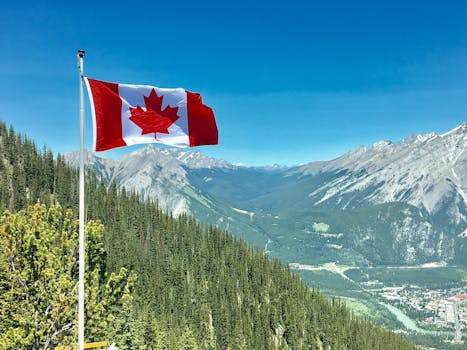
Canadian flag waving atop a scenic mountain view with blue skies and lush greenery. Photo: Daniel Joseph Petty / Pexels
Planning a trip to Canada? The majestic Rockies, the vibrant cities, the pristine coastlines – it's an incredible destination. However, beneath the breathtaking beauty lies a practical reality that every visitor must address: the need for comprehensive travel insurance. Canada boasts an excellent healthcare system, but it's crucial to understand that this system is primarily funded by Canadian taxpayers and is not free for visitors. A simple emergency room visit, an unexpected illness, or an accident could lead to medical bills soaring into the tens of thousands of dollars, potentially turning your dream vacation into a financial nightmare. This isn't just a precautionary tale; it's a stark warning based on the actual costs of medical care in Canada. For instance, a broken leg requiring surgery could easily exceed $10,000, while an overnight hospital stay for a serious condition could cost thousands per day. Without adequate travel insurance, you would be personally responsible for these exorbitant expenses. Beyond medical emergencies, the unexpected can disrupt any travel plan. Imagine your flight being cancelled due to unforeseen weather, leading to lost accommodation bookings and additional travel expenses. Or perhaps your luggage, containing all your essential belongings, goes missing during transit. These scenarios, while inconvenient, become significantly less stressful when you have the right travel insurance in place. A robust policy can cover trip cancellations, delays, lost or stolen baggage, and even personal liability. It provides a vital safety net, allowing you to travel with confidence and focus on enjoying your Canadian experience, rather than worrying about potential financial setbacks. For visitors to Canada, especially those from countries with vastly different healthcare systems, understanding and securing appropriate coverage is not merely an option; it's a fundamental component of responsible travel planning. Don't underestimate the importance of this protection. It's an investment in your peace of mind and the security of your Canadian adventure. Many travelers mistakenly believe their existing health insurance from their home country will cover them internationally. While some policies offer limited international coverage, it's rarely comprehensive enough for a major medical event in Canada. Always verify with your domestic insurer and, more often than not, you'll find a dedicated travel insurance policy is the superior choice for your Canadian visit. This foresight can save you from significant financial distress and allow you to fully immerse yourself in the wonders of Canada.

Understanding Your Options: Types of Travel Insurance for Canada

Close-up of health insurance spelled out with Scrabble tiles on a planner, alongside medication pills. Photo: Leeloo The First / Pexels
When you decide to buy travel insurance for your Canada trip, you'll quickly discover that there isn't a one-size-fits-all solution. The market offers a variety of policy types, each designed to address different traveler needs and circumstances. The most critical component for most visitors to Canada is travel medical insurance. This type of policy is specifically designed to cover emergency medical expenses incurred during your trip, including doctor's visits, hospital stays, prescription medications, emergency transportation (like ambulance services or even medical evacuation), and sometimes even dental emergencies. Given the high cost of Canadian healthcare for non-residents, a robust travel medical plan is non-negotiable. Look for policies with high coverage limits, ideally upwards of CAD $100,000 to $5,000,000, to ensure you're adequately protected against major unforeseen health events. Beyond basic medical coverage, you can also consider comprehensive travel insurance policies. These plans bundle medical coverage with other essential protections, such as trip cancellation and interruption insurance. Trip cancellation coverage reimburses you for non-refundable expenses (like flights and accommodations) if you have to cancel your trip before departure due to covered reasons, such as illness, injury, or a death in the family. Trip interruption coverage offers similar protection if your trip is cut short after it has already begun. This can be incredibly valuable if unforeseen circumstances force you to return home early or significantly alter your itinerary. For those bringing valuable items, baggage insurance is another component often included in comprehensive plans, covering lost, stolen, or damaged luggage and personal effects. Some policies even include coverage for travel delays, providing reimbursement for extra accommodation or meal costs if your journey is significantly delayed. Another important distinction is single-trip versus multi-trip (annual) insurance. If Canada is your only international trip planned for the year, a single-trip policy makes the most sense. However, if you're a frequent international traveler and plan to visit Canada multiple times, or other countries, within a 12-month period, a multi-trip annual policy might be more cost-effective and convenient. These policies cover all your trips within the year, up to a specified duration per trip. Finally, specialized policies exist for adventure sports, pre-existing medical conditions, and even for visiting family members (e.g., Canadian citizens or permanent residents sponsoring a visitor). It's crucial to be honest and thorough when disclosing any pre-existing conditions, as failure to do so could invalidate your claim. Always read the fine print to understand the specific exclusions and limitations of each policy type before making your purchase. Tailoring your insurance choice to your specific travel plans and health profile is key to ensuring you have the right protection for your Canadian adventure.

You may also find Adultwork Glasgow useful.

Key Factors When You Buy Travel Insurance for Canada Trip

Close-up of hands typing on laptop with an insurance document visible on the desk. Photo: Kindel Media / Pexels
When you're ready to buy travel insurance for your Canada trip, navigating the myriad of options can feel overwhelming. To make an informed decision, it's essential to focus on several key factors that directly impact the quality and suitability of your coverage. First and foremost, consider the medical coverage limits. As discussed, Canadian healthcare costs can be staggering for visitors. A good policy should offer medical coverage of at least CAD $100,000, with many experts recommending $1,000,000 or more for comprehensive protection against serious medical emergencies. Don't skimp here; a higher limit provides a greater safety net. Closely related is the deductible, also known as an excess. This is the amount you must pay out-of-pocket before your insurance coverage kicks in. Policies with lower deductibles typically have higher premiums, and vice-versa. Evaluate your comfort level with potential out-of-pocket expenses versus your budget for the premium. A higher deductible can save you money upfront, but means you'll pay more if you need to make a claim. Another critical factor is coverage for pre-existing medical conditions. If you have any health conditions that existed before you purchased the policy, you must declare them. Many standard policies exclude pre-existing conditions or only cover them under very specific circumstances (e.g., if the condition has been stable for a certain period). If you have pre-existing conditions, you'll likely need to purchase a policy or an add-on specifically designed to cover them. Failure to declare could lead to claims being denied. Similarly, consider the activities you plan to undertake in Canada. If you're planning on skiing, snowboarding, hiking in remote areas, or engaging in other adventure sports, ensure your policy covers these activities. Many standard policies exclude high-risk activities, requiring an additional rider or specialized adventure sports policy. Always check the policy details for exclusions related to your planned itinerary. Furthermore, evaluate the reputation and financial stability of the insurance provider. Look for companies with strong customer service, clear claims processes, and positive reviews. A financially stable insurer is more likely to honor its commitments. Pay attention to the claims process itself: how easy is it to submit a claim? What documentation is required? How long does it typically take to process? Finally, consider the policy's emergency assistance services. A good travel insurance provider should offer 24/7 multilingual emergency assistance, helping you locate medical facilities, arrange transportation, and communicate with doctors if needed. This support can be invaluable when you're in a foreign country facing an unexpected crisis. By carefully weighing these factors, you can confidently buy travel insurance for your Canada trip that offers robust protection and peace of mind.

Common Mistakes to Avoid When Buying Visitor Insurance for Canada

Professional woman wearing face mask holding insurance document, demonstrating safety and business. Photo: Mikhail Nilov / Pexels
When purchasing visitor insurance for Canada, many travelers, despite their best intentions, fall into common traps that can leave them underinsured or facing unexpected costs. Being aware of these pitfalls is the first step to securing truly effective coverage. One of the most frequent mistakes is underestimating the cost of Canadian healthcare. As highlighted, it's not free for visitors, and costs can be astronomical. Opting for the cheapest policy with minimal medical coverage might seem like a way to save money, but it's a false economy. A policy with a CAD $25,000 limit might cover a minor incident, but it will be woefully inadequate for a serious injury or illness, leaving you personally liable for the vast majority of the bill. Always aim for higher medical coverage limits to safeguard against major financial shocks. Another significant error is failing to accurately disclose pre-existing medical conditions. It’s tempting to omit information to get a lower premium or avoid a more complex application process. However, if you make a claim related to an undisclosed condition, your insurer can and likely will deny it, rendering your policy effectively useless for that specific issue. Be completely honest and transparent about your medical history. If you have a pre-existing condition, seek out policies specifically designed to cover them, or purchase an add-on. Don't assume your condition is minor enough to be overlooked. Ignoring policy exclusions is another common oversight. Travel insurance policies are not catch-all solutions; they come with specific exclusions. Many policies, for instance, won't cover injuries sustained from extreme sports unless an additional rider is purchased. Alcohol and drug-related incidents are almost universally excluded. Failing to read the fine print means you might discover too late that your planned activities or circumstances leading to a claim are not covered. Always take the time to review the policy document thoroughly before committing. Similarly, not understanding the deductible (or excess) can lead to surprises. If your policy has a CAD $1,000 deductible, you'll pay the first $1,000 of any eligible claim yourself. Ensure this amount is within your comfortable spending limit. Finally, waiting until the last minute to purchase insurance is a mistake. While you can often buy travel insurance right up until your departure, some benefits, like trip cancellation coverage, typically require a purchase within a certain timeframe after booking your trip to be fully effective. Moreover, purchasing well in advance gives you time to research, compare, and understand your options without the pressure of an imminent departure. Don't let these common errors jeopardize your financial security and peace of mind during your Canadian trip. Proactive research and careful consideration are your best allies.

Comparison

FeatureComprehensive PlanBasic Medical OnlyPre-Existing Condition Plan
Emergency Medical CoverageUp to $5,000,000Up to $100,000Up to $2,000,000
Trip Cancellation/InterruptionLimited
Lost/Delayed Baggage
Emergency Evacuation
Pre-existing Condition WaiverAdd-on required
Adventure Sports CoverageAdd-on requiredAdd-on required

What Readers Say

"I needed to buy travel insurance for my Canada trip, specifically for hiking in Banff. The policy I chose covered my pre-existing asthma and the adventure activities. Thankfully didn't need to use it, but the peace of mind was priceless."

Sarah Chen · Sydney, Australia

"My son had an unexpected appendix burst while we were in Vancouver. Our travel insurance for Canada covered all hospital bills, which were over $30,000. It truly saved us from financial ruin."

David Miller · Manchester, UK

"I was hesitant to buy travel insurance for my Canada trip, but a friend convinced me. My luggage was delayed for three days, and the policy reimbursed me for essential purchases. Small relief, big difference!"

Priya Sharma · Mumbai, India

"The process to buy travel insurance for my Canada trip was straightforward, though understanding all the terms took some effort. Customer service was helpful when I called with questions about my winter sports coverage. Good overall experience."

Juan Rodriguez · Mexico City, Mexico

"As a student visiting Canada for a semester, finding affordable yet comprehensive travel insurance was key. This plan offered great medical coverage without breaking the bank, which was a huge relief for my parents back home."

Emily White · Dublin, Ireland

Frequently Asked Questions

What is the most important type of coverage when I buy travel insurance for a Canada trip?

The most critical coverage you should prioritize is emergency medical insurance. Canadian healthcare is not free for visitors, and costs for unexpected illnesses or injuries can be extraordinarily high. Ensure your policy has a high medical coverage limit, preferably over $1,000,000 CAD, to protect against significant financial burdens.

Can I use my home country's health insurance in Canada?

While some domestic health insurance policies offer limited international coverage, it is rarely comprehensive enough for a major medical emergency in Canada. Always check with your current provider, but it's generally recommended to purchase a dedicated travel medical insurance policy for your Canada trip to ensure adequate protection.

How do I choose the right deductible for my Canada travel insurance?

Choosing the right deductible involves balancing premium cost with potential out-of-pocket expenses. A higher deductible will result in a lower premium, but you'll pay more upfront if you make a claim. Conversely, a lower deductible means a higher premium but less out-of-pocket during a claim. Consider your budget and risk tolerance.

How much does it typically cost to buy travel insurance for a Canada trip?

The cost of travel insurance for a Canada trip varies significantly based on factors like your age, the duration of your trip, the level of coverage, any pre-existing conditions, and planned activities. Generally, you can expect to pay a few percent of your total trip cost, but it's best to get multiple quotes for an accurate estimate.

Is travel insurance for Canada worth it if I'm only visiting for a short time?

Absolutely. Even a short trip carries the risk of unexpected medical emergencies, trip cancellations, or lost luggage. A serious incident, even during a brief stay, can lead to substantial financial costs that far outweigh the premium of a short-term travel insurance policy. It's always a worthwhile investment for peace of mind.

Who should buy travel insurance for a Canada trip?

Anyone visiting Canada from another country should buy travel insurance. This includes tourists, students, temporary workers, and even Canadians returning from abroad who may have lost provincial health coverage. It's especially crucial for older travelers or those with pre-existing medical conditions.

What happens if I don't have travel insurance and have a medical emergency in Canada?

Without travel insurance, you will be personally responsible for 100% of all medical costs incurred in Canada. This includes ambulance fees, doctor's visits, hospital stays, surgeries, and medications. These bills can quickly amount to tens or even hundreds of thousands of dollars, potentially leading to severe financial distress.

Are adventure sports covered by standard travel insurance for Canada?

Typically, standard travel insurance policies exclude high-risk or adventure sports like skiing, snowboarding, rock climbing, or whitewater rafting. If you plan to engage in such activities, you will likely need to purchase an additional rider or a specialized adventure sports policy to ensure you are covered for related injuries.

Don't leave your Canadian adventure to chance. Take the crucial step to buy travel insurance for your Canada trip today. Protect your health, your finances, and your peace of mind so you can fully immerse yourself in the wonders of this incredible country. Get a free quote now and travel with confidence!

Topics: buy travel insurance for Canada tripCanada travel medical insurancevisitor insurance Canadatravel insurance for visitors to CanadaCanadian travel insurance comparison
Leo List
Brampton weed
Adultwork