✓ Canadian healthcare doesn't cover out-of-country medical emergencies.
✓ Travel insurance can cover medical, trip cancellation, baggage, and more.
✓ Pre-existing conditions often require specific coverage or declarations.
✓ Comparing quotes from multiple providers is crucial for best value.
How It Works
1
Assess Your Needs
Determine your travel destination, duration, activities, and any pre-existing medical conditions. This forms the basis of your insurance requirements.
2
Compare Policies & Providers
Utilize online comparison tools or brokers to review various plans from different Canadian insurers. Pay close attention to coverage limits and exclusions.
3
Read the Fine Print
Before purchasing, thoroughly review the policy wording, especially sections on exclusions, deductibles, and claims procedures. Understand what is and isn't covered.
4
Purchase & Prepare
Once satisfied, buy your chosen policy and keep all documentation accessible. Share details with a trusted contact for emergencies.
Understanding the Essentials of Canadian Travel Insurance
Photo: Tima Miroshnichenko / Pexels
Embarking on a journey, whether it's a short getaway across the border or an extended international adventure, is an exciting prospect for many Canadians. However, the unexpected can happen, and without adequate preparation, a dream trip can quickly turn into a financial nightmare. This is precisely why understanding how to buy travel insurance in Canada is not just a recommendation, but a fundamental necessity for any prudent traveler. The Canadian healthcare system, while robust within our borders, offers virtually no coverage for medical emergencies incurred outside of Canada. Imagine facing a sudden illness or accident in a foreign country, where a simple hospital stay or emergency evacuation could cost tens, if not hundreds of thousands of dollars. Without travel insurance, these costs fall directly on your shoulders, potentially leading to significant debt and long-term financial strain.
Travel insurance is a comprehensive financial safety net designed to protect you from a wide array of unforeseen events that can disrupt your travel plans. It's not just about medical emergencies, although that is a primary concern. A good policy can also cover trip cancellation or interruption, lost or delayed baggage, travel delays, and even accidental death or dismemberment. For Canadians, this protection is particularly vital given the high cost of healthcare in many popular destinations, especially the United States. Furthermore, the complexities of international travel, from flight disruptions to natural disasters, underscore the importance of having a robust insurance plan.
When you decide to buy travel insurance Canada, you're investing in peace of mind. You're ensuring that should the unpredictable occur, you have a dedicated support system and financial backing to navigate the situation without adding further stress. This initial investment, often a small fraction of your total trip cost, can save you from catastrophic expenses and provide access to emergency assistance services, such as 24/7 helplines and medical repatriation. It allows you to focus on enjoying your travels, knowing that you are protected against many of life's curveballs. Understanding the various types of coverage available and how they apply to your specific travel plans is the first critical step in securing this invaluable protection. For more insights on general travel preparedness, consider reviewing tips on how to plan a trip effectively.
Navigating Coverage Options: What to Look For When You Buy Travel Insurance Canada
Photo: RDNE Stock project / Pexels
When you set out to buy travel insurance in Canada, you'll quickly discover a spectrum of coverage options. It's not a one-size-fits-all product, and choosing the right plan requires a careful assessment of your specific needs and travel itinerary. The most common and arguably most critical component is emergency medical coverage. This protects you from the exorbitant costs of medical treatment, hospitalization, doctor's fees, prescription drugs, and even emergency dental work while abroad. Key aspects to scrutinize here include the overall coverage limit (aim for at least $1 million, though $5 million or more is often recommended for international travel), deductibles, and any sub-limits for specific treatments or services. It's also crucial to understand how pre-existing medical conditions are handled, as many policies have specific clauses, waiting periods, or exclusions related to these.
Beyond medical, trip cancellation and interruption insurance are essential for protecting your financial investment in the trip itself. Trip cancellation coverage reimburses non-refundable expenses if you have to cancel your trip before departure due to covered reasons like illness, injury, or a family emergency. Trip interruption coverage kicks in if your trip is cut short for similar reasons, reimbursing unused portions of your trip and often covering the cost of an unexpected return home. These components are especially valuable for expensive vacations, cruises, or tours where deposits are substantial and non-refundable.
Other important coverages to consider include baggage loss or delay, which compensates you for lost, stolen, or damaged luggage, or provides funds for essential items if your bags are delayed. Flight delay insurance can offer reimbursement for accommodation and meals if your flight is significantly delayed. Accidental death and dismemberment (AD&D) provides a payout in the event of a fatal accident or severe injury during your travels. Finally, some policies offer comprehensive packages that bundle these various coverages, while others allow you to purchase them individually or as add-ons. Carefully weighing these options based on your destination, trip duration, activities planned, and personal health is paramount to ensure you're adequately protected without overpaying for unnecessary coverage. Understanding these nuances will empower you to make an informed decision when you buy travel insurance Canada.
The Process: How to Secure the Best Travel Insurance in Canada
Photo: Mikhail Nilov / Pexels
Securing the best travel insurance in Canada involves a structured approach that prioritizes your individual needs and budget. The first step is a thorough self-assessment. Before you even look at policies, sit down and consider the specifics of your trip: Where are you going? How long will you be away? What activities do you plan to undertake (e.g., extreme sports, cruises)? Do you have any pre-existing medical conditions, and if so, how stable are they? What is your age? All these factors significantly influence the type of policy you need and its cost. For instance, a week-long beach vacation to Mexico will have different insurance requirements than a month-long backpacking trip through Southeast Asia or a ski trip in the Alps.
Once you have a clear picture of your needs, the next crucial step is to compare quotes from multiple providers. The Canadian travel insurance market is competitive, with numerous reputable insurers offering a variety of plans. Don't settle for the first quote you receive. Utilize online comparison websites, engage with independent insurance brokers, or visit individual insurer websites. Be transparent and accurate with all information provided, especially regarding your medical history. Any misrepresentation, however innocent, could invalidate your policy when you need it most. When comparing, look beyond just the premium. Dive into the policy wording to understand coverage limits, deductibles, exclusions, and the claims process. Are there any specific conditions that would void your coverage, such as alcohol consumption or participation in certain activities? Pay close attention to emergency assistance services – is there a 24/7 hotline, and how do they coordinate medical care abroad?
Finally, once you've identified a policy that aligns with your needs and budget, proceed with the purchase. Ensure you receive all policy documents, including your policy number and emergency contact information, and keep them accessible while traveling. It's also wise to inform a trusted family member or friend of your insurance details. Remember, the goal when you buy travel insurance Canada is not just to have a policy, but to have the *right* policy that will genuinely protect you when unforeseen circumstances arise. For related travel tips, explore our guide on essential packing for international travel.
Common Mistakes to Avoid When You Buy Travel Insurance Canada
Photo: Porapak Apichodilok / Pexels
Even the most seasoned travelers can fall prey to common pitfalls when purchasing travel insurance. Avoiding these mistakes is crucial to ensure your policy provides the protection you expect. One of the most frequent errors is not accurately declaring pre-existing medical conditions. Many policies have strict definitions and conditions surrounding these, and failing to disclose them truthfully can lead to a denied claim, leaving you personally liable for expensive medical bills. Always be upfront and thorough when completing medical questionnaires.
Another significant mistake is focusing solely on the lowest price. While budget is a factor, an inexpensive policy often comes with lower coverage limits, higher deductibles, or more extensive exclusions. A policy that costs less but doesn't cover your actual risks is essentially useless. Read the fine print carefully, paying attention to what is *not* covered. For instance, some policies exclude adventure sports, specific destinations, or certain types of natural disasters.
Here's a list of other common mistakes to avoid:
* **Buying too late:** For trip cancellation benefits, you often need to purchase insurance shortly after booking your trip (e.g., within 48-72 hours) to qualify for certain coverages, especially for pre-existing conditions. Don't wait until the last minute.
* **Assuming credit card coverage is sufficient:** While some credit cards offer travel insurance benefits, these are often secondary, have lower limits, and come with many exclusions. Always review your credit card's terms and conditions and consider a standalone policy for comprehensive coverage.
* **Not understanding deductibles:** A deductible is the amount you pay out-of-pocket before your insurance kicks in. A higher deductible means a lower premium but more initial cost in case of a claim. Ensure you're comfortable with the deductible amount.
* **Ignoring policy exclusions:** Policies can exclude coverage for specific activities (e.g., scuba diving without certification), destinations (e.g., countries with travel advisories), or events (e.g., civil unrest). Always check these details.
* **Not carrying policy information:** In an emergency, you'll need quick access to your policy number and the insurer's 24/7 assistance line. Keep this information readily available, both physically and digitally.
By being vigilant and avoiding these common errors, you can confidently buy travel insurance Canada that truly protects you and your investment, allowing you to travel with genuine peace of mind.
Comparison
Feature
Comprehensive Plan
Basic Medical Only
Credit Card Benefits
Emergency Medical
High Limits ($5M+)
High Limits ($1M+)
Limited/Secondary
Trip Cancellation/Interruption
✓ Included
✗ Not Included
✓ Often Limited
Baggage Loss/Delay
✓ Included
✗ Not Included
✓ Sometimes Included
Adventure Sports Coverage
Often Optional Add-on
✗ Typically Excluded
✗ Typically Excluded
Pre-existing Condition Waiver
✓ Available (conditions apply)
✓ Available (conditions apply)
✗ Rarely Offered
24/7 Emergency Assistance
✓ Included
✓ Included
✗ Varies Greatly
What Readers Say
★★★★★
"I always buy travel insurance Canada before my trips. On my last vacation, I had an unexpected appendicitis attack in Europe, and my policy covered over $50,000 in medical bills without a hitch. It was such a relief not to worry about the finances."
Sarah J. · Vancouver, BC
★★★★★
"My flight to Costa Rica was cancelled due to a hurricane, and my trip interruption insurance reimbursed my non-refundable hotel and tour costs. I was initially hesitant to buy travel insurance Canada, but it saved my entire vacation budget."
David M. · Toronto, ON
★★★★★
"As someone with a pre-existing heart condition, finding the right coverage was crucial. The insurer I chose specifically covered my condition after a medical questionnaire, giving me immense peace of mind during my cruise to Alaska. Highly recommend being transparent."
Emily R. · Calgary, AB
★★★★★
"The process to buy travel insurance Canada was straightforward, and thankfully I didn't need to use it. While the premium felt a bit high, the security of knowing I was covered for any major emergency was worth the investment. I just wish the baggage delay coverage was a bit more generous."
Mark T. · Montreal, QC
★★★★★
"My son broke his arm during a family ski trip to the US. Our travel medical insurance handled everything, from the emergency room visit to the specialist consultations. It was an incredibly stressful situation, but knowing we had solid coverage made a huge difference."
Jessica L. · Halifax, NS
Frequently Asked Questions
What is the most important type of coverage to consider when I buy travel insurance Canada?
Emergency medical coverage is almost universally considered the most important type of coverage. Canadian provincial health plans do not cover out-of-country medical expenses, and costs for treatment in many popular destinations, like the U.S., can be astronomical. This coverage protects you from unforeseen illnesses, injuries, and emergency medical treatments while abroad, preventing potentially crippling debt.
Will my pre-existing medical conditions be covered by travel insurance in Canada?
Coverage for pre-existing medical conditions varies significantly between policies and providers. Most insurers require you to declare all conditions and may impose specific stability periods (e.g., your condition must have been stable for 90-180 days prior to departure). Some policies offer waivers or specific riders for pre-existing conditions, often at an additional cost. Always be completely honest about your health history to ensure your policy remains valid.
How far in advance should I buy travel insurance Canada?
It's generally recommended to buy travel insurance as soon as you book your trip, especially if you want trip cancellation benefits. Many trip cancellation clauses have a 'waiting period' or require you to purchase the policy within a few days (e.g., 48-72 hours) of your initial trip deposit to cover certain events, like pre-existing conditions. For emergency medical, you can often buy closer to your departure date, but earlier is always better.
How much does travel insurance typically cost for Canadians?
The cost of travel insurance for Canadians is highly variable, depending on factors such as your age, destination, trip duration, chosen coverage limits, deductibles, and any pre-existing medical conditions. A short trip for a young, healthy individual might cost as little as $30-$50, while an extended trip for an older traveler with medical issues could be several hundred or even thousands of dollars. Always compare multiple quotes to find the best value.
Is travel insurance from my credit card sufficient, or should I buy a separate policy?
While some premium credit cards offer travel insurance benefits, these are often secondary, have lower coverage limits, and come with more exclusions than a dedicated travel insurance policy. Credit card insurance may not cover pre-existing conditions, offer adequate medical limits, or include robust trip cancellation/interruption. It's crucial to thoroughly review your credit card's policy and consider a standalone policy for comprehensive protection, especially for significant or complex trips.
Who specifically should buy travel insurance Canada?
Anyone traveling outside their home province or Canada should buy travel insurance. This includes snowbirds, students studying abroad, business travelers, families on vacation, and adventurers. Even short trips across the border can incur massive medical costs without coverage. It's especially critical for seniors and individuals with pre-existing medical conditions who are more susceptible to health emergencies.
What happens if I have a medical emergency abroad and don't have travel insurance?
If you experience a medical emergency abroad without travel insurance, you will be personally responsible for 100% of all medical costs incurred. This can include ambulance fees, hospital stays, doctor's visits, surgeries, prescription medications, and even medical evacuation back to Canada, which can easily amount to tens or hundreds of thousands of dollars, leading to significant financial hardship and debt.
Are there any emerging trends in travel insurance for Canadians?
Emerging trends include more flexible 'cancel for any reason' (CFAR) options, though these are typically more expensive and offer partial refunds. There's also a growing demand for policies that cover non-medical emergencies like natural disasters and civil unrest, and enhanced digital claim processes for faster reimbursement. Some insurers are also offering more tailored packages for specific types of travel, like adventure sports or remote work trips.
Don't leave your next adventure to chance. Take the crucial step to buy travel insurance Canada today and ensure your journey is protected against the unforeseen. Get your personalized quote now and travel with confidence and complete peace of mind.
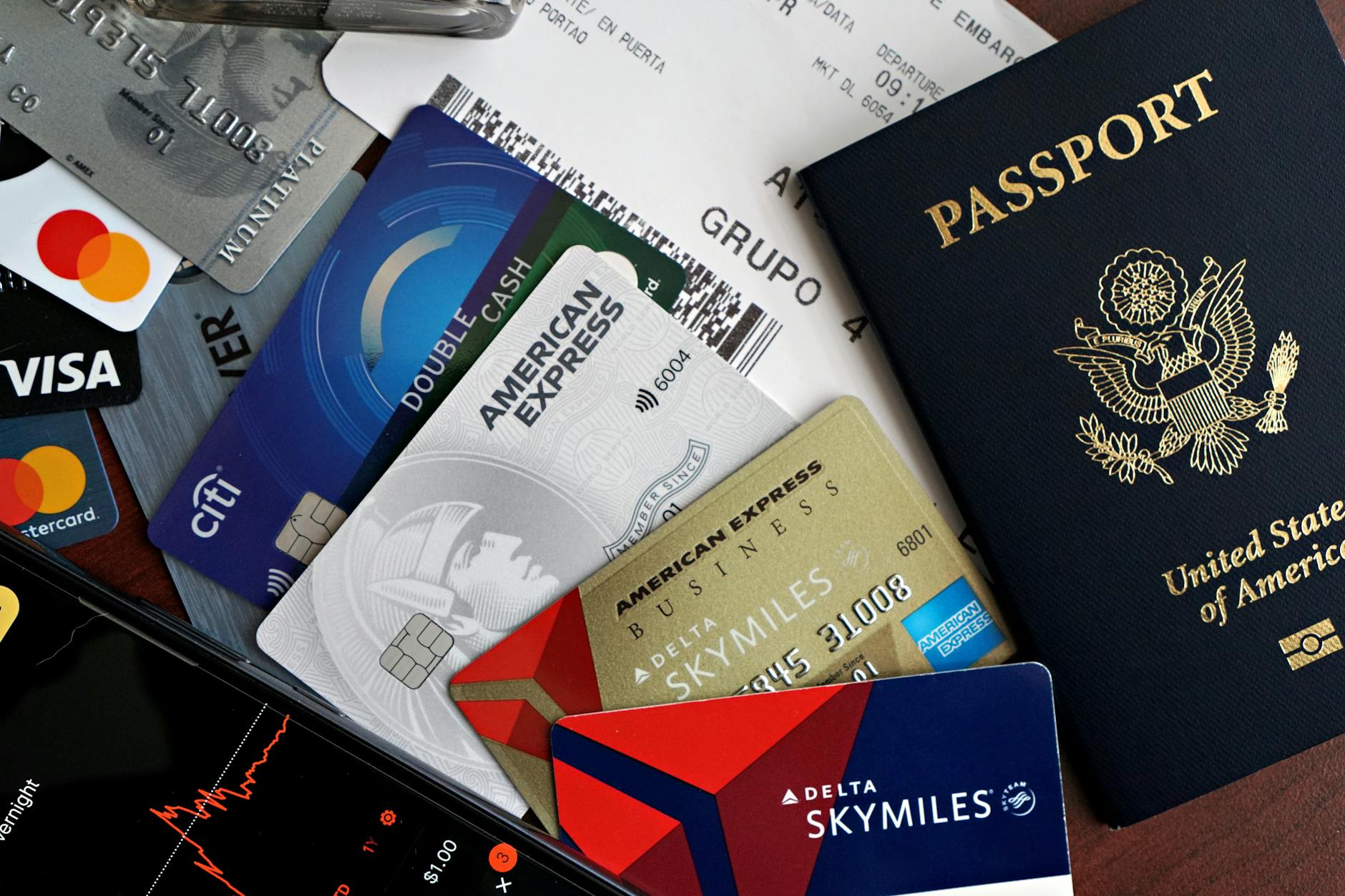
 Photo: Tima Miroshnichenko / Pexels
 Photo: RDNE Stock project / Pexels
 Photo: Mikhail Nilov / Pexels
 Photo: Porapak Apichodilok / Pexels