Unlock Canada: Top Budget Travel Tips Canada
budget travel Canada

Unlock Canada: Top Budget Travel Tips Canada

Explore Canada's breathtaking beauty and vibrant cities on a shoestring budget with our expert, reader-first advice.

Start Your Adventure

Key Takeaways

  • ✓ Canada is the second-largest country by land area, offering diverse landscapes.
  • ✓ Accommodation and transportation are often the biggest budget challenges in Canada.
  • ✓ Timing your visit outside peak season can significantly reduce costs.
  • ✓ Embracing local experiences and cooking your own meals saves substantial money.

How It Works

1
Plan Ahead Meticulously

Research destinations, transportation, and accommodation well in advance. Early bookings often secure better rates, especially for flights and popular attractions.

2
Master Transportation Savings

Consider buses, ride-sharing, or even carpooling for inter-city travel. For longer distances, explore budget airlines or train passes if they align with your itinerary.

3
Smart Accommodation Choices

Opt for hostels, guesthouses, or camping to cut down on lodging expenses. Look for places with kitchen facilities to save on dining costs.

4
Embrace Frugal Adventures

Focus on free activities like hiking, exploring national parks (with passes), and enjoying city parks. Pack snacks and cook meals to avoid expensive restaurant bills.

Strategic Planning for Affordable Canadian Journeys
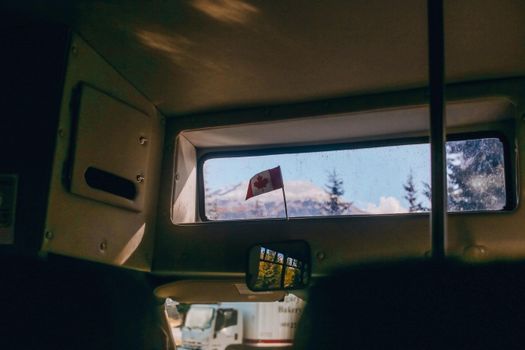
A small Canadian flag viewed from inside a vehicle, with a mountain backdrop. Photo: Rachel Claire / Pexels
Embarking on a Canadian adventure without emptying your wallet requires meticulous planning and a strategic mindset. Canada, with its vast geographical expanse and diverse offerings, can be perceived as an expensive destination, but with the right approach, it's entirely possible to experience its wonders on a budget. The first and most crucial step is to define your travel style and priorities. Are you dreaming of scaling the Rockies, exploring the vibrant streets of Toronto, or kayaking through the serene waters of the Maritimes? Knowing your interests will help you narrow down your focus and avoid unnecessary expenses. Booking in advance is not just a recommendation; it's a golden rule for budget travel in Canada. Flights, especially during peak seasons (summer and major holidays), can skyrocket in price if booked last minute. Aim to secure your airfare at least 2-3 months out, and for peak times, even further. Utilize flight comparison websites and be flexible with your travel dates if possible. Sometimes, shifting your departure or arrival by a day or two can yield significant savings. The same principle applies to accommodation. Popular hostels, budget hotels, and campsites fill up quickly, and early reservations often come with better rates or access to promotions. Exploring off-season travel can also unlock incredible value, as demand for flights and lodging drops, and you'll encounter fewer crowds at popular attractions. For instance, visiting the Canadian Rockies in late spring or early fall offers beautiful scenery with fewer tourists and lower prices than the bustling summer months. Beyond just booking, creating a detailed itinerary and budget breakdown is paramount. Estimate daily expenses for food, transportation, activities, and a small buffer for unexpected costs. Research free or low-cost activities in your chosen destinations. Many Canadian cities offer free walking tours, public parks, and stunning waterfronts that are perfect for exploration without a price tag. Consider investing in a Parks Canada Discovery Pass if you plan to visit multiple national parks, as this can save you a substantial amount compared to individual entry fees. This pass provides unlimited admission to all national parks, national historic sites, and national marine conservation areas operated by Parks Canada for a full year. It's an invaluable tool for nature lovers on a budget. Furthermore, look into local public transit passes in cities like Toronto, Montreal, or Vancouver; these are often more economical than daily tickets or ride-sharing services if you plan on extensive city exploration. Being proactive and informed about your options will empower you to make cost-effective decisions at every turn, ensuring your Canadian adventure is both memorable and affordable.

Mastering Budget-Friendly Transportation Across Canada

A small Canadian flag viewed from inside a vehicle, with a mountain backdrop. Photo: Rachel Claire / Pexels
Transportation is arguably one of the most significant expenses when traveling across Canada due to its immense size. However, with careful planning, you can navigate the country affordably. For inter-city travel, buses are often the most budget-friendly option. Companies like Greyhound (though their inter-city services are scaled back in some regions, local alternatives exist) and various regional bus lines connect major cities and towns. While slower than flying, they offer a scenic view of the Canadian landscape and are considerably cheaper. Look for passes or multi-journey tickets if you plan extensive bus travel within a specific region. Another excellent option for long-distance travel, particularly between major cities in Ontario and Quebec, is VIA Rail. While not always as cheap as buses, VIA Rail occasionally offers discounted fares, especially for students or youth, and their 'Escape' fares can be very competitive if booked far in advance. The train journey itself can be an experience, offering comfortable seating and beautiful views, a stark contrast to the rush of air travel. For those considering flying for very long distances, such as from Vancouver to Montreal, budget airlines like Flair Airlines and Swoop (now integrated into WestJet) have emerged as viable options. Keep an eye on their sales and be prepared for extra fees for luggage or seat selection, as these can quickly add up. Always compare the total cost, including all potential add-ons, before booking. For exploring within cities or specific regions, public transit is your best friend. Major Canadian cities boast efficient and extensive public transportation networks, including subways, buses, and streetcars. Purchasing a day pass or a weekly pass can be far more economical than relying on taxis or ride-sharing apps, especially if you plan on doing a lot of sightseeing. Consider walking or cycling whenever possible, not only to save money but also to immerse yourself more deeply in the local culture and discover hidden gems. Many cities, like Montreal and Vancouver, have excellent bike-sharing programs or rental shops, allowing you to explore at your own pace. If you're traveling with a group and plan to explore remote areas or national parks, renting a car might seem expensive initially, but it can become cost-effective when shared among several people. Look for car rental deals, especially outside peak season, and always factor in fuel costs, which can be substantial given Canada's size. Combining different modes of transport – a budget flight for a long haul, a bus for regional travel, and public transit in cities – is often the most effective strategy for managing transportation costs in Canada.

Savvy Accommodation & Culinary Delights on a Dime

Bustling farmers market with fresh fruits, vegetables and people exploring vibrant stalls. Photo: @coldbeer / Pexels
When it comes to stretching your budget in Canada, smart choices in accommodation and food are paramount. These two categories often consume the largest portion of a traveler's funds, but there are numerous ways to minimize their impact. For accommodation, moving beyond traditional hotels is key. Hostels are a fantastic option for solo travelers, groups, and even couples, offering dormitory beds at significantly lower prices than private rooms. Many hostels also provide private rooms for those seeking more privacy without the hotel price tag. Beyond just a bed, many Canadian hostels boast excellent common areas, kitchen facilities, and organize free or low-cost activities, fostering a social environment. Websites like Hostelworld and Booking.com are great resources for finding and comparing hostel options. Another excellent budget-friendly choice is camping, especially if you're exploring Canada's vast natural landscapes. Provincial and National Parks offer stunning campsites, often equipped with basic amenities like picnic tables, fire pits, and washrooms, for a fraction of the cost of indoor lodging. Reservations are highly recommended, particularly for popular parks and during peak season. If you don't own camping gear, consider renting it from outdoor stores or checking if your hostel offers rentals. For those who prefer a bit more comfort, guesthouses, B&Bs, and even university residences (available during summer breaks) can offer more affordable alternatives to hotels. Websites like Airbnb can also be useful, but always compare prices carefully, factoring in all service fees and cleaning charges, as these can sometimes negate the initial savings. Couchsurfing offers a unique, free accommodation experience, connecting you with local hosts, though it requires flexibility and an open mind. Food expenses can quickly add up, especially if you dine out for every meal. The number one rule for budget eating in Canada is to utilize kitchen facilities whenever possible. Staying in hostels or Airbnbs with kitchens allows you to buy groceries and cook your own meals, which is drastically cheaper than restaurant dining. Visit local supermarkets (like Loblaws, Sobeys, Metro, or independent grocers) and farmers' markets for fresh, affordable ingredients. Pack snacks and a reusable water bottle for daily excursions to avoid impulse purchases at convenience stores or tourist traps. When you do eat out, look for lunch specials, food trucks, or ethnic restaurants, which often offer delicious and more affordable meals. Poutine, a classic Canadian dish, can be found affordably at many diners and fast-food spots. Many cafes also offer pastries and coffee at reasonable prices, perfect for a quick breakfast. By being mindful of your food choices and maximizing self-catering, you can enjoy Canada's culinary scene without overspending.

Tips for Free & Low-Cost Activities in Canada

A man sits on a fallen tree in a scenic Canadian river landscape, enjoying nature. Photo: Ali Kazal / Pexels
Experiencing the best of Canada doesn't always require a hefty entrance fee. Many of the country's most iconic and memorable attractions are either free or very low cost. Embracing these opportunities is a cornerstone of budget travel in Canada. **1. Embrace Nature's Bounty:** Canada is world-renowned for its stunning natural beauty, much of which is accessible for free or with minimal cost. Hiking trails abound across the country, from the coastal paths of the East Coast to the majestic peaks of the Rockies and the lush forests of British Columbia. Many provincial parks offer free day-use access or charge a small fee for parking. National Parks, while requiring a Parks Canada Discovery Pass for multiple visits, offer unparalleled value if you plan to explore several over a year. Even without a pass, many scenic viewpoints, small community parks, and local trails are completely free to enjoy. Look for urban green spaces like Stanley Park in Vancouver or Mount Royal Park in Montreal, which offer incredible city views and recreational opportunities at no cost. **2. Explore Cities on Foot:** Walking tours are an excellent way to get acquainted with a city's history, culture, and architecture without spending a dime (though tipping your guide is always appreciated for 'free' tours). Many cities offer self-guided walking routes or free apps that provide historical context. Simply wandering through vibrant neighborhoods, admiring street art, or strolling along waterfronts can be a fulfilling and free activity. Check out local libraries or community centers for free events, art exhibitions, or concerts that might be happening during your visit. **3. Visit Free Museums and Galleries:** While some major museums have entrance fees, many smaller galleries, community museums, and even some larger institutions offer free admission on specific days or evenings. Research ahead of time to see if your desired cultural institutions have 'free days' or 'pay-what-you-can' options. Public art installations are also a fantastic free way to engage with a city's artistic side. **4. Seek Out Local Markets and Festivals:** Farmers' markets are not only great for affordable groceries but also offer a vibrant atmosphere and a chance to experience local culture. Many Canadian towns and cities host free festivals throughout the year, celebrating everything from music and art to food and heritage. These events often feature free live entertainment, parades, and opportunities to mingle with locals. Check local tourism websites for event calendars during your travel dates. **5. Pack Smart:** To avoid unexpected costs, pack essentials like a reusable water bottle, snacks, a basic first-aid kit, and appropriate clothing for varying weather conditions. Bringing your own toiletries also saves money. A small backpack for day trips is invaluable for carrying your own food and drinks, avoiding overpriced tourist traps.

Comparison

FeatureBest Budget OptionMid-Range OptionLuxury Option
AccommodationHostel Dorm/CampingBudget Hotel/Airbnb RoomBoutique Hotel/Resort
Inter-City TravelBus/CarpoolVIA Rail (Escape Fares)Budget Airlines/Rental Car
FoodGrocery Store/CookingCasual Restaurants/Food TrucksFine Dining/Room Service
ActivitiesFree Parks/HikingMuseums/Guided ToursAdventure Sports/Spa
ConnectivityPublic WiFi/Local SIMRoam Like Home PackageGlobal Roaming Plan

What Readers Say

"These budget travel tips for Canada were a game-changer for my cross-country trip. I managed to see so much without overspending, primarily by using hostels and cooking my own meals. Highly recommend planning transportation early!"

Sarah J. · Seattle, WA

"As a solo backpacker, I found the advice on cheap transportation and free activities invaluable. I explored several national parks using the pass and saved a fortune on entry fees. Canada is definitely doable on a budget with this guide."

David M. · London, UK

"Thanks to these budget travel tips for Canada, my partner and I enjoyed a fantastic two-week trip for half of what we initially expected. The emphasis on cooking and public transit truly made a difference in our overall costs."

Emily R. · Melbourne, AUS

"While some tips were more geared towards international travelers, the advice on local markets and off-season travel was still very useful for my intra-Canada trip. Definitely helped me save a few hundred dollars on my East Coast adventure."

Mark T. · Toronto, ON

"I used these budget travel tips for Canada for my working holiday visa, and they were spot on. The recommendation for hostels with kitchens and free city tours allowed me to stretch my funds much further than I anticipated. Canada is amazing!"

Jessica L. · Berlin, GER

Frequently Asked Questions

What is the best time to visit Canada on a budget?

The shoulder seasons (late spring: May-June, and early fall: September-October) are generally the best times for budget travel in Canada. You'll find lower prices for flights and accommodation, fewer crowds, and still enjoy pleasant weather for outdoor activities. Winter can also be budget-friendly for certain regions if you're prepared for cold weather.

Is it safe to hitchhike in Canada to save on transportation?

While hitchhiking is not illegal in most parts of Canada, it is generally not recommended due to safety concerns and varying provincial regulations. It's much safer and more reliable to use public transit, inter-city buses, carpooling apps, or look for ride-sharing opportunities on travel forums to save on transportation costs.

How can I find affordable flights within Canada?

To find affordable flights within Canada, use flight comparison websites like Skyscanner or Google Flights and set up price alerts. Be flexible with your travel dates and consider flying with budget airlines such as Flair Airlines or Swoop (now WestJet), keeping in mind their extra fees for luggage. Booking well in advance is crucial for the best deals.

What are typical daily food costs for a budget traveler in Canada?

For a budget traveler who primarily cooks their own meals from groceries, daily food costs in Canada can range from 20-35 CAD per person. This includes breakfast, lunch, and dinner, with occasional snacks. If you opt for a mix of cooking and eating at inexpensive casual restaurants or food trucks, this could increase to 40-60 CAD per day.

Are there any free activities in major Canadian cities?

Yes, major Canadian cities offer numerous free activities. Examples include exploring public parks (e.g., Stanley Park in Vancouver, High Park in Toronto, Mount Royal Park in Montreal), walking tours (some are free, tip-based), visiting public art installations, strolling along waterfronts, and attending free festivals or events. Many museums also offer free admission on specific days or evenings.

Who should use budget travel tips for Canada?

Anyone looking to explore Canada without overspending will benefit from these budget travel tips. This includes backpackers, students, young professionals, families on a tight budget, and even seasoned travelers who want to make their Canadian journey more economical. These strategies cater to those prioritizing experiences and cultural immersion over luxury.

Is it possible to travel Canada without a car?

Yes, it is entirely possible to travel Canada without a car, especially if you focus on specific regions or major cities. Inter-city buses, VIA Rail, and budget airlines connect many parts of the country. Within cities, public transit, walking, and cycling are excellent options. However, exploring remote national parks or vast wilderness areas without a car can be challenging and may require organized tours or ride-sharing.

What are some emerging trends for budget travel in Canada?

Emerging trends for budget travel in Canada include a rise in 'workation' travel where individuals combine work with travel, often seeking longer stays in affordable accommodations with good internet. There's also growing interest in sustainable and eco-friendly budget options, such as glamping, bike touring, and utilizing community-based tourism initiatives. The popularity of remote work is also driving demand for affordable, long-term stays in smaller towns or less-traveled regions.

Ready to explore the majestic landscapes and vibrant cities of Canada without breaking the bank? Armed with these comprehensive budget travel tips Canada, your dream adventure is closer than you think. Start planning today and unlock an unforgettable Canadian experience that’s both enriching and affordable.

Topics: budget travel Canadaaffordable Canada travelsave money Canada tripcheap Canada vacationbackpacking Canada budget
Leo List
Brampton weed
Adultwork