Smart Budget Travel Canada Tips: Explore More for Less
budget travel Canada tips

Smart Budget Travel Canada Tips: Explore More for Less

Master the art of affordable Canadian adventures with these proven strategies for every aspect of your trip.

Start Saving Now

Key Takeaways

  • ✓ Canada is the world's second-largest country, offering diverse landscapes and experiences.
  • ✓ The Canadian Dollar (CAD) is generally weaker than the USD or EUR, offering value.
  • ✓ Public transportation options vary widely by region; some areas require car rental for exploration.
  • ✓ National and provincial parks offer affordable accommodation options like camping.
  • ✓ Shoulder seasons (spring/fall) often provide the best balance of weather and lower costs.

How It Works

1
Define Your Destination & Duration

Research specific regions or cities that align with your interests and budget. Establish a realistic timeframe for your trip to avoid overspending on rushed plans.

2
Master Transportation Savings

Compare flights, trains, buses, and carpooling. Booking well in advance, utilizing budget airlines, or opting for overnight buses can significantly cut costs.

3
Secure Affordable Accommodation

Explore hostels, Airbnb rooms, camping, or house-sitting. Booking directly and looking for off-season deals can yield better rates than traditional hotels.

4
Strategize Food & Activities

Cook your own meals, shop at local markets, and seek out free attractions. Look for city passes or discount cards for paid activities to maximize savings.

Unlocking Affordable Transportation Across Canada
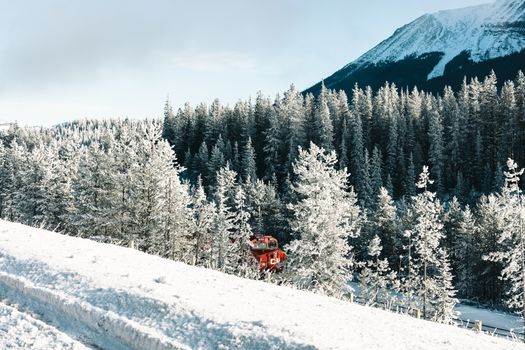
Snow-covered forest and mountains with a red train in Banff, Canada, capturing winter's beauty. Photo: Ali Kazal / Pexels
Navigating the vast landscapes of Canada on a budget requires strategic planning, especially when it comes to transportation. Canada's sheer size means that distances between major attractions can be immense, making travel costs a significant portion of your budget if not managed carefully. The first step is to consider your primary mode of inter-city travel. For long distances, especially between provinces, budget airlines like Flair Airlines or Swoop (though Swoop has merged with WestJet, its legacy of budget travel lives on through WestJet's low-cost offerings) can be excellent options if booked far in advance. Be mindful of their baggage policies, as extra fees can quickly negate initial savings. Always compare prices across multiple platforms like Google Flights, Skyscanner, and directly on airline websites. Keep an eye out for sales and sign up for email alerts from these carriers. For shorter to medium distances, or if you prefer a more scenic route, consider VIA Rail Canada. While not always the cheapest, especially for last-minute bookings, they offer various passes like the Canrailpass that can provide significant savings for extensive travel over a set period. Their 'Escape' fares, released weekly, can also be a goldmine for budget-conscious travellers. Buses are often the most economical choice for inter-city travel, with companies like Greyhound (though largely exited Canada, regional operators like Rider Express and Megabus have filled the void in many areas) offering routes across different provinces. Check local bus companies for specific regions you plan to visit, as they often have competitive rates and more direct routes than national carriers. Within cities, public transit is your best friend. Major Canadian cities like Toronto, Montreal, Vancouver, and Calgary boast extensive and efficient public transportation networks (subways, buses, streetcars). Invest in a multi-day pass or a rechargeable card if you're staying for an extended period, as single fares can add up. Walking and cycling are also fantastic, free ways to explore, particularly in downtown cores and along scenic pathways. For more remote areas or road trips, car rental can be necessary. To save money, book well in advance, compare prices from various companies (e.g., Enterprise, Budget, Hertz, Turo for peer-to-peer rentals), and consider renting a smaller, fuel-efficient vehicle. Look for rentals outside of major airport locations, as airport surcharges can inflate costs. Carpooling services or ride-sharing apps can also reduce expenses when travelling with others or for specific routes. Utilizing these transportation strategies will be crucial for your budget travel Canada tips strategy.

Smart Accommodation & Culinary Delights on a Dime

Group of friends enjoying a festive Canada Day celebration indoors with food and decorations. Photo: Cedric Fauntleroy / Pexels
When it comes to stretching your loonie and toonie in Canada, savvy accommodation and food choices are paramount. Ditch the idea that budget travel means sacrificing comfort or experience; instead, embrace creative solutions that often lead to more authentic encounters. Hostels, particularly in larger cities and popular tourist destinations, are no longer just for young backpackers. Many offer private rooms, communal kitchens, and social atmospheres, making them excellent value. Websites like Hostelworld are indispensable for finding reputable options. Always check reviews, especially regarding cleanliness and security. Another fantastic option for longer stays or groups is Airbnb, where renting a private room or even an entire apartment can be more cost-effective than a hotel, plus you often get access to a kitchen – a game-changer for food budgets. For nature lovers, camping is arguably the most budget-friendly accommodation choice, offering unparalleled access to Canada's stunning wilderness. National and provincial parks across the country provide well-maintained campgrounds, often with basic amenities like washrooms and fire pits, for a fraction of hotel costs. Booking well in advance, especially for popular parks like Banff or Jasper, is essential. Backcountry camping, though requiring more gear and experience, can be even cheaper. Consider alternative accommodation methods like house-sitting (websites like TrustedHousesitters) or Couchsurfing, which can offer free lodging in exchange for pet care or cultural exchange, respectively. These options not only save money but also provide unique, local experiences. Food expenses can quickly derail a budget, but with a few smart moves, you can eat well without overspending. The golden rule: cook your own meals whenever possible. Stock up on groceries at local supermarkets like Loblaws, Sobeys, Metro, or discount chains like No Frills or Food Basics. Plan simple, nutritious meals. Farmer's markets are excellent for fresh, local produce and often offer better prices than grocery stores. When dining out, look for lunch specials, early bird dinners, or take-out options, which are generally cheaper than full-service dinner meals. Ethnic eateries often provide excellent value and delicious food. Poutine, while iconic, can be an occasional treat rather than a daily staple if you're truly watching your pennies. Picnics in parks are a delightful and inexpensive way to enjoy Canada's scenery while saving on restaurant costs. Don't forget to carry a reusable water bottle and refill it frequently to avoid buying bottled water. Embracing these culinary and lodging hacks will significantly impact your overall budget for Canadian adventures.

Maximizing Experiences with Minimal Expenditure

Explore the lush green hiking trails in Field, BC, surrounded by towering forests and mountains. Photo: Ali Kazal / Pexels
Exploring Canada's incredible attractions doesn't have to empty your wallet. Many of the country's most breathtaking experiences are naturally free or come with minimal costs. Start by embracing Canada's vast network of national and provincial parks. While some national parks have entrance fees, investing in a Parks Canada Discovery Pass (if you plan to visit multiple parks or stay for an extended period) can be incredibly cost-effective. This pass grants unlimited admission to over 80 Parks Canada places for a full year. Once inside, hiking, wildlife viewing, and enjoying scenic drives are often free. Provincial parks also offer affordable day-use or camping fees, providing access to stunning lakes, forests, and trails. Research free walking tours in major cities; many operate on a 'pay-what-you-can' or tip-based model, offering insightful introductions to local history and culture. Public art installations, waterfront promenades, and city parks are also excellent free attractions. Look for free museum days or evenings. Many Canadian museums, especially larger ones, offer specific times when admission is free or by donation. Check their websites in advance. Libraries often host free events, talks, or even offer temporary passes to local attractions. Embrace the outdoors, which is Canada's greatest asset. Canoeing, kayaking, swimming in lakes, cycling on dedicated paths, and snowshoeing or cross-country skiing in winter are all fantastic, low-cost activities if you own or can rent equipment affordably. Many communities have gear rental shops that are cheaper than specialized tour operators. Attending local festivals and events is another excellent way to experience Canadian culture without breaking the bank. From summer music festivals to winter carnivals, many offer free admission or affordable activities. Check local tourism boards' websites for event calendars. Consider volunteering for a few hours in exchange for free entry or a unique experience. Some farms, hostels, or eco-tourism operators offer such arrangements. When planning paid activities, always look for student, senior, or family discounts if applicable. City passes, like the CityPASS in Toronto, can offer bundled discounts for multiple major attractions, but do the math to ensure it actually saves you money for the specific places you want to visit. Remember that Canada's landscapes are the main draw; simply taking a scenic drive, enjoying a picnic by a lake, or watching a sunset over the mountains are priceless experiences that cost nothing more than your time and fuel. Being flexible with your itinerary and open to spontaneous, free discoveries will greatly enhance your budget travel adventures in Canada.

Avoiding Common Budget Travel Pitfalls in Canada

Dramatic mountain highway view in Canadian Rockies, surrounded by lush forests. Photo: Ali Kazal / Pexels
Even with the best intentions, budget travel in Canada can present unexpected challenges. Being aware of these common pitfalls can save you significant money and stress. * **Underestimating Distances and Travel Times:** Canada is massive. What looks like a short hop on a map can be an 8-hour drive. Always factor in ample travel time and the associated fuel or ticket costs. Trying to squeeze too much into a short trip often leads to more expensive last-minute bookings or hurried, less enjoyable experiences. * **Ignoring Shoulder Seasons:** Peak summer (July-August) and major holidays mean higher prices for everything from flights to accommodation. Consider travelling in the shoulder seasons (May-June, September-October). You'll often find better deals, fewer crowds, and pleasant weather, though some seasonal attractions might have reduced hours. * **Overspending on Souvenirs and Tourist Traps:** It's easy to get caught up in the moment and buy overpriced trinkets. Set a souvenir budget and stick to it. Look for unique, locally made items in smaller shops rather than generic tourist stores. Prioritize experiences over material possessions. * **Not Booking in Advance (Especially for Popular Spots):** This applies to flights, popular hostels, campground spots in national parks, and even certain train tickets. Last-minute bookings are almost always more expensive, particularly during high season. For popular Parks Canada campgrounds, reservations can open months in advance and sell out within minutes. * **Not Having Travel Insurance:** While not a direct travel cost, falling ill or having an accident without insurance can lead to astronomical medical bills in Canada. A good travel insurance policy is a non-negotiable budget item that protects you from potentially catastrophic financial losses. Don't skip it to save a few dollars. * **Paying for Bottled Water:** Tap water in Canada is safe and delicious in most places. Carry a reusable water bottle and refill it frequently. This saves money and reduces plastic waste. * **Underestimating the Cost of Alcohol:** Alcoholic beverages in Canada, particularly in bars and restaurants, can be quite expensive due to taxes. If you enjoy a drink, consider purchasing from liquor stores (LCBO, SAQ, BCLDB, etc., depending on the province) and consuming responsibly at your accommodation. * **Not Checking Exchange Rates and Bank Fees:** Be aware of the current CAD exchange rate. Use credit cards that don't charge foreign transaction fees and avoid using ATMs from unknown banks that might levy high withdrawal fees. Inform your bank of your travel plans to prevent card freezes. By being mindful of these common missteps, you can significantly enhance your ability to stick to your budget and enjoy a more stress-free Canadian adventure.

Comparison

FeatureBudget AirlineVIA Rail (Economy)Intercity BusCar Rental (Budget)
SpeedFastest for long distancesModerateSlowestVariable (self-paced)
Cost (Long Distance)Often cheapest (if booked early)Mid-range (passes available)CheapestCan be high (fuel, insurance, rental)
FlexibilityLow (fixed schedule)Moderate (fixed schedule)Moderate (fixed schedule)High (on-demand)
Scenic ViewsLimitedExcellentModerateExcellent (driver's choice)
Baggage AllowanceStrict, often extra feesGenerousModerateDependent on vehicle size
ConvenienceAirport transfers neededDowntown stationsDowntown stationsDoor-to-door

What Readers Say

"These budget travel Canada tips were a lifesaver! I managed a two-week trip through the Rockies and Vancouver on a fraction of what I expected. The advice on hostels and cooking my own meals made a huge difference."

Sarah P. · London, UK

"I used these tips to plan my backpacking trip across Eastern Canada. The insight on bus travel and free city tours helped me see so much without breaking my budget. Highly recommend for any budget-conscious explorer!"

Mark L. · Sydney, AUS

"Thanks to this guide, I saved over $1000 on my month-long Canadian adventure. The suggestion to get a Parks Canada Discovery Pass was genius, allowing me to explore multiple national parks without worrying about entry fees."

Elena R. · Berlin, GER

"While some tips like finding cheap flights require a lot of advance planning, which I didn't always have, the food and accommodation advice was gold. My only wish is more specific regional examples for local bus companies."

David K. · New York, USA

"As a student on a gap year, I needed every penny to count. These budget travel Canada tips were incredibly practical, from explaining carpooling options to finding free activities. My trip was unforgettable and affordable!"

Chloe M. · Dublin, IRE

Frequently Asked Questions

What's the absolute cheapest way to travel long distances in Canada?

For long distances, intercity buses are generally the cheapest option, though they are also the slowest. Budget airlines like Flair can be very affordable if booked months in advance, but watch out for baggage fees. Carpooling services can also offer good value if you find suitable rides.

Is it possible to visit Canada's national parks on a tight budget?

Absolutely! Investing in a Parks Canada Discovery Pass is highly recommended if you plan to visit multiple parks. For accommodation, camping within the parks is the most budget-friendly choice. Bring your own food and cook your meals to save significantly.

How can I save money on food while travelling through Canadian cities?

The best way is to cook your own meals by shopping at local grocery stores and farmers' markets. Pack picnics for sightseeing days. When dining out, look for lunch specials, happy hour deals, or casual ethnic restaurants which often offer better value than upscale establishments. Carry a reusable water bottle.

What's a realistic daily budget for a solo traveller in Canada?

A realistic daily budget for a solo budget traveller in Canada, excluding major inter-city transportation, can range from CAD $50-80. This typically covers hostel accommodation, cooking most meals, using public transport, and enjoying free or low-cost activities. This can fluctuate significantly based on region and travel style.

How do hostels in Canada compare to budget hotels in terms of value?

Hostels generally offer superior value for budget travellers compared to budget hotels. They often include communal kitchens (saving on food costs), social atmospheres, and sometimes free activities. While budget hotels offer more privacy, they typically lack kitchen facilities and social opportunities, making them less cost-effective for true budget travel.

Who should prioritize using these budget travel Canada tips?

These tips are ideal for backpackers, students, solo travellers, families, or anyone who wants to experience the beauty and diversity of Canada without overspending. They are particularly useful for those planning longer trips or visiting multiple regions.

Is it safe to hitchhike or use ride-sharing apps in Canada to save money?

While ride-sharing apps like Uber and Lyft are generally safe and available in major cities, hitchhiking is not recommended due to safety concerns and is illegal in some provinces. For inter-city rides, reputable carpooling apps or services are a safer alternative to traditional hitchhiking.

What emerging trends could impact budget travel in Canada?

The rise of sustainable and eco-tourism could lead to more affordable, environmentally friendly accommodation options and activity providers. Increased investment in inter-city bus networks and the expansion of peer-to-peer rental services (cars, gear, accommodations) could also offer more budget-friendly choices for future travellers.

Ready to explore Canada's stunning landscapes and vibrant cities without emptying your wallet? Apply these expert budget travel Canada tips to craft an unforgettable, affordable adventure. Start planning your dream Canadian getaway today and discover how much you can experience for less!

Topics: budget travel Canada tipsaffordable Canada tripssave money Canada travelcheap Canada vacationsbackpacking Canada budget
Leo List
Brampton weed
Adultwork EstrelaBet Vai de Bet R7 Bet Betão Galera Bet Rainbet Bet9ja Shop SportyBet BetKing Sisal Loto Foot Hollywoodbets YesPlay Odibets RushBet Jugabet BetWarrior BetCity MSport betPawa Fortebet