✓ BC Ferries operates all major routes to Vancouver Island.
✓ Advance booking is highly recommended, especially during peak season.
✓ Major departure points are Tsawwassen and Horseshoe Bay.
✓ Vehicle reservations often sell out weeks in advance.
How It Works
1
Choose Your Route and Dates
Identify your departure terminal (Tsawwassen or Horseshoe Bay) and your desired Vancouver Island destination (Swartz Bay, Nanaimo, or Duke Point). Select your travel dates and preferred sailing times, keeping peak seasons in mind.
2
Visit the BC Ferries Website
Navigate to the official BC Ferries website, the sole platform for booking these routes. Utilize their intuitive booking portal to initiate your reservation process.
3
Select Vehicle & Passenger Details
Input your vehicle type and dimensions accurately, as this affects pricing and space allocation. Specify the number of adults, seniors, and children traveling in your party.
4
Complete Your Reservation
Review all details carefully, including route, date, time, and passenger/vehicle information. Proceed to payment to secure your booking and receive your confirmation email.
Understanding BC Ferries Routes to Vancouver Island
Photo: Vlad Vasnetsov / Pexels
When you plan to book ferry to Vancouver Island, the first crucial step is understanding the available routes. BC Ferries, the primary operator, offers several vital connections from mainland British Columbia to Vancouver Island. The two main departure points from the Lower Mainland are Tsawwassen (south of Vancouver) and Horseshoe Bay (north of Vancouver). Each serves different destinations on Vancouver Island, catering to various travel plans and preferences.
From Tsawwassen, you can reach Swartz Bay (Victoria) or Duke Point (Nanaimo). The Tsawwassen to Swartz Bay route is the most popular, connecting directly to Victoria, the provincial capital. This sailing takes approximately 1 hour and 40 minutes and offers stunning views of the Southern Gulf Islands. It's ideal if your final destination is Victoria, Sidney, or the southern parts of the island. The Tsawwassen to Duke Point route, on the other hand, takes you directly to Nanaimo, serving the central island region. This route is slightly longer, around 2 hours, and is perfect for those heading to Nanaimo, Parksville, Qualicum Beach, or further north.
From Horseshoe Bay, your only direct option is to Departure Bay (Nanaimo). This route is very convenient for travelers coming from North Vancouver, Whistler, or those who find the Horseshoe Bay terminal more accessible. The Horseshoe Bay to Departure Bay sailing is approximately 1 hour and 40 minutes and, like the Duke Point route, serves the central and northern parts of Vancouver Island. Choosing the right route depends heavily on your starting point on the mainland and your ultimate destination on the island. Consider traffic patterns to each terminal, as well as the driving distance once you arrive on Vancouver Island. For instance, if you're flying into Vancouver International Airport (YVR), Tsawwassen is generally a more direct drive than Horseshoe Bay. Conversely, if you're coming from the Sea-to-Sky Highway, Horseshoe Bay is your natural choice. Understanding these nuances early in your planning will save you time and hassle. Always check the BC Ferries website for current schedules and potential service advisories before finalizing your plans. For more detailed insights into island destinations, explore our guide on top Vancouver Island attractions.
Navigating the BC Ferries Booking Process
Photo: Postcard Pictures / Pexels
Once you've decided which route to take, the next step is to actually book ferry to Vancouver Island. The BC Ferries booking system is relatively straightforward, but understanding its nuances can greatly enhance your experience, especially during peak travel times. All bookings are made through the official BC Ferries website. Start by selecting your desired route, departure date, and time. The system will then prompt you to enter details about your vehicle and the number of passengers.
Vehicle reservations are highly recommended, especially if you're traveling with a car, truck, or RV. During summer months, long weekends, and holidays, sailings can sell out weeks or even months in advance. A reservation guarantees you a spot on a specific sailing, eliminating the stress of potentially being turned away or waiting for multiple sailings as a standby passenger. There's a reservation fee, but the peace of mind it offers is often well worth the cost. When making a vehicle reservation, you'll need to accurately specify your vehicle's length, including any attachments like bike racks or trailers. Incorrect measurements can lead to issues at the terminal, including potential refusal of boarding or additional fees.
For passengers traveling without a vehicle, reservations are generally not required for the major routes (Tsawwassen-Swartz Bay, Tsawwassen-Duke Point, Horseshoe Bay-Departure Bay). Foot passengers and cyclists can usually purchase tickets at the terminal on the day of travel. However, arriving early is still advisable, particularly for cyclists, as space for bikes can be limited on certain sailings. The BC Ferries website also provides real-time sailing status updates, which are invaluable for checking delays or cancellations before you head to the terminal. You can also sign up for email notifications for your specific sailing, ensuring you're kept informed. It's also wise to create an account on the BC Ferries website, which can streamline future bookings and allow you to manage existing reservations more easily. Remember to have your confirmation number readily available when you arrive at the terminal.
Essential Tips for a Smooth Ferry Journey
Photo: Vlad Vasnetsov / Pexels
To ensure a smooth and stress-free journey when you book ferry to Vancouver Island, a few essential tips can make all the difference. Firstly, always aim to arrive at the terminal well in advance of your reserved sailing time. BC Ferries typically recommends arriving 30 to 60 minutes prior to departure for reserved vehicles, and at least 30 minutes for foot passengers. Arriving too late, even with a reservation, can result in losing your spot. Terminals can be bustling, especially during peak times, so allow extra travel time to account for potential traffic on the way to the ferry.
Secondly, be prepared for potential delays. While BC Ferries operates efficiently, factors like weather, mechanical issues, or heavy traffic can sometimes cause sailings to be delayed or even cancelled. Check the BC Ferries website or their mobile app for the latest service notices before you leave home. Having snacks, drinks, and entertainment on hand, especially if traveling with children, can make any unexpected waiting time more comfortable.
Thirdly, consider traveling during off-peak hours or days if your schedule allows. Mid-week sailings (Tuesday to Thursday) and early morning or late evening departures are generally less crowded than weekend or mid-day sailings. This can lead to shorter wait times, easier parking at the terminal, and a more relaxed overall experience.
Fourthly, familiarize yourself with the amenities onboard. BC Ferries vessels are well-equipped with cafeterias, gift shops, and often play areas for children. Many ships also offer Wi-Fi, though connectivity can be spotty at sea. Taking advantage of these facilities can make the journey itself a pleasant part of your trip. Also, stepping out onto the deck to enjoy the scenic views of the ocean and islands is highly recommended. It’s a truly Canadian experience.
Finally, if you're traveling with pets, be aware of BC Ferries' pet policies. Pets are generally allowed on designated outdoor deck areas and in vehicles, but not in passenger lounges or indoor public spaces (with the exception of service animals). Ensure your pet is comfortable and has access to water during the sailing. For more travel planning resources, check out our guide on planning your Canadian road trip.
Avoiding Common Mistakes When Booking Your Ferry
Photo: muhammed yıldız / Pexels
When you book ferry to Vancouver Island, it's easy to overlook small details that can lead to big headaches. Being aware of common mistakes can help you streamline your travel plans and avoid unnecessary stress.
**Top Mistakes to Avoid:**
* **Not booking in advance:** This is by far the most frequent and impactful mistake. Especially during summer, holidays, and long weekends, popular sailings can be fully booked for vehicles weeks ahead. Relying on standby is a gamble that can result in hours of waiting or even missing your desired travel day entirely. Always book your vehicle reservation as soon as your travel dates are firm.
* **Incorrect vehicle dimensions:** When reserving, accurately measure your vehicle's total length, including bike racks, hitches, or trailers. If your vehicle is longer than what you booked, you may be charged extra or, in worst-case scenarios, denied boarding if the vessel is at capacity for larger vehicles. Be honest and precise.
* **Arriving late for your reservation:** Even with a reservation, there’s a cut-off time for check-in (usually 30-60 minutes before departure). Arriving after this time will result in your reservation being cancelled without a refund, and you’ll be treated as a standby vehicle. Plan to arrive with plenty of buffer time.
* **Not checking service notices:** Weather, mechanical issues, or unforeseen circumstances can cause delays or cancellations. Failing to check the BC Ferries website or app for service notices before heading to the terminal can lead to wasted travel time and frustration. Always verify the status of your sailing.
* **Booking the wrong terminal or route:** Double-check that you've selected the correct departure and arrival terminals. Forgetting that there are two Nanaimo terminals (Duke Point and Departure Bay), for example, can lead to significant rerouting once on the island. Confirm your specific route (e.g., Tsawwassen-Swartz Bay vs. Tsawwassen-Duke Point).
* **Underestimating peak season demand:** Beyond just booking early, understand that peak season means busier terminals, longer lines, and potentially full amenities onboard. Adjust your expectations and prepare for a more crowded experience during these times.
* **Forgetting your reservation number:** While not always critical, having your reservation number readily accessible (either printed or on your phone) speeds up the check-in process and helps resolve any issues more quickly. Don't rely solely on your memory.
By being mindful of these common pitfalls, you can ensure your journey to Vancouver Island is as smooth and enjoyable as possible.
Comparison
Feature
Vehicle Reservation
Standby Travel
Foot Passenger
Guaranteed Space
✓
✗
✓ (most cases)
Cost
Reservation fee + fare
Fare only (if space)
Fare only
Wait Time
Minimal (arrive early)
Potentially hours
Minimal
Peak Season Viability
High
Low
High
Flexibility
Less (fixed sailing)
High (any available)
High
What Readers Say
★★★★★
"Booking my ferry to Vancouver Island through BC Ferries was incredibly easy. The website was intuitive, and my reservation guaranteed a stress-free departure from Tsawwassen to Swartz Bay."
Sarah L. · Vancouver, BC
★★★★★
"We followed the advice to book well in advance for our summer trip to Nanaimo. It made all the difference; we arrived, drove straight on, and enjoyed a fantastic sailing without any worries."
Mark D. · Calgary, AB
★★★★★
"I used the BC Ferries site to book my ferry to Vancouver Island, and the process was seamless. The confirmation email had all the details, and we were able to board our reserved sailing to Victoria without a hitch, saving us hours of potential waiting."
Emily R. · Seattle, WA
★★★★★
"The booking process was straightforward, though the reservation fee adds up. Still, knowing we had a spot for our vehicle during a busy weekend was worth the extra cost for peace of mind."
David K. · Richmond, BC
★★★★★
"As a first-timer, I was a bit nervous to book ferry to Vancouver Island, but the online system guided me perfectly. Even with an RV, securing our spot to Duke Point was simple, and the staff at the terminal were very helpful."
Jessica M. · Kelowna, BC
Frequently Asked Questions
What is the best way to book ferry to Vancouver Island?
The best way to book a ferry to Vancouver Island is through the official BC Ferries website. Advance vehicle reservations are strongly recommended, especially during peak travel seasons, holidays, and long weekends, to guarantee your spot on a specific sailing and avoid long wait times at the terminal.
Do I need a reservation if I'm a foot passenger?
Generally, foot passengers do not require reservations for the major routes to Vancouver Island (Tsawwassen-Swartz Bay, Horseshoe Bay-Departure Bay, Tsawwassen-Duke Point). You can usually purchase your ticket at the terminal on the day of travel. However, arriving early is still advisable during busy periods.
How far in advance should I book my vehicle reservation?
For peak season travel (summer, long weekends, holidays), it's highly recommended to book your vehicle reservation several weeks, or even months, in advance. For off-peak travel, a few days to a week in advance is usually sufficient, but booking as soon as your plans are firm is always best practice.
What are the costs associated with booking a ferry to Vancouver Island?
The cost typically includes a fare for your vehicle (based on length) and a fare for each passenger. If you make a reservation, there will be an additional, non-refundable reservation fee. Prices vary by route and time of year, so check the BC Ferries website for current rates.
Is it better to travel from Tsawwassen or Horseshoe Bay?
The 'better' terminal depends on your starting point and your destination on Vancouver Island. Tsawwassen serves Swartz Bay (Victoria) and Duke Point (Nanaimo) and is south of Vancouver. Horseshoe Bay serves Departure Bay (Nanaimo) and is north of Vancouver. Choose the terminal that is most convenient for your overall travel plan.
Who should book a ferry to Vancouver Island?
Anyone planning to travel to Vancouver Island by vehicle should book a ferry reservation, especially during busy times. Foot passengers and cyclists generally don't need reservations but should still check schedules and arrive early for peace of mind.
What happens if I miss my reserved sailing?
If you miss your reserved sailing, your reservation will be cancelled, and you will forfeit your reservation fee. You will then need to purchase a new ticket as a standby passenger for the next available sailing, which could involve significant waiting time, especially if other sailings are full.
Can I modify or cancel my BC Ferries reservation?
Yes, you can usually modify or cancel your BC Ferries reservation online through their website, subject to their terms and conditions. Cancellation or modification fees may apply, and the reservation fee is generally non-refundable. Check the BC Ferries website for specific policies regarding changes and cancellations.
Ready to explore the stunning landscapes and vibrant culture of Vancouver Island? Don't delay! Use this guide to confidently book ferry to Vancouver Island today and secure your seamless journey across the Salish Sea.
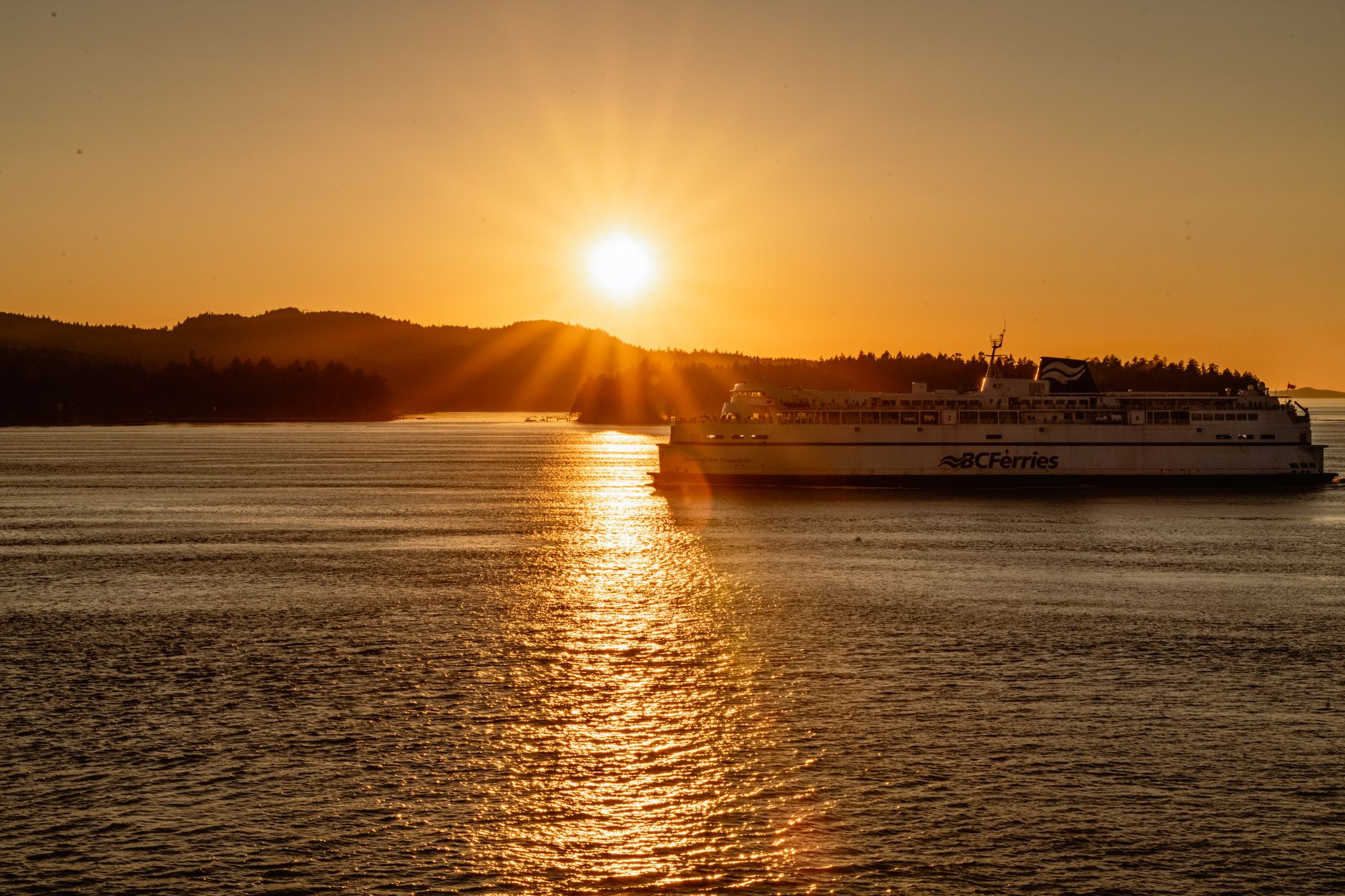
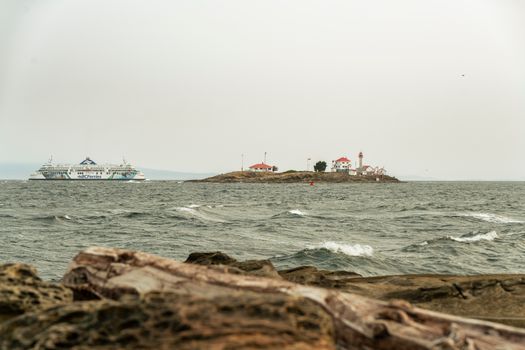 Photo: Vlad Vasnetsov / Pexels
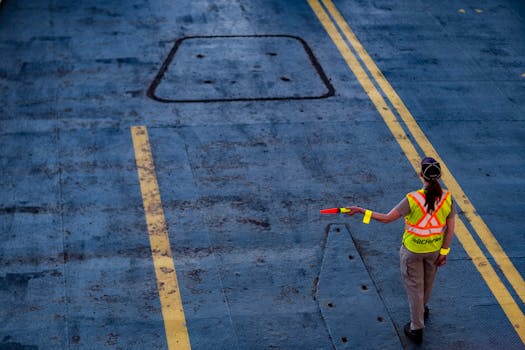 Photo: Postcard Pictures / Pexels
 Photo: muhammed yıldız / Pexels