
The Best Time to Visit Canadian Rockies for Your Dream Trip
Unlock the secrets to planning an unforgettable journey through the majestic Canadian Rockies, tailored to your ideal experience.
Plan Your Rockies AdventureKey Takeaways
- ✓ Summer (June-August) offers warm weather, full accessibility, but also peak crowds and prices.
- ✓ Shoulder seasons (May-early June, September-October) provide a balance of good weather, fewer people, and better value.
- ✓ Winter (November-April) transforms the Rockies into a snowy wonderland, perfect for skiing and ice activities.
- ✓ The 'best' time depends entirely on your preferred activities and tolerance for crowds.
How It Works
Before picking a date, consider what you want from your trip: hiking, skiing, wildlife viewing, or simply scenic drives. Your priorities will dictate the ideal season.
Familiarize yourself with the distinct characteristics of each season in the Rockies, from summer's vibrancy to winter's serene beauty. Each offers unique experiences and challenges.
Peak season means higher prices and more people; shoulder seasons offer a quieter, more budget-friendly experience. Factor these into your decision for a comfortable trip.
Regardless of the season, popular accommodations and activities, especially in Banff and Jasper, fill up quickly. Booking well ahead ensures you get your preferred options.
Summer in the Canadian Rockies: Peak Beauty and Bustle
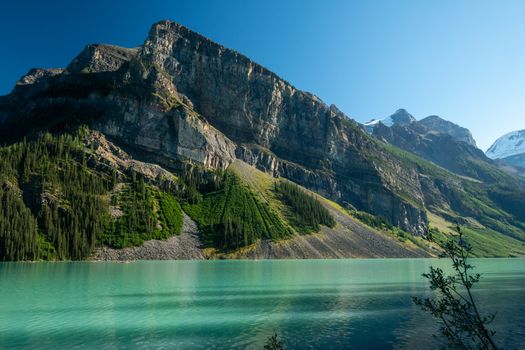 Photo: Andrew Patrick Photo / Pexels
Spring and Fall: The Shoulder Seasons' Unique Charm
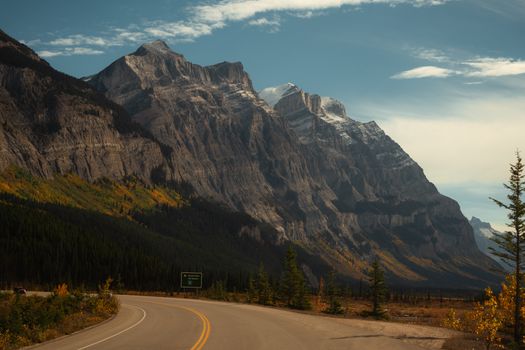 Photo: Luke Miller / Pexels
Winter Wonderland: Snowy Adventures and Serenity
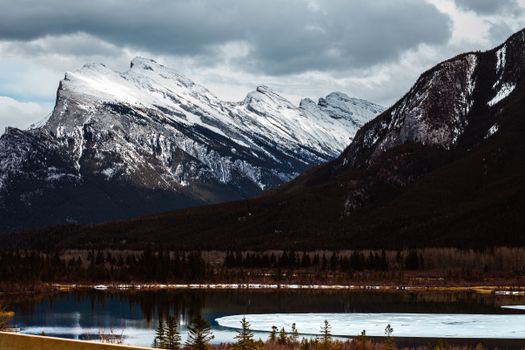 Photo: U.Lucas Dubé-Cantin / Pexels
Planning Your Rockies Trip: Essential Tips for Every Season
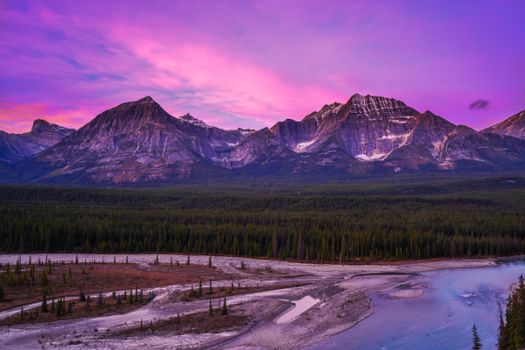 Photo: Nunzio Guerrera / Pexels
Comparison
| Feature | Summer (July-Aug) | Shoulder (May-Jun, Sep-Oct) | Winter (Nov-Apr) |
|---|---|---|---|
| Crowds | Very High | Moderate-Low | Low-Moderate |
| Weather | Warm, Sunny | Variable, Mild | Cold, Snowy |
| Accessibility | All Roads Open | Some High Trails Closed | Some Roads Closed |
| Hiking | ✓ Prime | ✓ Good (Lower Trails) | ✗ Limited (Snowshoeing) |
| Lakes Thawed | ✓ All | Partial-✓ | ✗ Frozen |
| Skiing/Snowboarding | ✗ No | ✗ No | ✓ Prime |
| Wildlife Viewing | ✓ High | ✓ Moderate | ✓ Moderate |
| Cost | High | Medium | Medium-Low |
What Readers Say
"We visited in early September, and it was absolutely perfect. The golden larches were stunning, and the trails were much quieter than I expected. Highly recommend that shoulder season for photographers!"
Sarah J. · Toronto, ON"Summer in Banff and Jasper was everything we dreamed of – bright blue lakes and endless hiking. Yes, it was busy, but the energy was fantastic, and it felt like everyone was just so happy to be there."
Mark D. · Seattle, WA"Our family trip in late June was a huge success. We managed to canoe on Lake Louise and saw a bear cub near the Icefields Parkway. The kids loved it, and the weather was consistently pleasant for exploring."
Emily R. · London, UK"I often go in winter for skiing at Lake Louise. The snow is incredible, and the scenery is breathtaking, but you definitely need to be prepared for the cold. It's a different kind of beauty than summer."
David P. · Calgary, AB"We chose mid-May for our honeymoon, and it was a great choice. Fewer crowds, beautiful melting landscapes, and we got some amazing deals on accommodation. Definitely felt more intimate and special."
Jessica M. · Austin, TXFrequently Asked Questions
What is the absolute best month to visit the Canadian Rockies?
There isn't one 'absolute best' month, as it truly depends on your interests. For classic hiking, turquoise lakes, and full accessibility, July and August are prime. For golden larches, fewer crowds, and crisp weather, mid-September is unbeatable. For skiing and a winter wonderland experience, January and February offer the best snow conditions.
Are the Canadian Rockies accessible year-round?
Yes, the main towns like Banff and Jasper, and major highways, are accessible year-round. However, certain roads (like parts of the Icefields Parkway in extreme conditions), hiking trails, and attractions (like Moraine Lake Road) close seasonally, typically from mid-October to late May or early June due to snow and avalanche risk.
How far in advance should I book my trip to the Canadian Rockies?
For peak summer travel (July-August) and popular winter holidays, it's highly recommended to book accommodations and popular tours 6-12 months in advance. For shoulder seasons, 3-6 months is generally sufficient, but earlier is always better, especially if you have specific preferences.
Is it expensive to visit the Canadian Rockies?
The Canadian Rockies can be expensive, especially during peak summer season. Accommodation, particularly in popular towns like Banff and Lake Louise, can be costly. Traveling during the shoulder seasons (May-June, September-October) or winter can offer better value on lodging and some activities. National park passes are also an ongoing cost to factor in.
How does visiting in summer compare to visiting in winter?
Summer offers warm weather, lush green landscapes, vibrant turquoise lakes, and extensive hiking and water sports. It's bustling and all attractions are open. Winter transforms the region into a snowy paradise, ideal for skiing, snowboarding, ice skating, and snowshoeing, with a quieter, serene atmosphere. Each season provides a dramatically different, yet equally stunning, experience.
Who should visit the Canadian Rockies in the shoulder seasons?
The shoulder seasons (late spring and fall) are ideal for travelers who prefer fewer crowds, more budget-friendly options, and a more serene experience. Hikers who don't mind potentially variable weather or snow on higher trails will love the quiet beauty, and photographers will find stunning opportunities with unique light and seasonal colors.
What are the safety considerations for visiting in winter?
Winter travel requires careful preparation. Always check road conditions before driving, as snow and ice are common. Be prepared for very cold temperatures with appropriate layers. If hiking or snowshoeing in the backcountry, be aware of avalanche risks and consider guided tours or stick to marked, safe trails. Carry emergency supplies in your vehicle.
Will climate change impact the best time to visit the Canadian Rockies?
Climate change is already impacting the Rockies, with earlier snowmelt, increased wildfire risks in summer, and less predictable winter snowfalls. Future trends may shift ideal visiting times, potentially extending shoulder seasons or altering the timing of peak natural phenomena like larch season. It's increasingly important to check current conditions and forecasts close to your travel dates.
Ultimately, the best time to visit the Canadian Rockies aligns with your personal travel style and desired experiences. Whether you crave the bustling summer trails, the serene beauty of autumn larches, or the exhilarating slopes of winter, careful planning ensures an unforgettable journey. Start envisioning your dream Rockies adventure today!