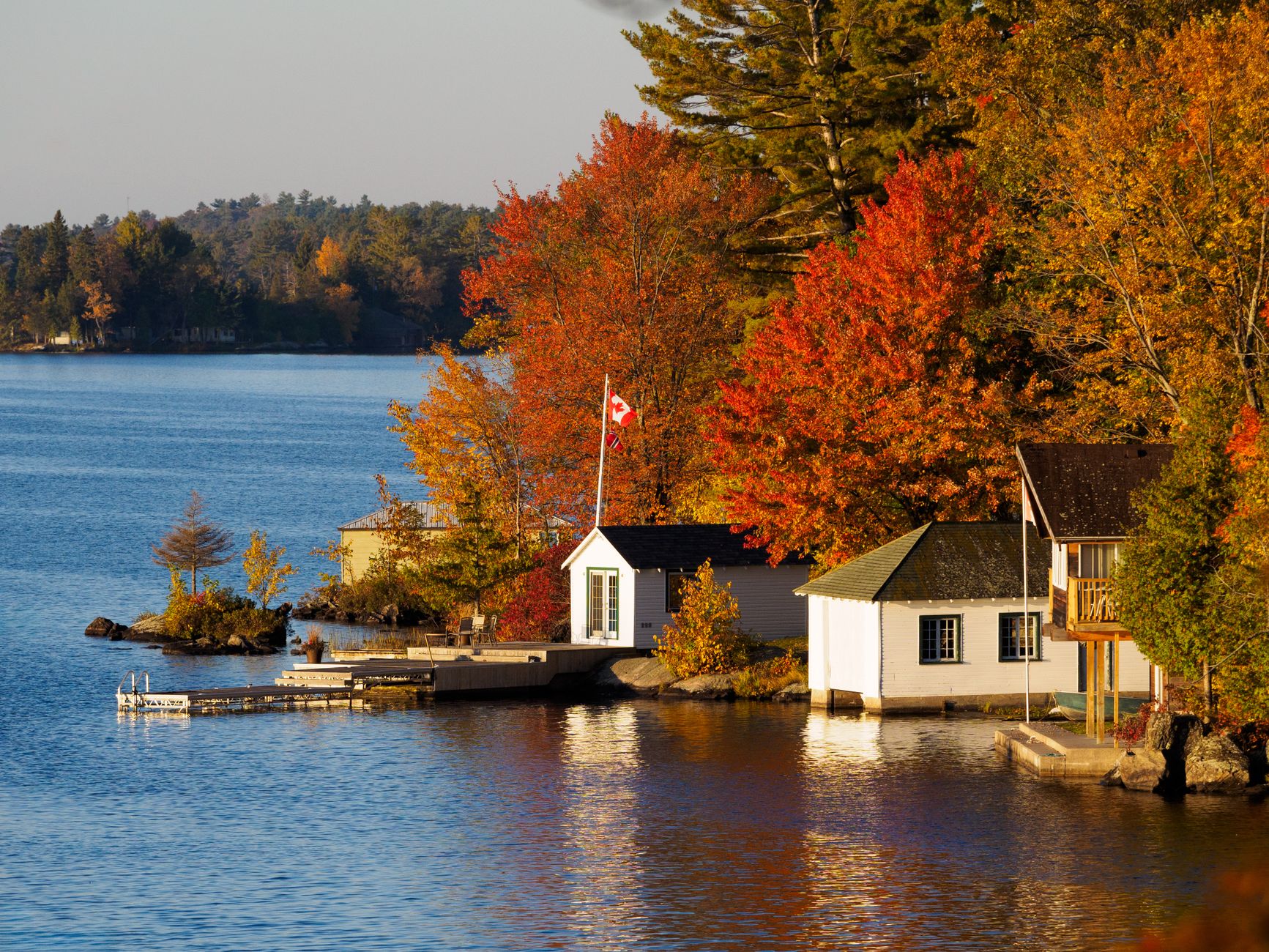
Best Time to Visit Canada for Fall Foliage: Your Ultimate Guide
best time to visit canada for fall foliage

Best Time to Visit Canada for Fall Foliage: Your Ultimate Guide

Unlock the secrets to experiencing Canada's most vibrant autumn spectacle with precise timing and expert tips.

Plan Your Autumn Escape

Key Takeaways

  • ✓ Peak fall foliage varies significantly by region, generally from late September to mid-October.
  • ✓ Eastern Canada (Ontario, Quebec, Maritimes) offers the most renowned fall colour experiences.
  • ✓ Weather plays a crucial role; cool nights and sunny days enhance colour intensity.
  • ✓ Booking accommodations and popular attractions well in advance is essential due to high demand.

How It Works

1
Identify Your Region of Interest

Canada is vast, and fall colours emerge at different times across its provinces. Decide whether you prefer Eastern Canada's classic maple displays or Western Canada's mountain larch scenes.

2
Pinpoint Peak Foliage Windows

Research the historical peak weeks for your chosen region. These are typically late September for northern areas and early to mid-October further south. Flexibility is key as nature is unpredictable.

3
Monitor Local Foliage Reports

As your travel date approaches, consult provincial tourism websites and local park services. Many offer real-time fall colour updates, helping you fine-tune your itinerary for the best viewing.

4
Book Travel & Accommodation Early

Fall foliage season is incredibly popular, especially in prime viewing areas. Secure your flights, rental cars, and hotels months in advance to ensure availability and better rates.

Understanding Canada's Fall Foliage Phenomenon
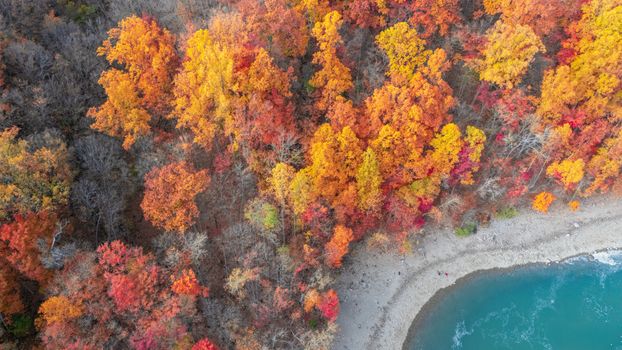
A breathtaking aerial view of colorful autumn foliage along a tranquil lake shore. Photo: Ali Soheil / Pexels
Canada, a land of vast wilderness and diverse ecosystems, transforms into a spectacular tapestry of red, orange, and gold every autumn. This natural phenomenon, known as fall foliage or 'leaf-peeping,' draws visitors from around the globe. The timing and intensity of these colours are not arbitrary; they are a complex interplay of geography, climate, and tree species. Deciduous trees, such as maples, oaks, birches, and aspens, are the stars of this show. Their leaves, which are green during summer due to chlorophyll, begin to lose this pigment as daylight hours shorten and temperatures cool. This unmasks other pigments—carotenoids (yellows and oranges) and anthocyanins (reds and purples)—that were present all along or are produced in response to bright, sunny days and cool, but not freezing, nights. The best time to visit Canada for fall foliage, therefore, hinges on understanding these environmental cues. Generally, the further north you go, and the higher the elevation, the earlier the colours will appear. Conversely, areas closer to large bodies of water or at lower latitudes tend to experience peak colours later. Eastern Canada, particularly the provinces of Ontario, Quebec, and the Maritimes, is globally renowned for its breathtaking autumn displays. The abundance of sugar maples, which turn a brilliant fiery red, orange, and deep crimson, creates landscapes that seem almost painted. Iconic routes like Ontario's 'Agawa Canyon Tour' or Quebec's 'Route des Vins' become world-class scenic drives during this period. In contrast, Western Canada, while equally stunning, offers a different palette. Here, the focus shifts to the golden hues of aspens and the unique, vibrant yellow of larch trees in the Rocky Mountains. The contrast of these golden trees against the turquoise lakes and snow-capped peaks is an unforgettable sight. Forecasting the exact peak week can be challenging, as it varies year to year based on specific weather patterns. A warm, wet summer followed by a dry, cool, sunny autumn with cold (but not freezing) nights is ideal for vibrant colours. Prolonged warmth or early frosts can mute or shorten the display. This unpredictability adds an element of adventure to fall foliage chasing, making it essential for travelers to stay updated on local conditions. Many provincial tourism boards and national parks offer dedicated fall foliage reports as the season approaches, providing real-time information on colour progression. These resources are invaluable for planning your trip to coincide with the most magnificent displays. Planning your itinerary around these regional nuances and monitoring current conditions will significantly enhance your chances of witnessing Canada's autumn splendour at its absolute best. Understanding these fundamental principles is the first step in determining the ideal time for your Canadian adventure. The sheer scale of Canada means that while one region might be past its prime, another could be just beginning its vibrant transformation, offering a prolonged window for exploration.

Regional Breakdown: When and Where to Find Peak Colours
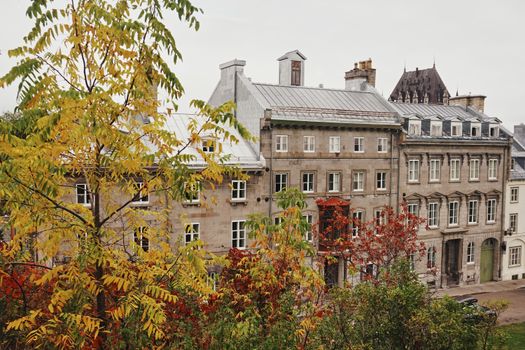
A scenic view of historic buildings framed by vibrant autumn foliage. Photo: Abdel Achkouk / Pexels
To truly pinpoint the best time to visit Canada for fall foliage, a regional approach is critical. Canada's immense size means that autumn's arrival and departure vary widely from province to province, often by several weeks. Understanding these variations is key to planning a successful leaf-peeping excursion. **Eastern Canada (Ontario, Quebec, Maritimes):** This region is arguably the most famous for its fall colours, primarily due to the ubiquitous sugar maples. * **Quebec:** The Laurentian Mountains and the Eastern Townships typically see peak colours from late September to early October. Areas further north, like Saguenay-Lac-Saint-Jean, might start a bit earlier in mid-September. The Gaspesie region, with its coastal beauty, often peaks in early to mid-October. The classic 'Route des Couleurs' through the Eastern Townships is a must-do. * **Ontario:** Algonquin Provincial Park is a world-renowned hotspot, with peak colours generally occurring from the last week of September to the first week of October. The Muskoka region, known for its stunning lakes, follows a similar timeline. Further south, closer to Toronto and Niagara, colours tend to peak in the first two weeks of October. The Agawa Canyon Tour Train in Northern Ontario offers an unparalleled, immersive experience, usually best from late September to early October. * **Maritimes (New Brunswick, Nova Scotia, Prince Edward Island):** These coastal provinces offer a unique blend of ocean scenery and vibrant colours. Peak times generally fall from late September through mid-October. Cape Breton Island's Cabot Trail in Nova Scotia is legendary, often reaching its crescendo in the first two weeks of October. Fundy National Park in New Brunswick also provides spectacular views. **Western Canada (British Columbia, Alberta):** The fall palette here is different, dominated by golden larches and aspens against dramatic mountain backdrops. * **Alberta:** The Canadian Rockies, including Banff, Jasper, and Lake Louise, are famous for their golden larch trees. These high-altitude conifers turn a brilliant yellow for a short window, typically the last two weeks of September. This timing is crucial as it's a fleeting spectacle. Lower elevations might see aspen colours extend into early October. * **British Columbia:** The interior of BC, particularly the Okanagan Valley, sees rich golden hues from late September to mid-October. Coastal BC, including Vancouver Island, has a milder climate, so colours appear later, often through mid to late October, and are generally less widespread than in Eastern Canada. The alpine regions of BC will follow similar larch timelines to Alberta. **Central Canada (Manitoba, Saskatchewan):** While not as widely celebrated for fall foliage as the east, these provinces offer beautiful, albeit different, autumn scenes. Aspen forests turn golden yellow, usually peaking in late September to early October. Riding Mountain National Park in Manitoba is a notable spot. **Northern Canada (Yukon, Northwest Territories):** Fall arrives here much earlier and more intensely, but also very briefly. Tundra plants, dwarf birches, and aspens turn vibrant reds and yellows, often peaking in early to mid-September. This is a short, spectacular window for those seeking an Arctic autumn experience. When planning, always remember that these are averages. Consulting specific provincial tourism websites (e.g., Ontario Parks, Tourism Quebec, Parks Canada) will provide the most up-to-date and localized foliage reports as your travel dates approach. These resources often include 'fall colour trackers' or 'leaf reports' that show the current percentage of colour change and predicted peak times for various regions.

Planning Your Fall Foliage Trip: Logistics and Best Practices
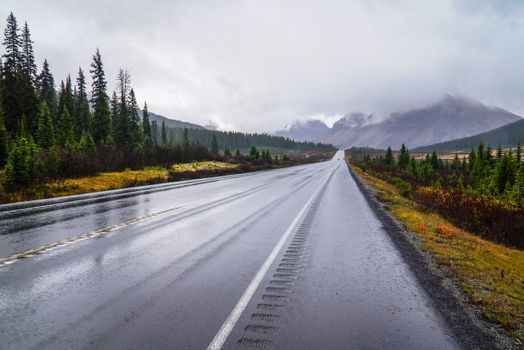
Scenic view of a wet road in Banff National Park, Alberta, with moody clouds. Photo: Nunzio Guerrera / Pexels
Once you've identified the best time to visit Canada for fall foliage in your desired region, the next crucial step is meticulous planning. Due to the immense popularity of this season, especially in prime viewing areas, spontaneity can lead to disappointment. Early booking is not just recommended; it's often essential. **Accommodation:** Hotels, resorts, bed and breakfasts, and even campgrounds in popular fall foliage destinations book up months in advance. Start looking for and reserving your lodging at least 6-9 months ahead, particularly if you plan to visit a renowned spot like Algonquin Park, Quebec's Eastern Townships, or Cape Breton Island. Consider staying slightly outside the immediate hotspots for potentially better availability and value, and then driving into the main viewing areas. Many smaller towns surrounding these popular regions offer charming alternatives. **Transportation:** If you plan on a scenic drive, a rental car is almost a necessity. Again, booking well in advance is critical, as demand for rental vehicles surges during peak fall season. Ensure your chosen vehicle is suitable for the type of roads you'll be traversing, especially if you venture into more rural or mountainous areas. For those looking for a unique experience, consider train journeys like the Agawa Canyon Tour Train, which offers unparalleled views of Northern Ontario's fall colours. These special tours also sell out rapidly. For internal travel, consider domestic flights if covering vast distances between regions, but remember that the true beauty of fall foliage is best appreciated on the ground. **Flexibility and Monitoring:** While historical data gives us a good estimate, nature is unpredictable. The exact peak week can shift by a few days to a week each year due to variations in summer and early autumn weather. Build a little flexibility into your travel dates if possible. More importantly, actively monitor fall foliage reports from provincial tourism boards, national parks, and local weather forecasts in the weeks leading up to your trip. Many websites provide interactive maps and percentages of colour change, allowing you to adjust your itinerary for optimal viewing. Embracing a flexible mindset will allow you to adapt to natural variations and maximize your chances of seeing the most vibrant displays. **Packing Essentials:** Fall weather in Canada can be highly variable. Days might be sunny and mild, but evenings and mornings can be crisp, and weather can change quickly. Pack layers, including warm sweaters, a waterproof and windproof jacket, comfortable walking shoes or hiking boots, and perhaps a hat and gloves, especially if you plan on spending time outdoors. Don't forget your camera, extra batteries, and memory cards, as you'll want to capture every stunning vista. A good pair of binoculars can also enhance your experience, allowing you to spot distant splashes of colour. **Crowd Management:** Be prepared for crowds, especially on weekends and at popular viewpoints. If possible, plan your visits to major attractions on weekdays or very early in the morning to avoid the busiest times. Discovering lesser-known scenic routes or provincial parks can also offer a more tranquil and equally beautiful experience. Many small towns off the main tourist routes will have hidden gems and local charm that are worth exploring. Always respect local regulations, stay on marked trails, and practice Leave No Trace principles to preserve Canada's natural beauty for future visitors. By considering these logistical aspects, you can ensure a smooth and unforgettable fall foliage adventure.

Maximizing Your Fall Foliage Experience: Tips and Common Mistakes to Avoid
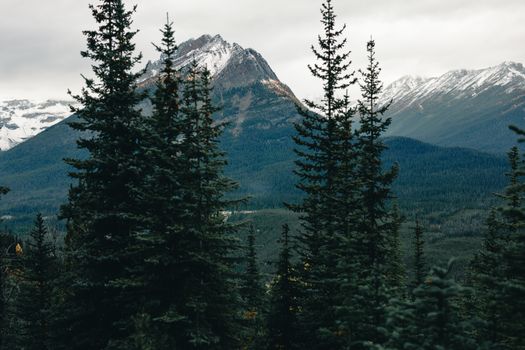
Breathtaking autumn landscape of mountains and pine forest in Canada. Photo: Ali Kazal / Pexels
To truly make the most of your Canadian fall foliage trip, beyond knowing the best time to visit Canada for fall foliage, it's crucial to implement some strategic tips and steer clear of common pitfalls. These insights can elevate your experience from good to absolutely unforgettable. **Tips for an Optimal Fall Foliage Experience:** * **Go Beyond the Car Window:** While scenic drives are fantastic, some of the most breathtaking views are found on foot. Plan for hikes, even short ones, in provincial or national parks. This allows for immersive experiences, discovering hidden viewpoints, and appreciating the intricate details of the changing leaves up close. * **Embrace Water Activities:** Kayaking, canoeing, or even boat tours on lakes and rivers surrounded by vibrant trees offer a unique perspective. The reflections of the autumn colours on calm water are often just as stunning as the trees themselves. * **Visit Local Farms and Markets:** Fall is harvest season! Visiting local farmers' markets, apple orchards, or pumpkin patches not only provides a taste of local culture and produce but also puts you squarely in the heart of rural autumn landscapes. This is particularly enjoyable in regions like Ontario's Niagara-on-the-Lake or Quebec's Eastern Townships. * **Chase the Golden Hour:** Photography enthusiasts know the 'golden hour' (shortly after sunrise and before sunset) casts a magical, warm glow on landscapes. Plan your major photo stops during these times for truly spectacular shots of the fall colours. * **Consider Mid-Week Travel:** If your schedule allows, traveling during the week rather than on weekends can significantly reduce crowds at popular attractions and make for a more peaceful experience. * **Combine with Other Activities:** Fall is also a great time for wildlife viewing (bears foraging, migratory birds), wine touring (in regions like Okanagan or Niagara), or enjoying cozy small-town festivals. **Common Mistakes to Avoid:** * **Underestimating Canadian Distances:** Canada is vast. Don't try to cram too many regions into one trip. Focus on one or two provinces or a specific region to allow for deeper exploration and less time spent driving. * **Ignoring Weather Forecasts:** Fall weather can be unpredictable. A beautiful sunny day can quickly turn chilly or rainy. Always check the forecast and pack layers accordingly. An unexpected early frost can also prematurely end the foliage display in some areas. * **Not Booking in Advance:** As mentioned, accommodations, popular train tours, and even some restaurant reservations get snapped up quickly during peak season. Procrastination can lead to limited options and higher prices. * **Sticking Only to Main Roads:** While major scenic routes are well-known for a reason, venturing onto smaller, less-traveled provincial roads can reveal equally stunning and less crowded vistas. Use local maps or GPS to explore these hidden gems. * **Forgetting Bug Spray (Early Fall):** While not as prevalent as in summer, mosquitoes and black flies can still be present in early fall, especially in wooded or marshy areas. It's better to have bug spray and not need it than the other way around. * **Not Bringing a Camera (or enough storage):** This might seem obvious, but the sheer beauty of Canadian fall can overwhelm your phone's storage quickly. Bring a dedicated camera and plenty of memory, or ensure your phone has ample space for thousands of photos.

Comparison

FeatureEastern Canada (ON, QC, Maritimes)Western Canada (AB, BC)Northern Canada (Yukon, NWT)
Peak Season (General)Late Sept - Mid OctMid Sept - Early OctEarly - Mid Sept
Dominant ColoursFiery Reds, Oranges, GoldsGolden Yellows (Larches, Aspens)Tundra Reds, Golden Yellows
Tree TypesMaples, Oaks, BirchesLarches, Aspens, PoplarsDwarf Birches, Aspens, Tundra
Crowd LevelsVery HighHigh (Larch season)Low to Moderate
Famous LocationsAlgonquin, Cabot Trail, LaurentiansBanff, Jasper, OkanaganDempster Highway, Whitehorse
AccessibilityExcellentGoodChallenging
Photography FocusVibrant forests, scenic drivesGolden trees against mountains/lakesVast landscapes, early snow

What Readers Say

"We followed the guide's advice for late September in Quebec, and the colours were absolutely unreal! Every turn was a postcard. Booking our B&B months ahead truly saved us."

Eleanor Vance · Boston, MA

"The information on the best time to visit Canada for fall foliage led us to Banff in mid-September for the larches. It was a golden wonderland against the turquoise lakes – a truly magical experience."

Mark Jenkins · London, UK

"This article was spot on! We planned our Ontario trip for the first week of October, and Algonquin Park was just exploding with colour. The detailed regional breakdown made all the difference in our planning."

Sophia Rodriguez · Miami, FL

"While the Western Canada timing was accurate for the larches, an unexpected early snowfall in the Rockies meant some trails were closed. Still, the golden trees were stunning, and the advice to monitor local reports was very helpful."

David Chen · Seattle, WA

"As a first-time visitor, understanding the regional differences for fall foliage was crucial. This guide helped me choose the perfect time and location, leading to an unforgettable trip through Nova Scotia's Cabot Trail."

Anya Sharma · Mumbai, India

Frequently Asked Questions

What is the absolute best month to see fall foliage in Canada?

The absolute best month for fall foliage in Canada is generally October, particularly the first two weeks, for the most widespread and vibrant colours in Eastern Canada. However, for Western Canada's larches or Northern Canada's tundra, late September is often peak. It truly depends on the specific region you wish to visit.

Is it too cold to visit Canada for fall foliage?

While fall foliage season means cooler temperatures, it's generally not 'too cold' for visiting. Daytime temperatures can range from mild (10-20°C / 50-68°F) in early fall to crisp (0-10°C / 32-50°F) later in the season. Packing layers is key, and the cooler air often enhances the outdoor experience without being uncomfortable.

How can I predict the exact peak week for fall colours?

Predicting the *exact* peak week is challenging as it varies annually based on weather. However, you can make an educated guess by consulting historical peak data for your chosen region and, more importantly, by monitoring provincial tourism websites (e.g., Ontario Parks, Tourism Quebec) and Parks Canada's fall foliage reports in the weeks leading up to your trip. These often provide real-time updates.

Is fall foliage season in Canada expensive?

Fall foliage season is a highly popular travel period, especially in prime viewing areas, which can lead to higher prices for accommodations and rental cars. Booking well in advance (6-9 months) can help secure better rates. Alternatively, exploring lesser-known areas or traveling mid-week can offer more budget-friendly options.

How does Canadian fall foliage compare to New England's?

Canadian fall foliage, particularly in Eastern provinces like Quebec and Ontario, is often considered comparable to or even more extensive than New England's. Canada boasts larger tracts of untouched wilderness and a higher density of sugar maples, leading to vast, unbroken canvases of brilliant reds and oranges. Western Canada offers a unique, distinct experience with golden larches against mountain backdrops, which differs from New England's deciduous displays.

Who should consider visiting Canada for fall foliage?

Anyone who appreciates natural beauty, enjoys scenic drives, hiking, photography, and wants to experience a truly spectacular seasonal transformation should consider visiting Canada for fall foliage. It's ideal for couples, families, solo adventurers, and nature enthusiasts looking for a vibrant and memorable autumn escape.

Are there any safety concerns during fall foliage season?

Generally, fall foliage season is very safe. The main concerns are related to driving on busy scenic routes, especially on weekends – always drive carefully and watch for wildlife. If hiking, be prepared for changing weather, carry appropriate gear, and inform someone of your plans, especially in remote areas. Always check park advisories for trail conditions.

Will climate change impact the best time to visit Canada for fall foliage?

Yes, climate change is already impacting fall foliage. Warmer temperatures can delay the onset of colours, and extreme weather events (droughts, early frosts) can affect their vibrancy and duration. Scientists are observing shifts, making real-time foliage reports even more crucial for future planning. The overall window for peak colours might slightly shift later in the season over time.

Armed with this comprehensive guide, you now have all the knowledge to plan your perfect Canadian fall foliage adventure. Don't just dream of those vibrant reds and golds; make it a reality by pinpointing the best time to visit Canada for fall foliage and booking your unforgettable autumn escape today.

Topics: best time to visit canada for fall foliagecanadian autumn coloursfall travel canadapeak fall foliage canadawhen to see fall leaves canada
Leo List
Brampton weed
Adultwork