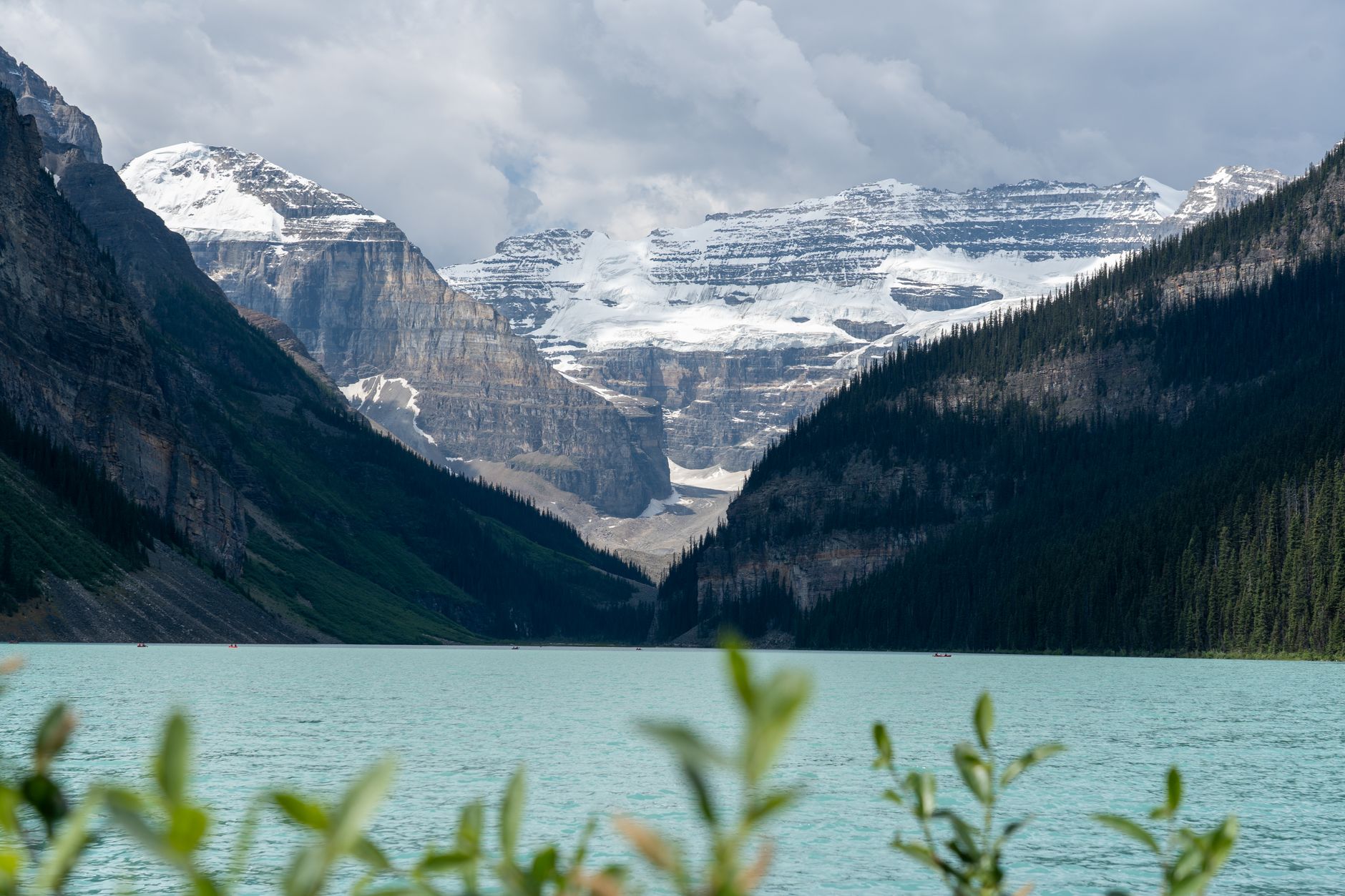
Best Time to Visit Banff National Park: Your Ultimate Guide
Uncover the ideal season for your unforgettable Banff adventure, from serene landscapes to thrilling activities.
Plan Your Banff Trip NowKey Takeaways
- ✓ Peak season (July-August) offers warm weather and full access, but also the largest crowds and highest prices.
- ✓ Shoulder seasons (May-June, September-October) provide a balance of good weather, fewer crowds, and moderate costs.
- ✓ Winter (November-April) is ideal for snow sports, stunning frozen landscapes, and a quieter experience.
- ✓ Wildfire smoke can occasionally impact summer air quality; always check local conditions before arrival.
How It Works
Determine if you prioritize hiking, skiing, photography, wildlife viewing, or simply avoiding crowds. This will significantly narrow down the best times.
Understand the typical temperatures, precipitation, and daylight hours for each season. Summer is warm, winter is cold and snowy, while spring and fall are variable.
Peak season sees astronomical numbers of visitors and higher prices for accommodation and activities. Shoulder seasons and winter offer better value and more tranquility.
Look for local festivals, road closures (like Moraine Lake Road), and wildlife migration patterns that might influence your visit. This ensures you don't miss out or get surprised.
Summer: Peak Beauty and Bustling Activity in Banff
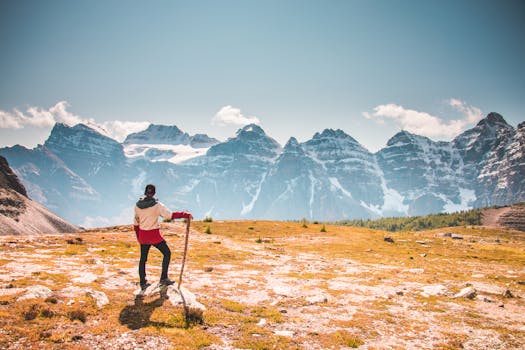 Photo: Jaime Reimer / Pexels
Autumn: Golden Larch Trees and Serene Landscapes
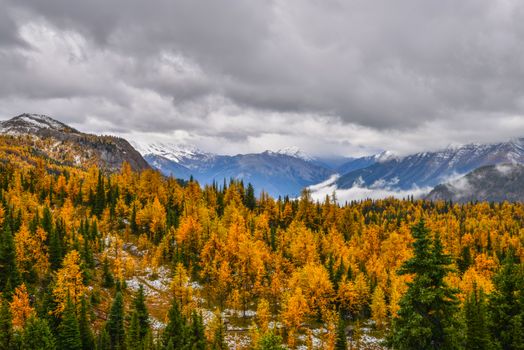 Photo: Nunzio Guerrera / Pexels
Winter Wonderland: Skiing, Snowshoeing, and Icy Beauty
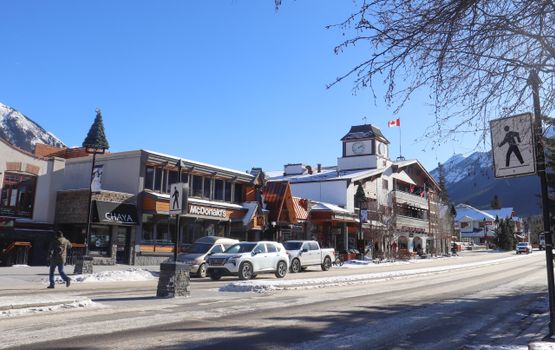 Photo: Claudia Solano / Pexels
Spring: Thawing Lakes and Emerging Wildlife (April-June)
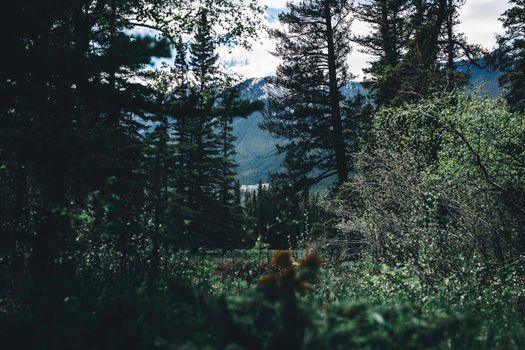 Photo: Ali Kazal / Pexels
Comparison
| Feature | Summer (Jul-Aug) | Autumn (Sep-Oct) | Winter (Nov-Apr) | Spring (Apr-Jun) |
|---|---|---|---|---|
| Weather (Avg. Day Temp) | Warm (20-25°C) | Cool (10-18°C) | Cold (-5 to -15°C) | Mild/Variable (5-15°C) |
| Crowd Levels | Very High | Moderate/Low | Low (except holidays) | Moderate |
| Accommodation Costs | Very High | Moderate/High | Moderate/Low | Moderate |
| Lake Colors (e.g., Lake Louise) | Vibrant Turquoise | Vibrant Turquoise (early Sep), Fading | Frozen/Snow Covered | Frozen/Thawing |
| Hiking Access (High Trails) | Full Access | Good (early Sep), Limited (Oct) | Snowshoeing/Skiing Only | Limited/Muddy |
| Skiing/Snowboarding | ✗ | ✗ | ✓ (Excellent) | ✓ (Late Season) |
| Larch Viewing | ✗ | ✓ (Peak Mid-Sep) | ✗ | ✗ |
| Wildlife Viewing | Good | Excellent | Good | Excellent |
| Photography Opportunities | Iconic Lakes | Golden Larch, Fewer Crowds | Snowy Landscapes, Ice | Thawing, Wildflowers, Wildlife |
What Readers Say
"We visited Banff in mid-September and it was absolutely perfect! The golden larches were breathtaking, and the trails were much less crowded than I expected. We got stunning photos of Lake Louise without fighting for a spot."
Sarah J. · Seattle, WA"For serious hiking and canoeing, July was the best time to visit Banff National Park. Yes, it was busy, but the weather was fantastic, and every trail was open. We just made sure to get to Moraine Lake before sunrise and it paid off!"
Mark D. · Toronto, ON"Our family trip in February was magical. The kids loved learning to ski at Sunshine Village, and skating on Lake Louise was an unforgettable experience. It felt like a true winter wonderland and the crowds were minimal."
Emily R. · London, UK"We went in early June, and while some higher trails were still muddy, it was a great balance. We saw lots of wildlife, and got some amazing shots of Lake Louise with floating ice. Just be prepared for variable weather and dress in layers."
David L. · Calgary, AB"If you're a photographer, the best time to visit Banff National Park is definitely early October. The golden hour light on the autumn colours was incredible, and we found parking much easier. Just remember some attractions start closing for the season."
Jessica M. · Boston, MAFrequently Asked Questions
What is the absolute best month to visit Banff National Park?
There isn't one 'absolute best' month, as it highly depends on your interests. For warm weather and hiking, July and August are ideal. For golden larches and fewer crowds, mid-September is superb. For skiing and winter activities, February and March offer excellent snow conditions.
Is Banff too crowded in summer?
Yes, Banff can be extremely crowded in July and August, especially at popular spots like Lake Louise and Moraine Lake. Expect significant traffic, packed parking lots, and long lines for attractions. Planning ahead, using shuttles, and visiting popular spots early in the morning or late in the afternoon can help mitigate this.
How do I avoid crowds when visiting Banff?
To avoid crowds, consider visiting during the shoulder seasons (May-June or September-October) or in winter (November-April). Arrive at popular viewpoints and trailheads early in the morning (before 8 AM) or late in the afternoon. Explore lesser-known trails and areas, and utilize public transit or shuttle services where available.
What are the costs like in Banff during different seasons?
Costs for accommodation and some activities are highest during peak summer (July-August) and around major holidays (Christmas/New Year's, long weekends). Shoulder seasons (May-June, September-October) offer slightly better value. Winter (excluding holidays) generally provides the best deals on lodging and services, especially for non-skiing visitors.
When do the lakes in Banff (e.g., Lake Louise) turn turquoise?
The iconic turquoise color of glacial lakes like Lake Louise and Moraine Lake typically appears when the ice fully melts and glacial rock flour suspended in the water reflects the light. This usually happens from late May or early June and lasts through September. In some years, ice can linger on Lake Louise into early June.
Who should visit Banff in winter?
Winter in Banff is perfect for avid skiers, snowboarders, ice skaters, and snowshoers. It's also ideal for photographers seeking dramatic snowy landscapes, and travelers who prefer a quieter, more serene experience of the park without the summer crowds. Just be prepared for cold temperatures and winter driving conditions.
What are the risks of visiting Banff in the shoulder seasons?
The main risks in shoulder seasons (spring and fall) are unpredictable weather, which can include sudden snowfalls, rain, or rapid temperature changes. Many higher-elevation trails may still be closed due to snow or mud, and some seasonal attractions might not yet be open or have closed for the year. Always check current conditions.
Will climate change impact the best time to visit Banff in the future?
Climate change is already impacting Banff, leading to earlier glacier melt, potentially longer wildfire seasons, and more variable weather patterns. Future visitors might see earlier lake thaws, extended shoulder seasons, and a need to be more adaptable with their plans, especially regarding smoke advisories in summer.
Choosing the best time to visit Banff National Park hinges on your personal preferences and priorities. Whether you dream of vibrant turquoise lakes, golden larch forests, or pristine ski slopes, this guide empowers you to plan an unforgettable adventure tailored to your ideal season. Start planning your perfect Banff getaway today!