✓ Summer (June-August) offers warm weather, peak accessibility, and vibrant turquoise lakes, but also the largest crowds and highest prices.
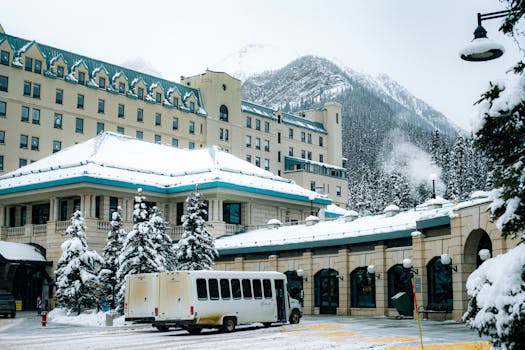
✓ Winter (December-March) transforms Banff into a snowy wonderland, ideal for skiing, snowboarding, and ice skating, with fewer crowds than summer.
✓ Spring (April-May) is a shoulder season with thawing landscapes, fewer tourists, and opportunities for early hiking and wildlife viewing.
✓ Fall (September-November) showcases stunning golden larches, cooler temperatures, and a peaceful atmosphere, perfect for photography and quiet exploration.
How It Works
1
Define Your Adventure Style
Are you chasing summer hikes, winter sports, vibrant fall colors, or serene spring wildlife? Your preferred activities will heavily influence the ideal timing.
2
Consider Crowd Tolerance & Budget
High season (summer) means more people and higher costs for accommodation and activities. Shoulder seasons offer a balance, while winter can be more budget-friendly for non-ski activities.
3
Assess Weather & Road Conditions
Banff's weather varies dramatically by season. Summer is reliably warm, but expect snow and icy roads in winter, and variable conditions in spring and fall. Always check forecasts.
4
Book Accommodations & Activities Early
Regardless of the season, Banff is a popular destination. Secure your lodging, popular tours, and even dining reservations well in advance, especially during peak times.
Summer in Banff National Park: Peak Beauty and Buzz (June-August)
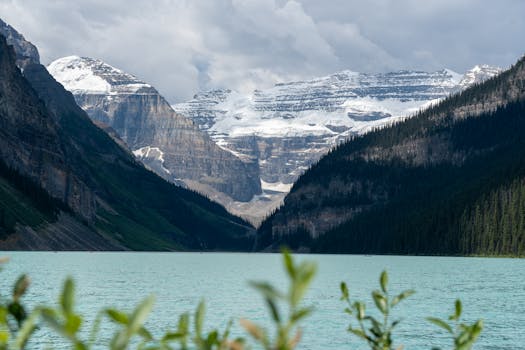
Photo: Ryan Beirne / Pexels
Summer in Banff National Park, spanning from June to August, is unequivocally the most popular time to visit, and for good reason. During these months, the park bursts into full bloom, showcasing its iconic landscapes in their most vibrant and accessible forms. The weather is generally warm and sunny, with average daytime temperatures ranging from 20-25°C (68-77°F), though evenings can still be cool, so layering is always a good idea. This period offers the longest daylight hours, allowing for extended exploration and maximizing your time outdoors. The crown jewels of Banff, its turquoise glacial lakes like Lake Louise and Moraine Lake, reach their most brilliant hues as the glacial meltwater carries fine rock flour into their basins. All hiking trails, from easy lakeside strolls to challenging alpine treks, are typically snow-free and open, providing unparalleled access to the park's breathtaking backcountry. This is the prime season for classic Banff activities such as canoeing on Lake Louise, hiking to Johnston Canyon's waterfalls, exploring the Icefields Parkway, and wildlife viewing, with bears, elk, and deer frequently spotted. Rafting, mountain biking, and horseback riding are also in full swing. However, this peak season comes with its own set of considerations. Expect significant crowds at popular viewpoints, trailheads, and in the townsites of Banff and Lake Louise. Accommodation prices soar, and availability becomes extremely limited, often requiring bookings many months in advance. Traffic on the main roads can be heavy, and parking at popular spots fills up quickly, sometimes requiring early morning arrivals or utilizing the park's efficient shuttle services. Despite the bustling atmosphere, the sheer beauty and range of activities make summer an irresistible choice for many. If your primary goal is to experience the quintessential Banff postcard scenes – the brilliant lakes, accessible trails, and warm weather – then summer is undoubtedly the best time to visit Banff National Park. To make the most of a summer trip, consider visiting popular spots early in the morning or later in the evening to avoid the thickest crowds, or explore some of the lesser-known but equally stunning trails. Don't forget bug spray, especially if you plan to spend time near water or in the forests. Discover more about planning your perfect summer adventure in the Rockies.
From December through March, Banff National Park transforms into a breathtaking winter wonderland, offering a completely different yet equally enchanting experience. The landscape is blanketed in pristine snow, the air is crisp, and the atmosphere is often more serene compared to the bustling summer months. Temperatures during winter typically range from -5°C to -15°C (23°F to 5°F), though colder snaps are common, sometimes dropping well below -20°C (-4°F). Proper winter clothing, including warm layers, waterproof outer shells, hats, gloves, and insulated boots, is absolutely essential. This season is a paradise for winter sports enthusiasts. Banff is home to three world-class ski resorts: Sunshine Village, Lake Louise Ski Resort, and Mt. Norquay, collectively known as SkiBig3. These resorts offer diverse terrain for all skill levels, from gentle slopes to challenging runs, accompanied by stunning mountain views. Beyond downhill skiing and snowboarding, visitors can enjoy cross-country skiing on groomed trails, ice skating on frozen lakes like Lake Louise or Johnson Lake, snowshoeing through silent forests, and ice climbing on frozen waterfalls. Dog sledding and fat biking are also popular activities. While many hiking trails become inaccessible or require specialized equipment like snowshoes or microspikes, some lower elevation paths remain navigable and offer unique winter perspectives. Wildlife viewing in winter can be particularly rewarding, as animals are often easier to spot against the white backdrop, though some species may be in hibernation. Elk and bighorn sheep are commonly seen. The iconic glacial lakes, while frozen and snow-covered, still hold a certain majestic beauty, with ice skating on Lake Louise being a quintessential winter experience. Winter also generally sees fewer crowds than summer, especially outside of the Christmas and New Year's holiday periods and school breaks. This translates to more readily available accommodations, often at lower prices, and a more peaceful experience at popular sites. However, it's crucial to be prepared for winter driving conditions, which can include snow, ice, and reduced visibility. Winter tires are highly recommended or legally required on certain routes. Some roads, such as the full length of the Icefields Parkway, remain open but require careful navigation, while others, like the road to Moraine Lake, close completely for the season. If you dream of snow-covered peaks, exhilarating winter sports, and a cozy, festive atmosphere, then winter is the best time to visit Banff National Park for you.
Shoulder Seasons: Spring's Awakening & Autumn's Golden Glow
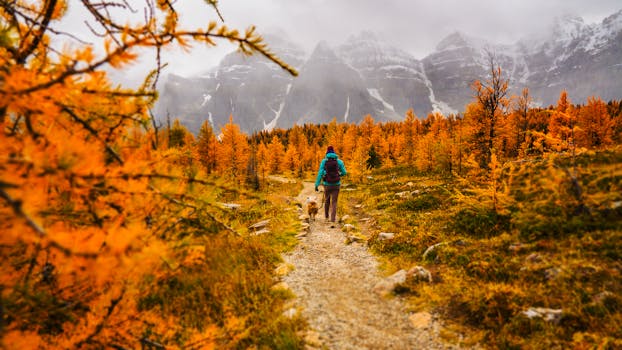
Photo: Joshua Woroniecki / Pexels
The shoulder seasons of spring (April-May) and fall (September-November) offer unique advantages for visiting Banff, characterized by fewer crowds, often more moderate prices, and distinct natural beauty. These periods are a fantastic choice for those seeking a balance between accessibility and tranquility. Spring in Banff is a time of awakening and transition. April sees the snow beginning to melt, revealing the landscape beneath. Temperatures gradually rise from just above freezing to around 10-15°C (50-59°F) by late May. While many higher elevation trails are still snow-covered and closed, lower elevation hikes become accessible, and the park's rivers and waterfalls surge with meltwater. Wildlife, including bears emerging from hibernation, elk, and various bird species, becomes more active, making it an excellent time for wildlife viewing. Lake Louise and Moraine Lake typically begin to thaw in late May or early June, offering a captivating mix of ice and nascent turquoise waters. This period is ideal for those who enjoy a quieter atmosphere and don't mind variable weather conditions, which can range from sunny days to late-season snowfalls. It's a prime time for road biking as many scenic routes are open but less busy. Fall, from September to November, is arguably one of the most visually stunning times to visit Banff. The most iconic feature of autumn in Banff is the transformation of the larch trees, coniferous trees that shed their needles after turning a brilliant golden yellow. The Larch Valley hike near Moraine Lake is particularly famous for this spectacle, though many other trails also offer incredible golden foliage. Temperatures are crisp and cool, typically ranging from 5-15°C (41-59°F) in September and early October, gradually dropping towards freezing by November. The air is often clear, providing excellent visibility for photography. While the summer crowds begin to dissipate after Labour Day, early fall still draws many visitors eager to witness the larches, so popular spots can still be busy. By late October and November, the park becomes significantly quieter, with the first snowfalls often dusting the mountain tops, signaling the approach of winter. Many summer activities wind down, but hiking remains popular until snow cover becomes too deep. This season is perfect for photographers, nature lovers, and anyone seeking a peaceful, reflective experience amidst spectacular natural beauty. Explore more about seasonal changes and activities in the Canadian Rockies. Both spring and fall require flexible planning and preparedness for changing weather, but they reward visitors with unique perspectives of Banff National Park that are less crowded and equally memorable.
Planning Your Banff Trip: Tips for Every Season
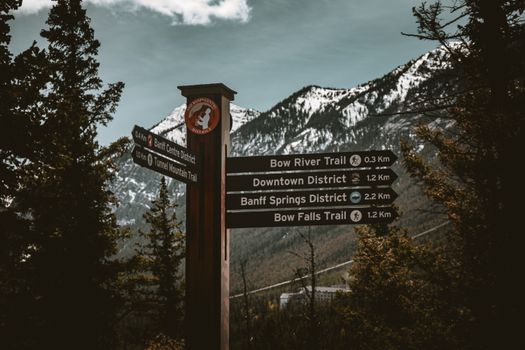
Photo: Tejvinder Singh / Pexels
Choosing the best time to visit Banff National Park is just the first step; successful planning requires attention to detail regardless of the season. Here are some essential tips to ensure a smooth and enjoyable trip:
* **Book Accommodations Early:** This cannot be stressed enough. Banff is incredibly popular, and hotels, lodges, and campsites fill up months in advance, especially for summer and holiday periods. For peak summer, aim to book 6-12 months ahead. For shoulder seasons, 3-6 months is advisable.
* **Park Pass Requirements:** All visitors to Banff National Park require a Parks Canada Discovery Pass or a daily park pass. You can purchase these online in advance or at the park gates upon arrival. Display it clearly in your vehicle.
* **Check Road Conditions & Closures:** This is particularly crucial for winter and shoulder seasons. The Trans-Canada Highway (Hwy 1) is generally open year-round, but side roads can close due to snow, ice, or avalanche risk. Check 511 Alberta and Parks Canada websites for up-to-date information. The road to Moraine Lake, for example, is closed to vehicle traffic from mid-October to late May/early June.
* **Pack Layers:** Banff's mountain weather is notoriously unpredictable and can change rapidly, even within a single day. Always pack layers, including waterproof and windproof outerwear, regardless of the season. Even in summer, evenings can be cool.
* **Wildlife Safety:** Banff is home to abundant wildlife, including bears (grizzly and black), elk, and cougars. Carry bear spray (and know how to use it) when hiking, make noise on trails, and never approach or feed wildlife. Store food properly. Observe from a distance.
* **Utilize Shuttles & Public Transport:** Especially in summer, parking at popular spots like Lake Louise and Moraine Lake can be extremely challenging or impossible. Parks Canada and Roam Transit offer excellent shuttle services that can save you a lot of hassle. Plan to use them.
* **Stay Hydrated & Sun-Protected:** The mountain air can be dry, and the sun's UV rays are stronger at higher altitudes. Drink plenty of water and use sunscreen, even on cloudy days. Sunglasses are also a must.
* **Be Flexible:** While planning is key, be prepared for unexpected weather changes or trail closures. Having a backup plan for activities can make your trip more enjoyable.
* **Leave No Trace:** Help preserve Banff's natural beauty by packing out everything you pack in, staying on marked trails, and respecting wildlife.
By keeping these tips in mind, you can maximize your enjoyment and ensure a responsible, memorable visit to Banff National Park, no matter when you choose to go.
Comparison
Feature
Summer (June-Aug)
Fall (Sept-Nov)
Winter (Dec-Mar)
Spring (Apr-May)
Crowds
Very High
Moderate-High
Low-Moderate
Low-Moderate
Weather
Warm & Sunny
Cool & Crisp
Cold & Snowy
Mild & Variable
Lake Colors
Vibrant Turquoise
Deep Blue
Frozen/Snow
Thawing/Ice
Hiking Trails
Mostly Open
Mostly Open (lower)
Snowshoe/XC Ski
Thawing (lower)
Skiing/Snowboarding
✗
Late Season Prep
✓
✓ (Spring Skiing)
Wildlife Viewing
Good
Excellent
Good (against snow)
Excellent (bears emerge)
Accommodation Cost
Highest
High
Moderate
Moderate
Larch Viewing
✗
✓ (Sept-Early Oct)
✗
✗
What Our Readers Say
5★★★★★
"Visiting Banff in late September was pure magic. The golden larches were breathtaking, and while it was cool, the trails weren't too crowded. It felt like we had the mountains almost to ourselves for some incredible photos."
Sarah J.Seattle, WA
5★★★★★
"We went in mid-July, and the weather was perfect for hiking and canoeing on Lake Louise. Yes, it was busy, but the vibrant turquoise lakes were absolutely worth navigating the crowds. Book everything way in advance!"
Mark D.Toronto, ON
5★★★★★
"Our family trip in February for skiing was fantastic. The slopes were incredible, and seeing Lake Louise completely frozen over for ice skating was a highlight. We saved a bit on accommodation compared to summer too."
Emily R.London, UK
4★★★★☆
"Early May in Banff offered a unique charm. Some trails were still muddy or snowy, but we saw so much wildlife and enjoyed the quieter atmosphere before the summer rush. Just be prepared for all types of weather."
David C.Calgary, AB
5★★★★★
"I've been to Banff in every season, and honestly, there's no bad time. But for me, the vibrant colors and cooler temperatures of early October are unbeatable for photography and peaceful hikes. It's truly special."
Jessica L.Vancouver, BC
Frequently Asked Questions
What is the absolute best time to visit Banff National Park for first-timers?
For most first-time visitors seeking the iconic turquoise lakes, extensive hiking, and warm weather, late June to early September is generally considered the best. While it's the busiest period, it offers the most accessible trails and consistently pleasant conditions for a classic Banff experience.
Is Banff National Park too crowded in summer?
Yes, summer in Banff National Park is extremely popular and can be very crowded, especially at iconic locations like Lake Louise, Moraine Lake, and Johnston Canyon. However, with strategic planning, early morning visits, utilizing shuttles, and exploring less-known trails, you can still have an incredible experience.
How do I avoid crowds when visiting Banff?
To avoid crowds, consider visiting during the shoulder seasons (late April to early June or late September to early November) or in winter. If visiting in summer, aim for early mornings or late afternoons, utilize public transit and park shuttles, and explore trails slightly off the main tourist path. Weekdays are generally less busy than weekends.
What are the typical costs of visiting Banff in different seasons?
Accommodation and activity costs are generally highest in summer (June-August) and during major holiday periods (e.g., Christmas, Spring Break). Fall (Sept-Oct) is still relatively high due to larch season. Winter (Nov-March, excluding holidays) and spring (April-May) typically offer more moderate prices for lodging, though ski passes add to winter costs.
Is it better to visit Banff in the spring or fall?
Choosing between spring and fall depends on your preferences. Spring (April-May) offers thawing landscapes, active wildlife, and fewer crowds before summer. Fall (September-November) provides stunning golden larch trees, crisp air, and excellent hiking, with peak larch season (late Sept-early Oct) being very popular for its visual splendor.
Who would enjoy visiting Banff in the winter?
Winter in Banff is perfect for ski and snowboard enthusiasts, cross-country skiers, ice skaters, snowshoers, and anyone who loves a serene, snow-covered landscape. It's also ideal for those seeking a festive holiday atmosphere, cozy lodge experiences, and fewer crowds than the summer months.
What are the safety concerns when visiting Banff National Park?
Safety concerns include wildlife encounters (especially bears, elk, cougars), changeable mountain weather, avalanche risks in winter/spring (especially in backcountry), and slippery conditions on trails or roads. Always be prepared, carry bear spray, check trail and weather conditions, and inform someone of your plans.
Will climate change affect the best time to visit Banff National Park in the future?
Climate change is already impacting Banff, leading to shorter winter seasons, earlier snowmelt, and potentially longer wildfire seasons. In the future, this might shift the 'best' times, with earlier springs and potentially extended shoulder seasons becoming more prominent, while peak summer could see hotter, drier conditions.
Ultimately, the best time to visit Banff National Park is the one that aligns perfectly with your desired activities, tolerance for crowds, and budget. Whether you crave vibrant summer hikes, golden autumn views, or a snowy winter wonderland, Banff offers an unforgettable experience year-round. Start planning your personalized adventure today!