
When is the best time to visit Banff? Your ultimate guide
Unlock Banff's magic, whether you seek winter wonderland adventures or vibrant summer hikes.
Plan Your Banff TripKey Takeaways
- ✓ Summer (June-August) offers warm weather, turquoise lakes, and peak hiking, but also the largest crowds and highest prices.
- ✓ Winter (December-March) transforms Banff into a ski and snowboard paradise with stunning snowscapes.
- ✓ Shoulder seasons (April-May, September-November) provide fewer crowds and better value, with unique transitional beauty.
- ✓ Banff's weather can be unpredictable; always pack layers regardless of the season.
How It Works
Before picking dates, decide what experiences are most important to you: skiing, hiking, wildlife, or serene solitude? This clarity will guide your seasonal choice.
Each season in Banff brings distinct activities, landscapes, and crowd levels. Research what's open and accessible during your preferred time of year.
Peak seasons mean higher costs for flights and accommodation. If budget is a concern, consider shoulder seasons for better value and fewer people.
Regardless of when you go, Banff is a popular destination. Book accommodation and popular activities well in advance, and pack appropriate clothing for mountain weather.
Summer in Banff: Peak Beauty, Peak Crowds (June - August)
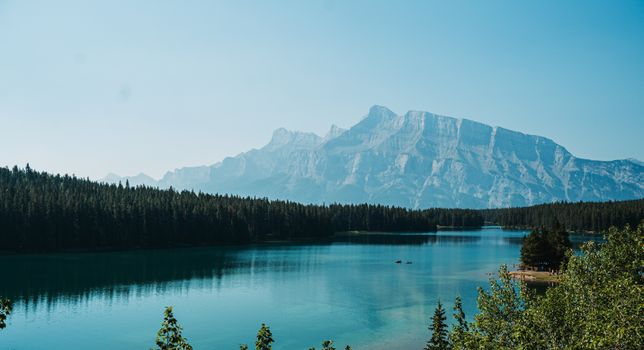 Photo: Jacob Postuma / Pexels
Winter Wonderland: Skiing, Snowboarding, and Serenity (December - March)
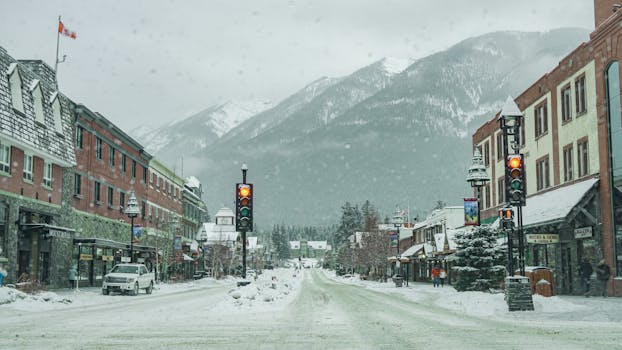 Photo: Jared VanderMeer / Pexels
Shoulder Seasons: Value, Fewer Crowds, Unique Charm (April - May & September - November)
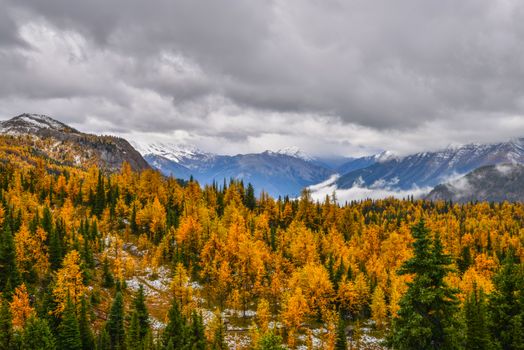 Photo: Nunzio Guerrera / Pexels
Making Your Choice: Key Considerations and Smart Tips
 Photo: Ali Kazal / Pexels
Comparison
| Feature | Summer (June-Aug) | Winter (Dec-Mar) | Spring (Apr-May) | Autumn (Sep-Nov) |
|---|---|---|---|---|
| Crowd Levels | Very High | Moderate-High | Low-Moderate | Moderate |
| Weather (Avg Temp) | Warm (20-25°C) | Cold (-5°C to -15°C) | Cool (5-15°C) | Cool (0-15°C) |
| Lake Colors | Vibrant Turquoise | Frozen/Snow-covered | Thawing/Grey | Deep Blue |
| Hiking Accessibility | Excellent (all trails) | Limited (snowshoe/ski) | Mixed (lower trails) | Good (most trails) |
| Skiing/Snowboarding | ✗ | ✓ | ✓ (late season) | ✓ (late Nov) |
| Wildlife Viewing | High | Moderate | High | High |
| Larch Colors | ✗ | ✗ | ✗ | ✓ |
| Cost | Highest | High (holidays) | Lowest | Medium-High |
What Readers Say
"We visited Banff in late September, specifically for the larch season, and it was absolutely magical. The golden trees against the snowy peaks were breathtaking, and the crowds were manageable compared to what I'd heard about summer. Highly recommend this time for photographers!"
Sarah J. · Seattle, WA"Our family trip in July was everything we hoped for. The kids loved kayaking on Lake Louise and the endless hiking options. Yes, it was busy, but we booked our shuttles and accommodations far in advance, which made all the difference. The weather was perfect for exploring."
Mark D. · Toronto, ON"Choosing to visit Banff in January was the best decision. The skiing at Lake Louise was phenomenal, and the town felt so cozy and festive with all the snow. It truly felt like stepping into a winter wonderland, and we even saw elk right in town!"
Elena R. · London, UK"We went in early May, and while some higher trails were still snowed in, the lower elevation hikes were beautiful, and we practically had them to ourselves. The lakes were still thawing, but the peace and quiet made up for it. Great for a budget-friendly, serene trip."
David L. · Calgary, AB"As an avid hiker, I aimed for August, and it did not disappoint. Every trail was open, the wildflowers were incredible, and the long daylight hours meant we could pack so much in. Just be prepared for the crowds, but the natural beauty is worth every moment."
Jessica M. · Sydney, AUSFrequently Asked Questions
What is the absolute best month to visit Banff for hiking and scenic lakes?
The absolute best months for hiking and experiencing Banff's iconic turquoise lakes at their peak are July and August. During this period, all hiking trails are typically open, the weather is warm and sunny, and the glacial lakes display their most vibrant colours. However, these months also see the highest number of visitors and prices.
Is Banff too crowded in the summer, and can I still enjoy it?
Banff is indeed very crowded in the summer, particularly July and August. However, you can absolutely still enjoy it by planning ahead: book accommodations and popular attractions (like shuttle services to Moraine Lake) months in advance, visit popular spots early in the morning or late in the afternoon, and explore lesser-known trails or areas for a more tranquil experience.
How can I experience Banff's unique winter magic without skiing?
You can experience Banff's winter magic without skiing through various activities. Enjoy ice skating on frozen Lake Louise, take a magical ice walk through Johnston Canyon, go snowshoeing on scenic trails, try dog sledding, or simply explore the festive Banff townsite. The dramatic snow-covered landscapes alone are worth the visit.
Is it cheaper to visit Banff during the shoulder seasons?
Yes, it is generally cheaper to visit Banff during the shoulder seasons (April-May and September-November) compared to peak summer. Accommodation and flight prices tend to be lower, and you'll often find better deals. Spring, in particular, can offer the most budget-friendly options before the summer rush begins.
How does Banff compare to Jasper National Park in terms of best visiting times?
Both Banff and Jasper share similar seasonal patterns for their 'best' visiting times, with summer being peak for hiking and lakes, and winter for skiing. However, Jasper generally experiences slightly fewer crowds than Banff in all seasons, offering a more tranquil experience. The Icefields Parkway connecting them is best driven in summer or early fall for optimal conditions and views.
Who should consider visiting Banff during the spring or fall?
Visitors who prioritize fewer crowds, better value, and a unique transitional landscape should consider visiting Banff during spring (April-May) or fall (September-November). These seasons are perfect for photographers, nature lovers seeking tranquility, and those who enjoy a mix of activities without the summer rush, especially for witnessing the golden larches in autumn.
What are the safety considerations for visiting Banff in winter?
Safety considerations for winter in Banff include extreme cold, icy conditions, and potential avalanches. Always dress in warm layers, wear appropriate winter footwear, and ensure your vehicle has proper winter tires. Check Parks Canada's website for road conditions, trail closures, and avalanche forecasts if venturing into the backcountry. Stick to marked trails and areas.
Will climate change impact the best time to visit Banff in the future?
Climate change is already impacting Banff, with observed changes in snowpack, glacier melt, and wildfire seasons. In the future, this could mean shorter ski seasons, longer periods of wildfire smoke affecting summer air quality and visibility, and earlier thawing of lakes. Visitors might need to increasingly adapt to earlier shoulder seasons or be prepared for more variable weather patterns.
Whether you dream of sun-drenched hikes, sparkling turquoise lakes, or a magical winter wonderland, Banff National Park offers an unforgettable experience in every season. By understanding the unique charm and considerations of each period, you can confidently choose the best time to visit Banff and craft the adventure of a lifetime. Start planning your perfect Canadian Rockies getaway today!