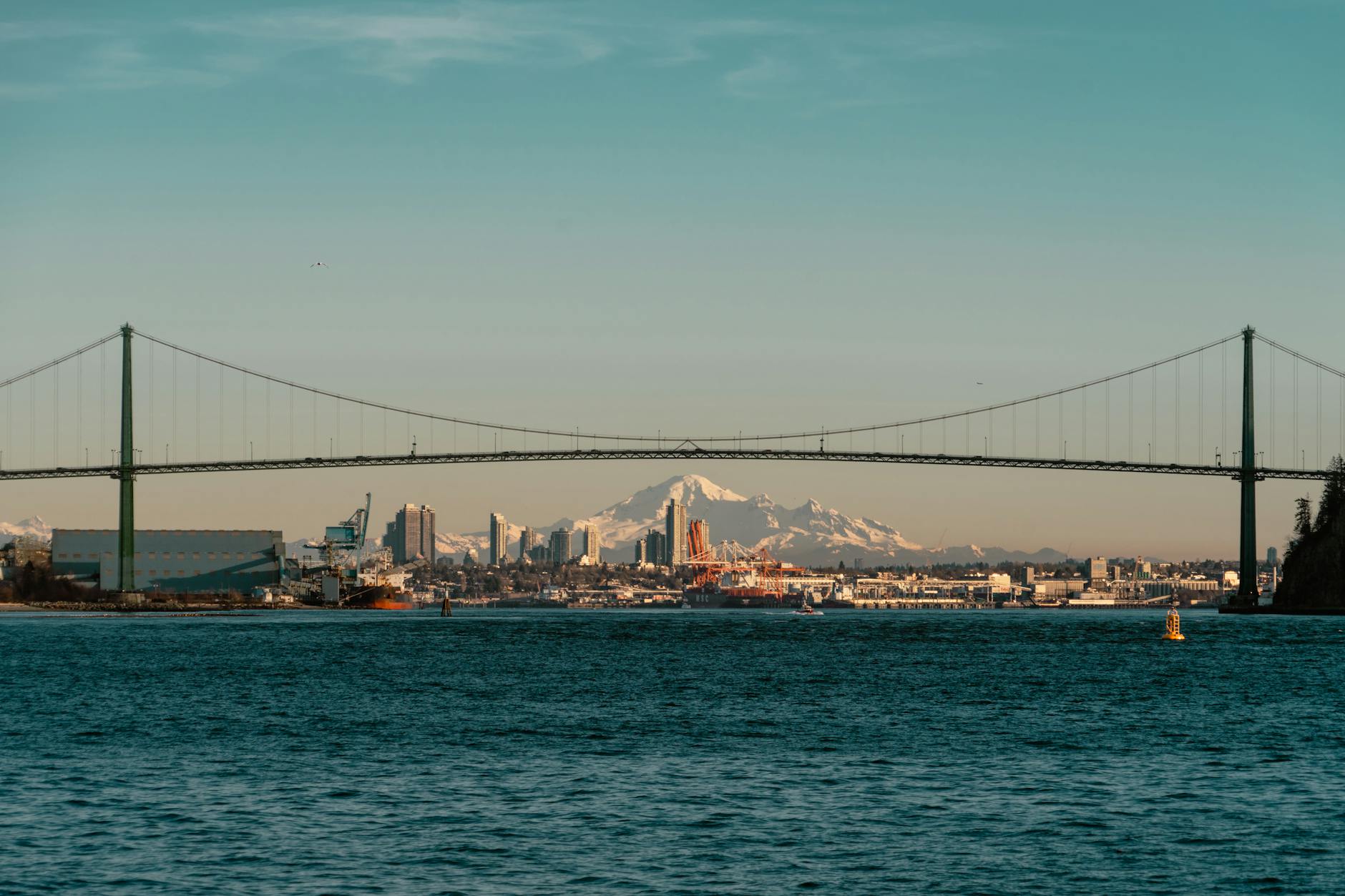
Uncover the Best Time to Visit Vancouver
Unlock Vancouver's magic: choose your ideal season for vibrant city life, stunning nature, and unforgettable experiences.
Plan Your Vancouver AdventureKey Takeaways
- ✓ Summer (July-August) offers the warmest, driest weather, ideal for outdoor activities.
- ✓ Spring (April-June) and Fall (September-October) provide pleasant temperatures, fewer crowds, and vibrant scenery.
- ✓ Winter (November-March) is wet but offers unique urban and mountain activities, including skiing.
- ✓ Vancouver rarely experiences extreme heat or cold, thanks to its coastal location.
- ✓ Peak tourist season is July and August, leading to higher prices and more crowded attractions.
How It Works
Consider what you want most from your Vancouver trip: warm weather, skiing, fewer crowds, specific festivals, or budget travel. Your priorities will heavily influence the best season for you.
Familiarize yourself with Vancouver's distinct seasons. Summer is warm and dry, fall and spring are mild and often rainy, and winter is cool and wet, with snow in higher elevations.
Research which activities are best suited for each season. Hiking, beach visits, and kayaking are perfect for summer, while skiing and cozy indoor experiences shine in winter.
Peak season (summer) means higher prices and more people. Shoulder seasons (spring/fall) offer a balance of good weather, fewer crowds, and better deals, while winter can be the most budget-friendly.
Understanding Vancouver's Climate and Seasons
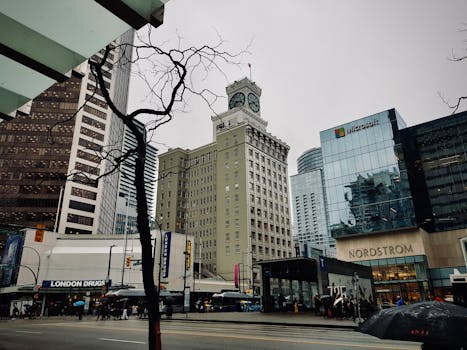 Photo: John One / Pexels
Summer: The Peak Season for Vancouver Adventures (July-August)
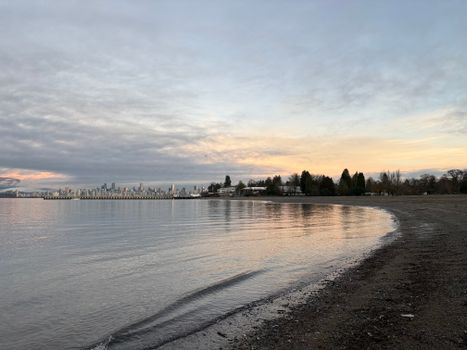 Photo: Uzay Yildirim / Pexels
Spring and Fall: Shoulder Seasons for Balanced Exploration
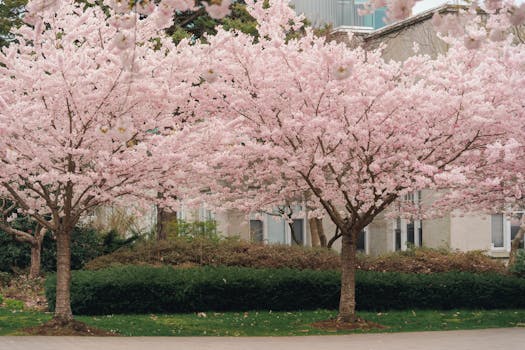 Photo: Red Nguyen / Pexels
Winter: A Unique Perspective & Budget-Friendly Travel
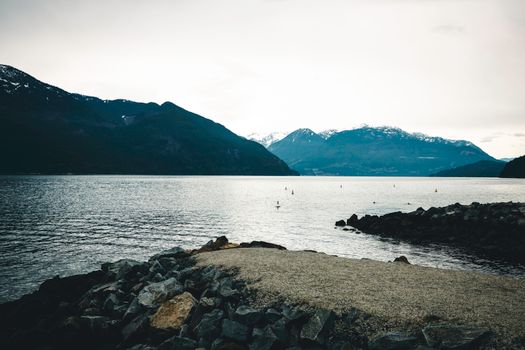 Photo: Ali Kazal / Pexels
Comparison
| Feature | Summer (July-Aug) | Spring (Apr-June) | Fall (Sept-Oct) | Winter (Nov-Mar) |
|---|---|---|---|---|
| Weather | Warm, Dry, Sunny | Mild, Some Rain | Cool, More Rain | Mild, Wet, Snow in mountains |
| Crowds | Very High | Moderate | Low to Moderate | Low |
| Cost | Highest | Moderate to High | Moderate | Lowest |
| Outdoor Activities | ✓✓✓ | ✓✓ | ✓✓ | ✓ (Mountain sports) |
| Festivals | ✓✓✓ | ✓✓ | ✓ | ✓ (Holiday) |
| Best for | Beaches, Hiking, City Life | Gardens, Whale Watching | Foliage, Culinary | Skiing, Museums, Budget |
What Readers Say
"Visiting Vancouver in August was absolutely perfect! The weather was incredible, we biked the seawall, hiked Grouse Mountain, and spent evenings on patios. It truly felt like the best time to visit Vancouver for outdoor lovers."
Sarah J. · Seattle, WA"We chose late September for our trip, and it was ideal. The crowds were gone, but the weather was still mild enough for exploring Stanley Park and the vibrant fall colours were stunning. We felt like we got the real Vancouver experience without the summer rush."
Mark D. · London, UK"My family visited in May, and the cherry blossoms were breathtaking. We caught a few rainy days, but it didn't stop us from enjoying the city. It was a fantastic compromise between good weather and fewer tourists, making it a great time to visit Vancouver with kids."
Emily R. · Calgary, AB"We went in February, knowing it would be wet, and it was. But we loved hitting the ski slopes in the morning and enjoying delicious food downtown in the evening. If you don't mind rain and love winter sports, it's a unique time to visit Vancouver."
David L. · Miami, FL"For our honeymoon, we picked early June. The weather was consistently pleasant, not too hot, and the city felt alive but not overwhelmingly crowded. We managed to do everything on our list from hiking to dining, confirming it was the best time to visit Vancouver for a romantic getaway."
Jessica M. · Toronto, ONFrequently Asked Questions
What is the absolute best time to visit Vancouver for sunny weather?
The absolute best time to visit Vancouver for guaranteed sunny and warm weather is during the months of July and August. These are the driest and warmest months, perfect for beaches, hiking, and all outdoor activities. Expect average temperatures between 20-25°C (68-77°F) and long daylight hours.
Is Vancouver very rainy in the winter?
Yes, Vancouver is notoriously rainy during the winter months, from November to March. While temperatures are mild and rarely drop below freezing in the city center, you should expect frequent rainfall. However, this rain contributes to the lush green landscapes and provides excellent conditions for winter sports in the nearby mountains.
How can I avoid crowds when visiting Vancouver?
To avoid the largest crowds, plan your visit during the shoulder seasons of spring (April-June) or fall (September-October). While still popular, these months see significantly fewer tourists than the peak summer season. You'll enjoy pleasant weather for many activities without the intense bustle at major attractions.
Is Vancouver an expensive city to visit?
Vancouver can be an expensive city, especially during the peak summer season (July-August) when accommodation and flight prices are at their highest. To save money, consider visiting during the off-season (winter) or shoulder seasons (spring/fall) when prices for hotels and some activities are generally lower. Eating at local eateries and utilizing public transport can also help manage costs.
Can I go skiing and enjoy city life on the same trip to Vancouver?
Absolutely! One of Vancouver's unique appeals is its proximity to world-class ski resorts. During the winter months (typically December to March), you can easily spend your morning on the slopes of Grouse, Cypress, or Mount Seymour, and then be back in downtown Vancouver to enjoy dining, shopping, or cultural attractions in the afternoon. This 'ski and city' experience is a highlight for many winter visitors.
Who should consider visiting Vancouver in the spring or fall?
Travelers who appreciate a balance of pleasant weather, fewer crowds, and vibrant natural beauty should strongly consider visiting Vancouver in the spring (April-June) or fall (September-October). These seasons are ideal for enjoying blooming gardens, stunning fall foliage, outdoor activities like hiking and cycling, and cultural attractions without the peak summer prices or tourist volumes.
What should I pack for a trip to Vancouver?
Packing for Vancouver depends heavily on the season. Generally, layers are key. In summer, pack light clothing, swimwear, and a light jacket for evenings. For spring and fall, bring waterproof jackets, sweaters, and comfortable walking shoes. In winter, essential items include a heavy waterproof jacket, warm layers (fleece, wool), waterproof boots, and an umbrella. Always prepare for potential rain, regardless of the season.
Will climate change impact the best time to visit Vancouver in the future?
Climate change is already influencing global weather patterns, and Vancouver is no exception. Future trends might include longer, hotter summers and potentially more intense rainfall events in winter. While the general seasonal characteristics are likely to remain, travelers should increasingly check up-to-date weather forecasts closer to their travel dates and be prepared for potential variations from historical averages.
No matter your preference, Vancouver offers something extraordinary in every season. Use this guide to pinpoint the best time to visit Vancouver for your dream trip and start planning an unforgettable Canadian adventure today!