✓ Summer (June-August) offers the warmest weather and all attractions open, but also the largest crowds and highest prices.
✓ Spring (April-May) and Fall (September-October) provide a balance of pleasant weather, fewer crowds, and vibrant scenery.
✓ Winter (November-March) transforms the falls into an icy spectacle, with fewer tourists and unique winter festivals.
✓ Weekdays generally see fewer visitors than weekends, regardless of the season.
How It Works
1
Define Your Priorities
Consider if warm weather, minimal crowds, specific activities, or budget are most important for your trip. This will guide your seasonal choice.
2
Research Seasonal Attractions
Some attractions, like the Hornblower cruise, operate seasonally. Check availability for your desired activities based on your preferred time of year.
3
Monitor Weather Forecasts
Regardless of season, weather can be unpredictable. Keep an eye on the forecast closer to your travel date to pack appropriately.
4
Book Accommodations & Tours
Especially during peak season, booking hotels and popular tours in advance is crucial to secure your spot and potentially better rates.
Understanding Niagara Falls' Seasonal Charms
Photo: Ali Soheil / Pexels
Niagara Falls, a natural wonder straddling the U.S. and Canadian border, presents a dramatically different experience depending on the time of year you choose to visit. While the sheer power and beauty of the falls are undeniable year-round, understanding the nuances of each season is paramount to planning your ideal trip, especially when considering the Canadian side. The 'best' time is truly subjective, aligning with your personal preferences for weather, crowd levels, available activities, and budget. For instance, if you dream of feeling the mist on a warm summer day with every attraction at your fingertips, then July or August might be your perfect window. However, if you prefer crisp air, vibrant autumn foliage, and a more serene atmosphere, then early October could be the answer. Each season offers unique advantages and minor trade-offs, from the bustling energy of summer to the quiet, frosty magic of winter. We'll delve into the specifics of each period, helping you weigh the pros and cons to make an informed decision. Niagara Falls, Ontario, is not just about the iconic Horseshoe Falls; it's also a vibrant city with diverse entertainment, dining, and natural attractions. The seasonal flow impacts everything from the operating hours of attractions like Journey Behind the Falls and the Hornblower Niagara Cruises to the availability of outdoor activities and special events. Planning your visit around these seasonal shifts ensures you can maximize your enjoyment and create lasting memories tailored to your expectations. Whether you're a first-time visitor or returning to explore new facets of this magnificent destination, a strategic approach to timing your trip is key. Consider what kind of atmosphere you're seeking: a lively, family-friendly summer vacation, a romantic fall getaway, a budget-conscious spring adventure, or a unique winter spectacle. Your ideal experience is within reach with careful planning. Discover more travel tips for Canada to enhance your overall journey.
Summer at Niagara Falls (June, July, August): Peak Season Thrills
Photo: This And No Internet 25 / Pexels
Summer is undeniably the most popular time to visit Niagara Falls Canada, and for good reason. From June through August, the weather is at its absolute best, with average temperatures ranging from a comfortable 20°C (68°F) to a warm 27°C (80°F). This period guarantees sunny days perfect for outdoor exploration, allowing visitors to fully immerse themselves in all the attractions without the worry of cold or rain hindering their plans. All major attractions, including the iconic Hornblower Niagara Cruises (formerly Maid of the Mist on the Canadian side), Journey Behind the Falls, Niagara SkyWheel, and the Whirlpool Aero Car, are operating at full capacity and extended hours. The Niagara Parks Commission also hosts a variety of special events, concerts, and fireworks displays over the falls several nights a week, adding to the festive atmosphere. The lush greenery of the surrounding parks and gardens is in full bloom, making for stunning photographic opportunities. The vibrant Clifton Hill entertainment district truly comes alive, buzzing with tourists enjoying its myriad of attractions, restaurants, and shops. However, this peak popularity comes with its own set of considerations. Summer sees the largest crowds of the year, meaning longer lines for attractions, busier restaurants, and more congested pathways. Accommodation prices are at their highest, and booking well in advance is essential to secure your preferred lodging and avoid disappointment. Similarly, flight and car rental prices can be elevated. Despite the crowds and higher costs, many visitors find the trade-offs worthwhile for the guaranteed good weather and the sheer energy of the season. If you're traveling with family and school holidays dictate your schedule, or if you simply crave the quintessential summer vacation experience, then visiting Niagara Falls in summer is an excellent choice. Just be prepared for the bustling environment and plan your itinerary to include early morning or late evening visits to popular spots to mitigate crowd impact. Embrace the energy, enjoy the extended daylight, and prepare for a truly memorable, albeit busy, experience. Packing light layers, comfortable walking shoes, and sun protection is highly recommended for a summer visit.
Spring and Fall: The Shoulder Seasons' Balanced Beauty
Photo: Ali Soheil / Pexels
For those seeking a more balanced experience, the shoulder seasons of spring (April-May) and fall (September-October) often represent the best time to visit Niagara Falls Canada. These periods offer a delightful combination of pleasant weather, fewer crowds compared to summer, and often more attractive pricing for accommodations and flights. In spring, as winter's chill recedes, Niagara Falls awakens with blossoming flowers and gradually warming temperatures. April sees averages around 10°C (50°F), while May brings a more comfortable 15-20°C (59-68°F). Most outdoor attractions begin to reopen in April or early May, including the Hornblower Niagara Cruises, allowing visitors to experience the falls up close without the intense summer throngs. The natural landscapes surrounding the falls, such as the Niagara Parks Botanical Gardens and the Niagara Glen, burst into life with vibrant colors, offering beautiful opportunities for leisurely strolls and photography. While some days in early spring can still be cool or rainy, the refreshing air and blooming scenery make for a picturesque visit. Fall, particularly September and early October, is arguably one of the most stunning times to witness Niagara Falls. The weather remains pleasantly mild, with temperatures ranging from 10°C (50°F) to 20°C (68°F), and the surrounding Niagara Region transforms into a spectacular tapestry of red, orange, and gold foliage. This provides an incredibly scenic backdrop for the falls and the Niagara Parkway. Attractions are still fully operational, and the crowds begin to thin out significantly after the Labour Day weekend, offering a more relaxed and intimate experience. Fall also coincides with the grape harvest in the nearby Niagara-on-the-Lake wine region, making it an excellent time for wine tasting tours and culinary experiences. Late October can bring cooler temperatures and the possibility of some attractions closing for the season, but the vibrant fall colors often persist. Both spring and fall offer a fantastic compromise for those who want to enjoy the full range of attractions and natural beauty without the peak season rush and expense. Explore more Canadian travel destinations that shine in the shoulder seasons.
Winter's Wonderland: A Unique Niagara Falls Experience
Photo: Lucas George Wendt / Pexels
For a truly unique and often surprisingly beautiful experience, consider visiting Niagara Falls Canada during the winter months (November-March). While temperatures drop significantly, often below freezing, and snowfall is common, the entire region transforms into a breathtaking winter wonderland. The immense volume of water plunging over the falls creates spectacular ice formations along the banks and surrounding trees, turning the landscape into a frosted masterpiece. The mist from the falls freezes on contact, coating everything in a glistening layer of ice, an awe-inspiring sight that photographs beautifully. This is also the quietest time of year to visit, with significantly fewer tourists. This means virtually no lines for the attractions that remain open, and often the best deals on hotels and other travel expenses. While the Hornblower Niagara Cruises are closed for the season due to ice, many other key attractions like Journey Behind the Falls, the Niagara SkyWheel, and the Butterfly Conservatory remain open, offering a different perspective of the falls and its surroundings. The highlight of the winter season is undoubtedly the annual Winter Festival of Lights, which runs from early November through January. This spectacular event illuminates the Niagara Parkway and surrounding areas with millions of twinkling lights and elaborate displays, creating a magical atmosphere. Fireworks displays also continue on select nights throughout the festival. For those who don't mind bundling up and embracing the cold, winter offers a serene, majestic, and cost-effective way to experience Niagara Falls. It's an ideal time for photographers, budget travelers, or anyone seeking a peaceful escape from the bustling crowds. Just remember to dress warmly in layers, including waterproof outer shells, hats, gloves, and insulated boots. Embrace the crisp air and discover a side of Niagara Falls that few get to see.
**Tips for a Winter Visit:**
* **Dress Warmly:** Layering is key, including thermal wear, a waterproof outer jacket, gloves, a hat, and warm, waterproof boots.
* **Check Attraction Hours:** Some outdoor attractions close for the winter, so verify operating hours in advance.
* **Enjoy Indoor Activities:** Explore the Butterfly Conservatory, Niagara Parks Power Station, or the casinos.
* **Embrace the Lights:** Don't miss the Winter Festival of Lights, a truly magical experience.
* **Photography:** The icy landscapes offer incredible photo opportunities, but protect your camera from the cold and mist.
Comparison
Feature
Summer (June-Aug)
Spring (Apr-May)
Fall (Sept-Oct)
Winter (Nov-Mar)
Weather
Warm, Sunny (20-27°C)
Mild, Variable (10-20°C)
Cool, Crisp (10-20°C)
Cold, Icy (-5-5°C)
Crowds
Very High
Moderate
Moderate-Low
Very Low
Attractions Open
All (Extended Hours)
Most (Reopening)
Most (Closing Late)
Limited (Indoor/Select)
Cost (Accommodation)
Highest
Moderate
Moderate
Lowest
Scenery
Lush Greenery
Blooming Flowers
Vibrant Foliage
Icy Wonderland
Hornblower Cruises
✓
✓ (from May)
✓ (until Oct)
✗
Winter Festival of Lights
✗
✗
✗
✓
What Our Readers Say
5★★★★★
"We visited Niagara Falls in early October, and it was absolutely perfect. The fall colors along the Parkway were breathtaking, and the crowds were so much smaller than when we went in July years ago. We got to enjoy the Hornblower cruise without long waits and found a great deal on our hotel."
Sarah J.Toronto, ON
5★★★★★
"Summer at Niagara Falls is unbeatable if you want all the attractions open and fireworks every night. Yes, it's busy, but the energy is infectious. Just make sure to book everything in advance and prepare for some lines; it's worth it for the full experience."
Michael D.Buffalo, NY
5★★★★★
"Our winter trip to Niagara Falls was magical! Seeing the falls partially frozen and the trees covered in ice was an unforgettable sight. The Winter Festival of Lights was also a huge bonus, making the whole trip feel festive and unique. Plus, we saved a lot on our hotel."
Emily R.Montreal, QC
4★★★★☆
"Late April was a good time for us. The weather was a bit unpredictable – we had some sun and some rain – but the flowers were starting to bloom, and the Hornblower had just reopened. It felt less touristy than summer, which was a definite plus, though some smaller shops were still closed."
David K.Detroit, MI
5★★★★★
"We chose mid-September for our honeymoon, and it was the best decision. Beautiful weather, gorgeous fall foliage for photos, and we could easily get reservations at nice restaurants. It felt like we had the place to ourselves compared to the busy summer months."
Jessica L.Vancouver, BC
Frequently Asked Questions
What is the absolute best month to visit Niagara Falls Canada for first-timers?
For first-time visitors who want to experience all major attractions with comfortable weather and moderate crowds, late May or early September are often considered ideal. These months offer a sweet spot between the peak summer rush and the cooler shoulder seasons, providing a full range of activities and pleasant outdoor conditions without the highest prices or longest lines.
Is Niagara Falls still impressive in the winter?
Absolutely! While different, Niagara Falls in winter is incredibly impressive. The surrounding landscape transforms into a stunning icy spectacle, with frozen mist creating a unique, majestic view. The Winter Festival of Lights adds a magical glow, and the fewer crowds allow for a more peaceful appreciation of its power. It's a truly unforgettable experience for those prepared for the cold.
How can I avoid crowds at Niagara Falls, especially during peak season?
To avoid crowds, plan your visit for weekdays instead of weekends, and consider arriving early in the morning (right at opening) or later in the afternoon/evening (after 4 PM) for popular attractions. Visiting during the shoulder seasons (spring or fall) or even winter will naturally lead to fewer crowds. Utilizing online ticket purchases can also help bypass some queues.
What is the typical cost difference between visiting in summer versus winter?
The cost difference can be significant. Summer sees the highest prices for accommodations, flights, and sometimes even attraction tickets due to peak demand. Winter, being the off-season, typically offers the lowest prices for hotels and often includes value packages. Spring and fall fall somewhere in between, providing a good balance of cost and experience.
Are all attractions open year-round at Niagara Falls Canada?
No, not all attractions are open year-round. Key outdoor attractions like the Hornblower Niagara Cruises (the boat tour) and the Whirlpool Aero Car typically operate from May to October, weather permitting. Indoor attractions such as Journey Behind the Falls, the Niagara SkyWheel, and the Butterfly Conservatory usually remain open year-round, though hours may vary seasonally.
Who should visit Niagara Falls Canada in the off-season?
The off-season (late fall to early spring) is perfect for budget travelers, photographers seeking unique icy landscapes, couples looking for a romantic and quieter getaway, or those interested in special events like the Winter Festival of Lights. It's ideal for anyone who prefers a more serene experience without the bustling crowds of summer.
Is it safe to visit Niagara Falls Canada in the winter?
Yes, it is generally safe to visit Niagara Falls Canada in the winter. The main pathways and viewing areas are well-maintained and cleared of snow and ice. However, visitors should exercise caution on potentially slippery surfaces, wear appropriate footwear, and dress warmly to prevent cold-related issues. Always check local weather and road conditions before traveling.
How might climate change affect the best time to visit Niagara Falls in the future?
Climate change could potentially shift the 'best' times to visit Niagara Falls. Milder winters might lead to less dramatic ice formations, while extended warm periods could lengthen the peak tourist season or impact water levels. Conversely, more extreme weather events could introduce new challenges. Visitors may need to be more flexible with their timing and consider adapting to evolving seasonal patterns.
No matter your preference, Niagara Falls Canada promises an awe-inspiring adventure. Use this guide to pinpoint the best time to visit Niagara Falls Canada that aligns with your travel style, ensuring a truly memorable experience. Start planning your incredible journey to this natural wonder today!

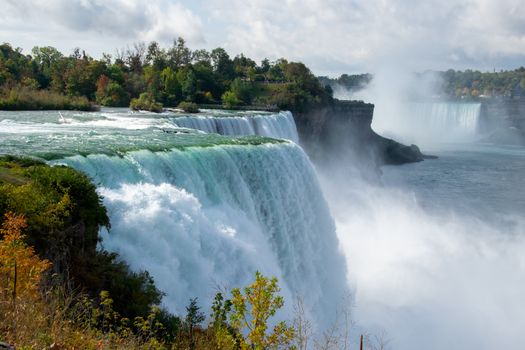 Photo: Beth Fitzpatrick / Pexels
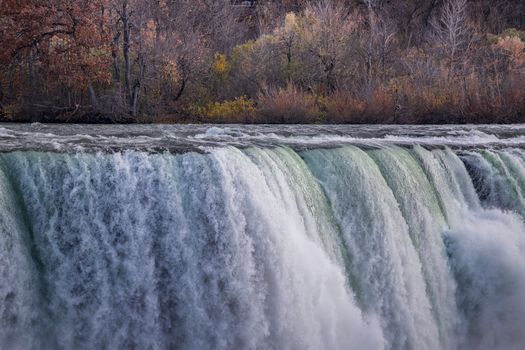 Photo: Ali Soheil / Pexels
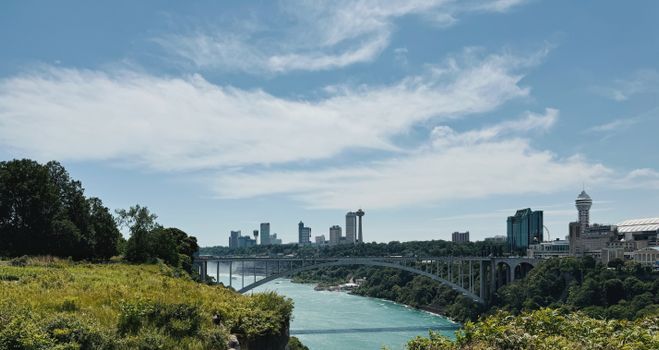 Photo: This And No Internet 25 / Pexels
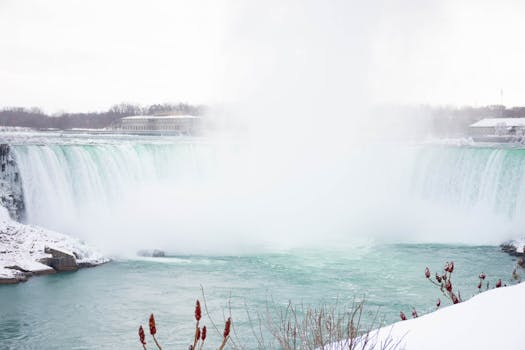 Photo: Lucas George Wendt / Pexels