The Best Time to Visit Death Valley: Your Ultimate Guide
best time to visit Death Valley

The Best Time to Visit Death Valley: Your Ultimate Guide

Unlock the secrets to an extraordinary Death Valley adventure with our expert seasonal breakdown and planning advice.

Plan Your Trip Now

Key Takeaways

  • ✓ Winter (November-February) offers mild temperatures, ideal for hiking and sightseeing.
  • ✓ Spring (March-April) brings potential wildflowers and comfortable conditions, but also higher crowds.
  • ✓ Summer (May-September) is characterized by extreme heat, limiting most outdoor activities to early mornings/evenings.
  • ✓ Fall (October) transitions from heat to more moderate temperatures, making it a good shoulder season option.

How It Works

1
Identify Your Priorities

Consider what you want to do in Death Valley – hiking, stargazing, photography, or simply experiencing its unique landscape. Your activities will heavily influence the best time to go.

2
Consult Seasonal Weather

Research average temperatures and daylight hours for each season. Death Valley's climate is extreme, so understanding the weather is crucial for comfort and safety.

3
Factor in Crowds and Costs

Peak seasons mean more visitors and potentially higher accommodation prices. Weigh the benefits of fewer crowds against desired weather conditions.

4
Book Accommodations & Activities

Once you've chosen your ideal time, secure lodging and plan your itinerary well in advance, especially for popular seasons. This ensures a smoother, stress-free visit.

Understanding Death Valley's Climate and Seasons
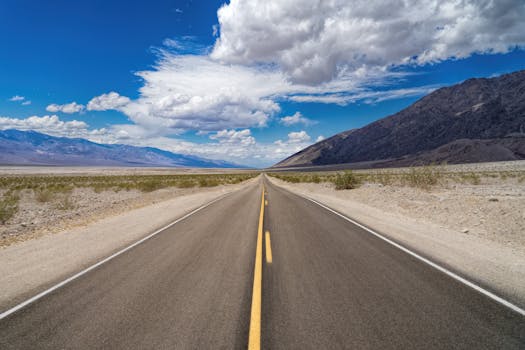
Desolate straight road stretching into a desert landscape under a bright blue sky. Photo: Johannes Plenio / Pexels
Death Valley National Park, a land of extremes, holds the record for the hottest air temperature ever recorded on Earth. This stark reality shapes everything about visiting this mesmerizing landscape, making understanding its unique climate not just important, but essential for a safe and enjoyable trip. The park experiences four distinct seasons, though they don't align with traditional notions of spring, summer, fall, and winter. Instead, they are defined by dramatic shifts in temperature, sunlight, and the availability of certain natural phenomena. Winter, typically from November to February, is by far the most popular time to visit. During these months, daytime temperatures are pleasantly mild, often ranging from the 60s to low 70s Fahrenheit (15-23°C). Nights can be cool, dropping into the 30s and 40s (0-10°C), making for comfortable sleeping and incredible stargazing opportunities. This period is ideal for extensive hiking, exploring canyons, and visiting all the major viewpoints without the oppressive heat. The sun, while still strong, is less intense, allowing for longer periods outdoors. It's a fantastic time for photography, with softer light and often clearer skies. However, this popularity means larger crowds, especially during holidays and weekends. Planning ahead for accommodations and activities is crucial during winter to avoid disappointment. Exploring the best national parks in winter often includes Death Valley for these very reasons. Spring, from March to April, sees a gradual rise in temperatures, with daytime highs often reaching the 80s and 90s (27-37°C). This is the season when Death Valley can transform into a vibrant tapestry of wildflowers, a rare and spectacular event known as a 'super bloom' that occurs only after significant winter rainfall. While not guaranteed every year, even a moderate bloom can be breathtaking. The spring also brings longer daylight hours, perfect for fitting in more exploration. However, the increasing heat means starting your activities earlier in the day. Crowds remain high, drawn by the possibility of wildflowers and the lingering comfortable temperatures before summer's onslaught. This shoulder season offers a balance of warmth and activity, but requires more heat preparedness than winter. Summer, from May to September, is when Death Valley truly lives up to its name. Daytime temperatures routinely soar above 100°F (38°C), often reaching 120°F (49°C) or higher. Nighttime temperatures can still hover in the 90s (32°C), offering little relief. This extreme heat severely limits outdoor activities, making them dangerous for all but the most experienced and prepared individuals, and even then, only during the very early morning or late evening hours. Most visitors during summer opt for scenic drives, short walks to viewpoints, and seeking refuge in air-conditioned facilities. Despite the heat, there's a unique beauty to Death Valley in summer – the starkness of the landscape, the intense light, and the quiet solitude that comes with fewer visitors. Stargazing can be exceptional due to extremely clear skies and warm nights, but requires careful planning to avoid overheating during the day. It's a season for appreciating the raw power of nature from a safe distance. Fall, primarily October, acts as another transition period, moving from the intense summer heat towards the cooler winter months. Daytime temperatures typically range from the 80s to low 90s (27-37°C), gradually becoming more hospitable for outdoor activities. The crowds begin to thin slightly compared to spring, but it's still a popular time as people seek to enjoy the park before the peak winter season. The light can be particularly beautiful in the fall, offering stunning photographic opportunities. This shoulder season offers a good compromise for those who want to experience Death Valley's warmth without the extreme dangers of summer, and without the peak crowds of winter. However, heat precautions are still necessary, especially at the beginning of the season. Understanding these seasonal nuances is the first step to choosing your perfect Death Valley adventure.

Winter Wonderland (November - February): The Prime Time for Exploration
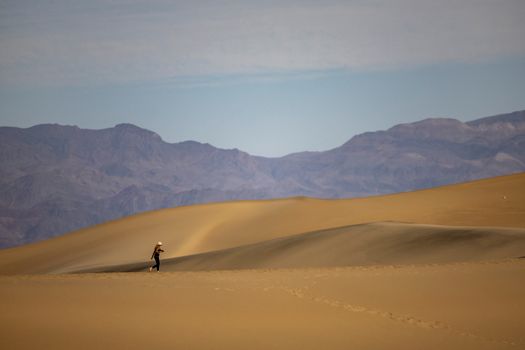
A solitary figure treks across the vast sandy desert with mountains in the background. Photo: Stephen Leonardi / Pexels
For the vast majority of visitors, winter stands out as the unequivocally best time to visit Death Valley. The primary reason is the weather: it's simply the most comfortable and conducive for exploring the park's vast and varied terrain. From November through February, average daytime temperatures typically range from the mid-60s to low 70s Fahrenheit (18-23°C), with clear, sunny skies being the norm. This temperate climate is perfect for engaging in all the activities that make Death Valley such a unique destination. Imagine hiking through Golden Canyon, traversing the salt flats of Badwater Basin, or exploring the sand dunes of Mesquite Flat, all without the oppressive heat that characterizes much of the year. The crisp air and comfortable conditions allow for extended periods outdoors, letting you truly immerse yourself in the landscape. During winter, the sun's angle is lower, creating dramatic shadows and a softer light that is a photographer's dream. The golden hours around sunrise and sunset are particularly spectacular, painting the mountains and valleys in hues of orange, pink, and purple. Furthermore, the cooler nights, often dipping into the 30s and 40s (0-10°C), offer unparalleled opportunities for stargazing. Death Valley is an International Dark Sky Park, and the winter months, with their typically clear skies and early sunsets, provide prime conditions for viewing the Milky Way and countless constellations. You can comfortably set up a tripod or simply lie back and marvel at the cosmic spectacle above. Popular activities during winter include extensive hiking on trails like Mosaic Canyon, Natural Bridge Canyon, and the challenging but rewarding climb up to Dante's View for panoramic vistas. Cycling is also a fantastic option, with many scenic roads offering breathtaking views without significant elevation changes. Exploring historical sites like Harmony Borax Works or the ghost town of Rhyolite becomes a pleasant walk rather than a test of endurance. Winter also sees various ranger-led programs, from guided walks to evening talks, enriching the visitor experience. However, this popularity comes with a caveat: crowds. Death Valley experiences its highest visitation during these months, especially around holidays like Thanksgiving, Christmas, New Year's, and Presidents' Day. This means accommodations inside and near the park book up quickly, often months in advance, and popular trailheads can have limited parking. Therefore, if you choose winter, meticulous planning for lodging, dining, and even fuel stops is absolutely essential to ensure a smooth and enjoyable trip. Despite the crowds, the sheer comfort and accessibility of all the park's wonders make winter the undisputed champion for most visitors seeking a comprehensive Death Valley experience.

Spring Blooms and Fall Colors: Shoulder Season Strategies
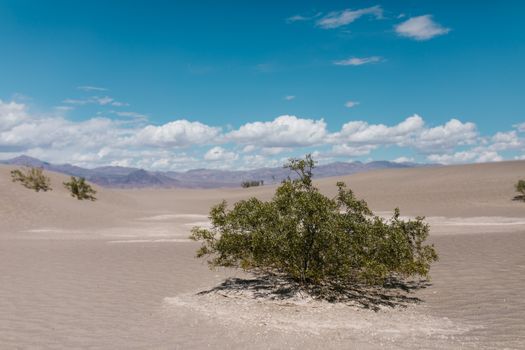
Scenic view of a desert landscape under a blue sky with sand dunes and sparse vegetation. Photo: RDNE Stock project / Pexels
While winter offers optimal conditions, the shoulder seasons of spring (March-April) and fall (October) present compelling alternatives, each with its own unique charm and considerations. These periods act as vital bridges between the extreme heat of summer and the pleasant mildness of winter, offering a different lens through which to experience Death Valley. Understanding their nuances is key to choosing the right shoulder season for your visit. Spring in Death Valley is synonymous with the potential for wildflowers. Following sufficient winter rainfall, typically in late February through early April, the desert floor can burst into an astonishing display of color. Species like desert gold, sand verbena, and evening primrose transform seemingly barren landscapes into vibrant tapestries. This 'super bloom' phenomenon, while not guaranteed every year, draws significant attention and can make a spring visit truly unforgettable. Even in years without a super bloom, many smaller, localized flower displays can be found, adding a delicate beauty to the rugged terrain. Temperatures during spring begin to climb, with daytime highs ranging from the high 70s to low 90s Fahrenheit (25-35°C). While warmer than winter, these temperatures are still generally comfortable enough for morning hikes and exploring, though afternoon activities will require more caution and hydration. The longer daylight hours are a definite plus, allowing for more exploration. However, like winter, spring is a popular time, especially if wildflower predictions are good. Expect larger crowds, particularly on weekends, and book accommodations well in advance. Planning spring break travel to Death Valley requires early reservations. Fall, specifically October, offers a different kind of transition. As the scorching summer heat begins to recede, Death Valley gradually becomes more hospitable. Daytime temperatures in October typically range from the mid-80s to low 90s (29-35°C), cooling significantly by late October. This makes it an excellent time for those who prefer warmer weather than winter but still want to engage in outdoor activities. The air feels crisper, and the intense summer light mellows, creating beautiful photographic conditions similar to late spring. While you won't find wildflowers, the stark beauty of the landscape is enhanced by the changing light and the relative quiet compared to peak winter. Crowds in early fall can still be moderate, tapering off as the month progresses, offering a good balance between agreeable weather and fewer visitors. Stargazing remains excellent, with comfortably cool nights. Both spring and fall demand diligent hydration and sun protection. While not as extreme as summer, the desert sun is powerful. Carrying ample water, wearing wide-brimmed hats, and applying sunscreen are non-negotiable. These shoulder seasons provide a fantastic opportunity to experience Death Valley's unique character without the full intensity of its busiest or hottest periods, making them ideal for those seeking a balance of good weather, active exploration, and slightly fewer crowds than mid-winter.

Navigating the Extreme Summer: Tips for a Safe Visit
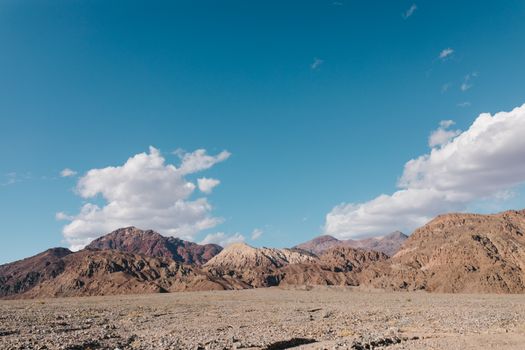
Expansive view of arid mountains and rocky terrain under a blue sky in Death Valley, California. Photo: RDNE Stock project / Pexels
Visiting Death Valley during the summer months (May through September) is an experience unlike any other, but it demands extreme caution and meticulous planning. This is when the park earns its name, with temperatures regularly exceeding 100°F (38°C) and often soaring past 120°F (49°C). While not the 'best' time for traditional outdoor activities, it offers a unique perspective for those who understand and respect its challenges. Here are essential tips for a safe and memorable summer visit: * **Prioritize Hydration:** This is paramount. Carry at least one gallon of water per person per day, and drink continuously, even if you don't feel thirsty. Electrolyte drinks can also be beneficial. Dehydration can happen rapidly and lead to serious health issues. * **Limit Outdoor Exposure:** Restrict strenuous activities to the very early morning (before 7-8 AM) or late evening (after 6-7 PM). Even short walks can be dangerous in midday heat. Use air-conditioned vehicles for sightseeing between points. * **Seek Shade and Air Conditioning:** Utilize visitor centers, park lodges, and your vehicle's AC as havens from the heat. Plan your itinerary around these cool-down spots. * **Dress Appropriately:** Wear loose-fitting, light-colored clothing that covers as much skin as possible to protect against the sun. A wide-brimmed hat and sunglasses are non-negotiable. * **Protect Your Vehicle:** The heat can be brutal on cars. Check tire pressure, fluid levels, and ensure your AC is in top condition before entering the park. Keep an emergency kit, including extra water, in your car. Avoid driving on unpaved roads if possible, as the heat exacerbates tire issues. * **Watch for Signs of Heat Illness:** Be aware of symptoms like dizziness, nausea, headache, excessive sweating (or lack thereof), and confusion. If you or a companion experience these, get to a cool place immediately, rehydrate, and seek medical attention if symptoms persist. * **Embrace the Night:** Summer nights, while still warm, are phenomenal for stargazing. The clear, dry air and minimal light pollution create an incredible celestial display. This is often the safest and most rewarding outdoor activity during the summer. * **Adjust Expectations:** Understand that you won't be doing extensive hiking. Focus on scenic drives, short walks to viewpoints like Badwater Basin or Zabriskie Point, and enjoying the unique quietude that comes with fewer visitors. The intense light can create stunning, otherworldly photographic opportunities. Despite the formidable heat, a summer visit to Death Valley can be profoundly impactful, offering a raw, unfiltered encounter with one of Earth's most extreme environments. It's a testament to nature's power and beauty, but one that demands utmost respect and preparation.

Comparison

FeatureWinter (Nov-Feb)Spring (Mar-Apr)Summer (May-Sep)Fall (Oct)
Average High Temp (°F)60s-70s70s-90s100s-120s+80s-90s
CrowdsVery HighHighLowModerate
Hiking PotentialExcellentGood (mornings)Very LimitedGood (mornings)
Wildflower PotentialLowHigh (variable)NoneNone
StargazingExcellentExcellentExcellentExcellent
Photography LightSoft, DramaticGoodHarsh, IntenseGood
Activity RestrictionsMinimalMidday heatSevereMidday heat
Accommodation AvailabilityLimitedLimitedGoodModerate

What Readers Say

"Visiting Death Valley in January was absolutely perfect. We hiked for hours each day without breaking a sweat, and the night sky was the clearest I've ever seen. Definitely the best time to go for active exploration."

Sarah J. · San Francisco, CA

"We went in early April hoping for wildflowers and weren't disappointed! The weather was warm but manageable for morning hikes, and the desert literally bloomed around us. Booked our lodge six months out, which was a smart move."

Mark T. · Phoenix, AZ

"October was a surprisingly great choice. The intense summer heat had broken, but it was still warm enough to enjoy the pool at Furnace Creek. We had beautiful sunsets and comfortable temperatures for exploring the main sights."

Linda R. · Seattle, WA

"My summer trip in July was certainly an experience. While hiking was out of the question after 8 AM, the solitude and the sheer power of the heat were unforgettable. You absolutely must be prepared with tons of water, but the stargazing was unparalleled."

David M. · Chicago, IL

"We chose late February for our first visit to Death Valley, and it was ideal. Comfortable temperatures for biking and exploring, plus the park wasn't as crowded as I expected for peak season. The ranger programs were a great addition to our trip."

Emily P. · Denver, CO

Frequently Asked Questions

What is the absolute best month to visit Death Valley?

While 'best' can be subjective, most visitors agree that November, December, January, and February offer the most comfortable and accessible conditions. January and February often have the mildest temperatures, ideal for extensive hiking and exploring all areas of the park without the extreme heat. These months also provide excellent stargazing opportunities due to clear skies.

Is it safe to visit Death Valley in the summer?

Yes, it is safe to visit Death Valley in the summer, but only with extreme caution and preparation. Outdoor activity should be limited to very early mornings or late evenings. Hydration is critical – carry at least one gallon of water per person per day. Stay in air-conditioned areas during midday, and be vigilant for signs of heat illness. Many roads and facilities remain open, but the experience is focused on scenic drives and short, shaded overlooks.

How far in advance should I book accommodations for Death Valley?

For visits during the peak winter season (November-February) and spring wildflower season (March-April), it is highly recommended to book accommodations at least 6-12 months in advance, especially for popular lodges within the park like Furnace Creek. For shoulder seasons like October, 3-6 months is generally sufficient. Summer generally has more availability, but booking a few months out is still wise.

What kind of budget should I expect for a trip to Death Valley?

A Death Valley trip budget can vary widely. Park entrance fees are standard ($30 per vehicle for 7 days). Accommodations range from basic campgrounds ($14-$22/night) to mid-range lodges ($150-$300+/night). Food costs depend on whether you bring your own or dine at park restaurants. Fuel is more expensive inside the park. Generally, a moderate budget for 3-4 days could range from $500-$1000+ for two people, excluding airfare.

How does Death Valley compare to other desert parks like Joshua Tree or Zion?

Death Valley is unique for its extreme temperatures, vast open basins, and stark, otherworldly landscapes, often feeling more desolate and remote. Joshua Tree is known for its iconic trees and rock climbing, offering a more accessible, high-desert experience. Zion, while also a desert park, is characterized by its towering sandstone cliffs and lush river canyons, offering a very different, often cooler, hiking environment. Death Valley's geological diversity and record-breaking heat set it apart.

Who should avoid visiting Death Valley in the summer?

Individuals with pre-existing heart conditions, respiratory issues, or those sensitive to extreme heat, as well as very young children and the elderly, should generally avoid visiting Death Valley during the summer months (May-September). The risks of heat-related illness are significantly higher for these groups, and the extreme conditions can exacerbate health problems.

Are there any safety concerns besides heat in Death Valley?

Beyond heat, other safety concerns include flash floods (especially during monsoon season in late summer), uneven terrain on hiking trails, venomous wildlife (rattlesnakes, scorpions – though rarely encountered if you stay on trails), and vehicle issues due to remote locations and extreme conditions. Always carry extra water, inform someone of your itinerary, and be prepared for self-rescue in remote areas due to limited cell service.

What are the emerging trends for Death Valley tourism?

Emerging trends include a growing interest in astrotourism due to its International Dark Sky Park status, an increase in visitors seeking unique photographic opportunities in its stark landscapes, and a rise in 'shoulder season' travel (late fall/early spring) to avoid peak winter crowds. There's also a focus on sustainable tourism and respecting the fragile desert environment as visitor numbers continue to grow.

Choosing the best time to visit Death Valley is about aligning its unique climate with your personal preferences and planned activities. Whether you seek comfortable hikes, vibrant wildflowers, or the intense solitude of summer, careful planning ensures an unforgettable journey into this extraordinary California landscape. Start planning your perfect Death Valley adventure today!

Topics: best time to visit Death ValleyDeath Valley weatherDeath Valley seasonsDeath Valley activitiesDeath Valley travel tips
Leo List

IE Escorts NO Escorts US Escorts NZ Escorts AU Escorts
Brampton weed
Adultwork EstrelaBet Vai de Bet R7 Bet Betão Galera Bet Rainbet Bet9ja Shop SportyBet BetKing Sisal Loto Foot Hollywoodbets YesPlay Odibets RushBet Jugabet BetWarrior BetCity MSport betPawa Fortebet