The Best Time to Visit Canadian Rockies: Your Ultimate Guide
best time to visit canadian rockies

The Best Time to Visit Canadian Rockies: Your Ultimate Guide

Uncover the perfect season for your Canadian Rockies adventure, balancing weather, activities, and crowd levels for an unforgettable trip.

Plan Your Rockies Trip

Key Takeaways

  • ✓ Summer (June-August) offers the warmest weather and full access to trails but is the busiest.
  • ✓ Shoulder seasons (May-early June, September-October) provide fewer crowds and beautiful scenery.
  • ✓ Winter (November-April) is ideal for skiing, snowboarding, and ice-related activities.
  • ✓ Each season in the Canadian Rockies offers unique experiences and breathtaking beauty.

How It Works

1
Define Your Priorities

Before picking a date, consider what you want from your trip: hiking, wildlife, skiing, or avoiding crowds. This will guide your seasonal choice.

2
Research Seasonal Activities

Once you have a season in mind, delve into the specific activities available during that time. Check trail conditions, lake thaws, and resort openings.

3
Consider Logistics & Budget

Peak seasons mean higher prices for accommodation and flights. Factor in your budget and flexibility when choosing your travel dates to the Canadian Rockies.

4
Book in Advance

Regardless of the season, especially for popular times, booking accommodations, tours, and car rentals well in advance is crucial to secure your preferences and better rates.

Summer in the Canadian Rockies: Peak Beauty and Activity

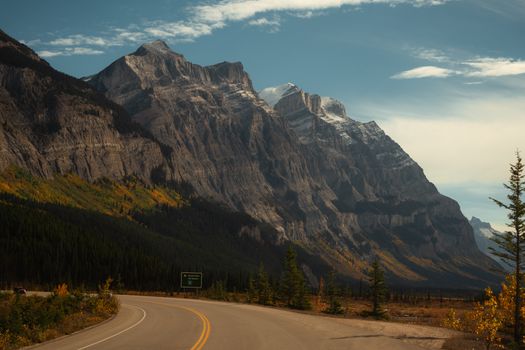
When most people envision the Canadian Rockies, they often picture the vibrant, sun-drenched landscapes of summer. And for good reason! June, July, and August represent the peak season for visitors, offering the warmest weather, longest daylight hours, and full accessibility to the vast network of trails, lakes, and scenic drives. Temperatures typically range from 20-25°C (68-77°F) during the day, making it perfect for outdoor adventures. All hiking trails, including iconic ones like the Plain of Six Glaciers or Sentinel Pass, are usually clear of snow and fully open by mid-June, offering unparalleled opportunities for exploration. The famous turquoise lakes, such as Lake Louise, Moraine Lake, and Peyto Lake, are at their most brilliant hues, having fully thawed and filled with glacial meltwater. Canoeing on these pristine waters becomes an iconic and unforgettable experience. Wildlife viewing is also excellent in summer, with opportunities to spot elk, deer, bighorn sheep, and occasionally bears (from a safe distance, of course) throughout the parks. The Icefields Parkway, a breathtaking scenic drive connecting Banff and Jasper National Parks, is fully open, revealing glaciers, waterfalls, and stunning mountain vistas at every turn. Mountain biking, rock climbing, and white-water rafting are other popular activities that thrive during these months. Festivals and events are also in full swing, particularly in Banff and Jasper townsites, adding a lively atmosphere to the already bustling parks. However, with this unparalleled beauty and activity comes significant popularity. Summer is by far the busiest time to visit the Canadian Rockies. Expect larger crowds at popular viewpoints, trailheads, and in the towns. Accommodation prices are at their highest, and availability can be extremely limited unless booked months in advance. Similarly, popular tours and activities, such as gondola rides or guided hikes, often require pre-booking. Traffic congestion on main roads and parking challenges at popular spots are common. Despite the crowds, the sheer grandeur and accessibility of the Canadian Rockies in summer make it an undeniably magical time for many. For those who prioritize warm weather, extensive outdoor activity options, and don't mind sharing the experience with many other eager explorers, summer truly is the best time to visit the Canadian Rockies. Planning ahead is absolutely essential to ensure a smooth and enjoyable trip during this vibrant season. Remember to pack layers, as mountain weather can change rapidly, even in summer. Exploring the diverse landscapes during this season will leave an indelible mark on your memory. Securing reservations for everything from dining to national park passes should be a top priority.

Shoulder Seasons: Tranquility and Vibrant Hues

For many seasoned travelers and those seeking a more intimate experience with the Canadian Rockies, the shoulder seasons – late May to early June and September to October – offer a compelling alternative to the bustling summer. These periods strike a beautiful balance between pleasant weather, fewer crowds, and unique seasonal beauty. In late spring (May to early June), the Rockies begin to shed their winter coat, revealing lush green valleys and roaring waterfalls fueled by melting snow. While some higher elevation trails may still be snow-covered, lower-lying paths become accessible, offering stunning wildflower displays. Lake Louise and Moraine Lake typically begin to thaw in late May or early June, gradually transitioning from icy wonders to their iconic turquoise. This is a fantastic time for wildlife viewing, as animals are often more active and visible in the valleys before the peak summer heat. Prices for accommodation and activities are generally lower than in summer, and the atmosphere is noticeably more relaxed. However, be prepared for variable weather; spring can bring sunshine, rain, or even a late snowfall, so packing layers is crucial. Not all attractions or services might be fully operational until mid-June. The autumn shoulder season (September to October) is perhaps the most visually spectacular for many, thanks to the breathtaking larch trees. These deciduous conifers turn a brilliant golden-yellow, creating a stunning contrast against the dark evergreens and snow-capped peaks. Hiking through Larch Valley or along the Lake Agnes Teahouse trail during this time is an unforgettable experience, though these popular larch hikes can still draw significant crowds on weekends. Daytime temperatures are crisp and comfortable, typically ranging from 10-15°C (50-59°F), with cooler nights. The air is clear, and photography opportunities are abundant. Most hiking trails remain open, though higher elevations might see early snowfalls by late October. Wildlife, particularly elk, are very active during their rutting season, offering unique viewing opportunities (from a safe distance). As with spring, prices are more reasonable than summer, and the overall visitor numbers are significantly lower, especially after Canadian Thanksgiving in early October. Some services and attractions may start to close down towards the end of October as winter approaches. Both shoulder seasons offer a captivating blend of natural beauty, reduced crowds, and more budget-friendly options, making them an excellent choice for those who prefer a quieter yet still active Canadian Rockies experience. They are truly the hidden gems for those wanting to experience the best time to visit Canadian Rockies without the peak season rush.

Winter Wonderland: Snowy Adventures and Serenity

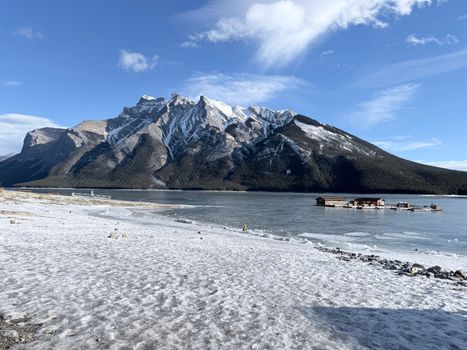
For those who dream of a pristine, snow-covered landscape and embrace the thrill of winter sports, the period from November to April transforms the Canadian Rockies into an enchanting winter wonderland. This season offers a completely different, yet equally captivating, experience. The mountains are blanketed in deep, fresh snow, creating a dramatic and serene backdrop for a variety of activities. Skiing and snowboarding are undoubtedly the main draws, with world-class resorts like Banff Sunshine, Lake Louise Ski Resort, and Marmot Basin (near Jasper) offering extensive terrain for all skill levels. The snow quality is legendary, and the views from the slopes are simply unparalleled. Beyond downhill skiing, the Rockies provide exceptional opportunities for cross-country skiing, snowshoeing, and ice skating on frozen lakes like Lake Louise and Lake Minnewanka (check ice conditions carefully). Ice climbing is another adventurous pursuit for the experienced. The Icefields Parkway remains open year-round, though sections can be temporarily closed during heavy snowfall, and winter tires or chains are often mandatory. Driving this scenic route in winter offers breathtaking views of frozen waterfalls and snow-dusted peaks, often with far fewer vehicles than in summer. Wildlife viewing can be unique in winter; animals like elk and bighorn sheep are often seen in the valleys and near roadsides. The towns of Banff and Jasper take on a cozy, festive atmosphere, especially around the holidays, with charming shops and warm eateries providing a welcome respite from the cold. Night skies are particularly clear in winter, offering spectacular stargazing opportunities. While temperatures can be quite cold, often dropping well below freezing, the dry climate makes it feel less harsh, and dressing in layers is key to staying comfortable. November and April are considered shoulder months within the winter season, offering slightly milder temperatures and often better deals on accommodations, though snow conditions might be less reliable than in the peak winter months of December to March. It's important to note that many summer hiking trails are inaccessible or require specialized equipment and expertise in winter. However, for those who love snow sports, crave tranquility, and appreciate the stark beauty of a frozen landscape, winter can absolutely be the best time to visit Canadian Rockies. It’s a season of quiet majesty and exhilarating adventure, where the natural world feels both powerful and profoundly peaceful. Many visitors find the winter months to be surprisingly accessible and incredibly rewarding, offering a fresh perspective on these iconic mountains. Consider a winter visit for a truly unique adventure.

Choosing Your Perfect Season: Tips and Common Mistakes

Deciding on the best time to visit the Canadian Rockies ultimately boils down to your personal preferences and what you hope to experience. Here are some tips to help you make an informed decision and avoid common pitfalls: **Tips for Planning:** * **Prioritize Your Activities:** If hiking to alpine lakes is your dream, summer is best. If skiing is your passion, winter is your season. If photography and fall colors are key, target September. * **Consider Your Budget:** Peak summer and holiday winter periods are the most expensive. Shoulder seasons (late spring, early fall) offer better value for money. * **Book Well in Advance:** This cannot be stressed enough, especially for summer and popular winter dates. Accommodations, popular tours, and even car rentals can sell out months ahead. * **Pack Layers:** Mountain weather is notoriously unpredictable. Always pack clothing that can be layered, regardless of the season, to adapt to sudden temperature changes. * **Check Park Passes and Regulations:** Ensure you have the necessary Parks Canada pass and are aware of any seasonal restrictions, such as bear safety advisories or road closures. **Common Mistakes to Avoid:** * **Underestimating Crowds in Summer:** While beautiful, summer is extremely busy. Expect queues, full parking lots, and crowded trails. If you dislike crowds, consider shoulder seasons or less popular trails. * **Expecting Warm Weather in Early June:** Many high-elevation lakes (like Moraine Lake) are still frozen or thawing in early June. Some alpine trails may also be snow-covered until mid-month or later. Don't plan for summer activities too early. * **Ignoring Winter Driving Conditions:** Winter driving in the Rockies requires preparedness. Ensure your vehicle has appropriate tires (winter tires are often mandatory on the Icefields Parkway), and always check road conditions before setting out. * **Not Booking Accommodation in Advance in Winter:** While less crowded than summer, winter holidays (Christmas, New Year's, Family Day) are very popular for ski resorts, leading to sold-out hotels and higher prices. * **Over-scheduling:** The Rockies are vast. Don't try to cram too much into one trip. Allow ample time to savor the scenery, relax, and be flexible with your plans, as weather can always impact activities. By keeping these tips and potential mistakes in mind, you can fine-tune your travel plans and ensure that your chosen time to visit the Canadian Rockies aligns perfectly with your expectations for an truly unforgettable journey.

Comparison

FeatureSummer (June-Aug)Shoulder (May, Sept-Oct)Winter (Nov-Apr)
WeatherWarmest, 20-25°CMild, variable, 5-15°CCold, snowy, -10 to -20°C
CrowdsVery HighModerate to LowModerate (ski season) to Low
ActivitiesHiking, Canoeing, BikingHiking, Photography, WildlifeSkiing, Snowboarding, Ice Skating
Lake ColorsVibrant TurquoiseThawing/Frozen (May), Clear (Sept-Oct)Frozen Solid
CostsHighestModerateModerate (peak ski) to Low
Road AccessFull AccessMostly Open (some high passes may close early/late)Full (winter tires/chains needed)

What Readers Say

"We visited in mid-September and it was absolutely magical. The golden larches were breathtaking, and the crowds were so much more manageable than I expected. It truly felt like the best time to visit Canadian Rockies for stunning photography."

Sarah J. · Seattle, WA

"Our family trip in July was fantastic. Yes, it was busy, but having all the hiking trails open and the lakes so blue made it worth it. We booked everything six months in advance and had no issues."

Mark T. · Toronto, ON

"I went skiing in Banff in February and it was an incredible experience. Fresh powder, clear skies, and surprisingly few queues on the slopes. Definitely the best time to visit Canadian Rockies for winter sports enthusiasts."

Emily R. · London, UK

"May offered some great early-season hiking without the crowds, but Moraine Lake was still frozen. It was a trade-off I was happy with for the peaceful trails, but plan accordingly if you're set on seeing the iconic blue lakes."

David L. · Calgary, AB

"We came in early October and caught the tail end of the larches and enjoyed crisp, clear days. The fewer people made it easy to enjoy the scenery and spot wildlife. Highly recommend this time if you want beauty without the summer rush."

Jessica M. · Sydney, AU

Frequently Asked Questions

What months are considered 'peak season' for the Canadian Rockies?

The peak season for the Canadian Rockies is generally June, July, and August. These months offer the warmest weather, longest daylight hours, and full accessibility to all major attractions and hiking trails, making them the most popular time for visitors. Expect higher prices and larger crowds during this period.

Is it worth visiting the Canadian Rockies in the off-season to avoid crowds?

Absolutely! Visiting during the shoulder seasons (May-early June, September-October) or even winter (November-April) can offer a truly unique and rewarding experience with significantly fewer crowds. You'll find lower prices and different, but equally stunning, natural beauty, from spring wildflowers to golden larches or a pristine winter wonderland.

How far in advance should I book my trip to the Canadian Rockies?

For peak summer travel (June-August), it's highly recommended to book accommodation, popular tours, and car rentals at least 6-12 months in advance. For shoulder seasons and popular winter dates (e.g., Christmas), 3-6 months is advisable. Even during quieter times, booking a few months out can secure better rates and availability.

What is the cost difference between peak season and off-peak season?

Accommodation and flight prices can be significantly higher (often 30-50% or more) during the peak summer months compared to the shoulder seasons. Winter prices can also be high around holidays and school breaks. Traveling in late spring or early fall generally offers the best value for money without sacrificing too much on experience.

Which season is best for wildlife viewing in the Canadian Rockies?

Wildlife viewing is excellent across all seasons, but it varies. Spring (May-June) is great for seeing animals emerge and young being born in the valleys. Summer offers consistent sightings. Fall (September-October) is ideal for elk during their rut and bears preparing for hibernation. Winter can offer stark contrasts against the snow, making animals easier to spot.

What are the driving conditions like in the Canadian Rockies during winter?

Winter driving conditions can be challenging with snow, ice, and reduced visibility. Winter tires or chains are often mandatory on routes like the Icefields Parkway, and temporary road closures due to heavy snowfall or avalanche control are common. Always check road conditions (e.g., 511 Alberta) before traveling and be prepared for winter driving.

Is it safe to hike in the Canadian Rockies during the shoulder seasons?

Yes, it is generally safe to hike during the shoulder seasons, but it requires more careful planning. In spring, some higher trails might still have snow or ice, and creek crossings can be high. In fall, early snowfalls can occur, and daylight hours shorten. Always check trail conditions, carry appropriate gear, and be aware of bear activity.

Will climate change impact the best time to visit Canadian Rockies in the future?

Climate change is already impacting seasonal patterns, with earlier snowmelt, longer fire seasons, and more variable weather. Future visitors might see an extension of the 'shoulder' periods, changes in optimal viewing times for specific phenomena (like larch season), and increased need for flexibility due to weather events. Always check current conditions.

No matter your preference for adventure, serenity, or breathtaking views, the Canadian Rockies offer an unparalleled experience in every season. Use this guide to determine the best time to visit Canadian Rockies for your personal journey and start planning your dream trip today. Your unforgettable mountain escape awaits!

Topics: best time to visit canadian rockiesCanadian Rockies seasonsBanff travel guideJasper National ParkRockies weather
Leo List
Brampton weed
Adultwork EstrelaBet Vai de Bet R7 Bet Betão Galera Bet Rainbet Bet9ja Shop SportyBet BetKing Sisal Loto Foot Hollywoodbets YesPlay Odibets RushBet Jugabet BetWarrior BetCity MSport betPawa Fortebet