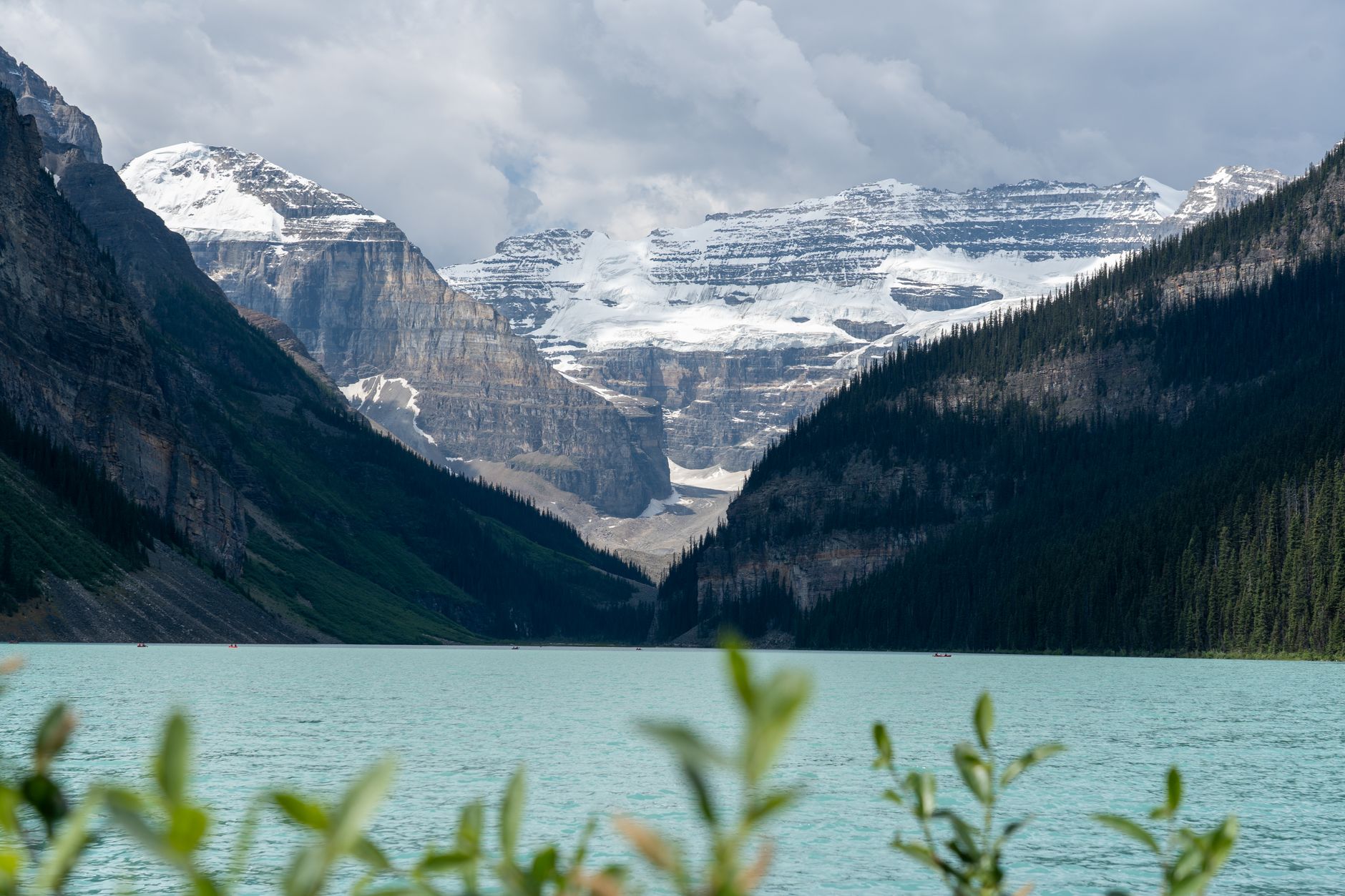
Uncover the best time to visit Banff: Your Ultimate Guide
best time to visit banff

Uncover the best time to visit Banff: Your Ultimate Guide

Unlock the secrets to an unforgettable Banff adventure, tailored to your ideal weather, activities, and crowd preferences.

Plan Your Banff Trip Now

Key Takeaways

  • ✓ Banff National Park experiences four distinct seasons, each offering unique attractions.
  • ✓ Summer (June-August) is peak season, known for warm weather and hiking, but also crowds.
  • ✓ Winter (December-March) is ideal for skiing and snowboarding, with magical snowy landscapes.
  • ✓ Shoulder seasons (spring and fall) offer fewer crowds and unique transitional beauty.

How It Works

1
Define Your Priorities

Consider what you want most from your Banff trip: hiking, skiing, wildlife viewing, or serene beauty. Your priorities will heavily influence the ideal timing.

2
Understand Seasonal Offerings

Research the typical weather, open attractions, and available activities for each season. This helps align your desires with what Banff offers at different times.

3
Factor in Crowds & Budget

Peak seasons mean higher prices and more people, while shoulder seasons can offer savings and a more peaceful experience. Decide what balance works for you.

4
Book in Advance

Regardless of the season you choose, Banff is popular. Secure accommodations, popular tours, and even some restaurant reservations well in advance, especially for peak times.

Summer in Banff: Peak Season Perfection (June, July, August)
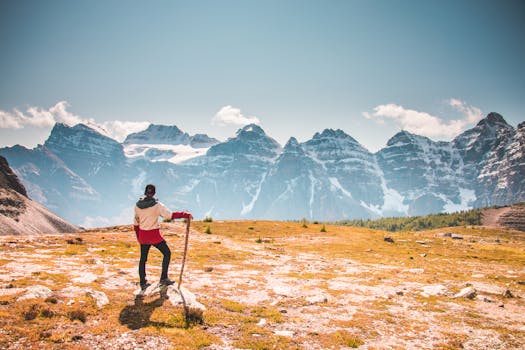
Hiker with a stick overlooking the beautiful Canadian Rockies in Banff National Park. Photo: Jaime Reimer / Pexels
Summer in Banff National Park, spanning from June to August, is undeniably the most popular time to visit, and for good reason. The Canadian Rockies truly come alive under the warm sun, offering an unparalleled landscape for outdoor enthusiasts. Average daytime temperatures typically range from a comfortable 18°C to 25°C (64°F to 77°F), though evenings can still be cool, so layers are always recommended. The long daylight hours, sometimes extending past 10 PM, maximize your exploration time, allowing for extensive hikes, leisurely drives, and breathtaking scenic overlooks. Hiking in Banff during summer is a dream, with trails to iconic spots like Lake Louise, Moraine Lake, and Johnston Canyon fully accessible and snow-free. The vibrant turquoise hues of the glacial lakes are at their most brilliant in July and August, when the rock flour from melting glaciers is most abundant, creating those postcard-perfect reflections. Wildlife viewing is also excellent, with opportunities to spot elk, deer, bighorn sheep, and occasionally bears (from a safe distance, of course) along roadsides and trails. Canoeing and kayaking on the serene lakes are quintessential summer activities, providing unique perspectives of the surrounding mountains. The town of Banff itself is bustling, with patios full, shops open late, and a vibrant atmosphere. However, this popularity comes with a few caveats. Expect significant crowds, especially at major attractions. Parking can be a challenge, and shuttle services often become essential for accessing popular trailheads. Accommodation prices are at their highest, and availability can be scarce if not booked months in advance. Similarly, popular tours and activities, such as gondola rides or guided excursions, sell out quickly. Despite the crowds, the sheer beauty and extensive range of activities make summer an incredibly compelling choice for many first-time visitors or those seeking the classic Banff experience. If you prioritize warm weather, full accessibility to all trails and attractions, and don't mind sharing the experience with many others, then summer is undoubtedly the best time to visit Banff for you. To navigate the crowds, consider starting your days early, exploring lesser-known trails, or visiting popular spots during off-peak hours (early morning or late afternoon).

Winter Wonderland: Skiing, Snowboarding, and Snowy Serenity (December, January, February, March)
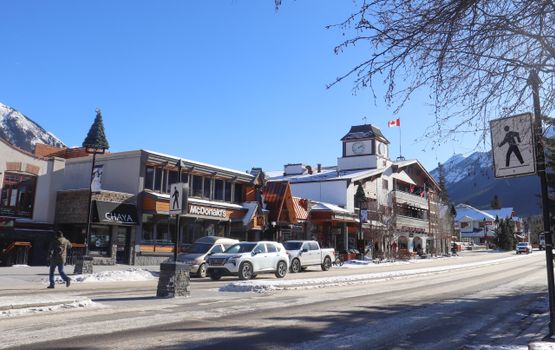
Scenic winter day on Banff Avenue, showcasing snowy streets, shops, and mountains. Photo: Claudia Solano / Pexels
For those who dream of a pristine, snow-covered landscape and exhilarating winter sports, December through March is the best time to visit Banff. This period transforms the national park into a true winter wonderland, with towering peaks draped in white and frozen lakes shimmering under crisp blue skies. Average daytime temperatures typically hover between -5°C and -10°C (15°F to 23°F), though it can drop significantly lower, especially at night or in higher elevations. Proper winter gear, including warm layers, waterproof outer shells, hats, gloves, and insulated boots, is absolutely essential for comfort and safety. The primary draw of winter in Banff is undoubtedly the world-class skiing and snowboarding at its 'Big 3' resorts: Lake Louise Ski Resort, Sunshine Village, and Mt. Norquay. These resorts offer diverse terrain for all skill levels, with abundant snowfall and breathtaking views. Beyond downhill sports, Banff offers a plethora of other winter activities. Ice skating on frozen lakes like Lake Louise, snowshoeing through silent forests, cross-country skiing on groomed trails, and dog sledding adventures are all popular options. The Banff Gondola provides stunning panoramic views of the snow-capped Rockies, and the Banff Upper Hot Springs offer a warm, relaxing soak amidst the frosty air. While winter sees fewer overall visitors than summer, the ski resorts and the town of Banff can still be quite busy, especially during holiday periods like Christmas, New Year's, and school breaks. Accommodation prices will reflect this demand, though they are generally lower than peak summer rates. One significant advantage of visiting in winter is the opportunity to witness unique natural phenomena like frozen waterfalls and the ethereal ice bubbles of Abraham Lake (though Abraham Lake is outside the park, many visitors combine it with a Banff trip). The crisp, clear air often leads to stunning starry nights, making it an excellent time for stargazing. Some roads and trails, particularly those at higher elevations or leading to more remote areas, may be closed due to snow, so it's crucial to check conditions before planning any excursions. If your idea of a perfect vacation involves fresh powder, cozy evenings by a fire, and magical snowy vistas, then winter in Banff is an unforgettable experience waiting to happen.

Shoulder Seasons: Spring Awakening & Autumn Hues (April, May, September, October, November)
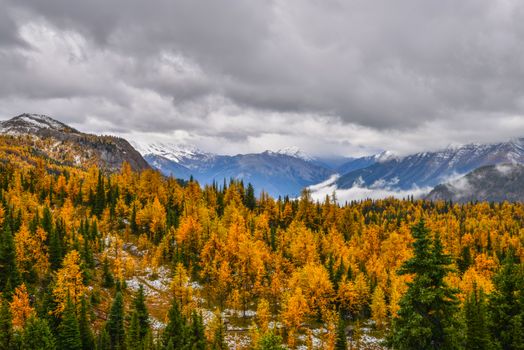
Stunning view of autumn foliage and distant snowy peaks in Banff National Park. Photo: Nunzio Guerrera / Pexels
The shoulder seasons in Banff National Park – spring (April, May) and autumn (September, October, November) – offer a compelling alternative for visitors seeking fewer crowds, lower prices, and a unique transitional beauty. These periods are characterized by fluctuating weather and a blend of seasonal activities, providing a more peaceful and often more affordable experience. Planning your Rockies trip during these months requires flexibility but can be incredibly rewarding. **Spring (April, May):** Spring in Banff is a time of awakening. As the snow begins to melt, waterfalls swell, and the first wildflowers emerge. April still sees significant snow, especially at higher elevations, making it a good month for late-season skiing or snowshoeing. By May, lower elevation trails start to open up, though many iconic lake trails (like Moraine Lake Road, which typically opens mid-to-late May) may still be inaccessible by car due to snow. Lake Louise will likely still be frozen in April and potentially into early May. Temperatures gradually climb from 0°C to 15°C (32°F to 59°F), but weather can be unpredictable, with sunny days quickly turning to snow or rain. This means packing layers and being prepared for all conditions. The advantage of spring is the dramatic contrast between snow-capped peaks and emerging greenery, the chance to see wildlife with their young, and significantly fewer tourists than in summer. Accommodation and activity prices begin to rise in May but are generally lower than peak summer rates. It’s an excellent time for photographers and those who appreciate a quieter, more dynamic landscape. **Autumn (September, October, November):** Fall is arguably one of the most visually stunning times to visit Banff, especially in late September and early October when the larch trees turn a brilliant golden yellow. This phenomenon, known as 'larch season,' draws visitors specifically to hike trails like Larch Valley and Sentinel Pass. The weather is generally crisp and cool, with daytime temperatures ranging from 5°C to 15°C (41°F to 59°F) in September, dropping to colder temperatures and increasing snowfall chances in October and November. The summer crowds begin to dissipate after the Labour Day long weekend, making popular attractions more accessible. Wildlife viewing can be excellent as animals are active in preparation for winter. Many activities, such as hiking, canoeing, and cycling, are still available in early fall. By late October and November, winter activities start to come online, with ski resorts often opening in November. Prices for accommodation and activities generally decrease as the season progresses, offering excellent value. However, some attractions might begin to close for the season, and shorter daylight hours mean less time for exploration. Be prepared for early snowfall, especially in higher elevations. If you're looking for vibrant colors, fewer crowds, and a more serene experience, autumn, particularly early fall, is an exceptional choice for the best time to visit Banff.

Choosing Your Perfect Banff Adventure: Tips for Every Traveler
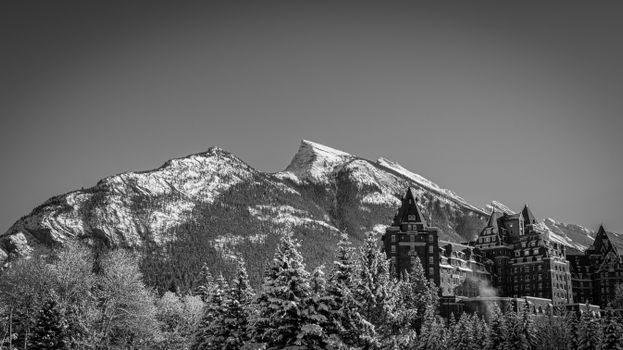
Dramatic black and white photo of a mountain scene with a historic hotel. Photo: 기승 Ki / Pexels
Deciding on the best time to visit Banff ultimately boils down to your personal preferences and what you hope to experience. There's no single 'best' month, as each season offers a unique charm and set of activities. To help you make an informed decision, consider these key tips: * **For the Avid Hiker & Lake Lover:** If your primary goal is to hike extensively on snow-free trails and witness the vibrant turquoise of Banff's glacial lakes, then **July and August** are your prime months. Be prepared for crowds and book everything well in advance. * **For the Ski & Snowboard Enthusiast:** If hitting the slopes, experiencing a true winter wonderland, and enjoying cozy winter activities are your priority, then **December to March** will be ideal. You'll find world-class conditions and a festive atmosphere. * **For Budget Travelers & Crowd Avoiders:** The shoulder seasons, **May-early June** and **late September-October**, offer a sweet spot. You'll encounter fewer people, lower prices, and a unique beauty as the park transitions between seasons. You'll need to be flexible with activities as some may be weather-dependent. * **For Wildlife Spotters:** While wildlife can be seen year-round, spring (when animals are emerging and having young) and fall (when animals are more active before winter) can offer excellent viewing opportunities. * **For Photographers:** Every season offers incredible photographic opportunities. Summer provides lush green and vibrant blue lakes, winter gives stunning snowscapes, and autumn delivers dramatic golden larches. Spring offers unique contrasts of snow and new growth. * **Check Road Closures & Conditions:** Especially in spring and fall, but even in winter, certain roads (like Moraine Lake Road or the Icefields Parkway) can have closures or require specific tires. Always check Parks Canada's website for current conditions before heading out. * **Book Accommodations & Tours Early:** This cannot be stressed enough. Banff is a popular destination. To secure your preferred lodging and activities, particularly during peak summer and winter holidays, book many months in advance. * **Pack Layers:** Regardless of the season, mountain weather can change rapidly. Dressing in layers is crucial for comfort and adaptability. By carefully considering these factors and aligning them with your ideal vacation, you can pinpoint the best time to visit Banff for an unforgettable Canadian Rockies adventure. Don't be afraid to embrace the unique characteristics of each season; Banff's beauty is truly year-round.

Comparison

FeatureSummer (June-Aug)Winter (Dec-Mar)Spring (Apr-May)Autumn (Sep-Nov)
Weather (Avg Temp)Warm (18-25°C)Cold (-5 to -10°C)Cool/Mild (0-15°C)Cool (5-15°C)
CrowdsVery HighModerate/HighLow/ModerateModerate/Low
Key ActivitiesHiking, Canoeing, LakesSkiing, Snowboarding, SkatingEarly hiking, SnowshoeingLarch hiking, Wildlife
Lake Access (e.g. Moraine)✗ (frozen/closed)✗ (partially/closed)✓ (early Fall)
Accommodation CostHighestHighLowerLower
Wildlife ViewingGoodGoodExcellent (newborns)Excellent (active)
Best for PhotographyVibrant colors, blue lakesSnowscapes, frozen beautyMelting snow, new growthGolden larches, crisp air

What Readers Say

"Visiting Banff in late September was pure magic! The golden larches were breathtaking, and the trails were much quieter than I expected. Highly recommend for photographers."

Sarah J. · Seattle, WA

"We went in July, and while it was busy, seeing Lake Louise and Moraine Lake in their full turquoise glory was worth every bit of planning. Just book your shuttle tickets far in advance!"

Mark D. · Toronto, ON

"Our family trip in February for skiing was incredible. The snow conditions were fantastic, and the kids loved the ice skating. Truly a winter wonderland experience."

Emily R. · London, UK

"May in Banff is a mixed bag, but if you're prepared for anything, it's beautiful. We got some snow one day and sunshine the next. Fewer people meant easier parking, which was a plus."

David L. · Calgary, AB

"I chose early October for hiking and the fall colors were spectacular. The crisp air and quiet trails made for some of the best hiking I've ever done. Don't underestimate the shoulder season!"

Jessica M. · Vancouver, BC

Frequently Asked Questions

What is the absolute best month to visit Banff for hiking and sightseeing?

For optimal hiking conditions, warm weather, and the most vibrant turquoise lake colors, July and August are generally considered the best months. However, be prepared for significant crowds and higher prices during this peak season.

Is Banff too crowded in the summer, and can I still enjoy it?

Yes, Banff is very crowded in the summer, especially at popular spots like Lake Louise and Moraine Lake. You can still enjoy it immensely by arriving early, utilizing shuttle services, exploring lesser-known trails, and booking everything well in advance.

How do I avoid crowds when visiting Banff?

To avoid crowds, consider visiting during the shoulder seasons (May-early June or late September-October) or in winter. During peak season, start your day very early, visit popular sites later in the afternoon, or explore less-trafficked areas of the park.

Is Banff expensive to visit, and are there cheaper times?

Banff can be expensive, particularly for accommodation and activities during peak summer and winter holiday periods. The shoulder seasons (spring and fall) generally offer lower prices for lodging and some activities, making them more budget-friendly options.

How does Banff in the fall compare to summer?

Fall in Banff (especially late September/early October) offers stunning golden larch trees, cooler temperatures, and significantly fewer crowds than summer. While some lake access might be restricted later in fall, it's ideal for scenic drives, hiking, and wildlife viewing without the summer bustle.

Who should consider visiting Banff in the winter?

Winter in Banff is perfect for ski and snowboard enthusiasts, ice skaters, snowshoers, and anyone who dreams of a magical, snowy landscape. It's also great for those seeking a cozy, festive atmosphere and unique winter activities.

What are the risks of visiting Banff during the shoulder seasons?

The main risks during shoulder seasons (spring and fall) are unpredictable weather, including sudden snowfalls, and potential closures of higher elevation roads or trails. Flexibility with your itinerary and packing for all conditions are crucial for a successful trip.

Will climate change impact the best time to visit Banff in the future?

Climate change is already impacting Banff, with shorter winter seasons, earlier snowmelt, and potential shifts in wildlife patterns. Future visitors may experience longer shoulder seasons, changes in glacial lake colors, and a need to adapt activity planning to evolving weather patterns.

No matter your preference, Banff National Park promises an unforgettable adventure. By understanding the unique offerings of each season, you can confidently choose the best time to visit Banff and craft the trip of a lifetime. Start planning your Canadian Rockies escape today!

Topics: best time to visit banffbanff national park seasonsbanff weather by monthbanff activities by seasontraveling to banff
Leo List

IE Escorts NO Escorts US Escorts NZ Escorts AU Escorts
Brampton weed
Adultwork EstrelaBet Vai de Bet R7 Bet Betão Galera Bet Rainbet Bet9ja Shop SportyBet BetKing Sisal Loto Foot Hollywoodbets YesPlay Odibets RushBet Jugabet BetWarrior BetCity MSport betPawa Fortebet