
Discover the Best National Parks Canada Offers
Unearth breathtaking landscapes and unparalleled outdoor adventures across Canada's most cherished natural treasures.
Start Your AdventureKey Takeaways
- ✓ Canada boasts 37 national parks and 10 national park reserves, covering over 340,000 square kilometers.
- ✓ Banff National Park, established in 1885, is Canada's oldest national park.
- ✓ These parks protect diverse ecosystems, from arctic tundra to temperate rainforests.
- ✓ Parks Canada offers various passes, including the Discovery Pass for unlimited access to all national parks.
How It Works
Decide if you prefer mountain hikes, coastal exploration, wildlife viewing, or cultural experiences within the parks. This will help narrow down your options significantly.
Dive into the specifics of your chosen parks, looking at activities, accommodation options, and accessibility. Check for seasonal closures or permit requirements.
Book accommodation, transportation, and any guided tours well in advance, especially during peak seasons. Consider purchasing a Parks Canada Discovery Pass for cost savings.
Prepare for varying weather conditions and bring appropriate gear for your planned activities. Always follow Leave No Trace principles to preserve these pristine environments for future generations.
Unveiling Canada's Majestic Mountain Parks
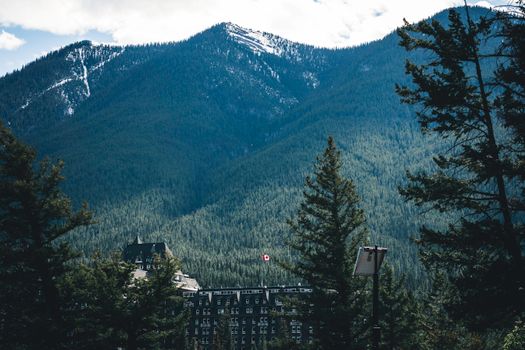 Photo: Ali Kazal / Pexels
Coastal Wonders and Maritime Marvels
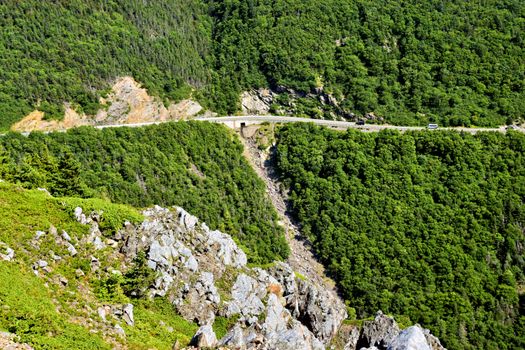 Photo: Jeffrey Eisen / Pexels
Wilderness Sanctuaries and Northern Frontiers
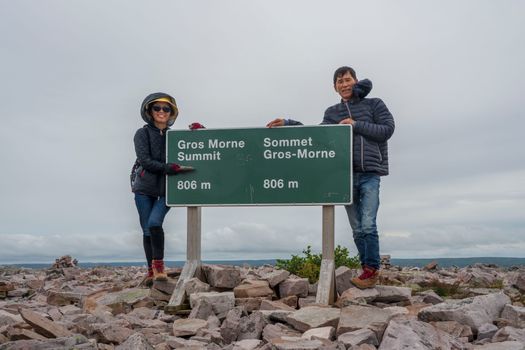 Photo: Hyukman Kwon / Pexels
Planning Your Visit: Tips for an Unforgettable Adventure
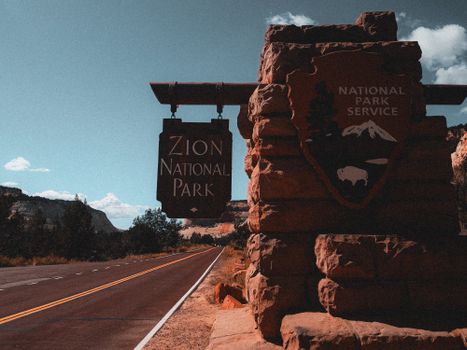 Photo: Allen Boguslavsky / Pexels
Comparison
| Feature | Banff National Park | Gros Morne National Park | Pacific Rim National Park Reserve |
|---|---|---|---|
| Primary Landscape | Mountainous, Glaciers, Lakes | Fjords, Tablelands, Forests | Coastal, Rainforest, Islands |
| Iconic Attraction | Lake Louise, Moraine Lake | Western Brook Pond, The Tablelands | Long Beach, West Coast Trail |
| Best for Hiking | Extensive mountain trails | Geological & fjord hikes | Coastal & rainforest treks |
| Wildlife Viewing | Elk, Bighorn Sheep, Bears | Moose, Caribou, Marine Birds | Whales, Sea Lions, Coastal Birds |
| Water Activities | Canoeing, Kayaking, Rafting | Boat Tours, Kayaking | Surfing, Sea Kayaking |
| Accessibility | Very Accessible | Moderately Accessible | Moderately Accessible |
| Crowd Level (Peak) | High | Moderate | Moderate-High |
| Unique Feature | UNESCO World Heritage Site | UNESCO World Heritage Site | UNESCO World Heritage Site |
What Readers Say
"Banff National Park truly lives up to its hype! The turquoise lakes and towering mountains were even more stunning in person than in photos. We spent a week hiking and canoeing, and every day was a new, breathtaking experience that made us fall in love with the best national parks Canada has."
Sarah J. · Toronto, ON"Gros Morne National Park was an unexpected marvel. The boat tour through Western Brook Pond Fjord was absolutely mesmerizing, and hiking the Tablelands felt like walking on another planet. It's truly one of the best national parks Canada offers for unique geological wonders."
David M. · Seattle, WA"Our trip to Pacific Rim National Park Reserve was unforgettable. Surfing on Long Beach and exploring the ancient rainforest trails provided such a diverse adventure. It solidified our belief that Canada has some of the most incredible natural spaces in the world."
Emily R. · London, UK"Jasper National Park offered a fantastic, slightly less crowded alternative to Banff. The wildlife sightings were incredible, and the scale of the wilderness was humbling. While some areas were busy, the sheer size of the park allowed for plenty of solitude, making it a strong contender for the best national parks Canada has."
Mark T. · Calgary, AB"Cape Breton Highlands National Park on the Cabot Trail was a dream. The blend of ocean views and mountain scenery was spectacular, and the Celtic culture added a special touch. It's a must-visit for anyone exploring the East Coast and looking for the best national parks Canada has to offer."
Jessica L. · Montreal, QCFrequently Asked Questions
Which are the most popular and best national parks Canada offers?
The most popular national parks in Canada are generally Banff, Jasper, and Yoho in the Rockies, along with Pacific Rim on the West Coast and Cape Breton Highlands on the East Coast. These parks attract the most visitors due to their iconic scenery, extensive facilities, and wide range of activities. However, 'best' is subjective and depends on individual preferences for landscape, crowd levels, and activity types.
Is it safe to visit Canadian national parks with wildlife?
Yes, it is generally safe to visit Canadian national parks, but caution and respect for wildlife are crucial. Parks Canada provides extensive guidelines for safe wildlife viewing, such as maintaining safe distances from animals, never feeding them, and carrying bear spray in bear country. Always be aware of your surroundings and make noise on trails to avoid surprising animals.
How do I purchase a Parks Canada Discovery Pass?
The Parks Canada Discovery Pass can be purchased online through the Parks Canada website, at any Parks Canada administration office, or at the gates of most national parks. It provides unlimited admission to all national parks, national historic sites, and national marine conservation areas for a full year from the date of purchase. This pass is highly recommended for those planning to visit multiple parks.
What is the best time of year to visit the best national parks Canada has?
The best time to visit largely depends on the park and your desired activities. For hiking and general outdoor recreation, summer (June to September) is ideal due to warm weather and full accessibility. Fall (September to October) offers stunning foliage and fewer crowds. Winter (November to March) is excellent for snow sports. Spring (April to May) can be a mix of conditions with fewer visitors but potential trail closures due to snowmelt.
Are there accessible options for visitors with mobility challenges in Canada's national parks?
Parks Canada is committed to improving accessibility. Many national parks offer accessible trails, boardwalks, viewpoints, and facilities, including accessible campsites and washrooms. It's best to check the specific park's website or contact their visitor center in advance to inquire about the accessible options available for your visit, as offerings vary by location and terrain.
Who should consider visiting the more remote northern national parks?
The more remote northern national parks, like Nahanni or Auyuittuq, are best suited for experienced adventurers seeking a true wilderness experience, solitude, and challenging outdoor activities. These parks often require specialized gear, significant planning, and sometimes guided expeditions due to their remote locations, rugged terrain, and limited infrastructure. They are ideal for those looking for profound immersion in untouched nature.
What are the environmental risks and how can visitors help protect the parks?
Environmental risks include habitat disruption, pollution, and the spread of invasive species. Visitors can help by practicing Leave No Trace principles: pack out all trash, stay on marked trails, respect wildlife, minimize campfire impacts, and properly dispose of human waste. Additionally, supporting park conservation efforts and educating others about responsible tourism contributes to the long-term protection of these precious ecosystems.
How might climate change impact the future of the best national parks Canada has?
Climate change poses significant threats to Canada's national parks, including melting glaciers, changes in wildlife migration patterns, increased frequency of wildfires, and impacts on unique ecosystems. Parks Canada is actively engaged in monitoring these changes and implementing conservation strategies, but future visitors may observe shifts in landscapes and biodiversity. Supporting research and sustainable practices is vital for their preservation.
Embark on an unforgettable journey through the best national parks Canada has to offer. Whether you seek towering mountains, pristine coastlines, or remote wilderness, these natural wonders await your discovery. Start planning your Canadian national park adventure today and create memories that will last a lifetime.