✓ The Great Trail (Trans Canada Trail) is the world's longest recreational trail at 28,000 km.
✓ Many of Canada's best trails are located within National Parks, requiring a park pass.
✓ Hiking seasons vary significantly across Canada, from year-round in some coastal areas to short summer windows in the high Rockies.
How It Works
1
Choose Your Region
Decide which part of Canada you want to explore, from the Pacific coast to the Atlantic, or the vast interior. Each region offers unique geological features and trail experiences.
2
Assess Your Skill Level
Determine if you're looking for a leisurely stroll, a moderate day hike, or a challenging multi-day backcountry trek. Canada has trails suitable for all experience levels.
3
Plan Your Logistics
Research trail conditions, required permits, accommodation options (camping or lodging), and essential gear. Proper preparation ensures a safe and enjoyable hike.
4
Hit the Trail Safely
Follow Leave No Trace principles, inform someone of your itinerary, and be prepared for changing weather. Enjoy the breathtaking natural beauty responsibly.
Unveiling the Majesty of Western Canada's Trails
Photo: Ali Kazal / Pexels
Western Canada, particularly British Columbia and Alberta, is synonymous with iconic mountain landscapes, pristine alpine lakes, and some of the best hiking trails in Canada. The Canadian Rockies alone offer an unparalleled variety of treks, from accessible lakeside strolls to grueling multi-day expeditions. In Banff National Park, trails like the Lake Agnes Tea House Trail or the Plain of Six Glaciers provide stunning views of Lake Louise and its surrounding peaks. These trails, while popular, are incredibly rewarding, offering glimpses of glaciers, waterfalls, and vibrant wildflower meadows during summer months. Further north, Jasper National Park presents equally spectacular options, such as the Maligne Canyon Trail, a unique experience winding through a deep limestone gorge, or the Wilcox Pass Trail, which offers panoramic views of the Columbia Icefield. For those seeking a more remote experience, Yoho National Park’s Iceline Trail is a challenging but immensely rewarding circuit, showcasing a series of waterfalls and glaciated peaks. Beyond the Rockies, British Columbia's coastal mountains and Vancouver Island provide a different kind of wilderness. The West Coast Trail, a legendary multi-day trek along the rugged Pacific coastline, is an ultimate challenge for experienced hikers, demanding resilience against unpredictable weather, challenging terrain, and technical sections involving ladders and cable cars. This trail is not just a physical test but a journey through ancient rainforests, along stunning beaches, and past historical shipwrecks, offering profound solitude and connection with nature. Similarly, the Juan de Fuca Marine Trail offers a shorter but equally beautiful coastal experience. Even near urban centers, Vancouver boasts world-class hiking within its North Shore mountains, like the Grouse Grind (a challenging ascent) or the more leisurely trails in Lynn Canyon Park. Preparing for these trails involves considering bear safety, especially in the Rockies, carrying adequate water and supplies, and dressing in layers for changeable mountain weather. Permits and reservations are often required for backcountry camping and popular trails, so advance planning is crucial. The sheer scale and diversity of Western Canada's trails mean there's an adventure for every hiker, promising unforgettable encounters with some of the world's most spectacular scenery. For more travel ideas, check out our guide on planning your Canadian adventure.
Exploring Central and Eastern Canada's Hidden Gems
Photo: Jeffrey Eisen / Pexels
While the Rockies often grab the spotlight, Central and Eastern Canada offer a treasure trove of diverse hiking experiences, each with its unique charm and ecological features. Ontario, for instance, is home to a vast network of trails. The Bruce Trail, Canada's oldest and longest marked footpath, stretches over 900 km along the Niagara Escarpment, a UNESCO World Biosphere Reserve. This trail offers everything from strenuous climbs to gentle forest walks, showcasing stunning cliff faces, ancient forests, and numerous waterfalls, particularly vibrant in autumn. Portions of the Bruce Trail, especially around Tobermory, provide breathtaking views of Georgian Bay’s turquoise waters and unique rock formations. Algonquin Provincial Park, another Ontario gem, boasts numerous day hikes and extensive backcountry canoe routes, often combined with portages. Trails like the Mizzy Lake Trail offer excellent wildlife viewing opportunities, including moose and various bird species. In Quebec, the vast Gaspésie National Park is a hiker’s paradise, dominated by the Chic-Choc Mountains, part of the Appalachian range. Mont Albert and Mont Jacques-Cartier offer challenging ascents to alpine tundras, where caribou can sometimes be spotted. The Sentier International des Appalaches (SIA-QC) provides long-distance hiking options, connecting various parks and reserves. The maritime provinces of Nova Scotia, New Brunswick, and Prince Edward Island offer a distinct coastal hiking experience. Nova Scotia's Cape Breton Highlands National Park is home to the world-renowned Cabot Trail, a scenic drive that also provides access to numerous spectacular hiking trails. The Skyline Trail, a relatively easy loop, offers panoramic views of the Gulf of St. Lawrence and the winding Cabot Trail below, a perfect spot for sunset viewing. New Brunswick's Fundy National Park features trails that lead to dramatic ocean views, cascading waterfalls, and through Acadian forests. The Fundy Footpath, a challenging multi-day wilderness trail, hugs the coastline of the Bay of Fundy, famous for the highest tides in the world, requiring careful planning around tide schedules. Prince Edward Island, while flatter, offers charming coastal walks and trails through rolling farmlands. These regions provide a different perspective on Canada's natural beauty, often less crowded than their western counterparts, and equally rewarding for those seeking tranquility and unique landscapes.
Northern Territories and The Great Trail: Epic Canadian Adventures
Photo: Maximilian Ruther / Pexels
For the truly adventurous, Canada's Northern Territories – Yukon, Northwest Territories, and Nunavut – offer unparalleled wilderness hiking experiences, starkly different from the more developed trails further south. These remote regions are characterized by vast tundra, towering mountains, and an incredible sense of solitude. In the Yukon, Kluane National Park and Reserve is a UNESCO World Heritage site, home to Canada's highest peak, Mount Logan. While many areas require expert mountaineering skills, trails like the King's Throne Trail offer strenuous day hikes with incredible views of Kathleen Lake and the surrounding wilderness. The Chilkoot Trail, a historic gold rush route, is a multi-day international trek (starting in Alaska, ending in Yukon) that combines stunning scenery with a rich historical narrative, requiring extensive preparation and permits. The Northwest Territories boasts Nahanni National Park Reserve, another UNESCO site, famous for its deep canyons, hot springs, and Virginia Falls, twice the height of Niagara. Hiking in Nahanni is often combined with canoe or raft trips, accessing remote trails that offer true wilderness immersion. Nunavut, with its vast Arctic landscapes, offers a unique hiking environment. Auyuittuq National Park, located on Baffin Island, features the Akshayuk Pass, a challenging multi-day trek through a dramatic glaciated landscape. This is an extreme adventure, demanding self-sufficiency and experience in Arctic conditions, but rewarding hikers with pristine, untouched wilderness and opportunities to see Arctic wildlife. Beyond these specific park trails, the ultimate Canadian hiking experience is arguably The Great Trail (formerly the Trans Canada Trail). Stretching over 28,000 kilometers, it is the longest recreational trail network in the world, connecting Canada's three oceans and traversing every province and territory. While not a single continuous hiking path, it comprises thousands of individual trails suitable for various activities, including hiking, cycling, and paddling. Hikers can choose to tackle segments ranging from urban greenways to rugged backcountry paths, experiencing the incredible diversity of Canada's landscapes and cultures. Whether you're walking along a rehabilitated rail line in Saskatchewan or a coastal path in Newfoundland, The Great Trail offers a unique way to connect with the country's vastness. Planning for northern and long-distance trails requires meticulous attention to detail, including satellite communication devices, extensive survival skills, and an understanding of local wildlife, particularly bears. These are truly once-in-a-lifetime adventures for those prepared to embrace the wild. Discover more about planning your routes in traveling Canada.
Essential Tips for Conquering Canada's Best Hiking Trails
Photo: Tima Miroshnichenko / Pexels
Embarking on an adventure to explore the best hiking trails in Canada requires more than just a good pair of boots; it demands thoughtful preparation and respect for the wilderness. Here are crucial tips to ensure a safe, enjoyable, and responsible hiking experience. Firstly, always prioritize safety. This means informing someone of your itinerary, including your route, expected return time, and who to contact if you don't check in. Carry a fully charged phone, but don't rely solely on it; consider a satellite communication device for remote areas. Essential gear includes navigation tools (map and compass, or a reliable GPS device), adequate water (more than you think you'll need), high-energy snacks, a first-aid kit, a headlamp or flashlight, sun protection, a whistle, and appropriate layers of clothing. Weather in Canada, especially in mountainous regions, can change rapidly, so waterproof and windproof outer layers are non-negotiable. Secondly, practice Leave No Trace principles. This means packing out everything you pack in, staying on marked trails to protect fragile ecosystems, disposing of waste properly, respecting wildlife (never feed animals and maintain a safe distance), and minimizing campfire impacts. The beauty of Canada's trails relies on every hiker doing their part to preserve them. Thirdly, understand the terrain and wildlife. Bear spray is highly recommended in many parts of Canada, particularly in bear country (most of Western Canada and parts of the North). Know how to use it and understand bear encounter protocols. Research local wildlife, including cougars and moose, and know what to do if you encounter them. Fourthly, check trail conditions and regulations before you go. Many trails, especially in national parks, require park passes, permits for backcountry camping, or even day-use passes during peak season. Websites for Parks Canada or provincial park services are invaluable resources for up-to-date information on trail closures, bear warnings, and fire bans. Finally, start small and build up. If you're new to hiking or to a particular type of terrain, choose easier trails first to build your endurance and confidence. Don't overestimate your abilities, especially on multi-day treks. By following these tips, you'll be well-equipped to fully immerse yourself in the awe-inspiring beauty of Canada's premier hiking destinations.
Comparison
Feature
West Coast Trail (BC)
Skyline Trail (NS)
Bruce Trail (ON)
Chilkoot Trail (YT)
Region
Pacific Rim National Park, BC
Cape Breton Highlands NP, NS
Niagara Escarpment, ON
Kluane NP, YT / Alaska
Difficulty
Strenuous (Multi-day)
Moderate (Day Hike)
Varied (Day/Multi-day)
Strenuous (Multi-day)
Terrain
Rugged Coastline, Rainforest
Coastal Mountains, Forest
Escarpment, Forest, Cliffs
Alpine, Sub-alpine, Forest
Permits Required
✓
✗ (Park Pass needed)
✗ (Camping permits for some sections)
✓ (International crossing)
Wildlife
Bears, Wolves, Marine Life
Moose, Eagles, Whales
Deer, Birds, Small Mammals
Bears, Caribou, Sheep
Best Season
Late Spring to Early Fall
Summer, Fall
Spring, Summer, Fall
Summer (July-August)
What Readers Say
★★★★★
"The Lake Agnes Tea House trail in Banff was an absolute dream! The views of Lake Louise were unparalleled, and the tea house itself was a charming reward. Definitely one of the best hiking trails in Canada for a memorable day out."
Sarah J. · Calgary, AB
★★★★★
"I've hiked many sections of the Bruce Trail, and each time I'm amazed by its beauty. The autumn colors are spectacular, and it truly offers a peaceful escape. It's fantastic to have such a diverse trail system so close to urban centers."
Mark D. · Toronto, ON
★★★★★
"Tackling the West Coast Trail was a bucket list item, and it exceeded all expectations. The challenge was immense, but the raw beauty of the Pacific coastline and the sense of accomplishment made it truly worth it. Prepare thoroughly, and you'll have an unforgettable experience."
Emily R. · Seattle, WA
★★★★★
"The Skyline Trail in Cape Breton offers incredible views, especially at sunset. It can get a bit crowded during peak season, but if you go early or later in the day, you'll still capture that serene East Coast magic. A must-do for anyone visiting the area."
David L. · Halifax, NS
★★★★★
"For a truly wild experience, the trails in Jasper National Park are phenomenal. We did a multi-day trip on the Tonquin Valley trail, and the solitude and wildlife sightings were incredible. It cemented my belief that Canada has the best hiking trails in the world."
Jessica M. · Vancouver, BC
Frequently Asked Questions
What is the best time of year to hike in Canada?
The best time largely depends on the region. For the Canadian Rockies, late June to early October is ideal. Coastal areas like Vancouver Island or Nova Scotia can offer hiking from spring to late fall. Northern regions have a very short summer season, typically July and August. Always check specific trail conditions before planning.
Are permits required for hiking on Canada's best trails?
For many popular trails, especially those within National Parks (like Banff, Jasper, Pacific Rim), a park pass is required. Backcountry camping on these trails almost always requires a permit, often with advance reservations, particularly for high-demand routes like the West Coast Trail or Chilkoot Trail. Day-use permits are becoming more common in crowded areas.
How do I prepare for encountering wildlife, especially bears, on Canadian trails?
Always carry bear spray and know how to use it. Make noise while hiking to avoid surprising animals. Store food in bear-proof containers or hung from trees. Never feed wildlife. If you encounter a bear, stay calm, identify the type of bear, and follow appropriate safety protocols (e.g., make yourself look big for black bears, play dead for grizzlies in a defensive attack).
What is the cost associated with hiking in Canada?
Costs can vary. A Parks Canada Discovery Pass (annual) costs around $145 for a family/group, or $72.25 for an adult, providing access to all national parks. Specific trail permits (e.g., West Coast Trail) can range from $100-$200+. Backcountry camping fees are typically $10-15 per person per night. Beyond that, it's equipment, transportation, and food.
How do Canada's best hiking trails compare to those in the USA?
Both countries offer incredible hiking. Canada's trails are often characterized by their vast, untouched wilderness, fewer crowds (outside of major national parks), and a strong focus on self-sufficiency, especially in the North. USA trails can be more developed and accessible in some areas, but Canada offers a unique blend of ruggedness and immense natural beauty, often with a more remote feel.
Who should consider hiking Canada's premier trails?
Anyone with a love for the outdoors, from casual strollers to seasoned backpackers. Canada offers trails for all skill levels, from easy interpretive walks suitable for families to multi-day, challenging treks for experienced adventurers. Those seeking stunning mountain vistas, pristine coastlines, ancient forests, and abundant wildlife will find their paradise here.
What are the common risks or challenges on Canadian hiking trails?
Common risks include sudden weather changes, wildlife encounters (bears, cougars, moose), difficult terrain (roots, rocks, mud), navigation challenges in remote areas, and hypothermia/hyperthermia. Proper preparation, carrying essential gear, and knowing your limits are crucial to mitigating these risks.
What are the emerging trends in Canadian hiking?
Growing interest in multi-day hut-to-hut or lodge-to-lodge hiking experiences (e.g., in the Rockies), increased demand for guided tours in remote areas, and a stronger emphasis on sustainable and responsible tourism. There's also a rising popularity in winter hiking and snowshoeing on accessible trails, extending the hiking season.
Ready to experience the breathtaking beauty and challenging landscapes of the Great White North? Start planning your adventure today to discover the best hiking trails in Canada. With a trail for every ambition, your unforgettable Canadian wilderness journey awaits.

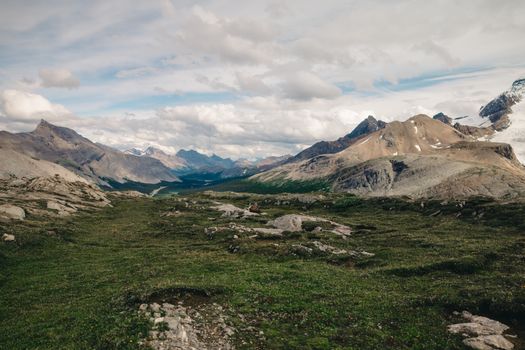 Photo: Ali Kazal / Pexels
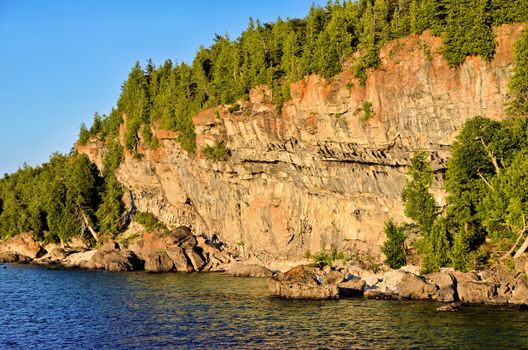 Photo: Jeffrey Eisen / Pexels
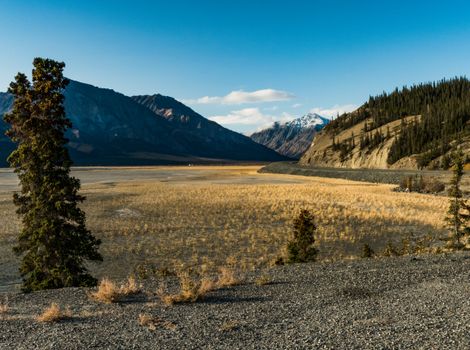 Photo: Maximilian Ruther / Pexels
 Photo: Tima Miroshnichenko / Pexels