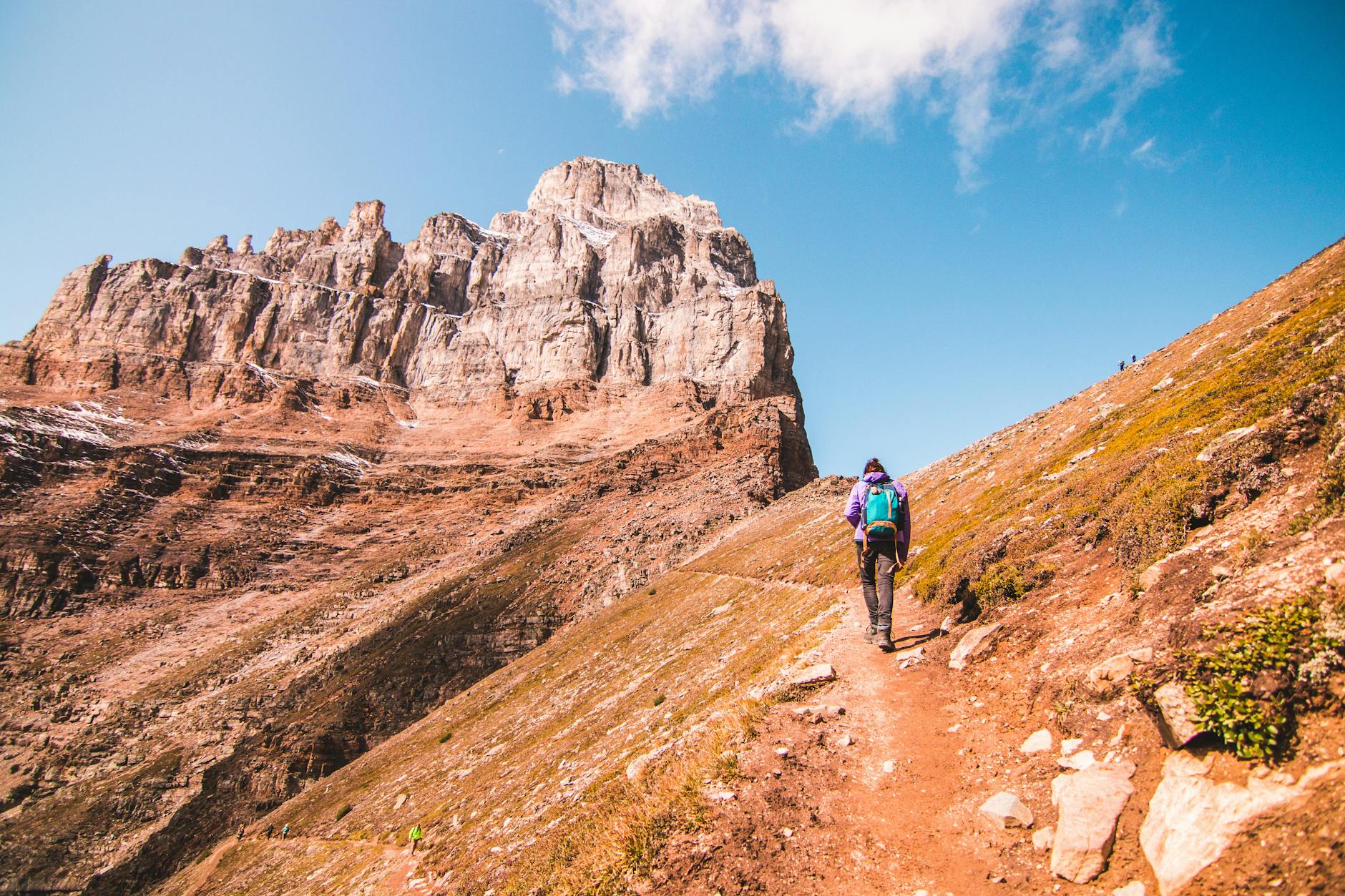
Discover the Best Hiking Trails Banff Has to Offer
best hiking trails banff

Discover the Best Hiking Trails Banff Has to Offer

Uncover breathtaking vistas and pristine wilderness on an unforgettable journey through Banff's most iconic and hidden gems.

Plan Your Hike Now

Key Takeaways

  • ✓ Banff National Park covers 6,641 square kilometers (2,564 sq mi) of mountainous terrain.
  • ✓ The park is home to over 1,600 kilometers (1,000 miles) of maintained hiking trails.
  • ✓ Elevation ranges from 1,350 meters (4,430 ft) to over 3,600 meters (11,800 ft).
  • ✓ Wildlife encounters are common, including elk, deer, bighorn sheep, and bears.

How It Works

1
Choose Your Trail Type

Decide on your desired difficulty, length, and elevation gain. Banff offers options from easy lakeside strolls to multi-day backcountry expeditions.

2
Prepare for the Backcountry

Pack appropriate gear including layers, water, bear spray, and navigation tools. Check weather forecasts and trail conditions before you depart.

3
Understand Park Regulations

Familiarize yourself with Parks Canada rules, including bear safety, Leave No Trace principles, and backcountry permits if applicable. Respect wildlife and the environment.

4
Embark on Your Adventure

Enjoy the stunning landscapes and fresh mountain air. Remember to share your itinerary with someone and be prepared for changing conditions.

Iconic Banff Hiking Trails: Must-See Views and Unforgettable Experiences
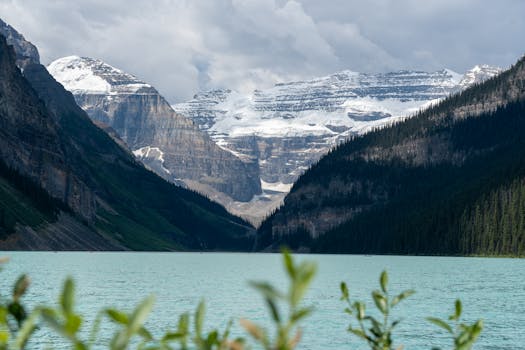
Stunning view of Lake Louise with mountains and glacier reflections in Banff National Park, Alberta, Canada. Photo: Ryan Beirne / Pexels
Banff National Park, a jewel in the Canadian Rockies, offers an unparalleled hiking experience that caters to every level of adventurer. From serene lakeside ambles to challenging alpine ascents, the best hiking trails in Banff promise breathtaking vistas and an intimate connection with nature. When planning your trip, understanding the variety of trails available is key to crafting an unforgettable journey. Perhaps the most famous starting point for many is the area around Lake Louise. Here, the Lake Agnes Tea House Trail stands out as a classic. This moderate 7 km (4.3 miles) round trip hike with an elevation gain of 400 meters (1,300 ft) takes you through a beautiful forest to a historic tea house perched beside a stunning turquoise lake. It's a journey steeped in history and natural beauty, offering a charming reward at the end. For those seeking something a bit more strenuous but equally rewarding, the Plain of Six Glaciers Trail, also originating from Lake Louise, extends beyond the Lake Agnes Tea House. This 14.6 km (9 miles) round trip hike features an elevation gain of 580 meters (1,900 ft) and leads to another historic tea house, providing panoramic views of glaciers and towering peaks. The sheer scale and beauty of the landscape here are truly humbling. Beyond Lake Louise, Johnston Canyon offers a unique geological experience. Its lower and upper falls trails are incredibly popular, winding along catwalks bolted into the canyon walls, providing dramatic views of cascading water and ancient rock formations. The Lower Falls is an easy 1.1 km (0.7 miles) one-way walk, while the Upper Falls adds another 1.6 km (1 mile) for a slightly longer but still accessible adventure. For a truly iconic Banff experience, considering a hike around Moraine Lake is essential. While the road to Moraine Lake is now closed to personal vehicles, shuttle services make it accessible. The Consolation Lakes Trail, an easy 5.8 km (3.6 miles) round trip, offers stunning views of the Ten Peaks reflected in the calm waters. For a more challenging option, the Sentinel Pass Trail (via Larch Valley) is a strenuous 11.6 km (7.2 miles) round trip with a significant elevation gain of 725 meters (2,378 ft), especially spectacular during the autumn larch season when the needles turn golden. Each of these trails provides a distinct flavor of Banff's majestic wilderness, promising memories that will last a lifetime. Whether you're a seasoned hiker or a casual walker, the best hiking trails Banff has to offer are waiting to be explored. Remember to check trail conditions and weather forecasts before embarking on any adventure, as mountain environments can change rapidly. For more general travel tips in the region, consult our guide on planning your Canadian Rockies adventure.

Lesser-Known Gems: Discovering Banff's Hidden Hiking Trails
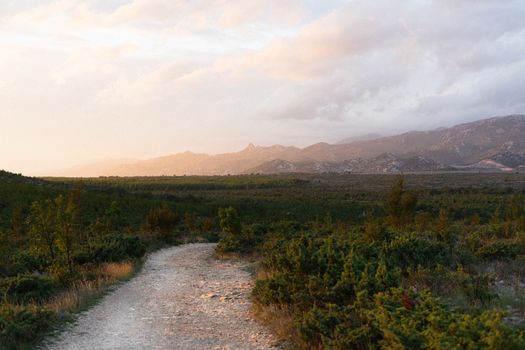
Peaceful mountain landscape with a winding path at sunset. Photo: Nici Gottstein / Pexels
While the iconic trails of Banff National Park draw crowds, a wealth of lesser-known gems offer solitude and equally spectacular scenery for those willing to venture a little further off the beaten path. These hidden hiking trails provide a different perspective of Banff's majestic landscapes, often rewarding hikers with unique viewpoints and a deeper sense of tranquility. One such trail is Cory Pass – Mount Edith Circuit. This challenging 13 km (8.1 miles) loop with a substantial elevation gain of 1,000 meters (3,280 ft) is not for the faint of heart, but the panoramic views of the Bow Valley and the unique rock formations are absolutely unparalleled. It's a full-day commitment requiring good fitness, but the feeling of accomplishment and the incredible scenery make it well worth the effort. Another fantastic option for those seeking a quieter experience is the Cascade Amphitheatre Trail. Starting near the Banff Gondola, this 15.5 km (9.6 miles) round trip hike gains 640 meters (2,100 ft) in elevation, leading to a vast, bowl-shaped valley often filled with wildflowers in the summer. The trail offers diverse terrain, from forested paths to open meadows, providing a dynamic hiking experience away from the busiest areas. For a family-friendly yet rewarding alternative to the more crowded paths, consider the Tunnel Mountain Trail. Located right on the edge of Banff townsite, this moderate 4.3 km (2.7 miles) loop with 260 meters (850 ft) of elevation gain offers fantastic views of the town, Bow Valley, and surrounding peaks. It's an excellent choice for a morning or evening hike, providing stunning vistas without requiring a long drive. While it's not exactly 'hidden,' its accessibility and rewarding views often surprise those who overlook it for more distant destinations. Further afield, but still within the Banff vicinity, the Arnica Lake Trail provides a beautiful journey through subalpine forests to a pristine lake. This moderate 10.3 km (6.4 miles) round trip hike with 620 meters (2,034 ft) of elevation gain is particularly stunning in late summer when wildflowers are abundant. It offers a peaceful escape and a chance to experience Banff's natural beauty in a more secluded setting. When exploring these lesser-known trails, it’s even more crucial to be self-sufficient and prepared, as they may have fewer services or other hikers. Always carry a map, compass or GPS, sufficient water, and bear spray. The reward for this extra preparation is an unparalleled connection with the raw, untamed beauty of the Canadian Rockies. These trails truly showcase that the best hiking trails Banff offers extend far beyond the most publicized routes, inviting discovery and adventure.

Preparing for Your Banff Hiking Adventure: Safety and Sustainability
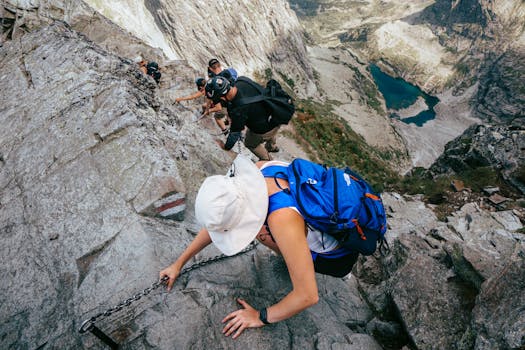
Adventurous hike on a rocky trail in High Tatras, showcasing an alpine lake and mountain scenery. Photo: Artūras Kokorevas / Pexels
Embarking on any of the best hiking trails Banff has to offer requires thoughtful preparation, not just for your enjoyment but also for your safety and the preservation of this incredible natural environment. The Canadian Rockies are magnificent but also unpredictable, with rapidly changing weather and active wildlife. Proper planning ensures a safe and memorable experience for everyone. First and foremost, always check the weather forecast and trail conditions before heading out. Mountain weather can shift dramatically, with sunshine quickly turning to rain, snow, or even hail, even in summer. Parks Canada provides up-to-date trail reports that detail closures, hazards, and bear activity. Dressing in layers is crucial, allowing you to adapt to temperature fluctuations. Essential gear includes sturdy hiking boots, rain gear, extra warm layers, a first-aid kit, a headlamp, navigation tools (map, compass, or GPS app), and plenty of water and snacks. Bear safety is paramount in Banff National Park. Always carry bear spray and know how to use it. Make noise while hiking, especially in dense vegetation, to avoid surprising wildlife. Hike in groups, and if you encounter a bear, know the appropriate response – never run. Store food securely and pack out all garbage to prevent attracting animals. Wildlife viewing is a privilege, so observe from a distance and never feed animals. Respecting the Leave No Trace principles is fundamental to preserving Banff's pristine beauty. This means planning ahead and preparing, traveling on durable surfaces, disposing of waste properly, leaving what you find, minimizing campfire impacts, respecting wildlife, and being considerate of other visitors. These guidelines help ensure that the natural environment remains unspoiled for future generations. Backcountry permits are required for overnight stays in the backcountry. Even for day hikes, it's wise to inform someone of your itinerary and expected return time. Cellular service can be unreliable in many areas of the park, so don't rely solely on your phone for emergencies. Consider carrying a satellite communication device for remote treks. Finally, be realistic about your fitness level and choose trails that match your capabilities. Pushing beyond your limits can lead to injuries or exhaustion, diminishing the enjoyment of your hike. Start with easier trails and gradually increase difficulty. By prioritizing safety and sustainability, you contribute to the longevity of Banff's natural wonders and ensure that your experience on the best hiking trails Banff has to offer is not only exhilarating but also responsible. For more information on responsible tourism, check out our insights on sustainable travel practices.

Common Mistakes to Avoid on Banff's Hiking Trails
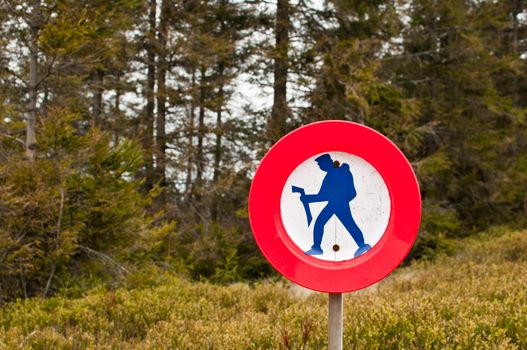
A forest scene featuring a red circle hiking prohibition sign indicating restricted access. Photo: Qnula / Pexels
Even experienced hikers can make mistakes, and in the challenging environment of Banff National Park, these can have significant consequences. Avoiding common pitfalls will ensure your adventure on the best hiking trails Banff has to offer is as smooth and enjoyable as possible. Here are some key mistakes to steer clear of:
  • Underestimating the Weather: This is perhaps the most frequent error. Sunny mornings can quickly turn into freezing rain or snowstorms, even in summer. Always pack layers, including waterproof outer shells, regardless of the forecast.
  • Not Carrying Enough Water: Dehydration is a serious risk, especially on longer or more strenuous hikes at altitude. Bring more water than you think you'll need, or a water filter/purifier if you plan to refill from natural sources.
  • Ignoring Bear Safety Protocols: Many visitors don't carry bear spray or don't know how to use it. Make noise, hike in groups, and keep your food secure. Bear encounters are rare but can be dangerous if unprepared.
  • Wearing Inappropriate Footwear: Flip-flops or casual sneakers are not suitable for most Banff trails. Invest in sturdy, broken-in hiking boots with good ankle support and traction.
  • Straying Off Marked Trails: This can lead to getting lost, damaging fragile ecosystems, or encountering unexpected hazards. Stick to designated paths.
  • Not Informing Anyone of Your Plans: Cell service is spotty. Always tell a friend, family member, or hotel staff your route and estimated return time.
  • Overestimating Fitness Levels: Many trails in Banff involve significant elevation gain and can be more challenging than anticipated. Start with easier hikes and gradually progress.
  • Feeding Wildlife: This habituates animals to humans, leading to aggressive behavior and often the animal's eventual removal or euthanasia. It's illegal and harmful.
  • Leaving Garbage Behind: Pack out everything you pack in, including organic waste like apple cores and banana peels, which can harm wildlife.
  • Failing to Check Trail Conditions: Before you go, check Parks Canada's website for closures, warnings, or recent bear sightings. Conditions can change daily.
By being mindful of these common mistakes, you can greatly enhance your safety and enjoyment, ensuring your Banff hiking experience is memorable for all the right reasons.

Comparison

FeatureLake Agnes Tea HouseJohnston Canyon (Upper Falls)Cory Pass - Mt. Edith CircuitTunnel Mountain
DifficultyModerateEasy-ModerateStrenuousEasy-Moderate
Distance (Round Trip)7 km (4.3 miles)5.2 km (3.2 miles)13 km (8.1 miles)4.3 km (2.7 miles)
Elevation Gain400 m (1,300 ft)260 m (850 ft)1,000 m (3,280 ft)260 m (850 ft)
Crowd LevelHighVery HighLow-ModerateModerate
Family Friendly
ViewsLake, Tea HouseCanyon, WaterfallsPanoramic Valley, PeaksTown, Valley, Peaks
Time Needed2-3 hours1.5-2.5 hours6-8 hours1-2 hours

What Readers Say

"The Lake Agnes Tea House trail is one of the best hiking trails Banff offers! The views of Lake Louise are incredible, and the tea house at the top is such a charming reward. It's a must-do for anyone visiting."

Sarah J. · Vancouver, BC

"We tackled the Plain of Six Glaciers and were absolutely blown away. The sheer scale of the glaciers and mountains was breathtaking. Definitely a challenging but immensely rewarding hike in Banff."

Mark D. · Calgary, AB

"Johnston Canyon was surprisingly beautiful and accessible. The catwalks were a unique experience, and the waterfalls were stunning. Even with crowds, it's one of the best hiking trails Banff for all ages."

Emily R. · Seattle, WA

"Cory Pass was tough, but the views from the top were unlike anything I've ever seen. It's definitely for experienced hikers, and you need to be prepared, but it offers solitude and truly epic scenery that makes it one of the best hiking trails Banff for adventurers."

David L. · Toronto, ON

"We did Tunnel Mountain as a quick morning hike and loved it! Fantastic panoramic views of Banff town and the surrounding mountains without taking up our whole day. A great, accessible option among the best hiking trails Banff has."

Jessica M. · London, UK

Frequently Asked Questions

What is the best time of year to hike in Banff?

The best time to hike in Banff is typically from late June to early October. During this period, most trails are free of snow, wildflowers are in bloom, and the weather is generally mild. However, shoulder seasons (late spring, early fall) can offer fewer crowds and unique beauty, but also require more vigilance for changing conditions.

Are permits required for hiking in Banff National Park?

A Parks Canada Discovery Pass or daily park pass is required for entry into Banff National Park for all visitors. For day hikes, no additional permits are typically needed. However, backcountry permits are mandatory for any overnight stays in the wilderness.

How do I deal with bears while hiking in Banff?

Always carry bear spray and know how to use it. Make noise while hiking, especially in dense areas, to avoid surprising a bear. Hike in groups and keep dogs on a leash. If you encounter a bear, remain calm, speak in a low voice, and slowly back away. Never run or approach the bear.

What is the cost of a Parks Canada Discovery Pass?

The cost of a Parks Canada Discovery Pass varies. A family/group pass (up to 7 people in one vehicle) is approximately $145 CAD for a year, while an adult pass is around $72 CAD for a year. Daily passes are also available. Prices are subject to change, so always check the official Parks Canada website for the most current rates.

How do Banff's hiking trails compare to those in Jasper National Park?

Both Banff and Jasper offer incredible hiking, but they have distinct characters. Banff's trails are generally more developed and accessible, with more iconic, often crowded, destinations. Jasper's trails tend to be wilder and more remote, offering a greater sense of solitude. Both boast stunning mountain scenery, but Banff often features more turquoise lakes, while Jasper is known for its vast wilderness and waterfalls.

Who should consider hiking in Banff National Park?

Banff National Park is ideal for anyone seeking outdoor adventure, from families with young children looking for easy walks to experienced mountaineers desiring challenging alpine ascents. Its diverse trail network means there's something for every fitness level and interest, making it perfect for nature lovers, photographers, and those seeking awe-inspiring landscapes.

What are the risks associated with hiking in Banff?

Key risks include unpredictable mountain weather, wildlife encounters (especially bears and cougars), avalanches (in winter/spring), rockfalls, getting lost, and injuries due to uneven terrain. Proper preparation, carrying essential gear, checking conditions, and informing others of your plans are crucial for mitigating these risks.

Are there any future trends impacting hiking in Banff?

Future trends include a continued focus on sustainable tourism and managing visitor impact, potentially leading to more reservation systems for popular trails or attractions. There's also a growing emphasis on digital trail information and safety resources, and adapting to climate change impacts on trail conditions and glacier melt.

Ready to lace up your boots and explore the Canadian Rockies? With this guide, you're well-equipped to discover the best hiking trails Banff has to offer, from serene lakeside paths to challenging alpine adventures. Start planning your unforgettable Banff hiking experience today and immerse yourself in nature's grandeur.

Topics: best hiking trails banffBanff National Park hikesCanadian Rockies hikingLake Louise trailsBanff scenic walks
Leo List
Brampton weed
Adultwork