Discover the Best Canadian National Parks to Visit
best canadian national parks to visit

Discover the Best Canadian National Parks to Visit

Uncover Canada's most stunning natural wonders and plan your ultimate wilderness escape today.

Start Your Adventure

Key Takeaways

  • ✓ Canada boasts 37 National Parks, 10 National Park Reserves, and 1 National Urban Park.
  • ✓ Banff National Park, established in 1885, is Canada's oldest national park.
  • ✓ Parks Canada manages over 450,000 square kilometers of protected areas.
  • ✓ Entry fees vary by park and type of pass, with a Discovery Pass offering annual access.

How It Works

1
Choose Your Adventure Style

Consider what kind of experience you're seeking: rugged backcountry, family-friendly trails, wildlife viewing, or water activities. This will help narrow down the vast options available across Canada.

2
Research Specific Parks

Dive into individual park websites or guidebooks to understand their unique offerings, accessibility, and seasonal highlights. Look for information on trails, accommodations, and potential permits.

3
Plan Logistics & Bookings

Secure your accommodation, whether it's camping, glamping, or lodging, well in advance, especially for popular parks during peak season. Purchase your Parks Canada Discovery Pass or daily entry permits.

4
Prepare & Explore Safely

Pack appropriate gear for the weather and activities, inform others of your itinerary, and understand park regulations and wildlife safety. Embrace the journey and create unforgettable memories responsibly.

Unveiling the Majesty: Western Canada's Iconic Parks

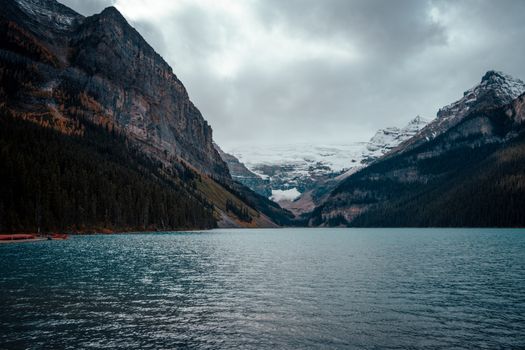
Western Canada is home to some of the most globally recognized and breathtaking national parks, offering a diverse array of landscapes from towering Rocky Mountain peaks to ancient coastal rainforests. When considering the best Canadian National Parks to visit, this region often tops the list for its sheer scale and accessibility. Banff National Park, Canada's first national park, is a jewel in the crown, drawing millions with its turquoise glacial lakes like Lake Louise and Moraine Lake, dramatic mountains, and vibrant townsite. Beyond its iconic vistas, Banff offers extensive hiking trails for all skill levels, from gentle strolls around Johnson Lake to challenging ascents up Sulphur Mountain. Wildlife viewing is a common highlight, with opportunities to spot elk, bighorn sheep, and even bears (from a safe distance, of course). The park's infrastructure is well-developed, providing numerous lodging and dining options, making it an ideal starting point for exploring the Canadian Rockies. Planning your Rocky Mountain adventure starts here. Just north of Banff lies Jasper National Park, the largest national park in the Canadian Rockies. While equally stunning, Jasper often feels a bit wilder and less crowded, offering a more serene experience. Its Icefields Parkway, a scenic drive connecting Banff and Jasper, is consistently ranked among the most beautiful drives in the world, punctuated by glaciers, waterfalls, and wildlife. Highlights in Jasper include Maligne Lake, Spirit Island, and the Athabasca Falls. The park is also a designated Dark Sky Preserve, making it an exceptional destination for stargazing. Both Banff and Jasper provide unparalleled opportunities for outdoor activities such as hiking, canoeing, kayaking, mountain biking, and in winter, skiing and snowboarding. The distinct character of each park, while sharing the same mountain range, offers varied experiences for visitors. Yoho National Park, nestled between Banff and Jasper, is another Western Canadian gem often overlooked but equally spectacular. It features the stunning Takakkaw Falls, the vivid blue Emerald Lake, and the intriguing Natural Bridge, showcasing the powerful forces of nature. These parks together form a significant portion of the Canadian Rocky Mountain Parks UNESCO World Heritage Site, recognized for their outstanding natural beauty and ecological significance. Exploring these Western Canadian parks is not just a trip; it's an immersive journey into the heart of Canada's wilderness, promising awe-inspiring moments at every turn. The sheer scale and diversity of landscapes ensure that every visitor finds something to captivate their spirit of adventure, solidifying their status as the best Canadian National Parks to visit for many.

Coastal Wonders and Northern Lights: East & North

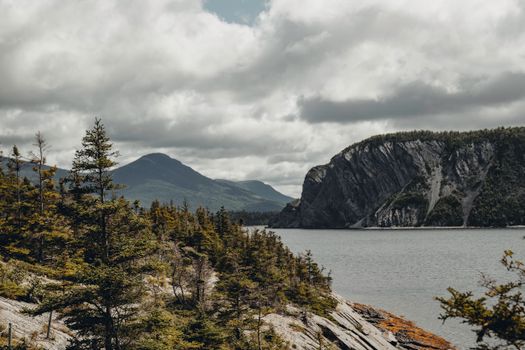
Moving eastward and northward, Canada’s national parks continue to deliver diverse and unforgettable experiences, proving that the best Canadian National Parks to visit are spread across the entire country. On the Atlantic coast, Gros Morne National Park in Newfoundland and Labrador stands out as a UNESCO World Heritage Site, renowned for its dramatic fjords, barren tablelands, and coastal lowlands. This park offers a unique geological landscape, with evidence of continental drift visible in its exposed mantle rock. Hiking the Tablelands provides an otherworldly experience, while boat tours through Western Brook Pond Fjord reveal towering cliffs and waterfalls. The park’s diverse ecosystems support a wide range of wildlife, including moose, caribou, and various seabirds. Gros Morne is a testament to the raw, untamed beauty of Canada's East Coast, providing a stark contrast to the mountainous landscapes of the west. Its rugged charm and geological significance make it a must-see for those seeking a truly unique natural encounter. Further north, for those seeking the ultimate wilderness adventure and a chance to witness the spectacular Aurora Borealis, Parks Canada offers extraordinary experiences in its northern territories. Nahanni National Park Reserve in the Northwest Territories is another UNESCO World Heritage site, accessible primarily by floatplane, offering a truly remote and pristine wilderness experience. It features the magnificent Virginia Falls, twice the height of Niagara Falls, and four profound canyons carved by the South Nahanni River. This park is a haven for paddlers and adventurers, providing unparalleled opportunities for multi-day expeditions through untouched landscapes. The sense of isolation and grandeur here is immense, offering a profound connection with nature unlike anywhere else. While not easily accessible, its pristine beauty and ecological importance make it one of the best Canadian National Parks to visit for the intrepid traveler. Closer to more populated areas, Cape Breton Highlands National Park in Nova Scotia offers a stunning blend of ocean and mountain scenery. The iconic Cabot Trail winds through the park, providing breathtaking coastal views, particularly during the autumn foliage season. Hiking trails range from easy strolls to challenging climbs, with the Skyline Trail being a particular highlight, offering panoramic vistas of the Gulf of St. Lawrence. The park is also rich in Acadian and Gaelic culture, adding another layer to the visitor experience. Along the coast, there are chances to spot whales and other marine life. These eastern and northern parks showcase Canada's incredible geographical diversity, from ancient fjords to boreal forests, and offer distinct adventures for every type of explorer. They underscore that the definition of the best Canadian National Parks to visit is as varied as Canada itself, each offering its own unique brand of natural wonder and cultural richness.

Central Canada's Hidden Gems and Urban Oases

While the Rockies and coastal regions often steal the spotlight, Central Canada also boasts an impressive collection of national parks that offer unique natural beauty and recreational opportunities, making them strong contenders for the best Canadian National Parks to visit. Pukaskwa National Park, located on the northern shore of Lake Superior in Ontario, is a rugged and remote wilderness park that offers a true Canadian Shield experience. Its dramatic coastline, characterized by granite cliffs, sandy beaches, and boreal forest, provides a stunning backdrop for hiking, kayaking, and backcountry camping. The Mdaabii Miikna trail offers an exceptional multi-day backpacking experience, allowing adventurers to immerse themselves in the park's pristine environment. Wildlife sightings, including moose, black bears, and peregrine falcons, are common. Pukaskwa is a testament to the wild beauty of Ontario, providing a serene escape for those seeking solitude and a deep connection with nature. It’s a lesser-known but incredibly rewarding destination for those who appreciate raw, untamed landscapes, solidifying its place among the best Canadian National Parks to visit for a truly authentic wilderness experience. Further east in Ontario, Bruce Peninsula National Park offers a completely different, yet equally captivating, experience. Situated on the Niagara Escarpment, this park is famous for its dramatic cliffs, turquoise waters of Georgian Bay, ancient cedar trees, and unique karst topography. The Grotto, a sea cave with crystal-clear waters, is a popular attraction, drawing visitors for swimming and snorkeling. The park is also a part of the UNESCO Niagara Escarpment Biosphere Reserve, highlighting its ecological significance. Hiking parts of the Bruce Trail, Canada's oldest and longest marked footpath, provides stunning views of the Georgian Bay shoreline. The park's accessible trails and stunning natural features make it a fantastic destination for families and day-trippers from nearby urban centers. Its blend of geological wonders and pristine waters makes it a vibrant addition to any list of the best Canadian National Parks to visit. Even within Canada's largest city, Toronto, Rouge National Urban Park offers a unique blend of wilderness and urban accessibility. As North America's largest urban park, it provides a vital green space for city dwellers, protecting diverse ecosystems, including forests, meadows, wetlands, and even a beach. Visitors can enjoy hiking, birdwatching, and even camping within the city limits. The park is also rich in cultural and agricultural history, with active farms operating within its boundaries. Rouge National Urban Park exemplifies Parks Canada's commitment to conservation within reach, making nature accessible to a broader audience. While perhaps not the rugged wilderness of a Banff or Nahanni, its unique urban-wilderness blend makes it a noteworthy inclusion when discussing the breadth of experiences offered by the best Canadian National Parks to visit. These central parks, from remote wilderness to urban oases, showcase the incredible variety of natural experiences available across Canada, proving that adventure is never far away, no matter where you are in the country. Discovering Canada's diverse landscapes is an endless journey.

Maximizing Your National Park Experience: Tips & Considerations

To truly make the most of your visit to the best Canadian National Parks to visit, strategic planning and an understanding of park etiquette are essential. Canada's national parks are vast and diverse, and proper preparation can significantly enhance your adventure. First and foremost, consider purchasing a Parks Canada Discovery Pass if you plan to visit multiple parks or stay for an extended period. This annual pass offers excellent value and streamlines entry. Book accommodations, especially campsites or popular lodges, well in advance. Peak seasons, particularly summer and fall, see high demand, and last-minute bookings are often impossible. Many parks use a reservation system that opens months ahead of time, so mark your calendar. Next, always check park-specific regulations and advisories before your trip. This includes information on trail closures, fire bans, wildlife warnings, and required permits for backcountry activities. Weather in Canada's national parks can be unpredictable, even in summer, so pack layers and be prepared for sudden changes. Essential gear includes sturdy hiking boots, rain gear, sun protection, insect repellent, and plenty of water. Familiarize yourself with wildlife safety protocols, especially regarding bears. Carry bear spray, know how to use it, and store food properly to avoid attracting animals. **Key Tips for an Unforgettable Park Visit:** * **Leave No Trace Principles:** Pack out everything you pack in, stay on marked trails, and respect wildlife by maintaining a safe distance. * **Early Bird Gets the Worm:** Arrive at popular trailheads or attractions early in the morning to avoid crowds and secure parking. * **Download Offline Maps:** Cell service can be spotty or non-existent in many parks. Download maps and important information beforehand. * **Embrace the Visitor Centres:** Park visitor centers are invaluable resources for up-to-date information, trail conditions, and expert advice from park staff. * **Consider Off-Peak Travel:** Visiting in the shoulder seasons (late spring, early fall) can offer fewer crowds, unique scenery (like fall foliage), and often more readily available accommodations. * **Support Local:** Engage with local communities surrounding the parks; they often offer unique cultural experiences and essential services. By following these tips, you'll ensure a safer, more enjoyable, and environmentally responsible trip to the best Canadian National Parks to visit, allowing you to fully immerse yourself in the natural wonders of this incredible country.

Comparison

FeatureBanff National ParkGros Morne National ParkBruce Peninsula National Park
Primary LandscapeRocky Mountains, Glacial LakesFjords, Tablelands, CoastalCliffs, Georgian Bay, Karst
Wildlife ViewingElk, Bighorn Sheep, BearsMoose, Caribou, SeabirdsBlack Bears, Reptiles, Birds
Iconic AttractionLake Louise, Moraine LakeWestern Brook Pond FjordThe Grotto
Best ForClassic mountain scenery, skiingUnique geology, coastal hikingCliffside views, clear water activities
Crowd Level (Peak)HighModerateHigh
AccessibilityVery HighModerateHigh

What Readers Say

"Visiting Banff and Jasper was a dream come true! The turquoise lakes and towering mountains are even more stunning in person. Truly the best Canadian National Parks to visit for breathtaking scenery."

Sarah J. · Vancouver, BC

"Gros Morne National Park completely blew me away. The unique geology and boat tour through the fjord were unforgettable. It's definitely one of the best Canadian National Parks to visit if you're looking for something different."

Mark D. · Toronto, ON

"We spent a week exploring Cape Breton Highlands and it exceeded all expectations. The Cabot Trail views were incredible, and we even saw a whale! Our family trip to the best Canadian National Parks to visit was a huge success."

Emily K. · Calgary, AB

"Bruce Peninsula National Park was beautiful, especially the Grotto. It was a bit crowded during our summer visit, but still worth it for the stunning water. I'd recommend it as one of the best Canadian National Parks to visit, perhaps during shoulder season."

David P. · Montreal, QC

"Pukaskwa National Park offered the rugged, remote experience I was craving. The backcountry camping was challenging but incredibly rewarding. For true wilderness enthusiasts, it's among the best Canadian National Parks to visit."

Chloë L. · Winnipeg, MB

Frequently Asked Questions

What is the best time of year to visit Canadian National Parks?

The best time largely depends on your desired activities. Summer (June-August) offers warm weather and full accessibility for hiking and water sports, but also the largest crowds. Fall (September-October) provides stunning foliage and fewer people, while winter (December-March) is ideal for skiing, snowboarding, and viewing the Northern Lights in certain regions. Spring (April-May) can be a mix of melting snow and budding greenery, often good for wildlife viewing.

Do I need a pass to enter Canadian National Parks?

Yes, most Canadian National Parks require an entry pass. You can purchase a daily pass at the park gates or visitor centers. If you plan to visit multiple parks or for more than 7 days in a year, a Parks Canada Discovery Pass (annual pass) is often the most cost-effective option, covering entry to over 80 Parks Canada administered places.

How do I book camping or accommodation in national parks?

Camping and accommodation within national parks can be booked directly through the Parks Canada Reservation Service website. Reservations typically open several months in advance of the peak season (often in January for summer bookings) and fill up very quickly for popular parks and dates. It is highly recommended to book as soon as reservations become available.

What is the average cost of a trip to a Canadian National Park?

Costs vary significantly based on the park, duration, type of accommodation, and activities. A daily entry pass is around $10 CAD per adult, or an annual Discovery Pass is about $72.25 CAD per adult or $145.25 CAD for a family/group. Camping fees range from $15-$40 CAD per night, while hotel stays can be $150-$400+ CAD. Factor in transportation, food, and activity rentals for a comprehensive budget.

Are Canadian National Parks accessible for people with disabilities?

Parks Canada is committed to improving accessibility. Many national parks offer accessible trails, viewpoints, visitor centers, and washroom facilities. It's best to check the specific park's website or contact their visitor center directly for detailed information on accessible features and services available to accommodate diverse needs.

Which Canadian National Parks are best for wildlife viewing?

Many parks offer excellent wildlife viewing opportunities. Banff, Jasper, Yoho, and Kootenay in the Rockies are great for elk, bighorn sheep, and bears. Gros Morne is known for moose and caribou. Pacific Rim National Park Reserve often has black bears and marine wildlife. Always maintain a safe distance and never feed wild animals.

What safety precautions should I take when visiting a national park?

Always inform someone of your itinerary, stay on marked trails, pack adequate water and supplies, and dress in layers. Be aware of wildlife, especially bears, and carry bear spray if recommended. Check weather forecasts and trail conditions before heading out, and be prepared for emergencies by carrying a first-aid kit and knowing basic outdoor safety.

How is climate change impacting Canadian National Parks?

Climate change is significantly impacting Canadian National Parks through glacier melt, increased frequency of wildfires, changes in wildlife habitats, and altered ecosystems. Parks Canada is actively engaged in climate change research, adaptation strategies, and educating visitors on environmental stewardship to mitigate these effects and protect these invaluable natural spaces for future generations.

Embark on an unforgettable journey through Canada's pristine wilderness. Whether you seek towering mountains, ancient coastlines, or serene forests, the best Canadian National Parks to visit offer an adventure for every soul. Start planning your escape today and discover the unparalleled beauty that awaits.

Topics: best canadian national parks to visitcanada national parkstravel canadaoutdoor adventures canada
Leo List
Brampton weed
Adultwork EstrelaBet Vai de Bet R7 Bet Betão Galera Bet Rainbet Bet9ja Shop SportyBet BetKing Sisal Loto Foot Hollywoodbets YesPlay Odibets RushBet Jugabet BetWarrior BetCity MSport betPawa Fortebet